
Coros Gps Computers
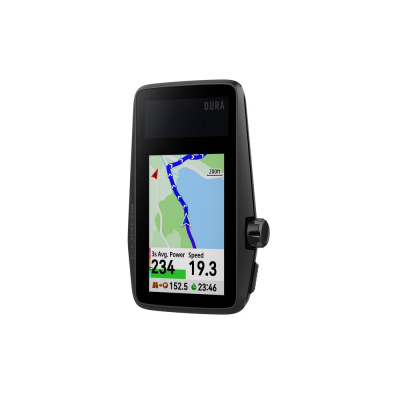
Coros GPS computers have done something the cycling tech world has been half-heartedly promising for years: they've genuinely solved range anxiety. The Dura sits at the top of the range with 120 hours of continuous GPS tracking on a single charge - that's not a marketing footnote, that's five days of solid recording without hunting for a socket. Integrated solar charging adds further run time on top, even under the kind of grey, diffused British light that barely casts a shadow.
Beyond the battery headline, these are seriously capable head units. Dual-frequency satellite tracking locks on fast and stays accurate when you're threading through dense woodland or riding the shadowed canyons of a city commute. The MIP colour touchscreen stays crisp and readable under flat overcast skies - exactly the conditions that wash out cheaper displays. And the whole thing is rated IP67, so a sudden soaking on the moors isn't going to cost you your data or your device.
Whether you're deep into structured training with TrainingPeaks, logging every kilometre on Strava, or planning a multi-day bikepacking route, Coros has built an ecosystem that keeps up. Clean app, logical menus, pro-level metrics. No charging ritual every other evening, no fumbling through buried settings.
Prices and availability can change quickly. Delivery charges are not always included in listed prices.
Final price, stock status and delivery terms are set by retailer. We may receive a commission on purchases made.
Connected Training: Apps, Sensors and the Coros Ecosystem
Coros GPS computers support both ANT+ connectivity and Bluetooth sensors, which means virtually any sensor you already own - power meter, cadence pod, speed sensor - will pair without drama. That's a proper open standard, not a walled garden. The Coros app acts as the central hub for everything: it pushes completed rides automatically to Strava integration, Komoot, and TrainingPeaks sync, so once your ride ends, the data moves on its own. No manual uploading, no CSV exports, no faff.
The training analytics side is genuinely deep. You get recovery metrics, training load tracking, and structured workout guidance that competes with what Garmin GPS computers offer at comparable price points. The difference is Coros tends to keep the interface cleaner - less menu-diving to find what you actually need mid-ride. If you're building a full data setup, pairing the head unit with Coros HRM straps or Coros power meters brings everything into one coherent platform, with no cross-brand translation layer to worry about. It all just talks to itself.
Coros also links to its own GPS and sports watch line if you want consistent metrics across running, swimming, and riding - useful if you're multisport or just want one app for everything. Worth knowing Coros GPS and sports watches share the same ecosystem, so athlete data carries across devices seamlessly.
Battery Life and On-Road Performance: What 120 Hours Actually Means
The 120-hour battery benchmark on the Dura is the number everyone talks about, and rightly so. To put it plainly: even if you're doing back-to-back big days in the Cairngorms with limited charging options, this computer keeps running. Most riders doing regular club rides or sportives will charge it once a fortnight at most. That changes how you think about the device - it stops being something you manage and starts being something you just use.
The solar charging element adds up to two hours of ride time for every hour of direct sunlight, which sounds like a summer-only benefit. In practice, even partial cloud cover contributes something, and on a clear February day in the Peak District it'll be topping itself up on the exposed moorland sections. It won't fully replace a charge in overcast November, but it meaningfully extends the buffer. Battery performance also stays stable in freezing temperatures, which matters - plenty of cheaper units start behaving oddly below five degrees, cutting sessions short at exactly the wrong moment.
Dual-frequency GPS is the other performance story. Standard single-frequency GPS struggles under heavy tree canopy or between tall buildings, drifting off your actual line and throwing off distance figures. Dual-frequency locks onto more satellite signals simultaneously, keeping your track accurate whether you're on a shaded bridleway in the Forest of Dean or commuting through central Manchester. The MIP touchscreen - Memory In Pixel technology - holds its image without constantly refreshing, which is part of why battery life is so high. It's also daylight-readable without ramping up backlight brightness, a genuine advantage under flat British skies where glossy displays go grey and unreadable. Coros cycling computer navigation benefits directly from this combination: your route stays visible and accurate, even when conditions are working against you.
Compared to alternatives like Wahoo GPS computers or Hammerhead GPS computers, Coros is the outlier on battery by a considerable margin. Those are excellent units, but you're charging them far more frequently. If long-distance riding, bikepacking, or simply forgetting to plug in overnight matters to you, that gap is meaningful.
Getting It Running: Setup, Gloves and Bad-Weather Riding
Initial Coros Dura setup is quicker than you'd expect. Scan the QR code in the box, download the app, and it walks you through the rest. Sensor pairing, screen layout customisation, and platform connections (Strava, TrainingPeaks, Komoot) all live in the same app - you're not bouncing between different portals. Most riders have it ready to record before they've finished their pre-ride coffee.
The physical dial on the Dura deserves a mention here because it's not just a design quirk - it's genuinely useful in winter. Scrolling a touchscreen with thick gloves on is a lesson in frustration. The dial lets you navigate menus and confirm selections without removing your gloves, which on a cold January morning in the Dales is a small but real quality-of-life win. The touchscreen is still there for when you want it, but the dial gives you a tactile fallback.
IP67 waterproof rating means submersion to one metre for up to thirty minutes - far beyond what any typical UK downpour is going to throw at it. Whether it's getting properly soaked on the Quantocks or catching spray from every puddle on a wet road sportive, the unit keeps recording without complaint. This is the kind of durability that matters here, where the weather rarely gives you a full dry week to play with.
Looking for out-front mounts or replacement inserts? Head over to our dedicated Coros Computer Spares page to find the exact fit for your cockpit.
Coros Gps Computers FAQs
How long does the Coros bike computer battery last?
The Coros Dura delivers 120 hours of continuous GPS tracking on a single charge - comfortably the longest in its class. On top of that, the built-in solar panels can add up to two hours of extra run time for every hour of direct sunlight, so big days out eat into the battery far less than you'd expect.
Does the Coros GPS computer sync with Strava?
Yes. Once your ride ends, the Coros app automatically pushes data to Strava, TrainingPeaks, and Komoot without any manual steps. Connect the platforms once in the app and it handles everything from there - your rides just appear where you expect them.
Can I connect my existing heart rate monitor to a Coros computer?
Almost certainly, yes. Coros GPS computers support both Bluetooth and ANT+ protocols, covering the vast majority of modern heart rate straps, power meters, and electronic drivetrains. If your sensor works with other head units, it'll pair with Coros without needing any adapters or workarounds.