
Pivot E-Bikes
Pivot E-Bikes don't follow the formula. While plenty of brands take a proven trail bike and drop a motor in, Pivot rebuilds the whole equation from scratch - engineering each Shuttle around its specific motor, travel, and rider intent rather than treating electrification as an afterthought. The result is a range of carbon e-MTBs that feel sharper and more deliberate than almost anything else in the class.
The lineup breaks into three clear models. The Shuttle SL runs 132mm of travel with a Fazua Ride 60 motor, keeping weight low enough that the assist feels like a bonus rather than a crutch. The Shuttle AM stretches to 148mm and pairs with a Bosch Performance Line CX for proper all-day punch on UK trail centres. The Shuttle LT goes long at 160mm, powered by a Shimano EP801 for riders who want to self-shuttle gnarly descents without a van. Each model comes in Ride, Pro, and Team builds, stepping through Fox Performance, Fox Factory, and full carbon-wheel halo spec. If you're weighing up Pivot against the analog side of the range, the Pivot mountain bikes page is worth a look too.
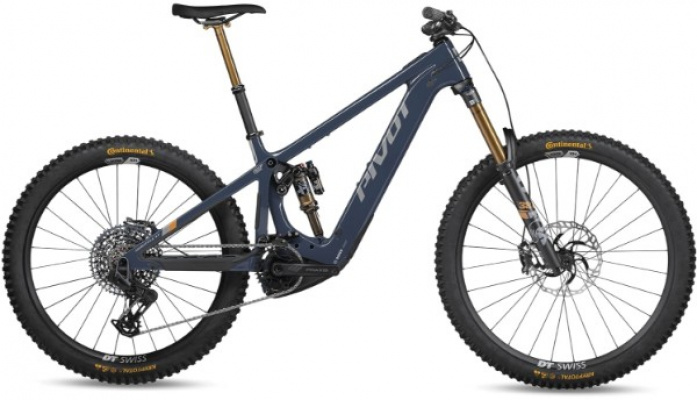
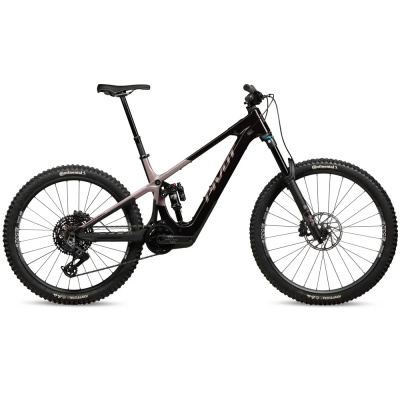
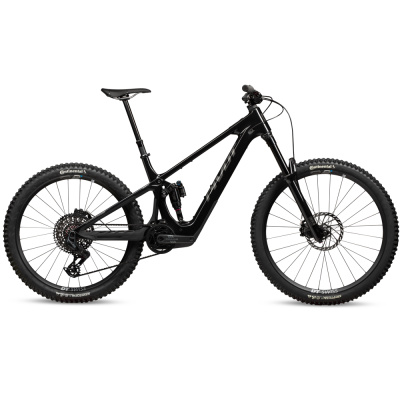
Prices and availability can change quickly. Delivery charges are not always included in listed prices.
Final price, stock status and delivery terms are set by retailer. We may receive a commission on purchases made.
Decoding the Shuttle Family
Three bikes, three jobs - and Pivot is unusually clear about the distinctions. The Shuttle SL is the one for riders who want trail feedback first and assistance second. At 132mm of travel with a compact Fazua Ride 60 motor tucked into the downtube, it's the closest thing to an analogue ride feel you'll find with a motor attached. The battery is modest by e-MTB standards, so it suits riders covering varied ground rather than smashing the same climb repeatedly all day.
Step up to the Shuttle AM and you're into proper all-mountain territory. The Bosch Performance Line CX delivers the kind of torque that makes short, brutal Welsh climbs feel almost unfair, and 148mm of travel gives you enough cushion for chunky descents without turning the bike into a wallowing mess. This is the one most UK riders gravitating toward Pivot will land on - versatile enough for trail centres, capable enough for longer days in the Peaks.
The Shuttle LT is for those who've decided subtlety is overrated. One hundred and sixty millimetres, Shimano EP801, and geometry shaped around steep, committing lines. If you're spending weekends at bike parks or riding the kind of Highland singletrack that chews up lesser bikes, this is where you start looking. For anyone curious about Pivot's frame-only options, the Pivot frames page covers what's available if you want to spec your own build. And if you're comparing across the broader e-MTB market, it's worth browsing Cube e-bikes and Cannondale e-bikes alongside Pivot to understand where the price-to-spec trade-offs sit.
What Makes the Pivot Tech Tick
Dave Weagle's DW-Link suspension is the centrepiece of every Shuttle, and it earns its place. Most multi-link systems struggle when a motor adds torque through the drivetrain - you get bobbing under power that wastes energy and unsettles traction. DW-Link is engineered with high anti-squat characteristics that resist that tendency, keeping the rear end active and tracking the ground rather than compressing under load. On steep, slick technical climbs - the kind you find plastered in autumn leaf mulch across the Forest of Dean or greasy rock slabs in the Lakes - that planted feel makes a real difference to whether you clean the section or dab.
The frames themselves are built using Pivot's Hollow Core Carbon moulding process. Rather than layering carbon around a foam mandrel that stays in the frame, Pivot uses an inflatable core that's removed post-cure. The result is a hollow structure with clean inner walls, better fibre consistency, and a stiffer, lighter frame than conventional methods typically produce. It's not just a manufacturing detail - it's why a full-power e-MTB frame can still feel responsive rather than sluggish.
Then there's the Superboost Plus 157 rear hub spacing. Wider than the standard Boost 148 used on most trail bikes, the extra spread stiffens the rear wheel and allows for shorter, more tightly curved chainstays without sacrificing tyre clearance. On a platform carrying motor weight, wheel stiffness under hard cornering loads matters more than people often appreciate - and the tyre clearance bonus is genuinely useful in UK mud season.
Riding a Pivot in British Conditions
That Superboost Plus spacing isn't just an engineering talking point when you're riding the Tweed Valley in October or grinding through Coed y Brenin in February. The wider hub creates more room between the chainstays and the tyre, so claggy mud has somewhere to go rather than packing solid and turning your drivetrain into a grinding paste machine. It's a practical win that you'll notice before you've even thought about it.
Multi-link suspension on a wet-weather bike does come with a maintenance conversation, though. Pivot specifies Enduro Max bearings throughout the linkage, which are a cut above the budget sealed bearings you'd find on lesser bikes. They hold up well in grim conditions. That said, if you're riding through winter grit every weekend, a seasonal check of the pivot bearings and a regrease isn't optional - it's just part of owning a bike like this. Block it into your calendar the same way you'd check your brake pads after a muddy enduro day.
Sizing is worth thinking about if you're coming from an older geometry mindset. Pivot's reach numbers are modern and roomy without being the most extreme figures in the class - they've resisted the temptation to chase the longest-possible numbers just to look progressive on a spec sheet. In practice, that makes the Shuttles genuinely manoeuvrable in tight woodland singletrack where a longer bike becomes a liability. A flip chip geometry option on certain models also lets you adjust the head angle and bottom bracket height, so you can dial the feel depending on whether your local riding leans more technical or more flowy. If you're exploring alternatives at a different price point, Amflow e-bikes offer an interesting comparison for riders weighing up lightweight e-MTB options.
On the question of whether Pivot e-bikes are worth the money - and it's a fair question at these prices - the honest answer is yes, but only if you're actually going to push the bike hard enough to feel the difference. The DW-Link suspension behaviour under power, the stiffness of the hollow core carbon frame, the wheel stability from Superboost Plus spacing - none of that reveals itself on a mellow gravel path. These are bikes for riders who know what they want and will ride them in conditions demanding enough to justify the investment.
Pivot E-Bikes FAQs
Are Pivot e-bikes worth the money?
If you're going to ride hard enough to feel the difference, yes. The Hollow Core Carbon frames are genuinely lighter and stiffer than most rivals, and DW-Link suspension behaviour under motor torque is noticeably more controlled. The boutique price reflects real engineering rather than badge premium - but it only makes sense if you're pushing the bike properly.
What motor does the Pivot Shuttle use?
Pivot matches the motor to the job. The lightweight Shuttle SL uses the Fazua Ride 60 for a natural, low-intrusion trail feel. The Shuttle AM runs a Bosch Performance Line CX for full-power all-mountain riding. The long-travel Shuttle LT is paired with a Shimano EP801 - a strong, well-tuned unit suited to sustained enduro-style efforts.
How much does a Pivot Shuttle weigh?
It varies considerably across the range. The Shuttle SL can come in around 16.5kg thanks to the lightweight Fazua motor and hollow core carbon frame. The Shuttle LT, with longer travel and the heavier Shimano EP801 motor, sits closer to 22.5kg. Spec level also affects the final figure - carbon wheels on Team builds trim meaningful grams.