
Pirelli MTB Tyres
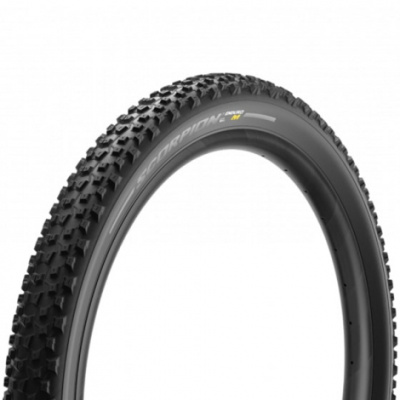
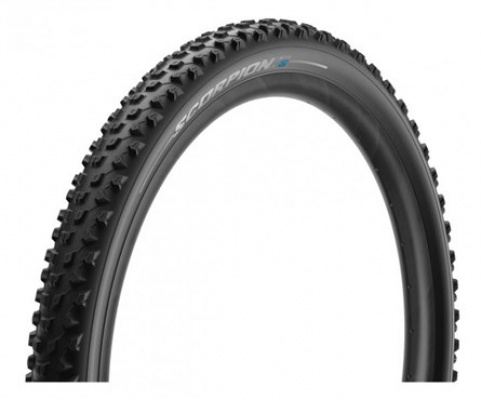
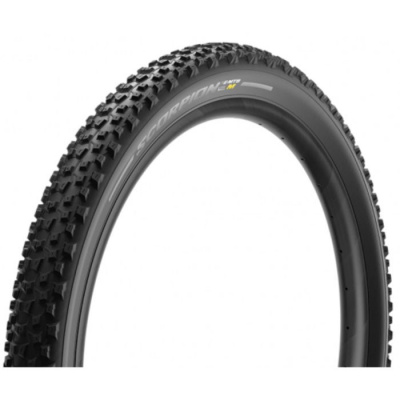
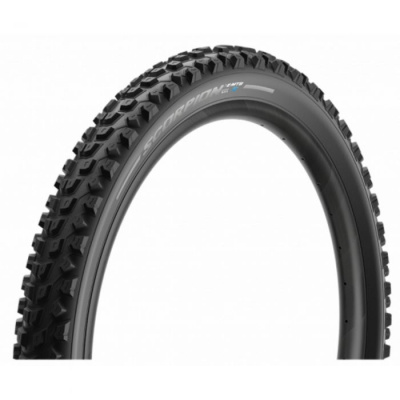
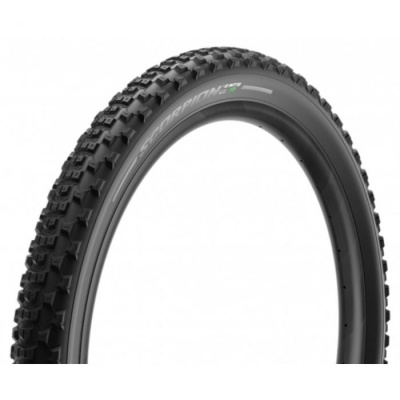
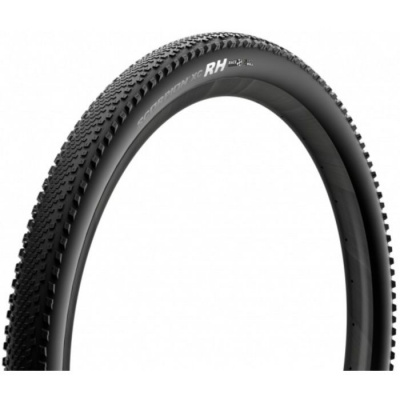
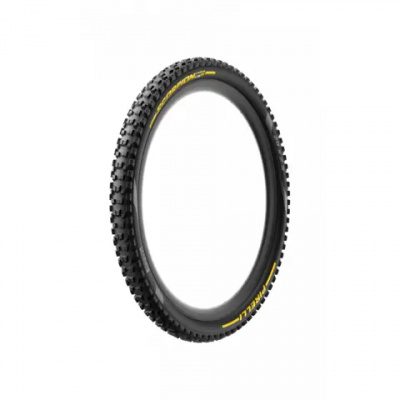
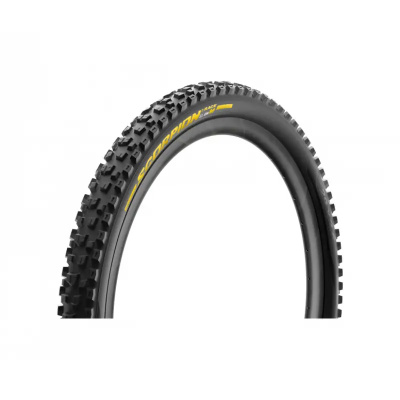
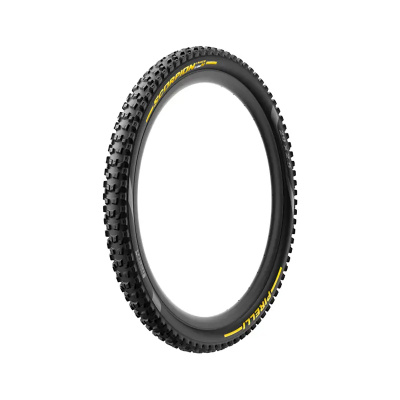
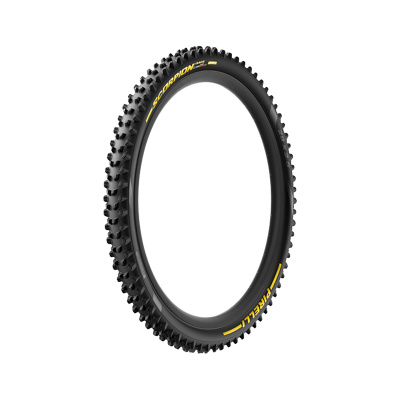
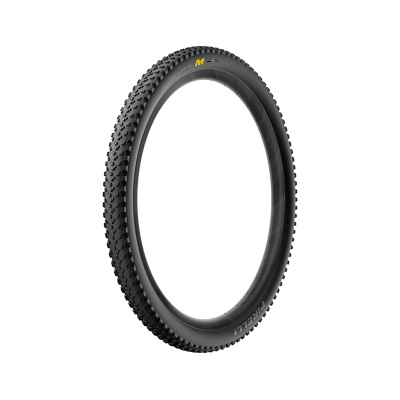
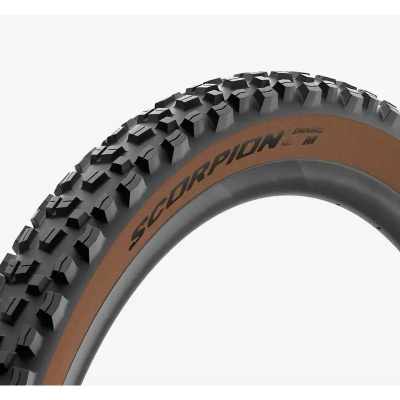
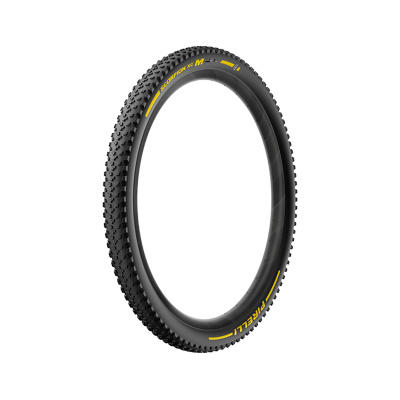
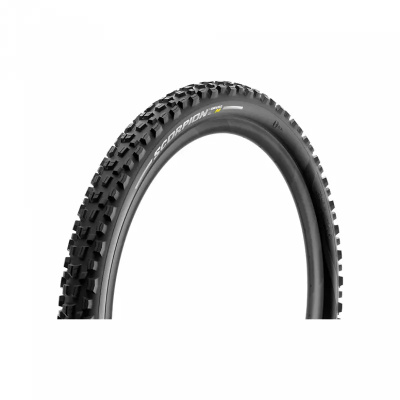
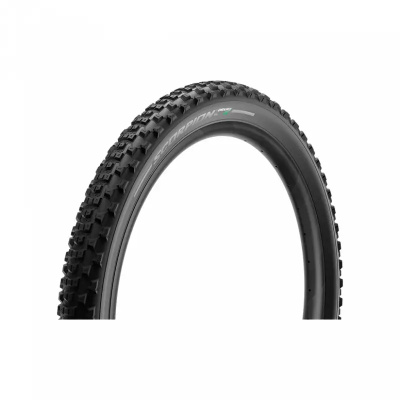
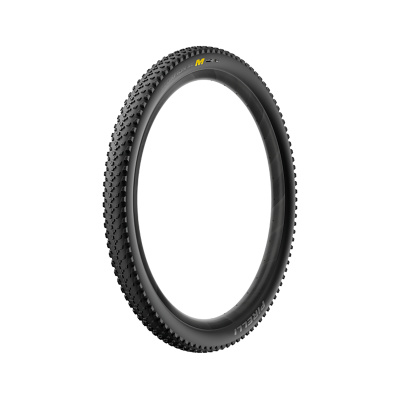
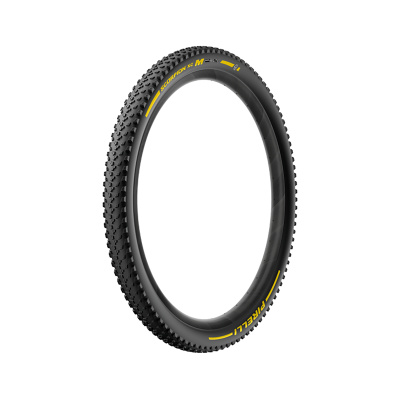
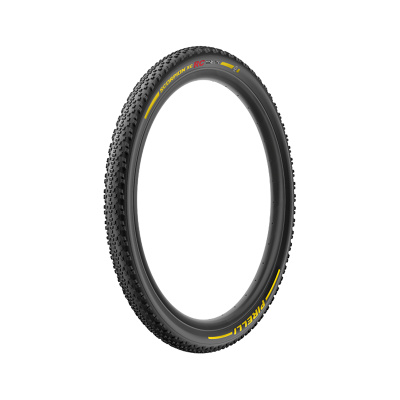
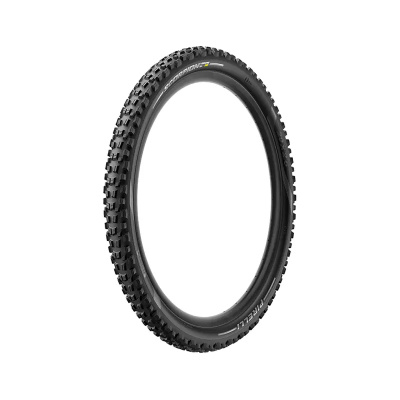
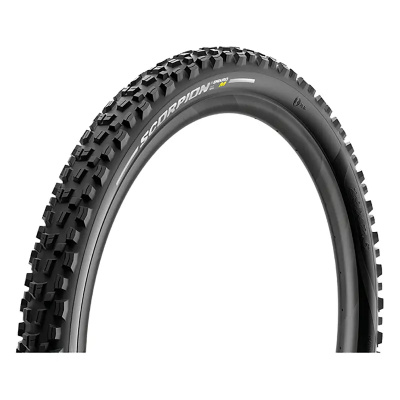
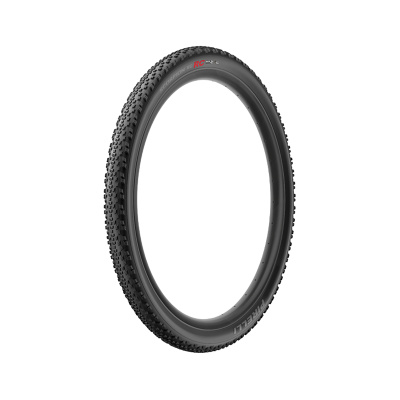
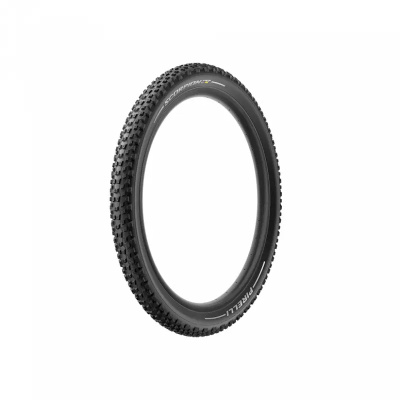
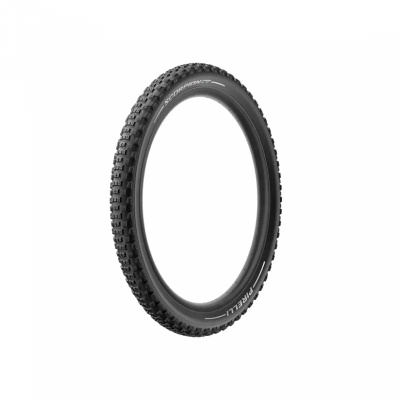
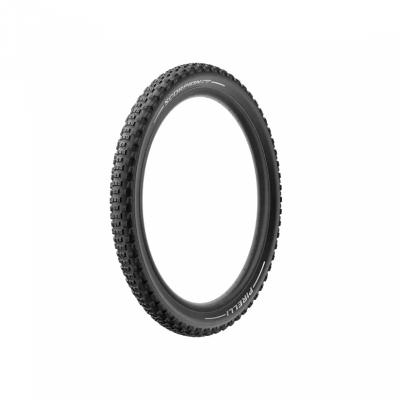
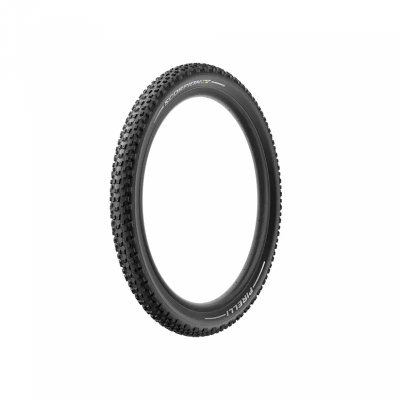
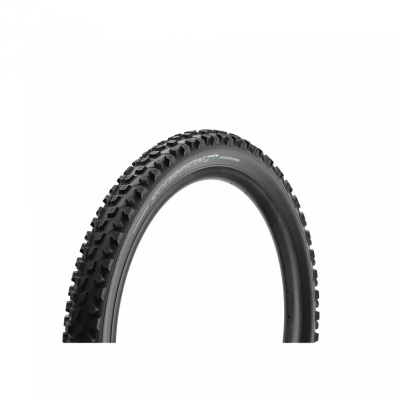
Pirelli MTB tyres bring the brand's motorsport compound knowledge straight to the dirt - and the Scorpion range is where that translates into something genuinely useful for UK riders. Rather than overwhelming you with conditions-based naming, Pirelli organises the Scorpion line around tread type: Hard (H), Mixed (M), Soft (S), and Rear-specific (R). Pick the ground you're mostly riding, and the system does a lot of the thinking for you.
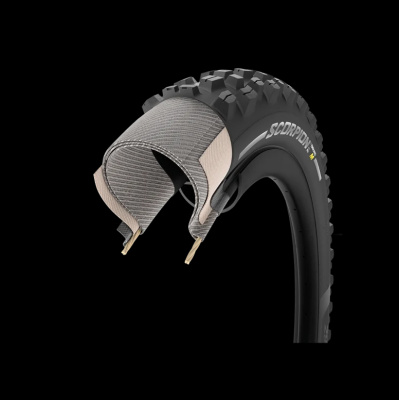
At the core of every Scorpion tyre is SmartGRIP compound, a single-compound rubber that keeps its grip character consistent from first ride to last - no sudden handling shift as the knobs wear down. That predictability matters on wet roots and greasy rock. Casing options scale with the riding: ProWALL sidewall reinforcement for XC and Trail riders who want low-pressure confidence without the weight penalty, HardWALL bead-to-bead protection for Enduro and rocky descents, and HyperWALL for e-MTB duties where torque and extra mass demand more from the casing. All current Pirelli Scorpion MTB tyres are tubeless ready, so you're not fighting the setup. Compare UK prices on the full range below.
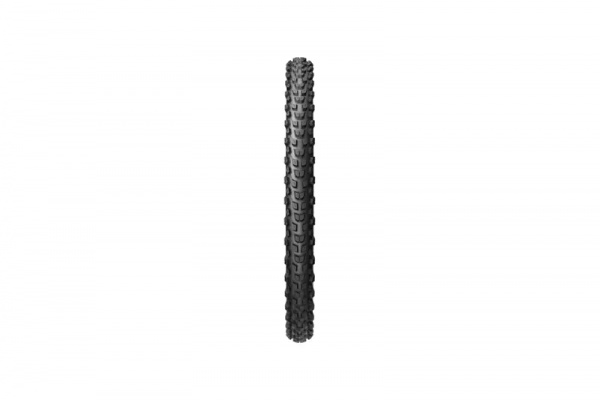
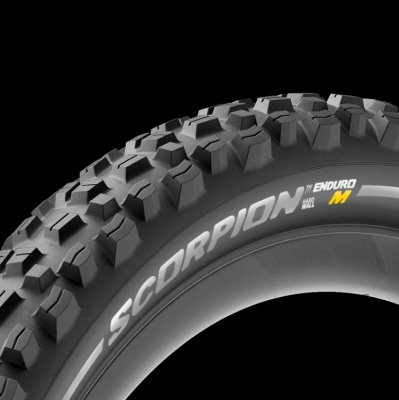
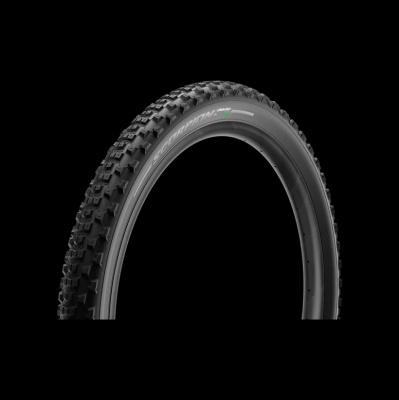
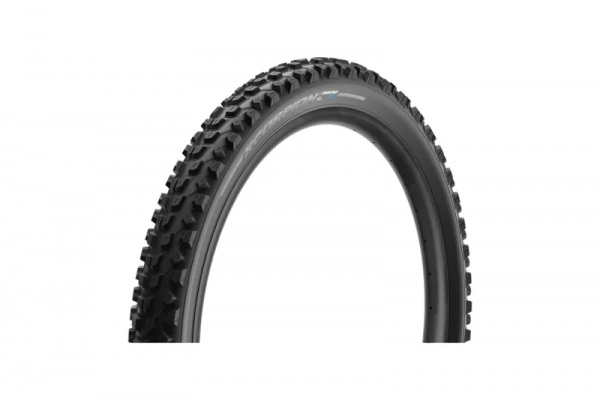
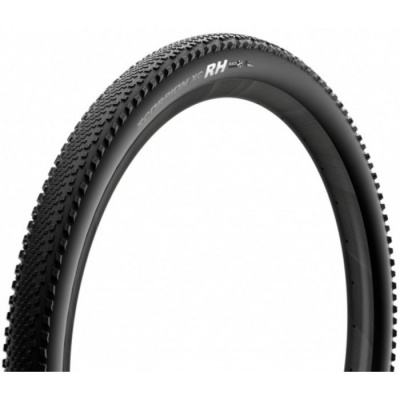
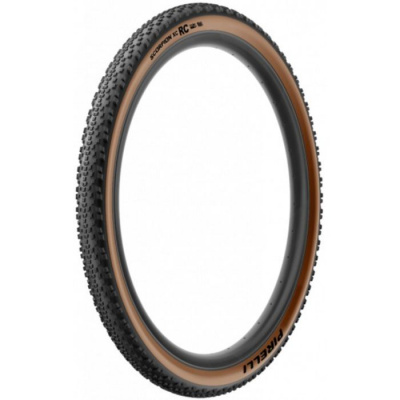
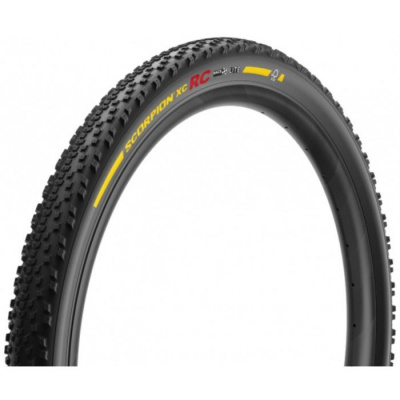
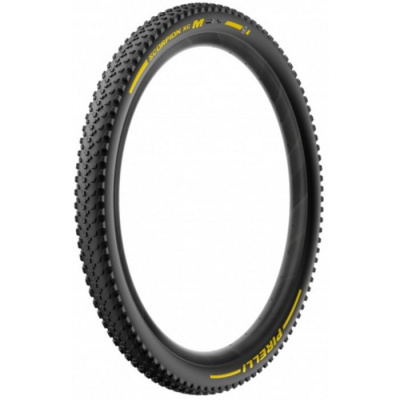

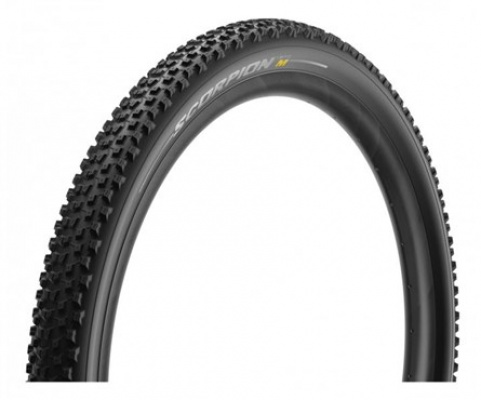
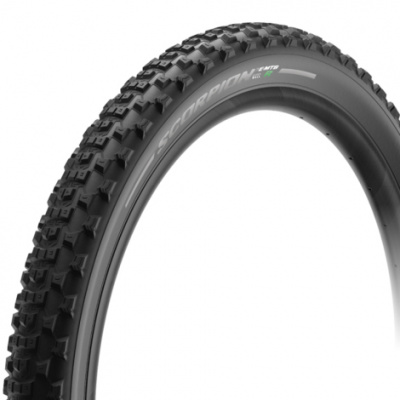
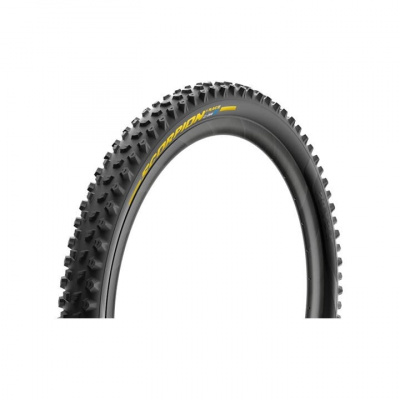
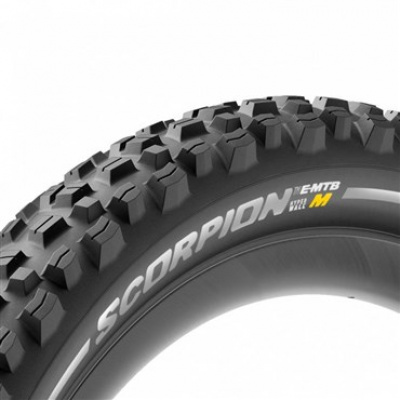
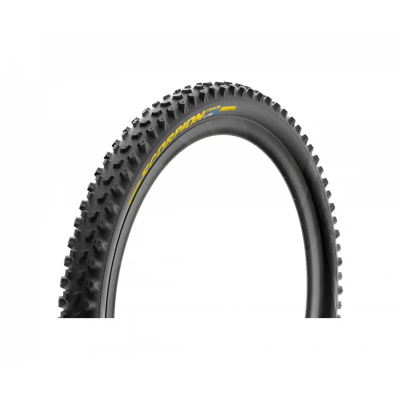
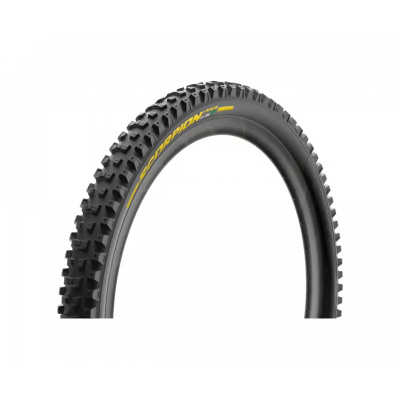
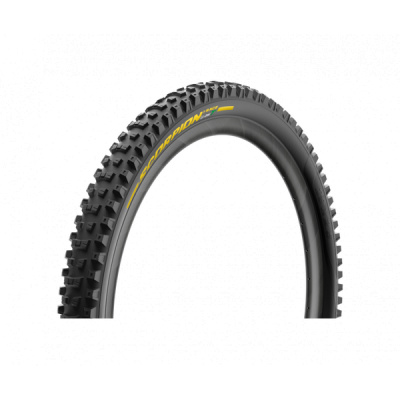
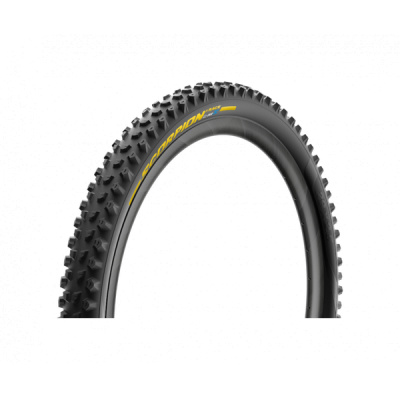
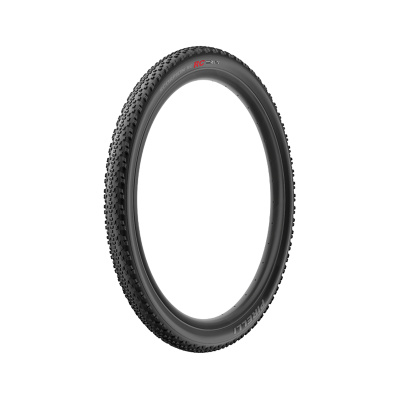
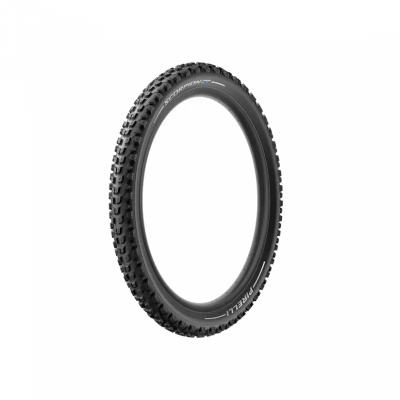
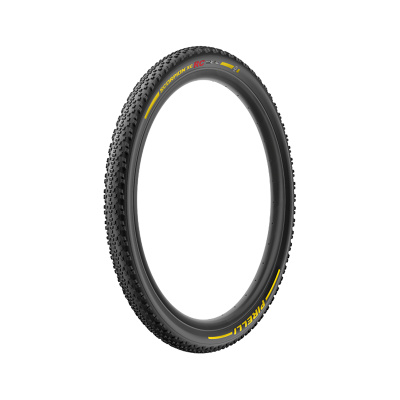
Prices and availability can change quickly. Delivery charges are not always included in listed prices.
Final price, stock status and delivery terms are set by retailer. We may receive a commission on purchases made.
Fitting Pirelli Tyres: Rim Width and Tubeless Compatibility
Modern Pirelli Scorpion tyres are built around current rim standards, so getting the fit right starts with knowing your internal rim width. For 2.2 - 2.4-inch Scorpion tyres, Pirelli optimises around a 25 - 30mm internal width - the sort of rim you'd find on most mid-range trail wheelsets. Step up to a 2.6-inch casing and you'll want 30mm or wider internally for the tyre to sit and profile correctly. Run them on a rim that's too narrow and the tall knobs splay outward rather than standing up as intended; too wide and the shoulder knobs fold rather than bite.
Every tyre in the current Scorpion MTB range is tubeless ready, with reinforced beads and a tight fit that seats well with a decent track pump and a splash of Pirelli tubeless sealant. If you're setting up a new wheelset, pair the tyre with the right valve length for your rim depth - Pirelli's own tubeless valves are matched to Scorpion casing tolerances and worth considering before grabbing a generic option. Running Pirelli inner tubes as a temporary measure while you source sealant is also a practical option if you're caught short. TPI varies across the range: higher-TPI casings in the XC RC spec feel supple and fast; lower-TPI construction in the Enduro line prioritises durability over that buttery feel.
Understanding the Scorpion Naming System
The Pirelli Scorpion range covers four disciplines: XC (cross country), Trail, Enduro, and E-MTB. Each targets a different weight and casing priority. The Scorpion XC RC sits at the sharp end - light, fast-rolling, built for race-day efficiency rather than rock-garden durability. Trail models sit in the middle ground, balancing rolling resistance against real grip. Enduro options prioritise casing strength and knob volume. The E-MTB line uses HyperWALL construction specifically because the additional torque from a motor and the extra weight of a powered bike stress standard sidewalls in ways that quickly become apparent on a muddy Welsh descent.
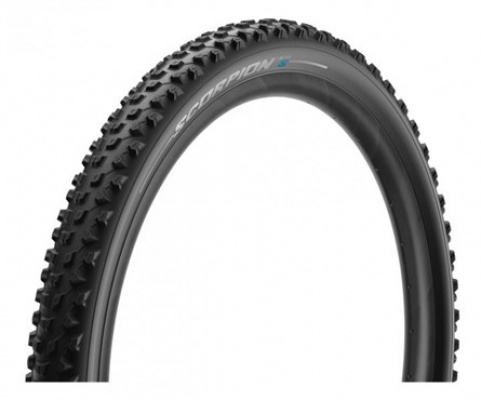
Tread codes are straightforward once you know them. H (Hard Terrain) uses a lower-profile, closely spaced tread that rolls fast on dry, hardpack - good for summer Peak District days or dry trail centre laps. M (Mixed Terrain) is the all-rounder: enough knob height to grip in damp conditions without dragging on dry trails. S (Soft Terrain) goes tall and widely spaced, designed to dig in and clear thick mud rather than pack up and skate. R (Rear Specific) optimises the knob layout for braking traction and drive rather than steering grip, which changes the front-to-rear load demands entirely.
A practical pairing for typical UK trail riding - think Surrey Hills after rain, or Cannock Chase in October - is an M-tread front with an R-tread rear. The front gets the steering confidence it needs; the rear gets braking bite without the rolling drag of a full mud tyre. It's a small change that makes a noticeable difference to how the bike feels under hard braking into corners. Compared to how Maxxis MTB tyres approach the same problem with their dual-compound Assegai/Dissector pairing, Pirelli's system is simpler to decode but equally deliberate about front and rear roles.
Casing Choices for UK Conditions: Mud, Flint, and Wet Rock
The SmartGRIP single-compound approach is worth understanding properly, because it changes the durability story compared to tyres using dual or triple compounds. On a dual-compound tyre, the soft outer edges wear faster than the harder centre, which gradually changes handling character - the tyre that felt planted on day one can feel vague after a season of Surrey grit. With SmartGRIP, the chemical properties stay consistent across the full depth of the tread. That means the Pirelli Scorpion MTB tyres you're riding in February handle roughly the same in July, wear patterns aside.
For casing selection, ProWALL adds a nylon fabric layer to the sidewall, giving extra puncture resistance and support when you drop pressures for loose, rooty trails. It's not heavy, and for standard trail centres it's the sensible default. But if your riding takes you into flint country - the South Downs bridleways are genuinely punishing in this regard - or you're regularly on the sharp, broken rock of North Wales descents, step up to HardWALL. The bead-to-bead protection and hard rubber insert above the bead are there specifically to resist the sidewall slashes that end rides early. It's heavier, but you'll feel that weight less than you'd feel walking home.
Wet chalk and roots - common enough on rides out of towns like Guildford or Lewes - respond well to SmartGRIP's predictable chemical grip rather than relying purely on knob geometry. The S-tread models clear thick winter mud efficiently, but don't feel they're essential until conditions genuinely go soft; running them on firm trails creates unnecessary drag. The Continental MTB tyre range takes a different approach with its Black Chili compound, and Michelin MTB tyres lean on their Gum-X for similar consistency goals - worth comparing if you're on the fence. Vittoria MTB tyres also use graphene-blended compounds for compound longevity if that's your priority.
Pirelli MTB Tyres FAQs
Are Pirelli MTB tyres any good?
The Scorpion range has earned genuine respect among mechanics and riders, largely because the SmartGRIP single-compound rubber keeps its grip character consistent as the tread wears. You're not managing a tyre that changes personality halfway through a season. On wet UK trails - roots, chalk, greasy rock - that predictability is what you notice first.
What is the difference between Pirelli ProWALL and HardWALL?
ProWALL adds a nylon fabric layer to the sidewalls for puncture resistance and better support at low pressures - right for XC and Trail riding. HardWALL goes further with bead-to-bead protection and a hard rubber insert above the bead, built for the heavier impacts and sidewall slashes that come with Enduro riding on rough, technical ground.
Which Pirelli Scorpion tyre is best for UK winter mud?
The Scorpion S (Soft Terrain) is the one - tall, widely spaced knobs that dig in and shed mud before it packs up. If your winter rides involve rocky, wet ground as well as soft stuff, pair the S-tread with a HardWALL casing. That combination handles both the mud and the casing abuse that comes with aggressive, saturated trails.