
Patagonia Run Clothing
Patagonia Running Clothing bridges the gap between road discipline and trail unpredictability, delivering gear that handles high-output effort when the weather can't decide what it's doing. Built around Capilene moisture management and the packable protection of the Houdini line, this range prioritises sweat control and weather defence without the weight penalty that slows you down on long efforts. The real differentiator? NetPlus recycled nylon spun from fishing nets and Fair Trade Certified sewn construction, which means you're not compromising ethics for performance. Whether you're logging miles on the South Downs Way or threading through Peak District grit, these pieces work just as well for gravel cross-training and fast-packing trips where kit needs to multitask. Shorts feature boxer-brief liners treated with HeiQ Pure odor control, jackets pack smaller than a spare tube, and base layers wick faster than most synthetics you've tried. It's technical kit with a conscience, designed for runners who measure outings in hours rather than laps.
Prices and availability can change quickly. Delivery charges are not always included in listed prices.
Final price, stock status and delivery terms are set by retailer. We may receive a commission on purchases made.
How Capilene and H2No Handle Sweat and Rain
Capilene isn't just another polyester base layer. Patagonia engineers hollow-core yarns that pull moisture off your skin through capillary action, spreading it across the fabric surface where it evaporates faster than standard weaves. The hydrophilic finish means sweat doesn't bead and sit; it migrates outward instantly, keeping that clammy chill at bay when you're grinding up a Welsh valley in February drizzle. Capilene Cool Daily offers a stretchier, more versatile hand with built-in UPF protection for mixed-use days, while Capilene Cool Lightweight strips down to the thinnest, fastest-drying construction for maximum breathability when you're redlining in summer heat.
H2No Performance Standard jackets take a different approach. Rather than relying on DWR coatings alone, the membrane itself provides a hydrostatic head rating that keeps you dry through sustained downpours, not just light mizzle. The hydrophobic coating on face fabrics sheds the first wave of rain, buying time before the membrane needs to work. Breathability remains high because the barrier allows vapour to escape while blocking liquid ingress - critical when you're churning out watts on a Scottish hill and the weather turns. Seam taping is thorough, hoods are helmet-compatible, and the cut allows layering without turning you into a rustling bin bag.
Building a Kit That Works Across Disciplines
Start with a Patagonia base layer in Capilene Cool Lightweight for high-output summer runs or Capilene Thermal Weight when the temperature drops below five degrees. Layer an R1 Air mid-layer if you need insulation without bulk - it's light enough to tie around your waist when you warm up but provides surprising warmth for its weight. Top it off with a Houdini jacket that stuffs into its own chest pocket and weighs less than a gel flask. Total system weight? Under 400 grams for three-season protection.
This layering strategy translates directly to gravel riding and bikepacking. The Houdini works as an emergency shell when you're caught out on a long loop through the Chilterns, and Capilene base layers handle the same moisture load whether you're running or pedalling. Strider Pro shorts double as off-bike kit for hut-to-hut trips in the Lakes, and the boxer-brief liner treated with HeiQ Pure keeps things fresh across multi-day efforts. If you're comparing cross-category options, On Running leans harder into road-specific cuts, but Patagonia's trail focus means more durable ripstop panels and reinforced seams where packs and belts chafe.
Matching Gear to the Calendar
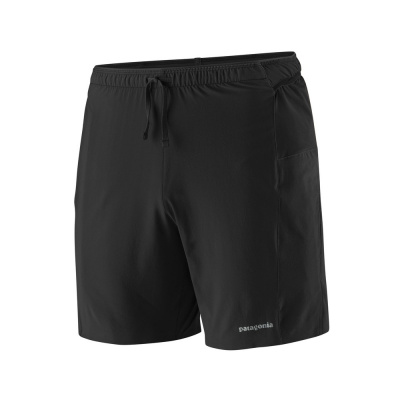
Summer demands lightweight, bonded-seam construction. The Strider Pro shorts use a 3.5-inch inseam with laser-cut ventilation and a DWR finish that shrugs off light rain without adding weight. Pair them with a Capilene Cool Daily shirt and you're sorted for anything from parkrun efforts to long trail days in the Brecon Beacons. The MiDori bioSoft treatment - a plant seed oil-based fabric softener - keeps the wicking properties intact wash after wash, so performance doesn't degrade after a season of muddy outings.
Winter flips the script. Storm Racer shells bring full H2No protection with articulated hoods and dropped hems that cover your lower back when you're bent into a headwind. Thermal tights use brushed Capilene with strategically placed windproof panels on the quads and shins, and reflective details matter when daylight runs short. A Patagonia gilet slots between base and shell for core warmth without arm restriction, useful for those in-between days when full insulation is too much but a single layer isn't enough. Alpine conditions? Add overtrousers with side zips for ventilation and you've got a system that handles sleet on Cairngorm ridges.
Why Repairability Matters for Trail Shorts
Yvon Chouinard's pivot from pitons to clean climbing in the 1970s set the template: build gear that lasts, then back it with a guarantee that means something. The Ironclad Guarantee covers manufacturing defects for the life of the product, but more importantly, Patagonia's Worn Wear programme repairs high-wear items like trail shorts and regular shorts for a fraction of replacement cost. Ripped seam from a bramble snag? Patched. Blown-out crotch after a thousand miles? Reinforced. It's a practical approach that extends the usable life of kit that takes a hammering on technical descents and scrambles.
This ethos filters into material choices. NetPlus recycled nylon comes from fishing nets pulled out of oceans, spun into a fabric that's tougher than virgin nylon and just as weather-resistant. Fair Trade Certified sewn construction means the people stitching your shorts earn a living wage, and the premium Patagonia pays into community funds supports education and healthcare in factory towns. You're not paying extra for a feel-good sticker; you're funding a supply chain that doesn't rely on exploitation. Is Patagonia clothing good for running? Absolutely, especially for trail and ultra-distances where durability and weather resistance count more than shaving grams. The use of Capilene for moisture management and ripstop nylon for shells delivers performance that holds up across seasons and disciplines, from Surrey Hills singletrack to Scottish winter slogs.
Do Patagonia running shorts have liners? Most technical models - Strider Pro, Nine Trails - feature built-in boxer-brief liners treated with HeiQ Pure odor control, which uses silver-salt chemistry to suppress bacterial growth without washing out. Casual crossover models like the Baggies come with mesh liners better suited to swimming or casual wear than long-distance running, so check the spec before you buy. What's the difference between Capilene Cool Daily and Lightweight? Cool Daily offers a stretchier, more versatile fabric with UPF protection for mixed-use days and moderate heat. Cool Lightweight is the thinnest, fastest-drying option, engineered specifically for maximum breathability during intense exertion in hot conditions - think fell races in July, not spring trail plods.