
Passport Saddles
Passport Saddles sit in a part of the market that UK riders genuinely need: practical, durable, and comfortable enough for long days without asking you to spend serious money. Whether you're grinding through a wet commute across town or loading up for a multi-day tour through the Cairngorms, a saddle that gets the basics right matters more than most riders realise until they get it wrong.
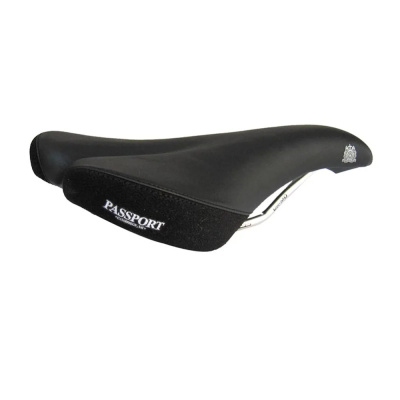
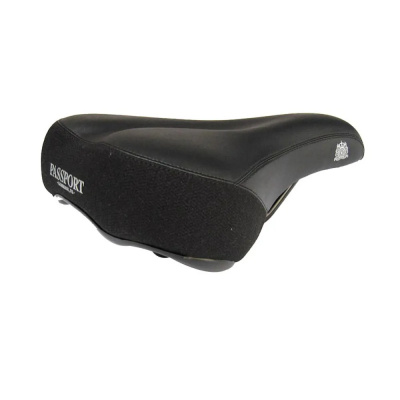
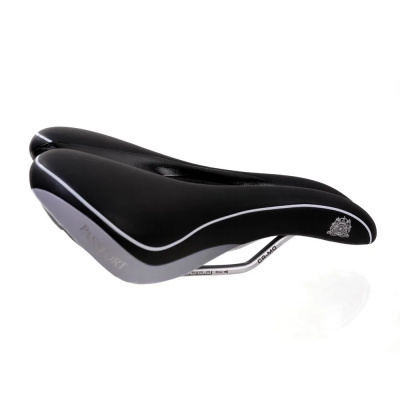
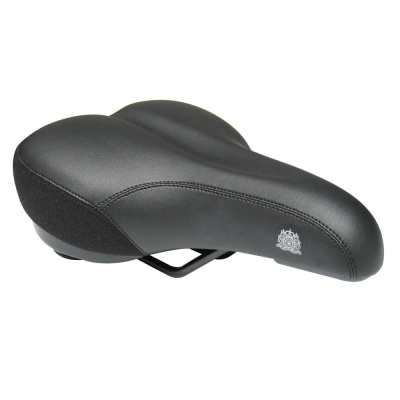
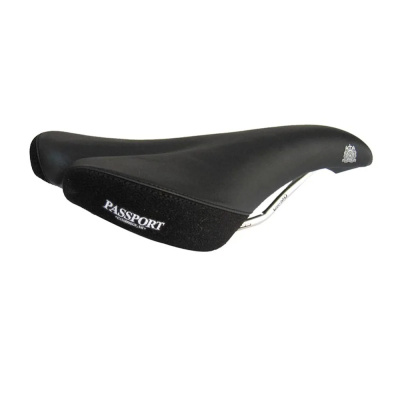
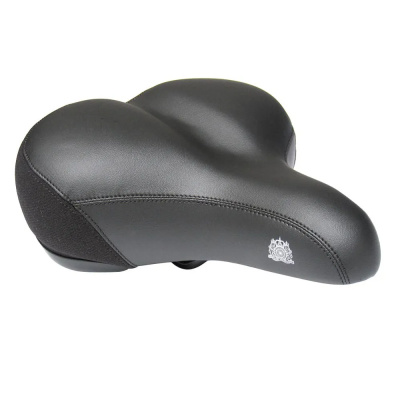
Passport bike seats are built around high-density vibration-damping foam that absorbs the low-frequency buzz of patchy tarmac without going so soft that it collapses under load. Anatomical pressure relief channels run along the centreline to reduce soft tissue pressure on longer efforts, while synthetic all-weather covers won't drink in rain the way natural materials do. Scuff-resistant side bumpers add a layer of practical thinking that's easy to overlook until you've leaned a saddle against one too many brick walls.
The range covers urban commuting shapes and longer-distance touring profiles, so there's a fit for most riders. Browse the full Passport saddles UK selection below and use Bikesy to compare current prices across stockists in one place.
Prices and availability can change quickly. Delivery charges are not always included in listed prices.
Final price, stock status and delivery terms are set by retailer. We may receive a commission on purchases made.
Fitting Your Passport Saddle: Rails, Clamps, and Sit Bone Width
Every saddle in the Passport range uses a standard 7x7mm rail specification - steel on the entry-level models, chromoly on the better-specified touring options. That format is compatible with virtually every two-bolt seatpost on the market, and most single-bolt designs too, so you're unlikely to hit a fitment problem whether you're running a cheap alloy post or something more refined.
Rail material is worth a thought. Standard steel rails are heavier and stiffer, which is fine for short commutes but can transmit more road buzz over long days. Chromoly rails flex very slightly under load, which takes the edge off rougher surfaces - a meaningful difference on a loaded touring bike bouncing across British B-roads.
Getting the width right is the other critical variable. Measure your sit bone width - most good bike shops can do this with a foam pad or pressure-mapping mat - and add roughly 10 - 20mm either side for adequate support. A saddle that's too narrow shifts pressure onto soft tissue rather than bone, which is uncomfortable quickly. Go too wide and the inner edges catch your thighs on every pedal stroke, which becomes genuinely irritating over distance. Passport's commuting saddles tend to run wider to suit a more upright riding position; the touring shapes are trimmer across the nose to prevent inner-thigh chafing on longer pedalling days.
Need to secure your new saddle to your frame? Head over to our dedicated Seat Clamps page to find the correct diameter for your bike.
Commuting Shapes vs. Touring Profiles: Which Passport Suits You?
Passport's range splits fairly cleanly into two camps, and choosing between them is mostly about how you sit on the bike.
Urban and commuting saddles are wider across the rear, with thicker padding and a shorter nose. That shape suits riders who sit fairly upright - think flat bars, relaxed geometry, stop-start city riding. The extra padding works well here because you're not sustaining the same consistent pedalling load as a touring rider; you're sitting more heavily on the saddle between traffic lights and junctions.
The touring and Ergon-comparable longer-distance profiles are a different proposition. Firmer high-density foam is a deliberate choice rather than a cost-cut - softer padding compresses and bottoms out over a long day in the saddle, effectively removing the support it was supposed to provide. The pronounced pressure relief channel matters more here too, keeping centralised pressure off the perineal area across hours of riding rather than minutes. The narrower nose on these saddles reduces inner-thigh contact during an efficient pedalling stroke, which is the kind of detail that separates a four-hour saddle from a four-day one.
Stepping up the range typically upgrades you from standard steel to chromoly rails, which is a worthwhile trade if you're planning loaded touring. Compared to something like Brooks Saddles, Passport keeps the price accessible while offering a synthetic cover that needs zero maintenance - no dubbin, no proofing, no leaving it under cover every time the weather turns.
Handling UK Conditions: Wet, Gritty, and Relentless
British weather doesn't care about your ride plans. The synthetic all-weather covers on Passport saddles are non-absorbent - wipe them down after a soaking and you're ready to go again. That's not a minor point. A leather saddle left wet repeatedly will soften, distort, and eventually lose its shape. The Passport cover doesn't have that problem, which makes it a straightforward choice for anyone commuting year-round through anything the forecast throws at them.
Road grit is the other hidden enemy. Fine abrasive debris works its way into every surface over time, and saddle sides take a particular beating from leaning against walls, railings, and bike-rack uprights. The scuff-resistant side bumpers on Passport saddles are there to absorb that punishment rather than let it reach the foam or stitching underneath. It's a small feature that extends the saddle's working life noticeably.
For comparison, Fabric Saddles and Madison Saddles offer similar synthetic-cover durability at comparable price points, but Passport's scuff protection is a practical differentiator for urban use specifically.
Upgrading your contact points properly means thinking beyond just the saddle. If you're rethinking comfort for commuting or touring, matching your seat with new Grips and Pedals makes a bigger cumulative difference than any single change. And if you need waterproof storage underneath your new seat, our Saddle Bags collection covers dry-bag and roll-top options to suit most setups.
Passport Saddles FAQs
How do I choose the right saddle width for touring?
Match your sit bone width and add 10 - 20mm either side. Too narrow and pressure moves off bone onto soft tissue, which hurts fast. Too wide and the edges catch your inner thighs on every stroke - fine for five minutes, not for five hours. Most bike shops can measure your sit bones in under two minutes.
Are Passport saddles waterproof?
The synthetic covers used across the Passport range are weather-resistant and non-absorbent, so water sits on the surface rather than soaking in. After a proper UK downpour, wipe it dry and ride. No proofing, no drying out, no drama.
How do I adjust my saddle angle for commuting?
Start level - use a spirit level or a phone app across the saddle top. If you're getting soft tissue pressure, drop the nose one or two degrees at most. Tilt it further and you'll slide forward onto your hands, which shifts the problem rather than fixing it. Small adjustments, then ride and reassess.