
Oxford Socks
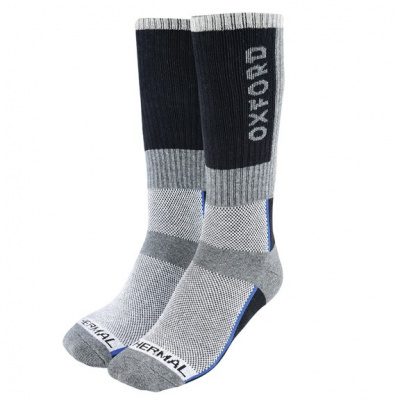
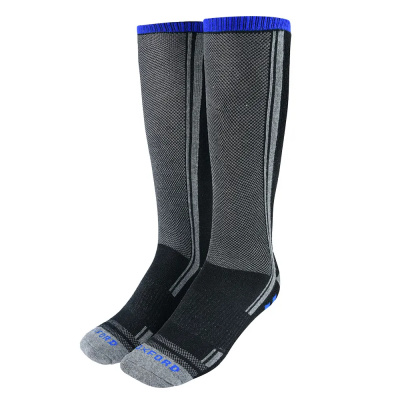
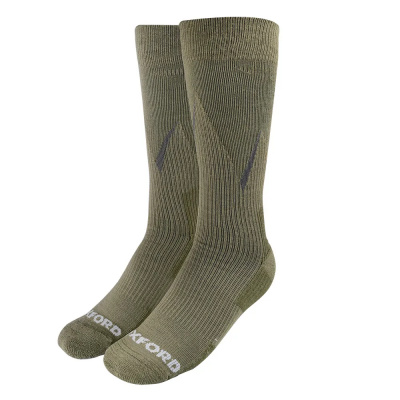
Oxford cycling socks cover a lot of ground - from grimy winter commutes to humid summer climbs - and they do it without drama or inflated price tags. Oxford has spent years producing robust cycling gear that holds up in proper British conditions, and the sock range reflects that same no-nonsense ethos. Whether you're clipping in for a weekday commute through persistent drizzle or heading out for a long gravel loop where the weather will do whatever it likes, there's an Oxford sock engineered for the job.
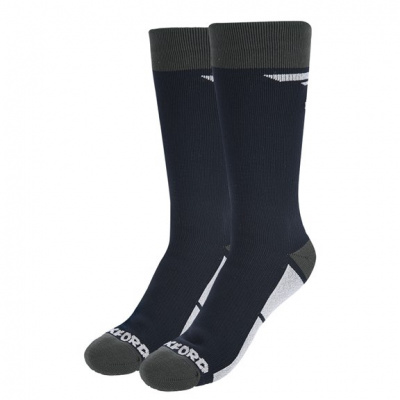
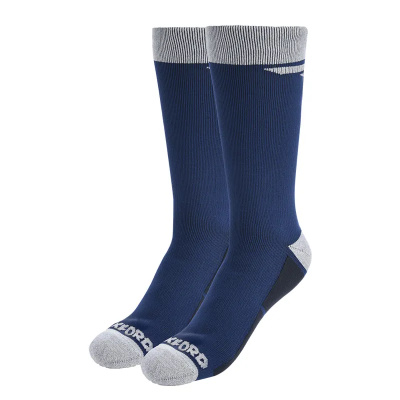
The range spans three-layer waterproof construction for the worst of winter, Merino wool blends that keep your feet warm even when things get damp, and lightweight Coolmax yarns for when it's actually warm enough to go sleeveless. Across the board, you'll find targeted arch support and seamless toe boxes - details that matter once you've spent three hours with a bunched sock grinding against the inside of a tight cycling shoe. These aren't afterthought accessories. Oxford has thought about fit, durability, and the specific misery of cold, wet feet on a November morning, and built a sock range that addresses all of it sensibly.
Prices and availability can change quickly. Delivery charges are not always included in listed prices.
Final price, stock status and delivery terms are set by retailer. We may receive a commission on purchases made.
Fabric Tech and Weather Performance
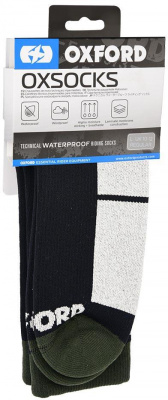
Oxford waterproof cycling socks use a three-layer construction built around a hydrophilic membrane - that's the bit that blocks rain coming in while still allowing sweat vapour to push out. It's the same basic principle you'll find in high-end waterproof jackets, scaled down to sock form. So yes, Oxford waterproof socks are genuinely breathable, though because of that internal membrane layer they'll sit slightly thicker and run a little warmer than a standard summer sock. That's a fair trade-off when you're grinding through a wet Peak District road loop and everyone else's feet have gone numb.
At the other end of the range, the Merino wool blend options handle cold, damp UK winter riding particularly well. Merino's natural thermoregulation means the fibres retain heat even when wet - useful when you're working hard on a climb and then immediately exposed to wind on the descent. It's not a magic trick, but it does mean your feet stay in a more stable temperature range than a standard synthetic sock would manage. For summer riding - think humid Surrey Hills days where your feet build up heat fast - Oxford's Coolmax technology does the moisture-wicking work, pulling sweat away from the skin to reduce hot spots and the kind of blisters that ruin a good ride.
If you're weighing up alternatives, Dexshell socks and Endura socks operate in the same waterproof and Merino space, though Oxford typically sits at a more accessible price point for equivalent membrane tech.
Fit Profile and Choosing the Right Oxford Sock
Oxford socks generally run true to standard UK shoe sizes, and the fit is on the snug, compressive side - intentionally so. The arch support is targeted rather than generalised, meaning it's placed where cycling-specific load actually sits, not just copied from a running sock template. The seamless toe box matters more than it sounds: in a stiff-soled cycling shoe, any seam that ends up under your toes will announce itself loudly after about forty minutes. Oxford's construction avoids that.
The range breaks down by height and weight. Ankle-length options suit commuters who want minimal bulk and easy layering with casual footwear or short overshoes. The mid-calf crew cut is the road and gravel rider's default - enough coverage to work under a standard overshoe or tall cycling boot without bunching. The thicker winter profiles add insulation but do take up more volume inside your shoe. Worth loosening your BOA dials or laces half a turn before you commit to a long ride - a slightly tighter shoe than usual will compress blood flow and make cold feet worse, not better. If you're between sizes, size down rather than up so the heel cup and arch support land in exactly the right place.
GripGrab socks take a similar approach to sizing and arch support if you want a direct comparison before committing.
Care, Layering, and Getting the Most Out of Them
Pairing Oxford waterproof socks with Oxford waterproof jackets or a dedicated winter boot gives you a genuinely sealed system for deep winter riding. The socks will handle splash and sustained drizzle on their own, but if you're riding through standing water or heavy rain for hours, combining them with a neoprene overshoe adds meaningful extra protection without doubling up unnecessarily.
The Merino blend socks work well layered under a light overshoe on shoulder-season rides - September and October in Scotland, for instance, where the temperature varies wildly across a single ride. The natural fibre manages temperature shifts better than a straight synthetic would.
Washing matters here, particularly with the waterproof options. Turn them inside out, use a gentle 30°C cycle with a non-biological detergent, and skip the fabric softener - softener coats fibres and degrades the membrane's ability to pass vapour. Never tumble dry waterproof or Merino socks, and keep them off direct heat like a radiator. The membrane inside a waterproof sock is heat-sensitive; cook it once and the waterproofing is gone for good. Air dry flat or hanging, and they'll last considerably longer. The Merino blends will felt and shrink if you push the temperature, so the same 30°C rule applies.
Picking up a pair of Oxford cycling gloves alongside gives you a matched cold-weather system from a brand whose sizing and materials play well together - useful if you want consistency across what you're wearing on a January morning commute.
Oxford Socks FAQs
Are Oxford waterproof socks breathable?
They are. The three-layer construction uses a hydrophilic membrane that stops rain getting in while letting sweat vapour pass out. That said, the membrane adds thickness, so they'll feel warmer than a standard sock - which is exactly what you want in winter, less so in July.
How should I wash Oxford waterproof socks?
Turn them inside out and wash at 30°C on a gentle cycle with a non-bio detergent. No fabric softener - it'll clog the membrane. No tumble drying and no radiators either. Direct heat melts the internal membrane and kills the waterproofing. Air dry and they'll hold up well over time.
Do Oxford cycling socks run true to size?
Yes, they fit true to standard UK shoe sizes with a snug, compressive feel designed to prevent bunching inside cycling shoes. If you're between sizes, go down rather than up - the arch support and heel cup need to sit in the right place to work properly.