
Oxford Jackets
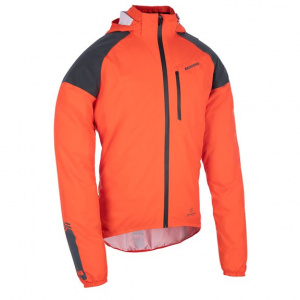
Oxford cycling jackets are built around a straightforward idea: keep you dry, keep you visible, and don't make you remortgage to manage it. That focus shows. Whether you're grinding through a dark November commute or caught out by a sudden squall on a Saturday loop, Oxford's range covers the bases that matter most to everyday UK riders.
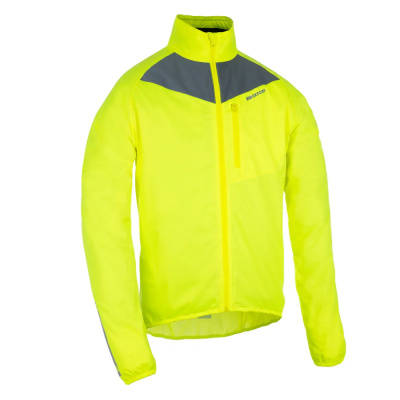
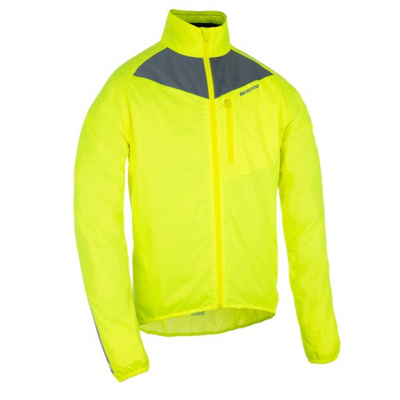
The Nightrider series is Oxford's answer to dark winter streets - 360-degree reflective panels that mean drivers actually see you, not just a vague shape at the edge of their headlights. For riders who want a packable emergency layer that lives in a jersey pocket until the sky turns grey, the Rainseal technology shells are hard to argue with: taped seams, a reliable DWR coating, and enough packability to forget they're there until you need them.
Oxford sits closer to the commuter and touring end of the market than the race-weight, marginal-gains end. The fit reflects that - relaxed, practical, designed for real riding in real clothes. If you're comparing Oxford to the likes of Altura jackets or Endura jackets, you're looking at a brand that trades aero precision for all-day wearability and honest weather protection.
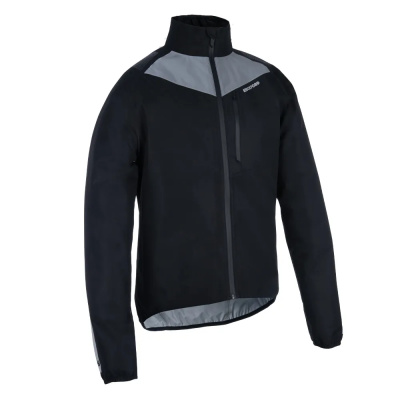
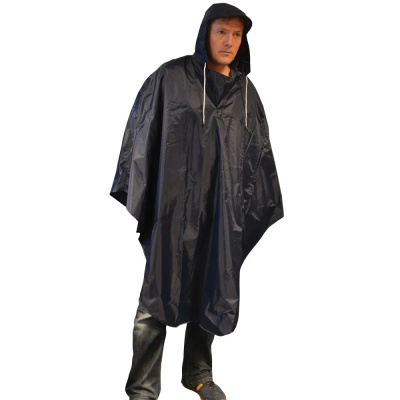
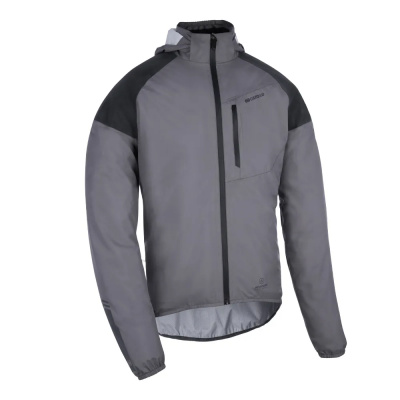
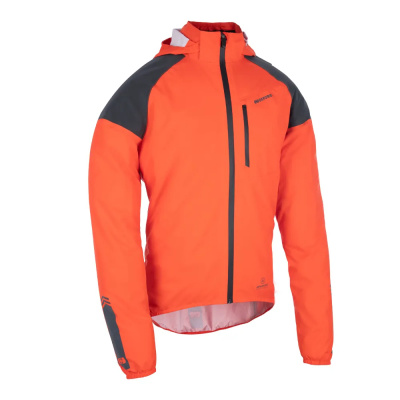
Prices and availability can change quickly. Delivery charges are not always included in listed prices.
Final price, stock status and delivery terms are set by retailer. We may receive a commission on purchases made.
Fabric Tech and Weather Performance
Oxford's waterproofing story centres on Rainseal technology - a system that combines a durable outer face fabric, fully taped seams, and a DWR coating to block heavy rain rather than just deflect a light drizzle. Taped seams matter more than most people realise. Without them, water finds the needle holes left by stitching and wicks straight through; with them, you get a genuinely sealed barrier across the jacket's construction. On a sustained Welsh coastal ride where the rain comes sideways for two hours, that difference is felt immediately.
Breathability is the harder side of the equation, and Oxford handles it practically rather than with headline-grabbing ratings. Rear exhaust vents allow warm, humid air to escape during harder efforts - think a loaded commute or a punchy climb - without compromising the jacket's weather resistance at the front where you need it most. Mesh linings in some models add a further buffer, keeping the outer shell from sticking directly to your mid-layer and trapping heat. It's not a technical softshell that breathes like a summer gilet, but it prevents that suffocating, trapped-heat feeling on humid UK mornings where the temperature sits at eight degrees but the air is thick with moisture.
Windproofing is another practical win. Oxford's heavier commuter jackets cut biting headwinds effectively - the kind that funnel down exposed urban roads in January or roll across moorland with no shelter. The windproof construction works alongside the waterproof layer rather than as a compromise between the two, so you're not choosing one over the other depending on the day.
Understanding the Oxford Fit and Range
Oxford jackets run with a relaxed, commuter-friendly cut. That's a deliberate choice, not a shortcoming. The fit is designed to sit comfortably over a thick base layer or everyday workwear without pulling across the shoulders or riding up at the back. If you're used to a close-fitting race jacket from a brand like dhb, the difference is noticeable - Oxford gives you room to move and layer rather than a second-skin aerodynamic profile.
Sizing tends to run generously. If you're between sizes and plan to ride in a single thin layer, sizing down will give you a tidier fit and reduce excess fabric flapping at pace. If you're building a winter layering system with a heavier mid-layer underneath, staying true to size or even sizing up gives you the freedom of movement that makes a long commute or a cold weekend ride more comfortable.
The range splits broadly into two camps. The Nightrider series is Oxford's flagship for urban riding - built around reflective detailing that wraps 360 degrees around the jacket so you're visible from every angle, not just head-on. Adjustable cuffs and collars let you seal out cold air and rain without fussing with gloves off at traffic lights. For riders who want something lighter and more packable - a jacket that compresses small enough to stuff into a back pocket before a chain café stop - Oxford's Rainseal shells fill that gap without the bulk of a full commuter jacket. Check the specific model's hydrostatic head rating if sustained waterproofing matters; not every Oxford jacket in the range uses the full Rainseal construction.
Pair your jacket with Oxford gloves and Oxford socks to keep the system consistent - there's no point in a fully sealed jacket if your hands and feet are soaked by the first roundabout.
Layering and Care for UK Riding
Getting the most from an Oxford jacket is as much about what goes underneath as the jacket itself. A moisture-wicking base layer is non-negotiable - cotton holds sweat against your skin and undermines the jacket's breathability rating from the inside out. A synthetic or merino base layer pulls moisture away and lets the jacket's rear exhaust vents do their job. On milder, wetter days, that two-layer setup is often all you need. Drop below five degrees and a lightweight insulating mid-layer between the base and the jacket keeps warmth consistent without bulk.
If you're commuting with kit, Oxford pannier bags are worth pairing with the jacket - keeping your load off your back means less sweat build-up under the jacket during stop-start urban riding.
Washing waterproof jackets correctly is something a lot of riders get wrong, and it shortens the jacket's effective life significantly. Biological detergents and fabric softeners strip the DWR coating and degrade the reflective detailing on the Nightrider panels. Wash at 30 degrees using a dedicated tech-wash - brands like Nikwax or Grangers are widely available and formulated specifically for this. Air dry naturally rather than tumble drying; heat degrades both the DWR treatment and the taped seam adhesive over time. If the jacket starts beading water less effectively after washing, a DWR re-treatment spray restores the repellency without needing a new jacket. Keep the jacket clean after muddy rides using Oxford's own cleaning kit rather than leaving road grime to work into the fabric between washes.
Oxford Jackets FAQs
Are Oxford cycling jackets fully waterproof?
Models built with Oxford's Rainseal technology and fully taped seams are fully waterproof and designed to handle sustained heavy rain. That said, not every jacket in the Oxford range uses the full Rainseal construction, so it's worth checking the specific model's hydrostatic head rating before you buy if you're planning to ride through prolonged downpours.
How do Oxford cycling jackets fit?
Oxford jackets are cut on a relaxed, commuter-friendly last - there's room for a thick base layer or everyday clothing underneath without pulling across the shoulders. If you're after a flap-free, close fit for faster road riding, sizing down is worth considering. They're not tailored for an aggressive riding position.
How do I wash an Oxford waterproof cycling jacket?
Wash at 30 degrees using a tech-wash or non-biological detergent - biological detergents and fabric softeners strip the DWR coating and damage reflective panels. Never tumble dry; air dry naturally to protect both the taped seams and the waterproof membrane. If water stops beading on the surface, a DWR re-treatment spray brings the repellency back without replacing the jacket.