
Oxford Gloves
Oxford cycling gloves are built around a simple premise: UK weather is awkward, and your hands shouldn't pay the price for it. Whether you're grinding out a January commute through sleet, running a wet gravel loop in the Peaks, or just after a breathable fingerless mitt for summer sportives, Oxford's range covers the full calendar without asking you to spend big to do it.
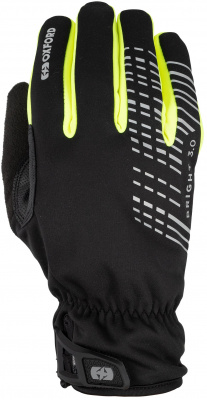
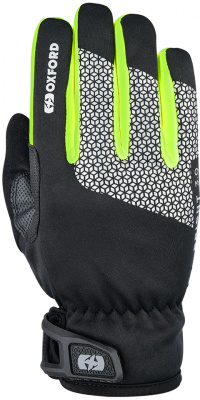
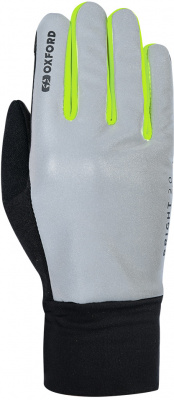
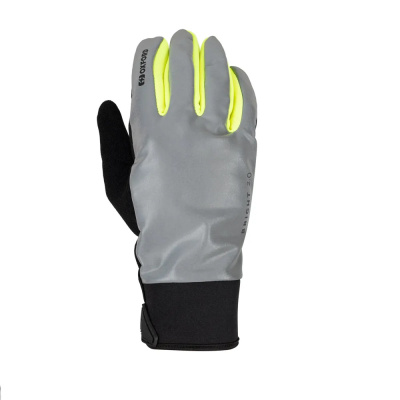
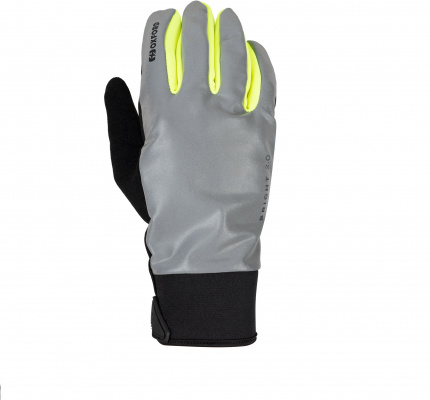
The headline tech is the Dry2Dry™ waterproof and breathable membrane, which keeps rain out without turning your hands into a sauna on long climbs. Pair that with Amara synthetic suede palms - tough, grippy, and far more resistant to wet-weather wear than standard leather - and you've got gloves that are genuinely built to last through daily use. Targeted gel padding takes the edge off road buzz and rough surfaces, while touchscreen-compatible conductive fingertips mean you're not pulling gloves off every time you need to check your route. Reflective detailing rounds things out for low-light visibility on dark winter mornings. Practical, durable, and priced for riders who ride every day rather than just at weekends.
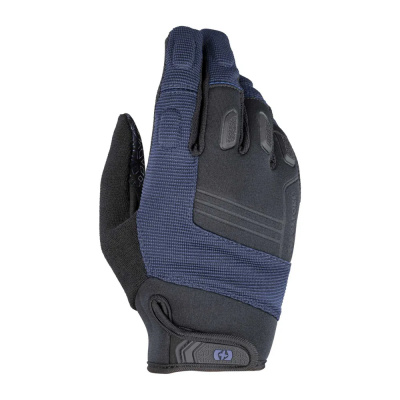
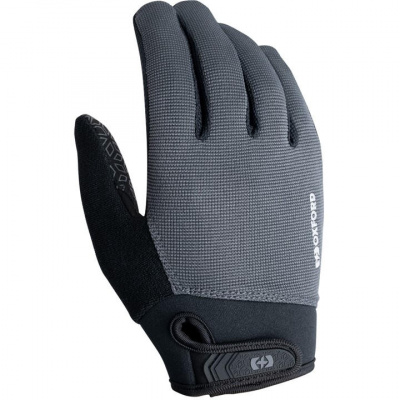
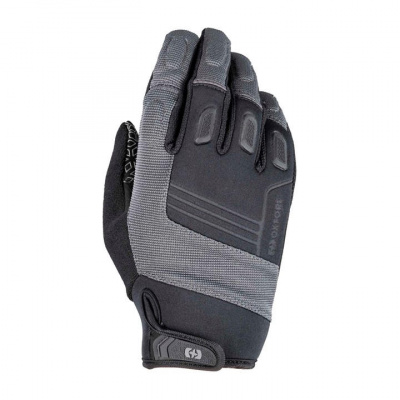
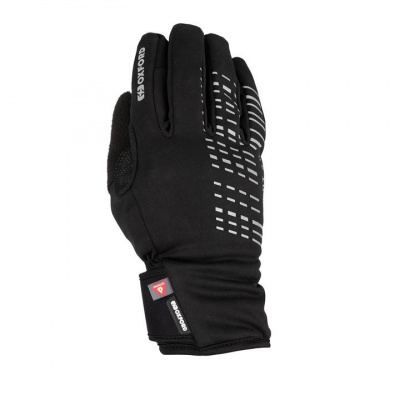
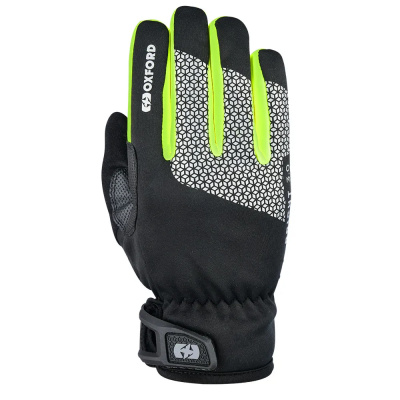
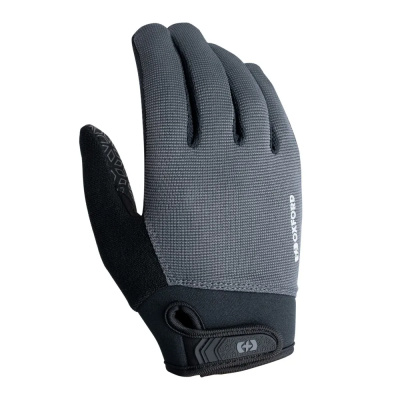
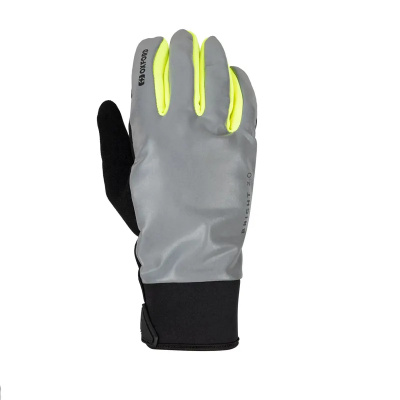
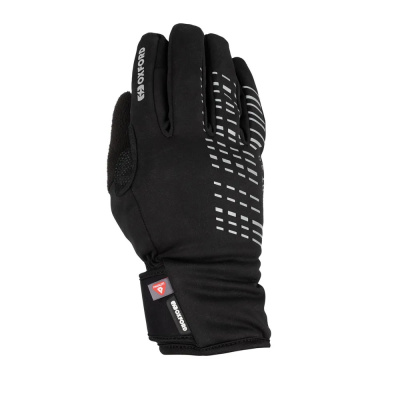
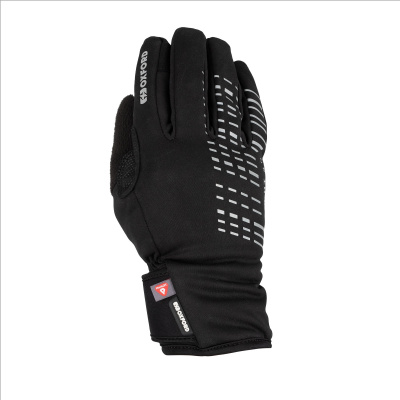
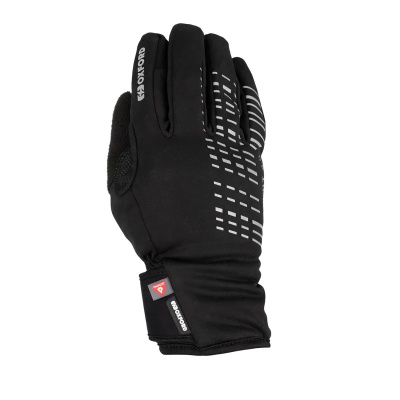
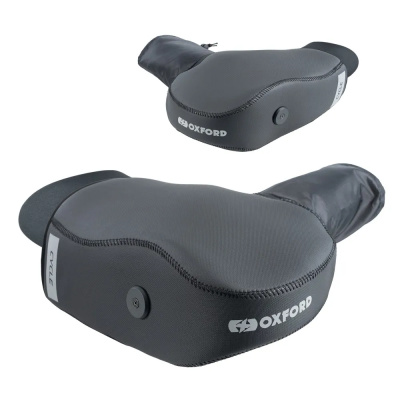
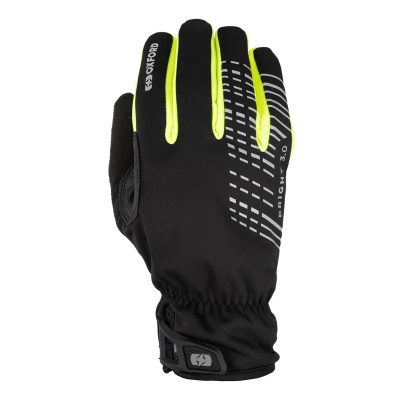
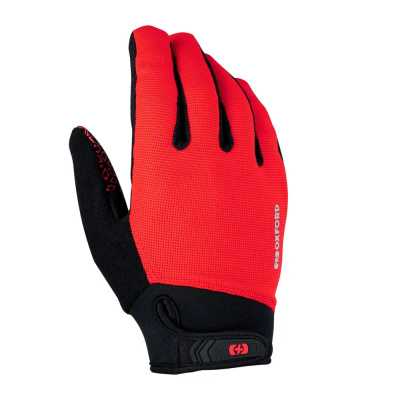
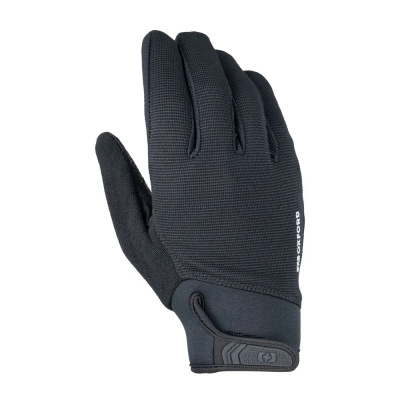
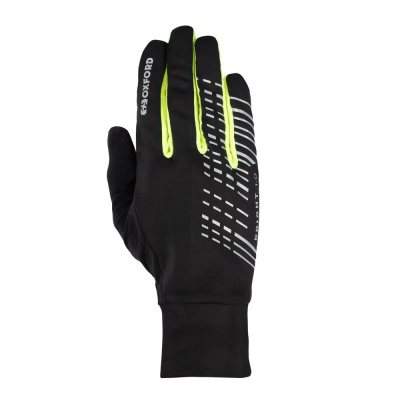
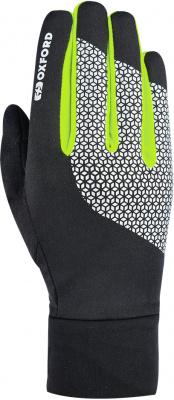
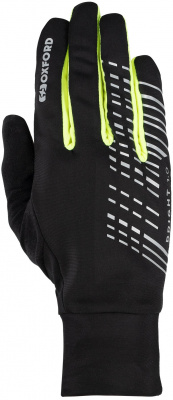
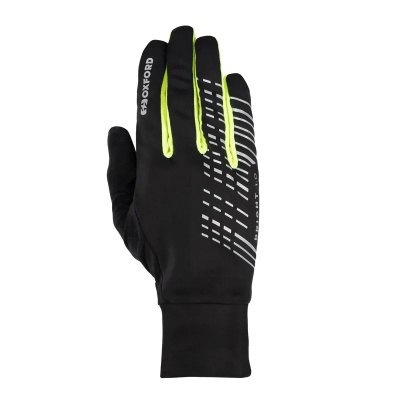
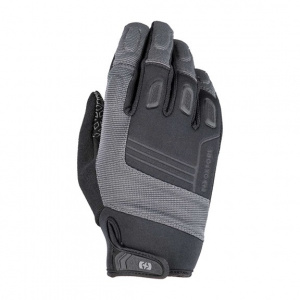
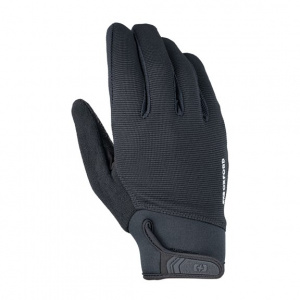
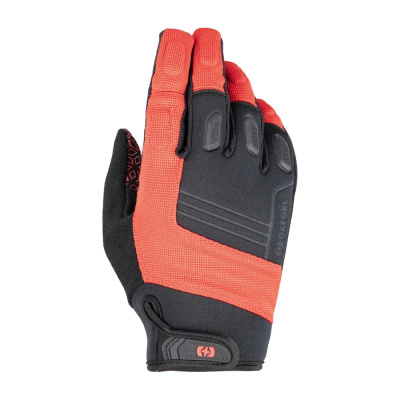
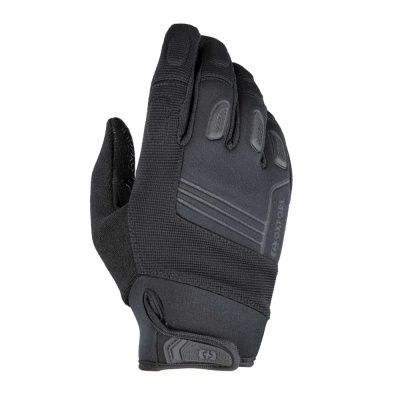
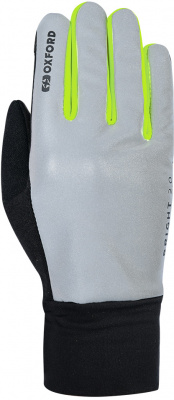
Prices and availability can change quickly. Delivery charges are not always included in listed prices.
Final price, stock status and delivery terms are set by retailer. We may receive a commission on purchases made.
Beating the UK Elements: How Oxford's Fabric Tech Works
The Dry2Dry™ membrane is the core of Oxford's weather protection story - a waterproof and breathable laminate that blocks rain while letting moisture vapour escape. That breathability matters more than it might seem. A glove that's fully waterproof but traps heat will leave your hands clammy and cold within twenty minutes of a hard push, which is its own kind of miserable. The Dry2Dry construction sits between the outer shell and the lining, so water can't drive through under pressure while sweat vapour migrates out. On a damp but mild autumn ride - the kind of day the South Downs specialises in - that balance keeps your hands comfortable well beyond the point where cheaper gloves give up.
The Amara synthetic palm is worth understanding properly. It's a textured, suede-like material that grips bar tape and rubber well even when wet, and it wears far more evenly than natural leather, which can go hard and crack with repeated soaking and drying. On Oxford's deep-winter commuter models, thermal fleece linings and windproof outer fabrics work together to cut wind chill - the kind you get doing 20mph through an exposed town centre at 7am in February. That wind chill is often more punishing than the air temperature alone, and Oxford's heavier winter gloves address it directly without padding the glove out so much that you lose feel at the lever.
Finding Your Fit Across the Oxford Range
Oxford's glove range isn't one-size-fits-all in approach. Their heavier Oxford winter cycling gloves use a slightly roomier fit - deliberately so, because a bit of trapped air between the lining and your hand adds meaningful warmth. It also means there's space to layer a thin merino liner underneath on genuinely sub-zero days without losing circulation. If you're between sizes or planning to run liners, go up. The fit is generous enough that sizing up won't leave you swimming in fabric, but it will give you that extra margin.
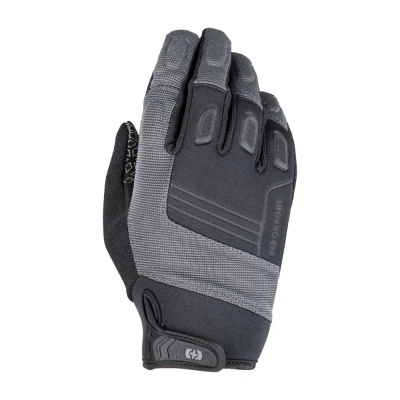
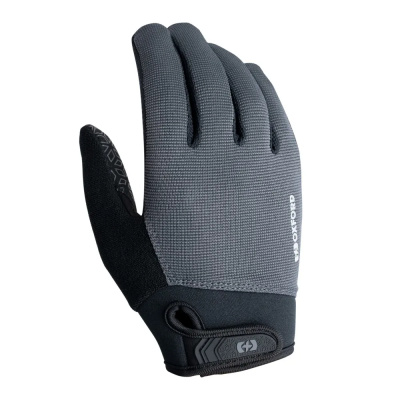
At the other end of the range, Oxford fingerless bike gloves and lighter full-finger road and gravel options run closer to hand size, with a snug hook and loop closure at the wrist to keep things tidy. These suit riders who want a bit of palm protection and grip without any thermal bulk - good for spring and autumn touring, or warmer commutes where you'd rather not arrive at the office with hands that have been cooking inside neoprene. The neoprene cuff on Oxford's waterproof models seals the wrist effectively and stays put under jacket sleeves, which matters when you're moving at pace in the rain.
If you're used to the snugger, performance-oriented fit of something like GripGrab gloves or the anatomical shaping of Endura gloves, Oxford's commuter-focused models will feel more relaxed. That's a trade-off worth knowing upfront - less precision wrap, but more comfort across a two-hour ride in the wet.
Layering, Care, and Getting the Most from Your Oxford Gloves
One thing that catches riders out on wet rides: always tuck your glove cuffs under your jacket sleeves, not over them. It sounds obvious, but pulling a glove cuff over a jacket sleeve creates a funnel - water runs down your arm and straight into the glove. Tuck the cuff under, and the sleeve sheds water away from your hand. On Oxford's waterproof models with longer neoprene cuffs, this is especially effective.
Pairing your gloves with a well-fitted Oxford jacket with cuffed sleeves makes this even easier to manage. It's also worth thinking about Oxford grips if you're finding vibration a persistent issue - the gel padding in the gloves does a solid job, but ergonomic grips and gel padding together make a real difference on longer rides over rough surfaces.
On care: avoid biological detergents and fabric softeners entirely. Both strip the DWR (durable water repellent) coating from the outer fabric, which means water starts to soak in rather than bead off - the membrane still works underneath, but a saturated outer shell loses its insulating air layer and becomes significantly colder. Wash in cold or lukewarm water with a non-bio liquid, and tumble dry on low or air dry flat. Reapplying a DWR spray every few washes keeps the outer performing as it should. The Amara palm will also last longer if you avoid wringing the gloves out - press water out gently instead.
Oxford winter cycling gloves and their waterproof commuter range sit in a competitive bracket alongside Altura gloves, which offer similar membrane technology and reflective features. Oxford tends to edge ahead on value for heavier daily-use riders, while Altura leans slightly more toward cycling-specific ergonomics. Neither is definitively better - it depends on how much of a premium you put on fit versus longevity. Rounding out your cold-weather kit with Oxford thermal socks makes sense if you're already finding the gloves work for your commute.
Oxford Gloves FAQs
Are Oxford cycling gloves true to size?
Generally yes - Oxford gloves fit true to size with a slightly relaxed, commuter-friendly profile. If you're between sizes or planning to wear a thin liner glove underneath on colder days, go up a size. The roomier fit on their winter models is intentional and accommodates layering without restricting circulation.
Are Oxford waterproof gloves suitable for freezing temperatures?
The models featuring Oxford's Dry2Dry™ membrane with thermal fleece linings handle sub-zero UK commutes well. They cut wind chill effectively and retain body heat without bulking out to the point where brake and lever feel becomes vague. For genuinely extreme cold, adding a thin merino liner inside the glove extends comfort further.
Can I use my phone with Oxford cycling gloves?
Most modern Oxford gloves include touchscreen-compatible conductive thread on the index finger and thumb, so quick screen checks are straightforward. That said, their heaviest deep-winter models sometimes sacrifice this feature in favour of maximum insulation - worth checking the individual product description before you buy if it's a priority.