
Oxford Road Wheels
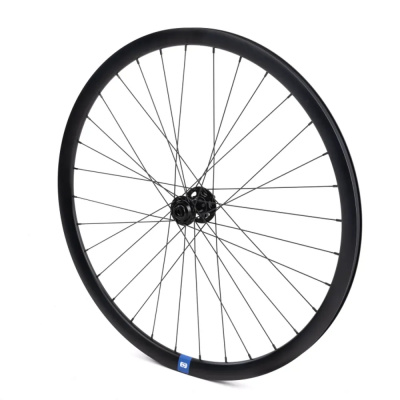
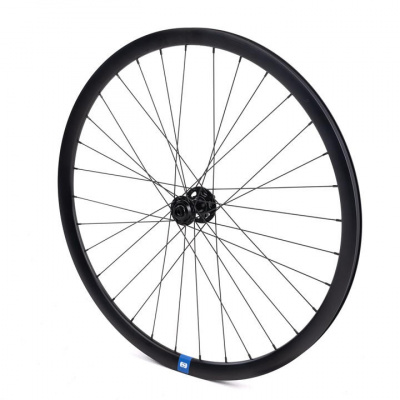
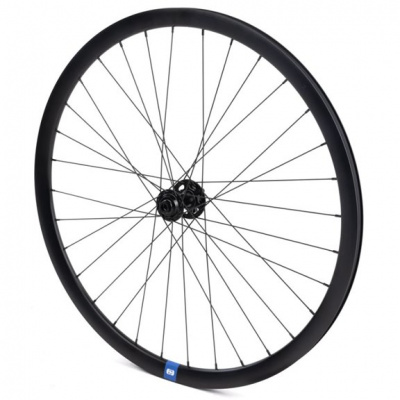
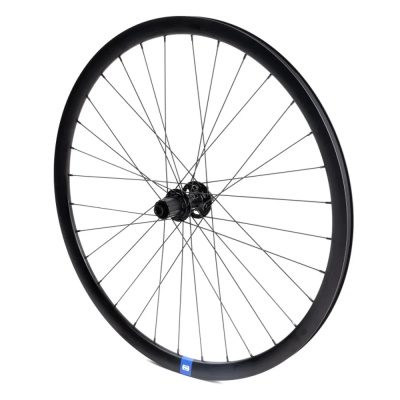
Oxford road wheels are the kind of no-nonsense replacement that gets your bike back rolling without a lengthy shopping odyssey or a mechanic's invoice that makes your eyes water. These 700c wheelsets are designed around one clear priority: staying functional on British roads, where potholes arrive unannounced and winter grit gets into everything. Forget marginal aero gains - what you actually need on a daily commuter or winter trainer is a wheel that absorbs a kerb strike, survives a salty January and can be fixed at your local shop with parts that cost pennies.
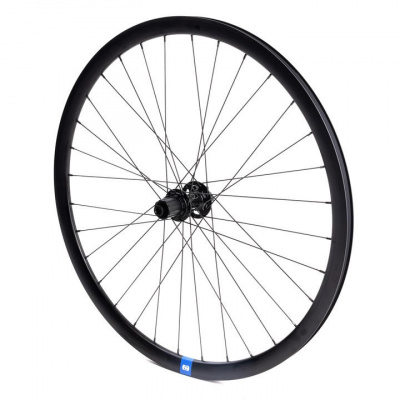
Oxford achieves that through double-wall alloy rims that take real-world impacts without folding, J-bend spokes that any mechanic can replace on the spot, and hubs that use widely available standards rather than proprietary parts nobody stocks. Whether you're running a rim-brake road bike that's been in the shed since last winter or setting up a disc-brake machine for year-round miles, there's an Oxford 700c option that fits without drama. These aren't wheels for a race podium. They're wheels that mean you're actually out riding rather than waiting on a warranty claim.
Prices and availability can change quickly. Delivery charges are not always included in listed prices.
Final price, stock status and delivery terms are set by retailer. We may receive a commission on purchases made.
Will Oxford Road Wheels Fit Your Bike?
Getting compatibility right before you buy saves a frustrating trip back to the packaging. Most Oxford rim-brake rear wheels run a 130mm quick-release axle spacing, which matches the vast majority of road frames built in the last three decades. Disc-brake versions typically come in 135mm quick-release or 142mm thru-axle - check your dropout spec before ordering, because mixing those up is a common mistake. Front wheels are usually 100mm QR across both rim and disc variants, so that's rarely the sticking point.
On the drivetrain side, Oxford rear wheels use a Shimano HG compatible steel freehub body, which is about as universal as it gets. That covers 8, 9, and 10-speed cassettes directly, and most 11-speed Shimano and SRAM road cassettes with a 1.85mm spacer where needed. If you're running an older groupset, you're almost certainly fine. Campagnolo users will need to look elsewhere - Oxford doesn't cater for that standard.
Tyre compatibility follows standard ETRTO clincher sizing. Internal rim widths on Oxford's alloy rims typically sit around 15 - 17mm, comfortably accommodating 700x25c through to 700x32c tyres. If you want to run something chunkier for rougher lanes, check the specific model's internal width and your frame's clearance - those two measurements matter more than any rule of thumb. Setting up a new wheelset? Make sure you've got the right Oxford rim tape in place before you seat the tyre, and if you're running discs, our Oxford rotors page covers compatible stopping options. After something other than 700c? Head over to the Oxford other wheels collection.
Picking the Right Wheel From the Oxford Range
Oxford keeps the range practical rather than sprawling, which actually makes the decision simpler. The first fork in the road is whether you need a front wheel, a rear wheel, or a complete wheelset - buying individually makes sense if only one wheel is damaged, and Oxford sells them that way, which not every brand bothers to do.
The more consequential choice is rim construction. Oxford offers some entry-level single-wall rims that are fine for very light recreational use on smooth surfaces, but if you're anywhere near UK roads in autumn or winter, step up to the double-wall alloy extrusion rims. The double-wall construction adds a second layer of material across the rim bed, which distributes pothole impacts rather than concentrating stress at one point. Think of it like the difference between a plywood shelf and a solid timber one - the double-wall version simply doesn't flex and buckle the same way when something sharp hits it.
Spoke count is another place where Oxford leans practical. Most of their road wheels come laced at 32h or 36h - higher than the 24h or 28h you'd see on a weight-weenie race wheel. More spokes mean more load paths, so the wheel stays true longer under real-world stress. That's particularly relevant if you're a heavier rider, if you commute with a pannier rack loaded up, or if you're doing any light touring. By comparison, a performance-focused brand like Mavic or Fulcrum will offer lower spoke counts optimised for stiffness-to-weight ratios, but those wheels cost significantly more and are harder to service when a spoke lets go mid-ride. Oxford's approach trades a few grams for genuine repairability. Whether that's the right call depends entirely on what you're using the bike for.
If you want something with slightly more servicing flexibility and a UK focus, Halo is worth a look as an alternative in a similar market position.
Keeping Oxford Wheels Running Through UK Winters
The three things that kill road wheels in Britain are pothole shock, road salt and wet-weather brake wear. Oxford's design choices address all three, but you still need to do your part.
On rim-brake bikes, keep a close eye on the brake track wear indicators - these are small grooves or dots machined into the alloy rim sidewall. When they disappear, the rim wall has thinned to the point where it can fail under braking pressure. Winter grit acts like grinding paste between your brake pad and the rim, so tracks that might last three summers can wear out in one hard winter. Check them monthly if you're riding in all weathers. Swapping to a slightly harder compound brake pad for winter reduces the abrasive effect without sacrificing stopping performance much.
Hub maintenance depends on which bearing system your specific Oxford wheel uses. Cup-and-cone hubs benefit from repacking with waterproof marine grease before the cold months set in - it's a thirty-minute job that adds months of smooth rolling. If yours run sealed cartridge bearings, check for play by holding the wheel stationary and rocking the rim side to side. Any lateral movement means the bearing is worn and needs replacing; cartridges are cheap and most shops carry them. Either way, a quick hub check in October is worth more than any post-winter repair bill.
The standardised J-bend spoke lacing pays off here too. If you clip a pothole hard enough to snap a spoke - and British B-roads will eventually find a way - any local bike shop can replace it on the same afternoon with a spoke from their workshop stock. Proprietary bladed spokes or exotic lacing patterns on premium wheels don't have that luxury. Oxford's conventional approach means downtime is measured in hours, not weeks waiting for parts. Keep a couple of spare spokes zip-tied to your frame if you're heading out for longer rides; it's the kind of thing you'll be glad of exactly once. Pair that preparation with a decent Oxford track pump to keep tyre pressures consistent - running too low accelerates rim strike damage - and a set of mudguards cuts down on the grit and water being constantly blasted at your brake tracks and hub bearings from below.
Oxford Road Wheels FAQs
Are Oxford wheels good for commuting?
Very much so. The double-wall alloy rims handle pothole impacts well, and the high spoke counts - typically 32h or 36h - keep the wheel true under the kind of loading that comes with a heavy commuter bag or rack. Standard components throughout mean your local shop can fix pretty much anything quickly and cheaply.
What freehub comes on Oxford road wheels?
Oxford rear road wheels use a Shimano HG compatible steel freehub body, which fits 8, 9, and 10-speed cassettes directly. Most 11-speed Shimano and SRAM road cassettes also work with a 1.85mm spacer. SRAM XD or Campagnolo cassettes aren't compatible - you'd need a different wheel for those.
Can I put wider tyres on Oxford 700c wheels?
Yes, within limits. Most Oxford 700c rims have an internal width of around 15 - 17mm, which safely accommodates tyres from 700x25c up to 700x32c. Go wider than that and you're beyond what the rim bed is designed to support evenly. Frame clearance is the other check - measure before you buy the tyre.