
Oxford Track Pumps
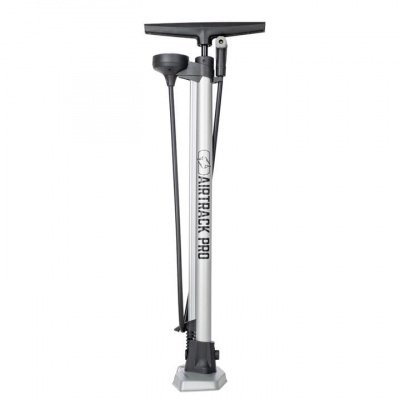
Oxford track pumps are the kind of workshop staple you reach for every single time you head out - no fuss, no faff, just consistent high-volume air delivery and a gauge you can actually read from standing height. Whether you're dialling in 100 PSI for a road bike before a damp Sunday morning loop or trying to snap a stubborn tubeless bead into place on a mountain bike, Oxford's floor pump range covers both jobs without drama.
The core appeal is straightforward: durable steel and alloy barrel construction that doesn't flex or creak under load, twin-valve smart heads that handle both Presta and Schrader valves without you fumbling with internal adaptors, and oversized analog gauges that give you a clear PSI and bar reading at a glance. That last point matters more than it sounds - squinting at a tiny dial in a cold, dim garage before a winter ride is nobody's idea of a good start.
Oxford also keeps the price honest. You're not paying a premium for badge appeal. What you do get is a range that scales sensibly from a reliable entry-level floor pump up to more capable models built for tubeless setups and high-pressure road tyres - a practical spread for riders who want the right tool without overthinking it.
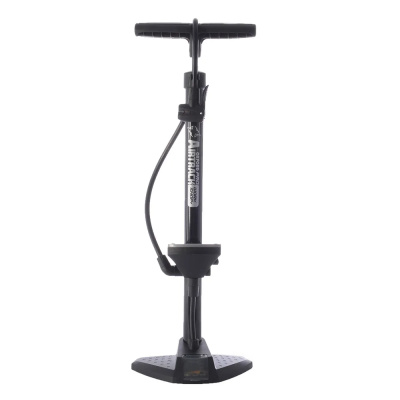
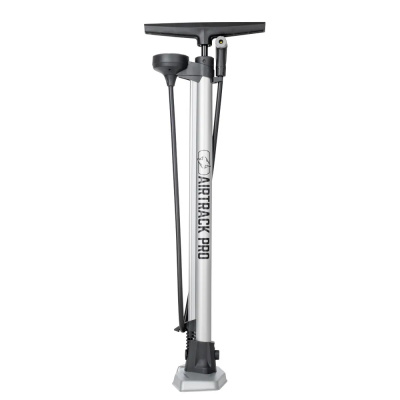
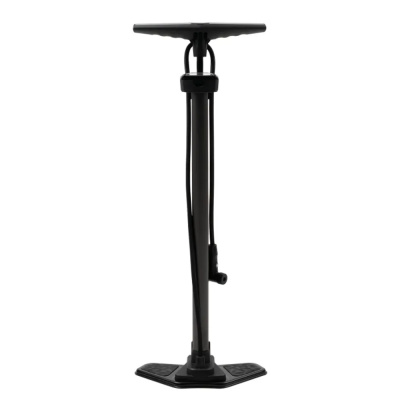
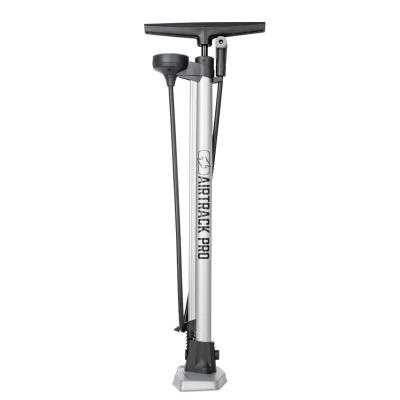
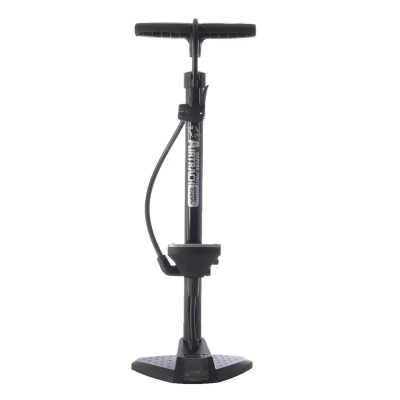
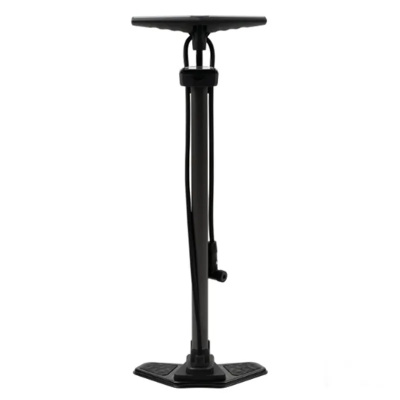
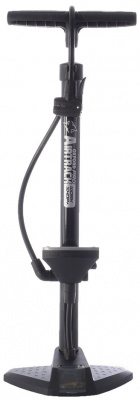
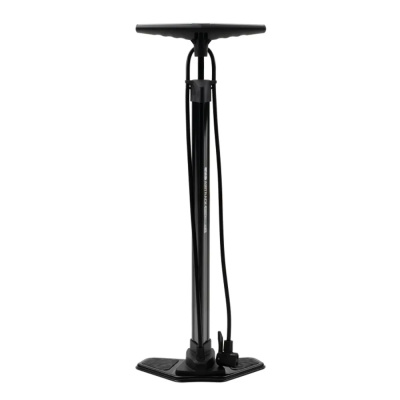
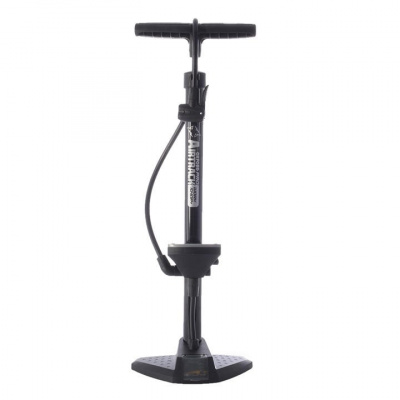
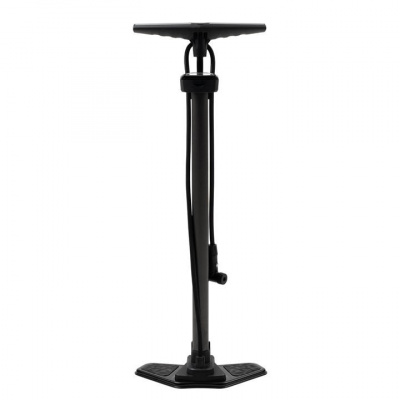
Prices and availability can change quickly. Delivery charges are not always included in listed prices.
Final price, stock status and delivery terms are set by retailer. We may receive a commission on purchases made.
Valve Compatibility and Pump Head Standards
Getting a good seal on the valve is where a lot of cheaper pumps quietly fail you. Oxford's twin-valve and AnyValve smart heads sidestep the problem neatly - the head automatically adapts to whichever valve you push it onto, Presta or Schrader, without requiring you to swap internal parts or dig out a separate adaptor. That matters when your hands are cold and you're in a hurry.
For Presta valves specifically, the process is worth doing right. Unscrew the small brass nut at the top of the valve a few turns - you'll hear a faint hiss confirming it's open - then push the pump head down firmly and flip the locking lever upright. A firm, straight-on push is key; tilting the head sideways while locking it down is the most common way to bend a Presta valve core, and that's an annoying problem to fix mid-week. On Schrader valves, the same lever-lock system applies, though the fit is more forgiving given the wider valve diameter and the O-ring seal that helps hold pressure automatically.
The twin-head design also reduces wear on the internal rubber O-ring because you're not constantly forcing the head into configurations it wasn't set for. When O-rings do eventually dry out - and they will - they're a standard consumable part, easy to source and simple to replace. If you need inflation on the go rather than in the workshop, Oxford mini pumps are worth a look for mid-ride punctures, and there are Oxford storage stands and hooks if you want to keep the garage organised around your pump setup.
Oxford Track Pump Hierarchy: Which Model Do You Need?
Oxford's floor pump range isn't huge, but it's structured sensibly. At the entry level, you're looking at composite and plastic barrel construction - lighter to carry around, adequate for regular road or hybrid tyre inflation, and perfectly capable of hitting the PSI figures most riders need day to day. The gauges on these models tend to be smaller, which is fine in good light but less useful when you're working in a poorly lit shed on a January morning.
Step up to the steel and alloy barrel models and the difference is tangible. The barrel doesn't flex under load, which means each stroke actually delivers the volume of air you intended rather than losing energy to the barrel walls distorting. At 100 PSI and above - where road bike tyres sit - that stiffness becomes genuinely useful. The base plates on the premium models are also more substantial, so the pump stays planted on the floor without you having to brace it with your foot on every stroke.
The bigger models also tend to include a bleed valve, which lets you release tiny amounts of air after pumping if you've slightly overshot your target pressure. Sounds minor, but it's the difference between spending two minutes pressing the tyre valve to bleed air out slowly or just tapping the bleed valve once. For tubeless setups specifically, the high-volume steel barrel design delivers the burst of air you need to seat a bead - cold weather makes tubeless tyre rubber stiffer and more resistant to seating, so a pump that maintains its output per stroke throughout the process is worth having. If you're weighing up alternatives, Topeak track pumps and Lezyne track pumps occupy a similar space at the upper end, though Oxford tends to undercut both on price for comparable barrel construction.
UK Garage Durability and Keeping Your Pump Working
A damp, unheated UK garage is not kind to cheap steel. If the barrel or base plate isn't treated or isn't alloy, surface rust starts appearing within a season - cosmetic at first, then genuinely damaging to the barrel's structural integrity over time. Oxford's alloy barrel models sidestep this entirely; alloy doesn't rust. On their steel-barrel pumps, the key is keeping the pump off a wet concrete floor - even a small wooden offcut under the base plate makes a meaningful difference over a winter.
The main plunger shaft benefits from a light application of silicone grease once a year. Don't use WD-40 or general-purpose oil - both degrade rubber seals quickly. Silicone grease keeps the stroke smooth, reduces wear on the shaft, and extends the life of the plunger seal significantly. A stiff or scratchy pump stroke is usually the first sign this needs doing rather than a sign the pump is worn out.
The rubber O-ring inside the pump head is the other consumable to watch. When it dries out, you'll notice air escaping around the valve connection during pumping rather than going into the tyre. The fix is straightforward: remove the pump head, ease out the old O-ring, and fit a replacement of the same diameter - these are widely available from hardware shops and online. Keeping a spare O-ring in your toolkit costs almost nothing and saves the frustration of a pump that's technically working but practically useless. For context, SKS track pumps use a similar serviceable head design, so the maintenance logic carries across brands. If you're building out the workshop side of your garage setup, Oxford mudguards round out the practical winter prep kit alongside the pump.
Oxford Track Pumps FAQs
How do I use an Oxford track pump on a Presta valve?
Unscrew the small brass nut at the top of the Presta valve a few turns until it moves freely - you should hear a brief hiss of air. Push the pump head straight down onto the valve and flip the locking lever upright to create an airtight seal. Pump normally. Pushing the head on at an angle risks bending the valve core, so keep it square.
Why is my track pump leaking air while pumping?
Two likely causes. First, check the locking lever is fully engaged - a half-latched lever won't seal properly. If the lever is locked and air is still escaping around the valve connection, the internal rubber O-ring in the pump head has dried out and lost its seal. Replace the O-ring with a matching-diameter part; it's a simple, cheap fix.
Can an Oxford track pump seat tubeless tyres?
Yes, the high-volume Oxford models can seat most tubeless tyres with a fast, vigorous pumping action. If the bead is being stubborn - common in cold weather when the rubber is less pliable - remove the valve core temporarily using a valve core tool. This allows the full volume of air to rush in at once, which is usually enough to snap the bead home.