
Oxford Gravel Wheels
Oxford gravel wheels sit in a part of the market that gets overlooked - practical, tough, and priced for riders who want to actually ride rather than agonise over gram counts. These wheelsets are built around double-wall alloy rims, sealed cartridge bearings, and sensible spoke counts: the kind of spec list that makes a mechanic nod rather than wince. For UK gravel riding - think potholed bridleways in the Peaks, winter lanes caked in grit, or a loaded bikepacking loop through the Borders - that focus on durability and repairability matters more than you might expect. A bent rim or a blown bearing miles from anywhere is a proper inconvenience; wheels you can actually fix or find parts for are a genuine advantage.
Oxford's gravel range covers both 700c and 650b diameters, with disc brake fitment across the board. Whether you're converting an older commuter into a weekend gravel machine or replacing a rim that took one pothole too many, there's likely a wheelset here that fits without drama. They won't trouble the weight-weenies, but they'll still be spinning reliably long after a more exotic set has developed a creak. Compare the best UK prices on Oxford 700c and 650b gravel wheelsets below.
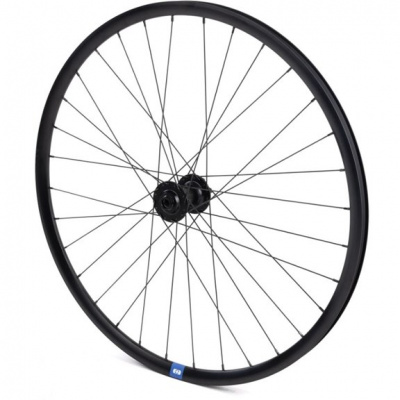
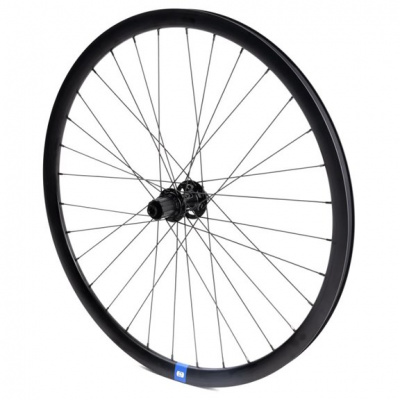
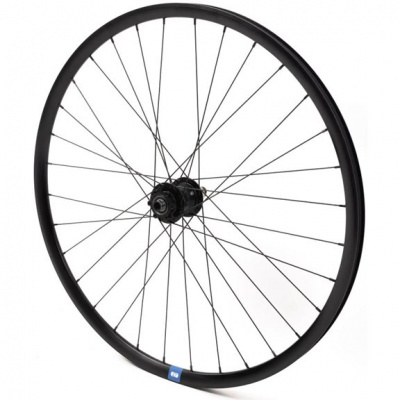
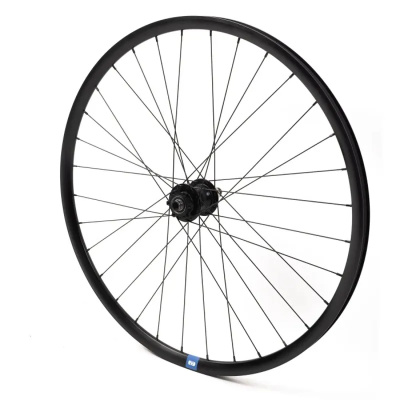
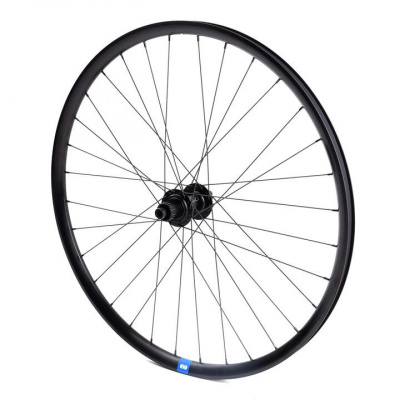
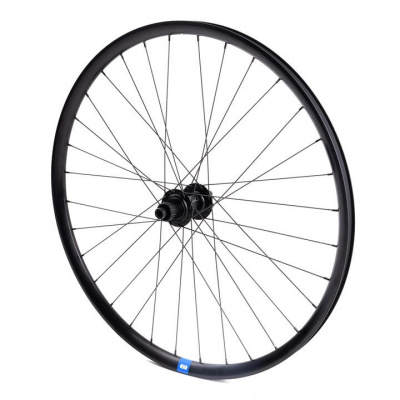
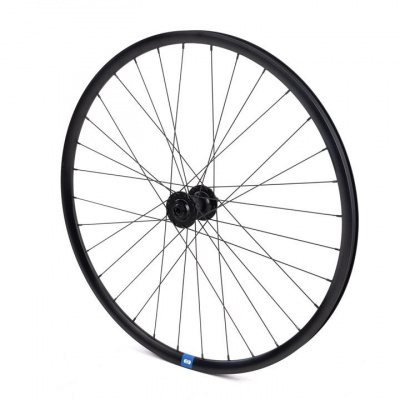
Prices and availability can change quickly. Delivery charges are not always included in listed prices.
Final price, stock status and delivery terms are set by retailer. We may receive a commission on purchases made.
Axle Standards, Rotor Mounts, and Getting the Fit Right
Before you click buy, get the fitment sorted - it's the kind of thing that catches people out. Most modern gravel frames use 12x100mm thru-axle spacing up front and 12x142mm at the rear. Oxford wheelsets are available in both thru-axle and traditional quick release (QR) formats, so check your frame and fork dropouts before committing. Thru-axles are stiffer through the head tube and rear triangle, which translates to more predictable handling on loose surfaces; QR is still perfectly capable on lighter gravel use but is increasingly rare on dedicated gravel builds.
On the disc brake side, you'll find Oxford wheels specced with either 6-bolt or Centerlock rotor mounts. Six-bolt is the more common standard and works with a wide range of rotors from Shimano, TRP, and others. Centerlock uses a splined interface and lockring - quicker to swap rotors, but you'll need the correct tool. Check which standard your existing rotors use before ordering. Freehub body compatibility is equally important: most Oxford gravel hubs use a Shimano HG-compatible body, which suits the vast majority of 8-to-11-speed cassettes. If you're running SRAM's 12-speed XDR system, confirm compatibility explicitly - XDR bodies have a different interface and aren't interchangeable. For hub internals, skewer specs, and axle adaptors in detail, the hubs and skewers categories will give you the granular information you need without the rabbit hole starting here.
Rim Profiles, Internal Widths, and Choosing Your Size
Oxford's wheel offering spans from commuter-crossover builds through to more dedicated gravel-oriented wheelsets, and the differences matter. The entry-level options tend to feature narrower internal rim widths - often around 17mm to 19mm - and pinned (rather than welded) rim joints. Pinned rims are joined mechanically at the splice; welded rims are fused, which gives a stronger, more uniform hoop. For occasional gravel use on smoother tracks, pinned rims are fine. For repeated hard use on rough bridleways, a welded rim holds its shape better under sustained lateral load.
The more gravel-focused Oxford wheelsets step up to internal rim widths in the 21mm to 25mm range, welded seams, and tubeless-ready profiles. Internal rim width is worth understanding properly: it dictates how your tyre sits and shapes. A wider internal width supports a rounder tyre profile, which improves cornering feel, reduces the risk of pinch flats, and helps the tyre shed mud more effectively - useful on a wet Welsh descent where the clay is doing its best to clog everything. On a 21mm internal rim, a 40c tyre will sit and perform notably differently than on a 17mm rim; the wider bed allows the tyre to inflate to its intended shape rather than being pinched into a more square profile.
Tyre sizing compatibility depends directly on that internal width. Oxford gravel rims in the 21 - 25mm internal range comfortably accommodate tyres from around 35c up to 50c, which covers most gravel and light bikepacking applications. If you're running 700c wheels, that range gets you into proper mixed-surface tyre territory. Drop to 650b and you can push wider still for the same overall diameter - useful if your fork has generous clearance and you want more volume underfoot for rougher going. Always cross-reference tyre width against your frame and fork clearance; what the rim can handle and what your bike can clear are two separate questions.
Tubeless-ready rims feature a shaped bead shelf and tighter tolerances that hold a tubeless tyre bead securely. Many Oxford gravel wheelsets now carry this profile. To complete a tubeless setup you'll need compatible tubeless tape, valves, and sealant - for the full setup process and the products to do it properly, the Oxford inner tubes page covers your tube-and-valve options if you'd rather run tubes for now, and there are dedicated tubeless kits listed elsewhere on Bikesy when you're ready to go that route.
If you're weighing Oxford against other wheelset brands at this price point, Halo gravel wheels are a natural comparison - similarly durability-focused, with a strong UK following. Mavic gravel wheels sit a step up in price but bring their own UST tubeless system and proprietary spoke design. And if budget allows, Hope gravel wheels are the go-to for UK-made quality with excellent bearing serviceability - a different proposition entirely, but worth knowing about when you're deciding where to put your money.
Keeping Oxford Wheels Running Through a UK Winter
The honest reality of gravel riding in the UK is that your wheels take a battering. Grit-laden winter lanes act like fine sandpaper on bearing seals; potholed bridleways in the Yorkshire Dales or the Shropshire hills can detension spokes faster than you'd expect. A few habits make a real difference to longevity.
Check spoke tension after the first 100 miles on a new wheelset - particularly if you've been riding rough gravel. Spokes bed in and settle, and catching a loose spoke early prevents the lateral movement that leads to a buckled rim. Oxford's J-bend spoke design is deliberately standard; when a spoke needs replacing, you can source replacements from any decent bike shop rather than waiting on proprietary parts. That's a genuine practical advantage when you're 40 miles from home and something goes wrong.
The sealed cartridge bearings are the wheels' main defence against UK winter muck, but they're not invincible. Avoid pointing a pressure washer directly at the hub flanges - it forces water and grit past the seals and accelerates bearing wear noticeably. A bucket, a brush, and something like the Oxford cleaning kit will shift trail mud without the damage. Spin the wheels and listen for any roughness in the hubs every few rides; a bearing that's starting to go will let you know before it fails completely. Replacement cartridge bearings are a standard size and widely available - another advantage of Oxford's no-frills engineering approach.
For truing and tensioning at home, a basic spoke key and a decent truing stand are worth having. The Oxford tools range covers the workshop basics. If you're heading out on a longer route - a loaded run through the Forest of Bowland, say - the Oxford frame bags are worth a look for carrying the small spares that make the difference between a minor inconvenience and a long walk. Compared to hand-built wheels from brands like DT Swiss, Oxford wheels won't offer the same degree of precision tensioning or the spoke replacement infrastructure - but they cost significantly less and ask only for basic, consistent maintenance in return.
Oxford Gravel Wheels FAQs
Are Oxford gravel wheels tubeless ready?
A number of Oxford's current gravel wheelsets feature tubeless-ready rim profiles with the correct bead shelf geometry to hold a tubeless tyre securely. You'll still need to fit tubeless tape, compatible valves, and sealant to complete the setup - the rim alone doesn't make it plug-and-play out of the box.
What is the maximum tyre width for Oxford gravel wheels?
It depends on the specific rim's internal width. Oxford gravel rims with 21mm to 25mm internal widths comfortably handle tyres from 35c up to around 50c. That said, your frame and fork clearance is the real limiting factor - always check both before committing to a wider tyre than you've run before.
Do Oxford gravel wheels use thru-axles or quick release?
Oxford offers both. Modern gravel-focused wheelsets typically come in 12x100mm front and 12x142mm rear thru-axle fitment; some crossover and commuter-oriented options still use traditional quick release. Check your frame and fork spec carefully - axle standards aren't interchangeable, and getting it wrong means the wheel simply won't fit.