
Oxford Frame Bags
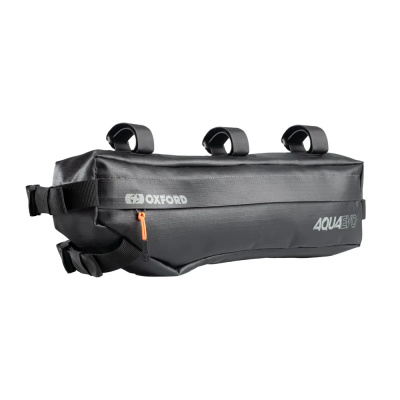
Oxford frame bags are one of the more sensible decisions you can make if you're loading up a bike for a multi-day route or just want somewhere to stash a tube and a multitool on the commute. Oxford's luggage range covers the full spread - half-frame bags for riders who still need bottle cage access, and larger full-triangle options when you're packing for a proper overnighter on the South Downs or a wet weekend in Galloway.
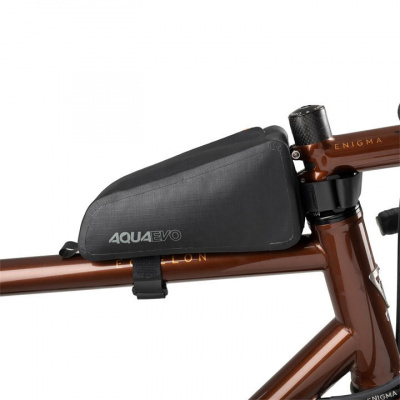
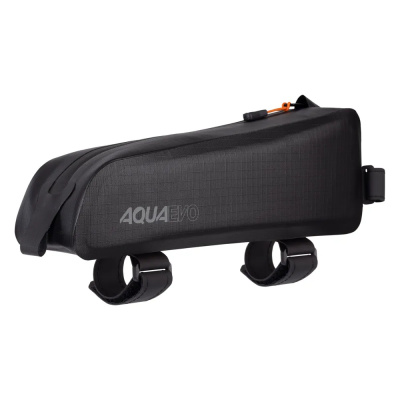
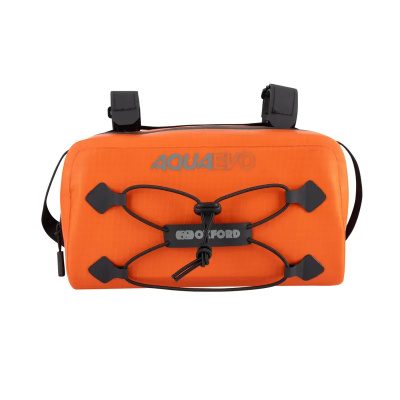
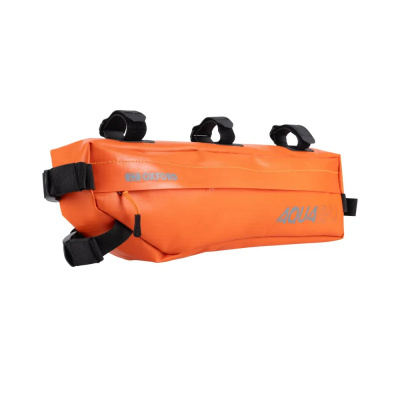
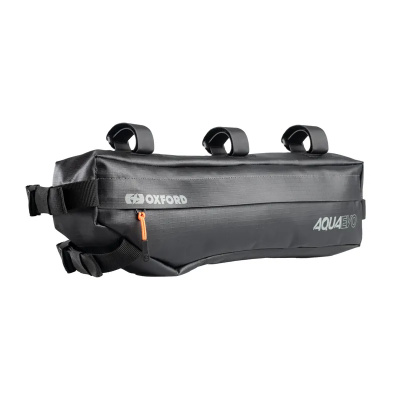
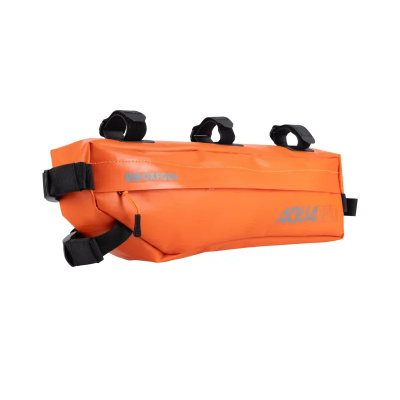
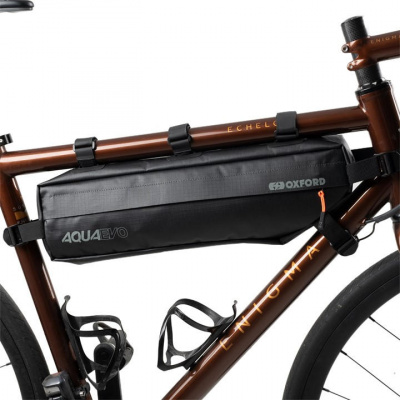
The standout here is the Aqua series. Where cheaper bags rely on a DWR coating that gives up after a few soakings, Oxford's Aqua range uses TPU polyurethane construction with high-frequency welded seams - no stitching, no leak paths. That matters in the UK, where a ride can go from overcast to relentlessly wet inside twenty minutes. Your tools, spares, and snacks stay dry. The customisable multi-point Velcro strap attachment system keeps the bag locked to the frame without sway, which means your handling stays predictable even when the bag's loaded. Compared to premium rivals like Apidura frame bags, Oxford sits at a more accessible price point without cutting obvious corners on waterproofing. Worth knowing before you buy.
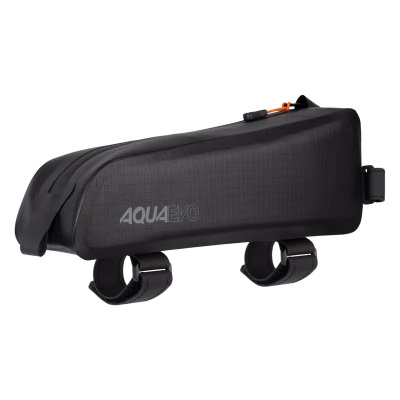
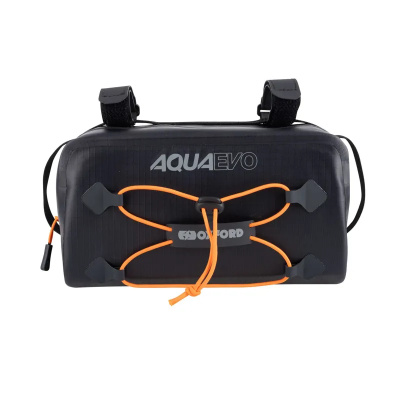
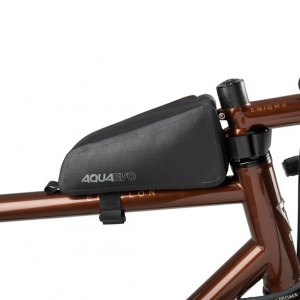
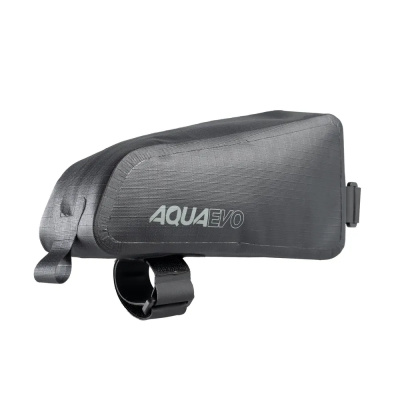
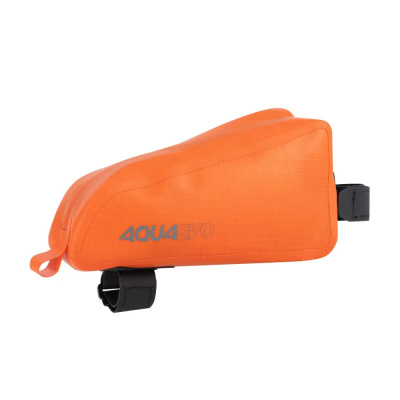
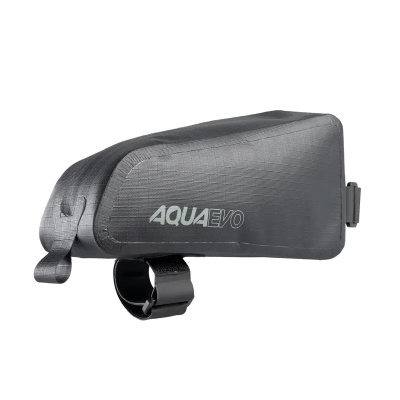
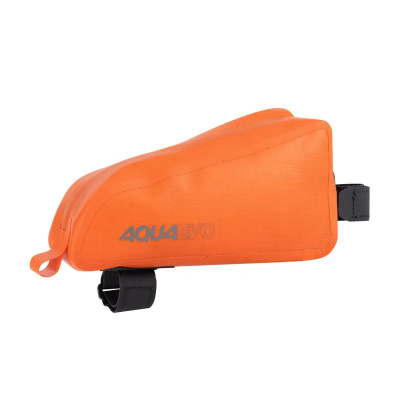
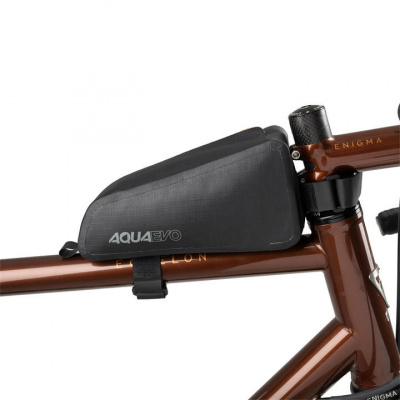
Prices and availability can change quickly. Delivery charges are not always included in listed prices.
Final price, stock status and delivery terms are set by retailer. We may receive a commission on purchases made.
Getting the Fit Right: Measuring Your Frame Triangle
Before you order, get a flexible tape measure and check three dimensions: the internal length of your top tube, down tube, and seat tube - measured inside the triangle, not along the outside of the tubes. That internal space is what actually constrains the bag's footprint. Oxford lists dimensions against these internal measurements, so matching them up is straightforward if you do it properly rather than guessing from the bike's stated frame size.
Half-frame bags only occupy the lower portion of the triangle, which keeps one or both bottle cage positions free. If you drink on the move - and on a long day in the Peaks you will - a half-frame bag is the practical call. Full-frame bags fill more of the triangle and give you significantly more capacity, but they do typically block at least one bottle cage. Plan your hydration accordingly, or switch to a Oxford tools pouch on the top tube and a hydration pack instead.
One thing that catches riders out: external cable routing. If your bike has cables or hoses running along the top tube or down tube - common on older road bikes and plenty of hardtails - be careful how you cinch the Velcro straps. Wrapping a strap tightly over a gear cable adds friction and will make your shifting sluggish or erratic. Route the straps under the cables where you can, or use the strap's adjustment to position the contact point away from the cable run. It's a five-second check that saves a frustrating mid-ride diagnosis.
Aqua Series vs. Standard Oxford Bags: Which One Do You Need?
Oxford's standard commuter-oriented bags use stitched seams and water-resistant zips. Fine for a dry-weather club run or a short commute when the forecast looks reasonable. The stitching is neat, the zips move smoothly, and the abrasion-resistant fabric holds up well to regular use. But stitched seams have needle holes, and needle holes let water in when rain is persistent - which in the UK it reliably is.
The Oxford Aqua series is a different construction entirely. TPU polyurethane fabric is bonded rather than sewn, and the high-frequency welded seams create a join with no perforations at all. Pair that with either a roll-top closure or a waterproof zip, and you've got a bag that genuinely keeps water out rather than just slowing it down. For winter bikepacking, a Scottish gravel route, or any ride where the weather is a given rather than a variable, the Aqua series is the one to choose. The Oxford Aqua V is the model most frequently referenced in test coverage for hitting that balance between volume, weight, and waterproof integrity.
If you're comparing across brands, Ortlieb frame bags use similar welded construction and are the benchmark for waterproof reliability, though they come at a higher price. Altura frame bags sit in a comparable mid-market bracket to Oxford's standard range. The Aqua series closes that gap considerably.
One thing to flag: if your priority is carrying heavy loads of kit - camping gear, spare clothes, food for multiple days - a frame bag alone won't be enough. For high-capacity rear-mounted luggage, take a look at Oxford pannier bags, which are designed to handle that kind of volume without overloading the front triangle.
UK Grit, Frame Paint, and Keeping Your Bike Looking Decent
Here's the bit most bag reviews skip over. UK roads and trails deposit grit, mud, and fine abrasive particles onto everything. When that grit gets trapped between a mounting strap and your frame, and the bag shifts fractionally with every pedal stroke, you've effectively got sandpaper running on your top coat. Over a season, that destroys clear coat and paint - particularly on carbon frames where the lacquer is thin.
Oxford's bags use abrasion-resistant materials on the outer shell, which helps the bag itself hold up. But the strap contact points on the frame are the vulnerability. The fix is simple: apply clear frame protection film - helicopter tape, 3M protective film, whatever you have - to the top tube, down tube, and seat tube before you fit the bag. Cover every area where a strap or the bag body will sit against the frame. It's cheap, invisible once applied, and means your frame looks the same in three years as it does today. Peel and reapply when it wears. Don't skip this step on a good bike.
It's also worth cleaning under the straps after muddy rides rather than leaving damp grit packed against the frame. A rinse with the Oxford cleaning kit takes thirty seconds and stops the slow grind from doing damage between rides.
For riders comparing across the market, Blackburn frame bags and Apidura both use similar Velcro or strap mounting. The frame protection advice applies regardless of brand. If you're also carrying repair kit, pairing a frame bag with Oxford inner tubes stored inside keeps everything in one accessible spot when you need it most.
Oxford Frame Bags FAQs
How do I measure my bike for a frame bag?
Use a flexible tape measure to check the internal dimensions of your front triangle - top tube length, down tube length, and seat tube height, all measured inside the frame. Cross-reference those figures against Oxford's product specs. If you're going for a half-frame bag, also check that your water bottle cages will remain accessible once the bag is fitted.
Are Oxford Aqua frame bags completely waterproof?
The Oxford Aqua series uses TPU polyurethane fabric with high-frequency welded seams - no stitching, no needle holes. That construction is genuinely waterproof rather than just water-resistant, provided you fully close the roll-top or waterproof zip before you head out. Standard Oxford bags with stitched seams are water-resistant but won't handle sustained heavy rain.
Will a frame bag scratch my bike's paint?
It can, yes - particularly if road or trail grit gets trapped between the mounting straps and the frame. The straightforward prevention is to apply clear frame protection tape (helicopter tape or 3M protective film) to every contact point before fitting the bag. Clean under the straps after muddy rides to stop abrasive particles building up between outings.