
Oxford Dropper Posts
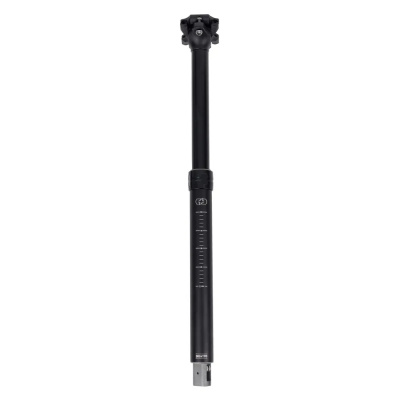
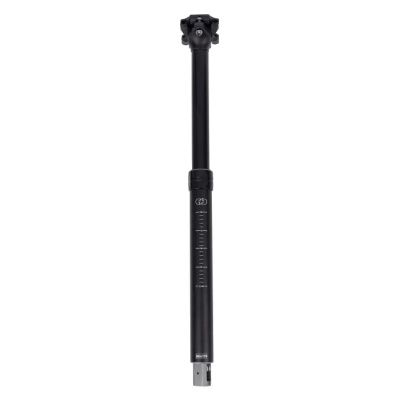
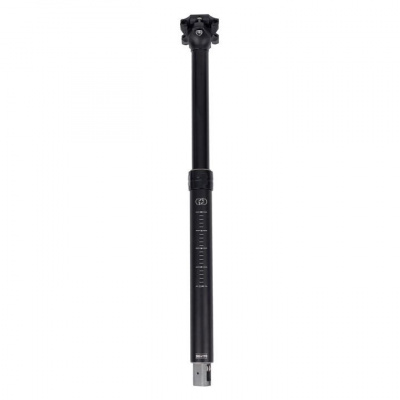
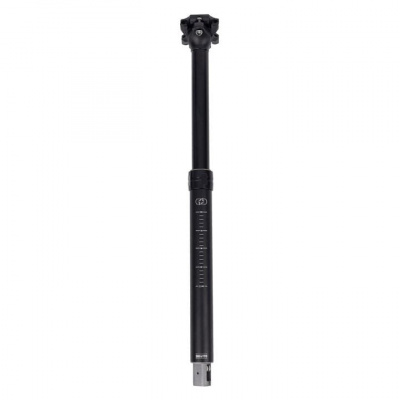
Oxford Dropper Posts sit squarely in that practical, no-drama corner of the market where reliability matters more than badge prestige. Built from 6061 forged aluminium and running a sealed alloy hydraulic cartridge, these cable-actuated posts are designed for riders who want dependable saddle drop without the faff of periodic hydraulic bleeding. That matters more than it sounds when you're soaked through on a Peak District descent and your post needs to work first time, every time.
The range covers both internal and external routing options, which means there's a relevant model whether you're breathing new life into an older hardtail or speccing a cleaner build on a modern trail bike. Travel options span from shorter-travel XC-friendly configurations right up to the 150mm drop that enduro-focused riders need. As an affordable MTB dropper post option in the UK, Oxford punches well above its price bracket - the sealed cartridge design in particular sidesteps the messy rebuild scenarios that plague cheaper unsealed units. If you're comparing against similarly priced posts from Ascend Components, Oxford's forged alloy construction gives it a meaningful stiffness edge at the clamp. Straightforward to install, compatible with standard dropper levers, and genuinely serviceable at home - these posts make a lot of sense.

Prices and availability can change quickly. Delivery charges are not always included in listed prices.
Final price, stock status and delivery terms are set by retailer. We may receive a commission on purchases made.
Getting the Fit Right: Diameters, Insertion Depth and Routing
Measuring for a dropper post is less complicated than it looks, but getting it wrong is an expensive mistake. The first thing to check is your frame's seat tube diameter - Oxford droppers are available in 30.9mm and 31.6mm, which covers the vast majority of modern trail and enduro frames. That measurement is almost always printed on your existing seatpost, so pull it out and check before you order anything.
Diameter is only half the equation. You also need to calculate your frame's maximum insertion depth - that's the distance from the seat collar down to whatever obstruction sits inside the tube, be it a suspension pivot, a bottom bracket shell, or a bottle cage boss. A dropper post that bottoms out on a pivot isn't just annoying; it can damage the frame. Measure that internal depth, then cross-reference it against the post's minimum insertion requirement and its stack height - the distance from the collar to the saddle rails at full drop. If the numbers don't stack up, you'll end up running the saddle higher than you want, which defeats the point.
Routing is where older frames and newer frames part ways. Internal routing - sometimes called stealth routing - requires dedicated ports cut into the frame for the actuating cable to pass through the downtube or seat tube. If your frame has those ports, an internally routed Oxford dropper gives you a clean finish with cables protected from trail debris. If it doesn't, drilling your own ports is not the answer. Reach for an Oxford external routing dropper instead - the cable runs along the outside of the frame, clipped in place, and works just as reliably. Older steel hardtails and entry-level aluminium frames commonly fall into this camp, and there's no performance penalty for it.
Looking for the remote to actuate your post? Head over to our Oxford accessories pages for compatible levers and spares. For replacement cartridges or seals, check the Oxford seatpost spares section on Bikesy.
Oxford Dropper Lineup: Choosing Your Travel
Oxford's dropper range is built around a sensible hierarchy of travel options rather than a confusing spread of overlapping models. The logic is straightforward: shorter travel for riders who prioritise weight and packability, longer travel for those who want maximum saddle clearance on aggressive descents.
At the shorter end, a 100mm travel post makes sense for cross-country riding or gravel setups where you're dropping the saddle occasionally rather than constantly. You're not sacrificing much at the top of a climb, and the reduced stack height suits riders with shorter seat tubes who struggle to fit longer droppers. For most trail riders in the UK though - think Welsh trail centres, the North York Moors, or anything with proper tech - 125mm travel is where the range starts to feel genuinely useful. It's enough clearance to get your weight behind the bike on steeper stuff without the post being too long to fit.
Step up to 150mm travel and you're in enduro territory. That extra 25mm over a 125mm post sounds marginal on paper, but on a proper chute or a rocky drop-in, it's the difference between feeling planted and feeling slightly perched. If you're running a longer-travel trail or enduro bike and your frame clearance allows it, the 150mm option is worth the spec. Riders considering alternatives at this travel range might look at Brand X droppers or PNW Components for comparison, though Oxford's sealed cartridge approach keeps home servicing noticeably simpler than some of the competition.
The internally routed models give you cleaner cable management and better protection from grit and wet - relevant in the UK for most of the year. The externally routed versions are the pragmatic choice for frames that weren't designed with dropper routing in mind, and they're no harder to set up. Both use the same cable-actuated mechanism, compatible with most standard dropper levers and shifter-style remotes without needing proprietary adaptors.
Keeping It Working Through a UK Winter
British trail conditions are a dropper post's worst enemy. Grit-laden mud works its way up the stanchion and into the main wiper seal, and once that seal starts letting abrasive particles through, you'll feel the post creaking and the action getting sticky. The fix is unglamorous but effective: wipe the stanchion clean after every ride before you drop the post. Takes ten seconds. A light application of silicone suspension spray to the wiper seal once a week through winter keeps the seal supple and stops grit from grinding in.
Wet conditions accelerate cable friction in external routing setups. If your post starts feeling sluggish to return or the lever pull gets heavy, the cable and housing are usually the culprit. Replace the inner cable and full housing run once a year as standard maintenance - it's a cheap fix that keeps the action feeling crisp. RockShox droppers at similar price points often need the same treatment, so this isn't an Oxford-specific quirk; it's just the reality of cable-actuated posts in wet climates.
Cold weather can slow hydraulic return speeds on some posts, but Oxford's sealed alloy hydraulic cartridge design handles this better than open-bath alternatives. The sealed unit keeps contamination out and means that if the cartridge does eventually wear, you swap the cartridge rather than attempting a messy hydraulic rebuild on your kitchen floor. That's a genuine practical advantage for home mechanics. Pair your post with Oxford mudguards to reduce the amount of spray hitting the seat collar area in the first place - it's a small thing, but it makes a meaningful difference to how long the wiper seal lasts. And if you're building out the Oxford kit further, their saddles integrate cleanly with the dropper rail clamp without any compatibility headaches.
Oxford Dropper Posts FAQs
How do I know what size Oxford dropper post fits my bike?
Check your seat tube diameter first - Oxford droppers come in 30.9mm and 31.6mm, and the size is usually printed on your existing seatpost. Beyond that, measure your frame's internal depth from the seat collar down to the nearest obstruction (pivot, boss, or shell), then cross-reference with the post's minimum insertion requirement and stack height to confirm it'll fit and drop where you need it.
Can I install an internally routed dropper on an older frame?
Only if your frame already has dedicated internal routing ports for a dropper cable. Without them, you're looking at an externally routed Oxford dropper - cable runs outside the frame, works just as reliably, and doesn't require any modification. Drilling your own ports risks structural damage and voids most frame warranties, so don't go there.
How do I maintain my dropper post in UK winter conditions?
Wipe the stanchion down after every muddy ride and apply silicone suspension spray to the wiper seal regularly through the colder months. Replace the inner cable and housing once a year to keep the lever action light. Because Oxford uses a sealed cartridge, there's no internal bleed to manage - if the cartridge wears out, you replace it rather than rebuilding the whole post.