
Ascend Components Dropper Posts
Ascend dropper posts have built a reputation among UK mountain bikers that's hard to argue with: proper performance, none of the flagship price tag. At the heart of every post is a replaceable sealed air/oil cartridge - a genuinely clever bit of engineering that keeps the damping oil isolated from the grim soup of Peak District clay or Scottish trail mud that would kill a lesser post inside a season. You get smooth, consistent saddle drops every time you thumb the lever, without booking the post in for an expensive service rebuild. Just swap the cartridge when it eventually gives up, and carry on.
The range covers most modern MTB needs. Whether you're speccing a winter hardtail that'll see more road grit than glory, or you want a longer-travel option for proper enduro geometry, there's an Ascend post that fits the bill. The micro-adjust seat clamp head is a small detail that earns its keep - getting saddle tilt dialled exactly right on a rough descent matters more than most riders realise until they've done it. And with both internal and external routing versions in the lineup, older frames aren't left out. For riders hunting the best budget dropper post UK options have to offer, Ascend consistently sits near the top of that conversation.
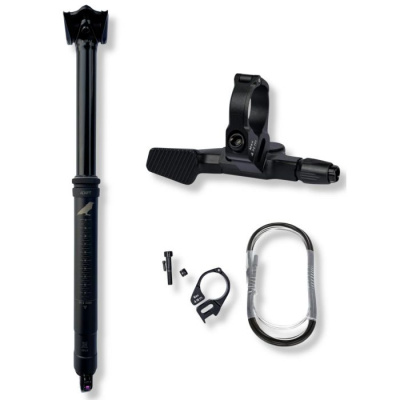
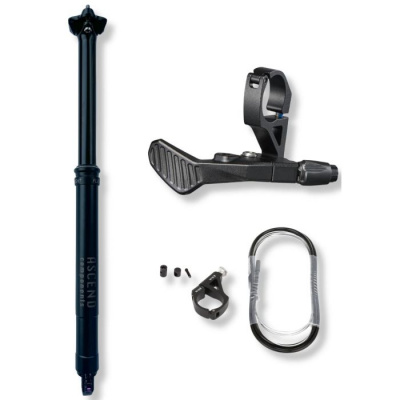
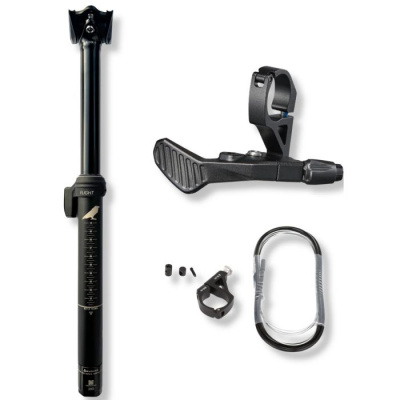
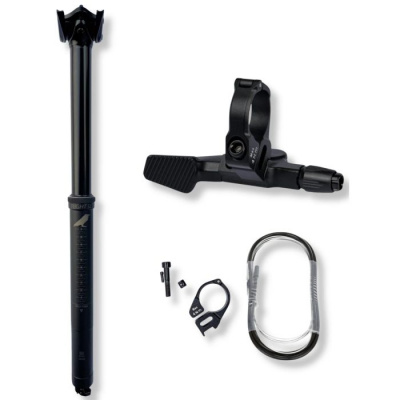
Prices and availability can change quickly. Delivery charges are not always included in listed prices.
Final price, stock status and delivery terms are set by retailer. We may receive a commission on purchases made.
Will an Ascend Post Fit? Compatibility Checks Worth Doing First
Before you add one to your basket, grab a pair of calipers. Seat tube diameter is the first number you need - Ascend posts are available in 30.9mm, 31.6mm, and 34.9mm to cover the most common frame standards. Most modern trail and enduro frames run 31.6mm, but hardtails from a few years back often spec 30.9mm, so don't guess.
The number riders most commonly overlook is insertion depth. This is the minimum length of post that must sit inside the seat tube for safe use, and it's where a lot of installs go wrong. Some frames - particularly full-suspension designs - have water bottle boss bolts or suspension pivot hardware that protrudes into the seat tube cavity. If your post can't drop far enough to clear those obstructions, you'll hit a hard stop well before the post is safe to ride. Measure from the seat collar down to any internal obstruction before you order. Most frame manufacturers publish this figure; if yours doesn't, a length of dowel and a tape measure will tell you what you need to know in about two minutes.
Routing is the other fork in the road. The standard Ascend uses a bottom-actuated internal routing mechanism, which threads the cable through the frame for a clean finish - but your frame needs a cable port at the bottom bracket area or along the down tube to make that work. If you're riding an older frame without internal routing provisions, the Ascend II runs the cable externally along the seat tube. It's not as tidy, but it's fully functional and a straightforward fit on bikes that were never designed with dropper routing in mind. Check your frame before you commit to either version.
Breaking Down the Ascend Range
Ascend keeps the lineup logical, which helps. The standard post covers travel options from 120mm through to 150mm - that's the range most trail riders will live in. If you're five-foot-eight or under and riding a frame with limited seat tube clearance, 120mm or 125mm is often the practical ceiling anyway. Go as long as your frame genuinely allows; more drop means more room to move the bike beneath you on technical ground.
For taller riders or anyone on modern long, low, slack enduro geometry, the Ascend XL dropper post 170mm and 200mm options open things up considerably. A 200mm drop on a big trail bike isn't excess - it's the difference between being able to properly weight the rear on a steep chute and perching nervously above the saddle. If you're six-foot-plus and currently running 150mm because that's what came spec'd, the XL range is worth a look. Riders shopping the OneUp dropper post range for long-travel options will find the Ascend XL competes directly on travel and undercuts on price.
The Ascend II serves a specific purpose: frames that can't run internal cable routing. It's the honest choice for an older XC hardtail or a steel adventure bike where drilling new ports isn't something you want to do. External routing isn't the aesthetic choice, but it works, and the actuation feel is consistent with the internal-routed version.
The posts ship with a standard remote lever, and it does the job. That said, upgrading the lever can make a noticeable difference to thumb ergonomics and the cable pull leverage you get through the stroke - particularly on longer rides where cumulative fatigue adds up. We've got a full dropper lever category if you want to explore that side of things separately. Brands like PNW and Brand-X also offer posts at similar price points if you're comparing across the budget-to-mid segment before deciding.
Keeping an Ascend Post Running Through a UK Winter
The sealed cartridge design is where Ascend earns particular credit in UK conditions. British winter riding - whether that's gritstone trails in the Dark Peak or the liquid mud of a Welsh trail centre in February - pushes a dropper post's wiper seal harder than most riders appreciate. A post with an unsealed internals design will drag contaminated oil through the damper every time you cycle the post. The Ascend's cartridge keeps all of that isolated. The damping oil stays clean regardless of what's happening outside.
That doesn't mean you can ignore it completely. After every wet, muddy session, wipe down the exposed stanchion with a clean cloth before the mud dries and turns to grit paste - abrasive particles sitting against the wiper seal will degrade it faster than normal use ever would. A light application of a silicone-based suspension spray along the wiper seal keeps it supple and helps it shed water rather than absorb it. Takes thirty seconds. Worth doing every few rides through winter.
The most common complaint with any dropper post - slow or lazy return - almost always traces back to cable housing, not the post itself. Grit works into the outer housing over time, particularly at the frame entry point and the lever end. Cable tension increases, the actuator mechanism has to work harder, and the return feels sluggish. Check the housing for kinks or contamination every couple of months. A barrel adjuster tweak can compensate for minor cable stretch, but if the housing is clogged, a fresh length of cable and housing will fix it properly. The Ascend dropper post internal routing version keeps most of the cable run protected, which helps - but the exposed sections still need attention. Riders running the Ascend II external version should inspect the full cable run more regularly given greater exposure.
Ascend Components Dropper Posts FAQs
How do I know what size Ascend dropper post fits my bike?
Start with your frame's seat tube diameter - most modern MTBs run 30.9mm or 31.6mm. Then measure your maximum insertion depth: lower a length of dowel into the seat tube and mark where it hits any internal obstruction like a pivot bolt or bottle boss. That figure caps how much post travel you can run. If your frame lacks internal cable routing, you'll need the externally routed Ascend II rather than the standard model.
How do you maintain an Ascend dropper post in wet conditions?
Wipe the stanchion down after every muddy ride before the grit dries against the wiper seal. Apply a silicone suspension spray to the seal every few rides to keep it pliable. If the post develops a slow return, check the cable housing for grit ingress first - that's the most common culprit. The sealed internal cartridge can't be rebuilt, but it's straightforward and inexpensive to replace when it eventually wears out.
Can you adjust the travel on an Ascend dropper post?
No - Ascend posts don't offer tool-free travel adjustment via internal shims, unlike some higher-end alternatives. You need to buy the exact travel length that suits your leg length and frame clearance from the outset. Measure carefully before ordering: 120mm, 150mm, and 170mm all feel meaningfully different on the trail, and returning a post because you guessed wrong is avoidable.