
Ks Suspension Dropper Posts
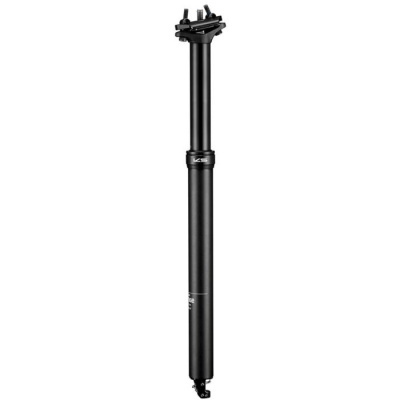
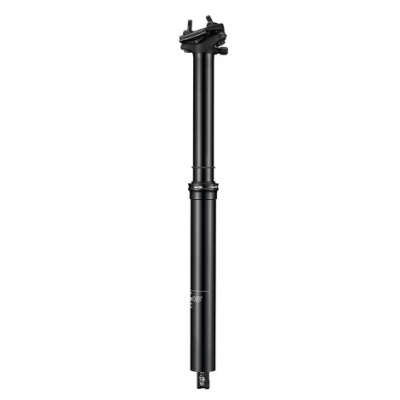
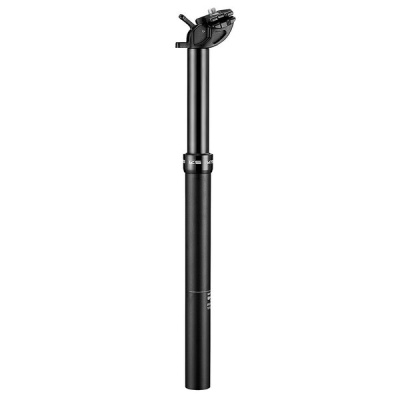
KS Suspension dropper posts - made by Kind Shock - did more than most to turn the dropper from a gimmick into a trail essential, and the range still earns its place on bikes from gravel to enduro. What sets KS apart is the engineering detail underneath: sealed hydraulic cartridges that resist the worst the UK can throw at them, a patented one-way roller clutch bearing that kills lateral saddle play, and the LEV series' zero-movement cable technology, where the cable anchors to the stationary lower mast so there's no cable creep as the post moves. That last point sounds small until you've ridden a post where the cable pulls itself tighter mid-descent.
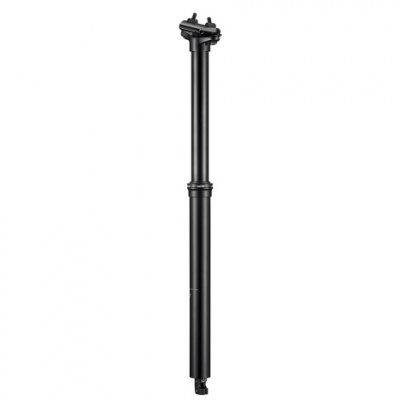
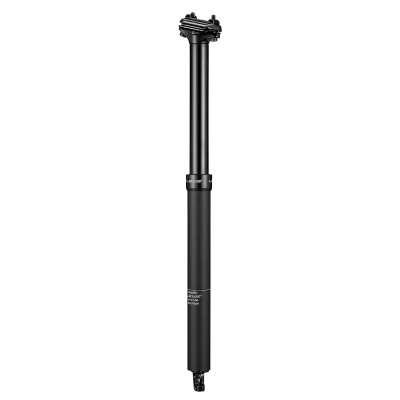
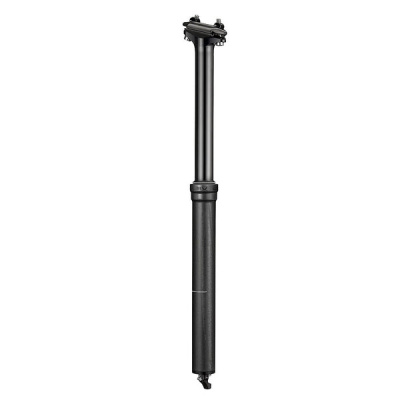
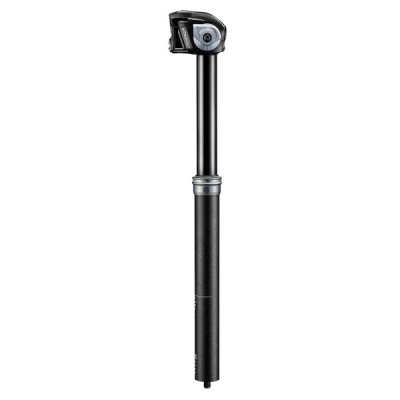
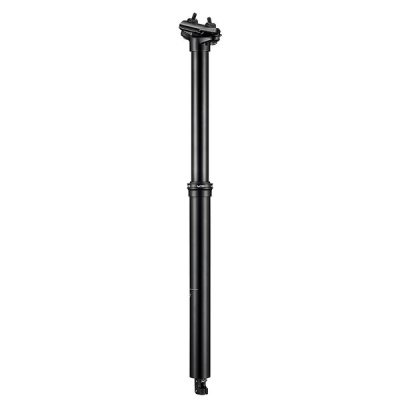
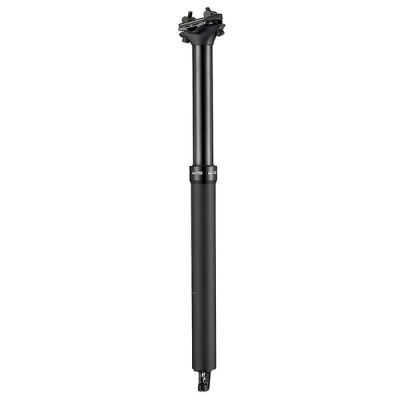
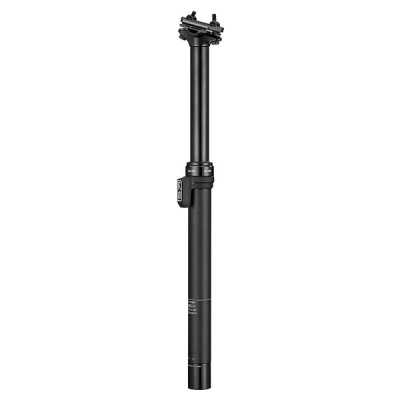
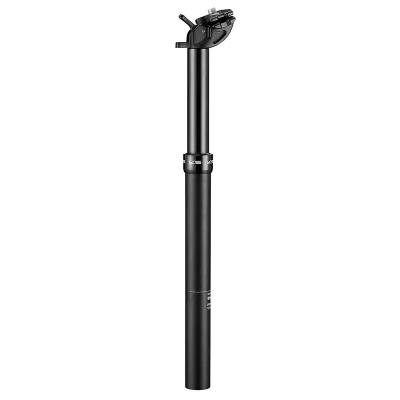
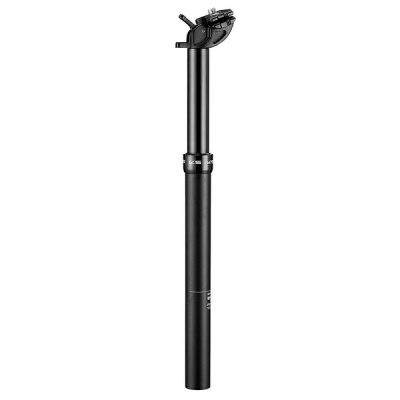
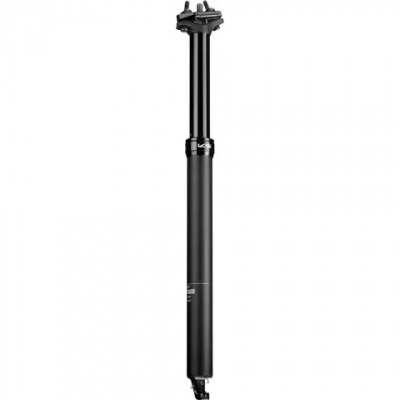
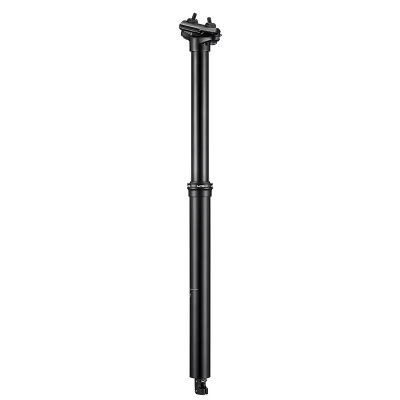
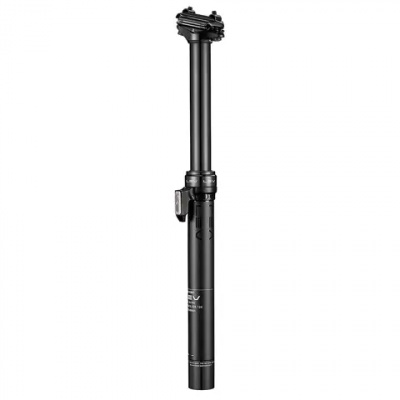
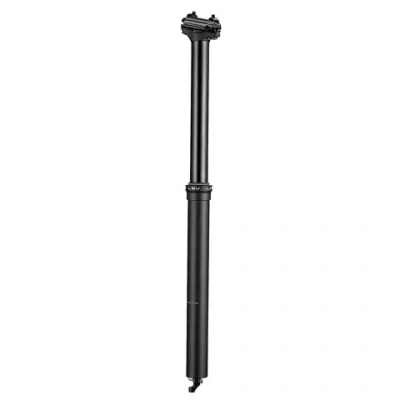
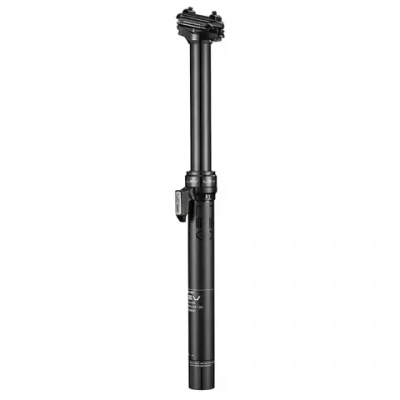
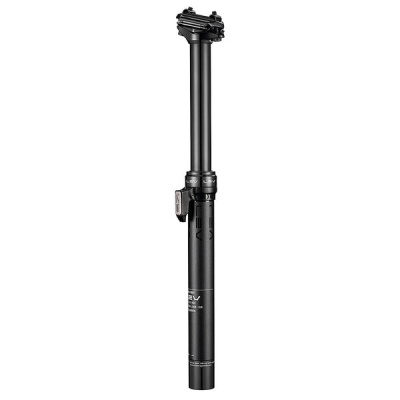
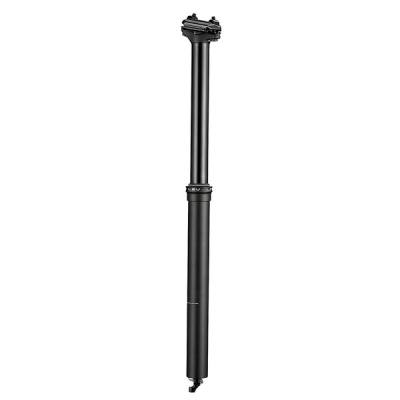
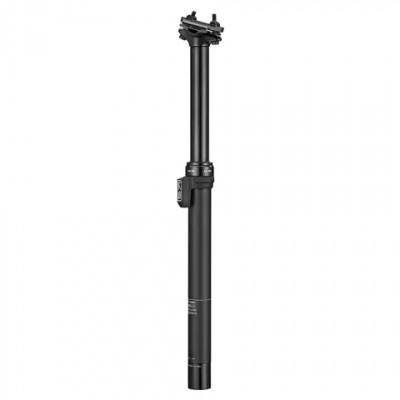
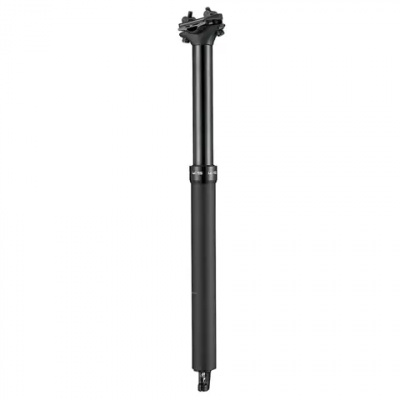
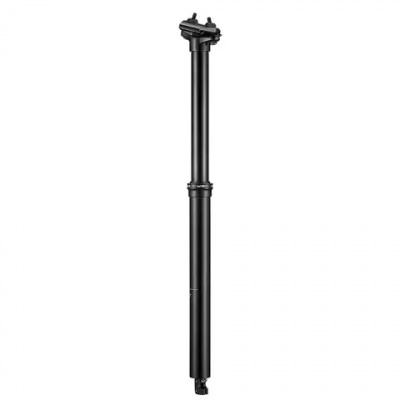
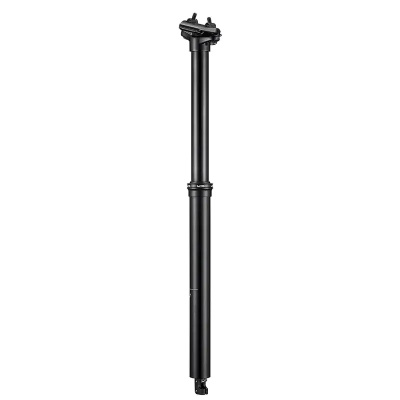
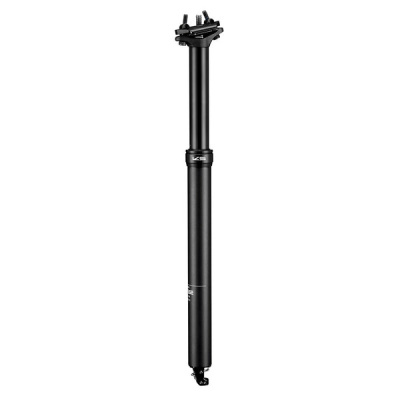
The range covers everything from the flagship LEV Integra and LEV Ci carbon through to the mid-tier Rage-i and the entry-level eTen, so there's a post for most budgets and most seat tubes. KS suspension dropper post travel options run from modest 100mm drops suited to gravel bikes up to 175mm-plus for full-on trail and enduro use. Diameter choices span 27.2mm right through to 34.9mm, meaning even older steel frames and modern large-diameter aluminium aren't locked out. Browse the comparison below and find the right drop for your frame.




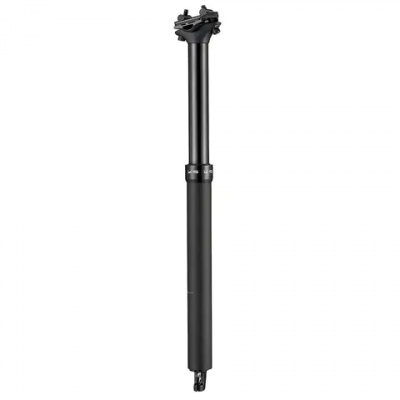
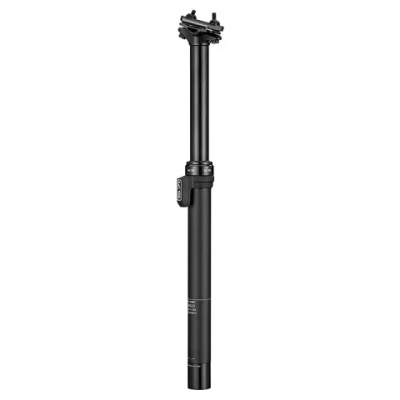
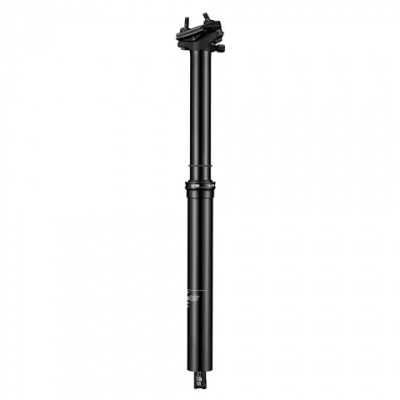
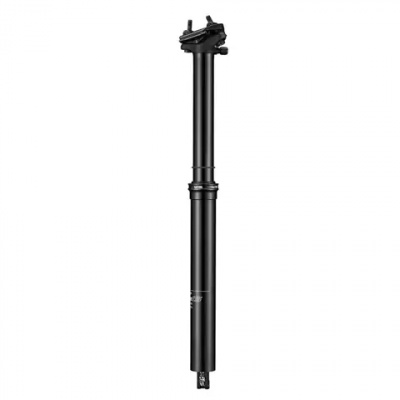
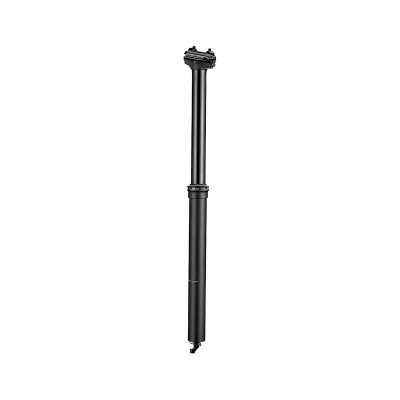
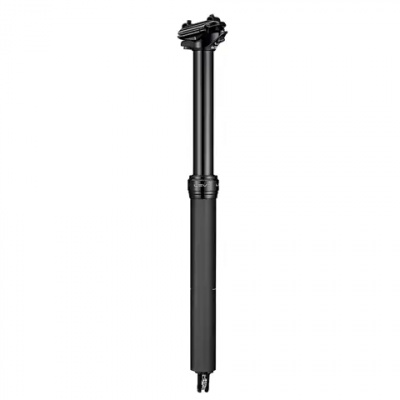
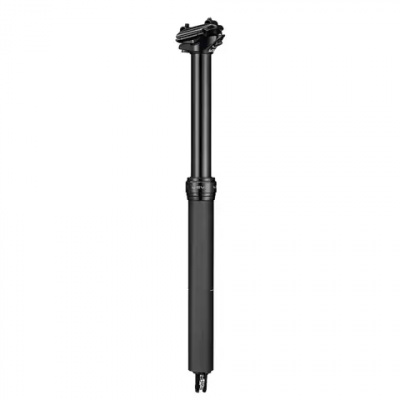
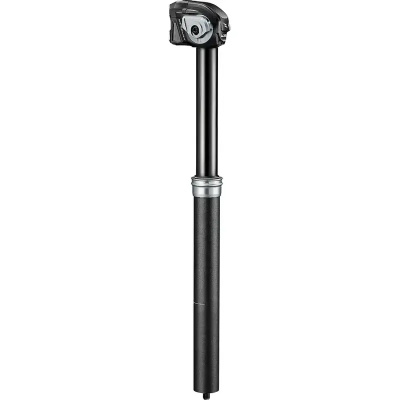
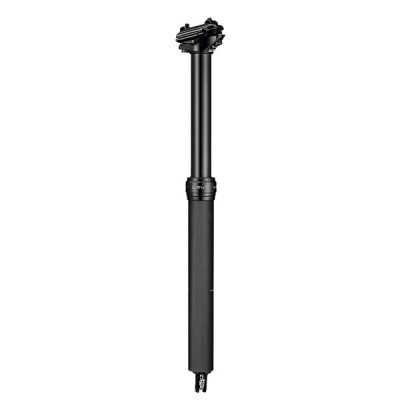
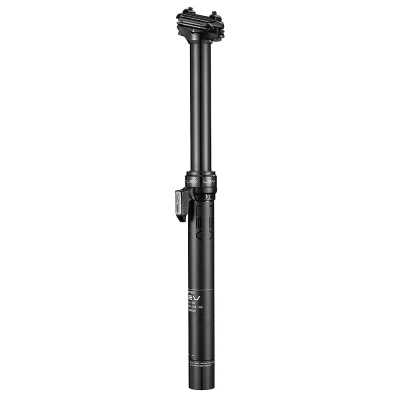

Prices and availability can change quickly. Delivery charges are not always included in listed prices.
Final price, stock status and delivery terms are set by retailer. We may receive a commission on purchases made.
Compatibility: Getting the Fit Right Before You Buy
Fitting a dropper post is one of those jobs that looks simple until you get the post home and discover the frame had other ideas. Start by measuring your seat tube's inner diameter accurately - KS posts come in 27.2mm (common on gravel and older trail bikes), 30.9mm, 31.6mm, and 34.9mm. A steel rule and a set of verniers will tell you what you need; don't trust the spec sheet alone on older frames where the bore can vary slightly.
Once you have the diameter sorted, measure your maximum insertion depth - the distance from the seat collar down to whatever's blocking the post inside the frame (a bottom bracket shell, internal cable routing, or a weld). This figure caps the overall post length you can run. Then work backwards: take your ideal seated ride height, measure from the collar to the saddle rails, and subtract your desired travel. What's left needs to fit inside the frame. KS publishes minimum insertion depths for each model, and it's worth cross-referencing these carefully, particularly on compact frames where space is tight. Stack height - the distance from the collar to the saddle clamp at full extension - varies between models, so riders on the shorter end of a frame size should check this number against their inseam before committing.
Internal routing frames need a post with a routed cable channel or a compatible port; external routing is more flexible and generally easier to set up. The two aren't interchangeable without adapters, so confirm your frame's routing style first. If you're running a KS rigid seatpost currently and upgrading, the diameter will at least be a known quantity. And whichever KS dropper you choose, you'll need a compatible remote to actuate it - check out the KS dropper levers page for the right lever to pair with your post and bar setup.
The KS Lineup: Where Each Model Sits
KS suspension dropper post travel options and build quality spread across three clear tiers, and knowing what separates them saves you from either overspending or being disappointed by a post that doesn't suit the riding you do.
At the top sits the LEV Integra and the LEV Ci carbon variant. Both use KS's zero-movement cable technology - the cable anchors to the lower mast, which stays stationary while the upper tube moves, so actuation feel stays consistent and cable tension doesn't drift. The spool valve inside meters hydraulic fluid with precision, giving you infinite adjustment anywhere in the travel range rather than a simple up-or-down toggle. The sealed hydraulic cartridge is a robust unit that handles repeated cycles well, and the one-way roller clutch bearing does a proper job of eliminating the side-to-side saddle wobble that plagues cheaper posts. The LEV Ci sheds meaningful weight over the alloy version and suits riders where every gram counts - cross-country and lightweight trail builds, mostly. The LEV Integra is the broader choice: burly enough for enduro use, refined enough that you won't be wishing you'd spent more.
The mid-tier Rage-i runs a closed alloy mast with a sealed cartridge, internal routing compatibility, and a simpler actuation system. It's a dependable post and a sensible choice if budget matters more than marginal weight savings. You give up the zero-movement cable tech and the premium bearing, but the core hydraulic reliability is still there. Mechanics like it because it services cleanly and doesn't throw surprises.
The eTen sits at the entry point. It uses a factory-pressurised sealed cartridge with no external adjustment port, which keeps the price down and complexity low. Fine for a first dropper or a commuter build, less suited to high-cycle trail riding where you'd want the serviceability of the upper tiers. If the eTen feels limiting, Brand X droppers occupy a similar price band and are worth a look for comparison, as are OneUp dropper posts, which have carved out a reputation for short overall lengths that suit tight frames well.
The best KS dropper post for UK winter riding sits firmly in the LEV Integra tier - the sealed cartridge and quality wiper seal handle repeated grime exposure better than open-architecture designs, and the post's consistent actuation doesn't degrade as quickly when mud is a constant companion. That said, no dropper is maintenance-free in a British winter, which leads neatly into the next section.
Keeping a KS Post Running Through a UK Winter
Wet grit is the enemy. Not rain, not mud on its own - it's the fine abrasive slurry you get on Peak District bridleways or Forestry Commission gravel after a wet week, and it works its way past the main wiper seal and onto the stanchion. Once grit scores the stanchion surface, the seal degrades faster, ingress increases, and the post starts to feel notchy or sticky. The fix is simple but requires consistency: wipe the exposed stanchion clean after every muddy ride. A rag and a little care takes thirty seconds and genuinely extends service intervals.
Avoid pressure washing directly at the collar. A jet wash will force water and grit past the wiper seal faster than any ride would, and it voids the protection you paid for when you bought the sealed cartridge. A bucket and sponge near the collar is fine; the rest of the bike can take the pressure washer.
When temperatures drop towards freezing - common enough on a January ride in the Scottish Borders or a bleak February loop in Wales - hydraulic fluid thickens and return speed slows. This is normal behaviour rather than a fault. On LEV series posts with an accessible Schrader valve, you can bump air pressure slightly to compensate, though the main issue is fluid viscosity rather than pressure. Let the post warm up gradually rather than forcing it. If the post stays sluggish in normal temperatures, that points to a collar overtightened on the stanchion or dirt under the wiper - both solvable with a basic service.
Service intervals depend on use, but a cartridge inspection annually is sensible for regular trail riders. For the seals and stanchion, a light application of appropriate suspension lubricant keeps the wiper seal supple and reduces friction - check the KS oil and lube page for compatible products. It's a small habit that pays back in post longevity.
If your post needs a full cartridge swap rather than just a seal wipe, the KS LEV Integra's design makes this more straightforward than many rivals. RockShox droppers and Fox droppers have their own service ecosystems, but KS's parts availability through UK distributors is generally solid. That serviceability is part of why the LEV series remains a mechanic-friendly choice when the alternative is a post treated as a throwaway item.
Ks Suspension Dropper Posts FAQs
How do I measure my bike for a KS dropper post?
Measure three things: your seat tube's inner diameter, the maximum insertion depth inside the frame (collar to the first obstruction), and your current ride height from collar to saddle rails. Cross-reference these against the KS post's overall length, minimum insertion depth, and travel. If the numbers don't leave enough post inside the frame, you'll need a shorter travel option or a different model with a more compact overall length.
Why is my KS dropper post sticking or slow to return?
Most commonly it's an overtightened seat collar binding against the stanchion - back the collar off to the correct torque spec and retest. Dirt under the wiper seal causes similar symptoms. In cold weather, hydraulic fluid thickens and return speed drops; this usually resolves as the post warms up. Low air pressure in the cartridge on adjustable models is another cause - check with a shock pump if your post has a Schrader valve.
Can I adjust the air pressure in my KS dropper post?
On LEV series posts, yes. There's a Schrader valve under the saddle clamp accessible once the saddle is removed; use a shock pump to adjust return pressure. Higher pressure gives a faster, firmer return. The entry-level eTen uses a sealed factory-pressurised cartridge with no external adjustment port, so return speed on that model is fixed.