
Oxford Bar Bags
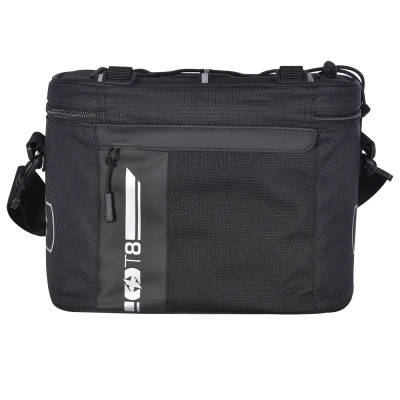
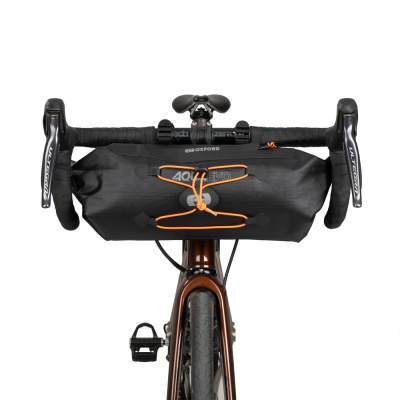
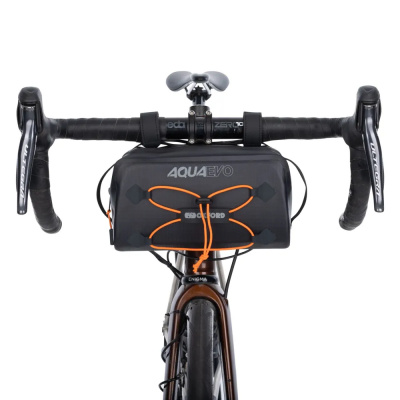
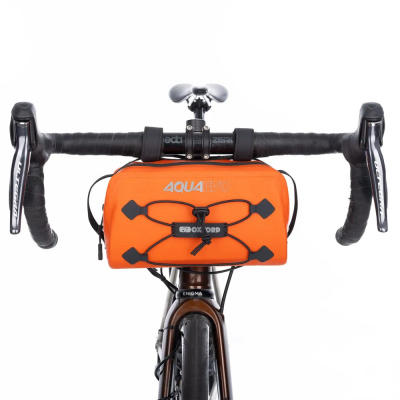
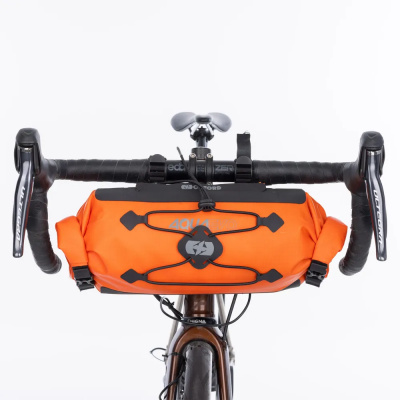
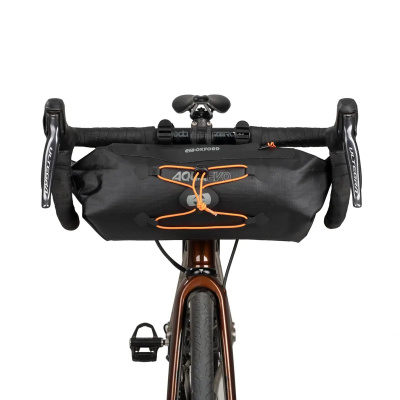
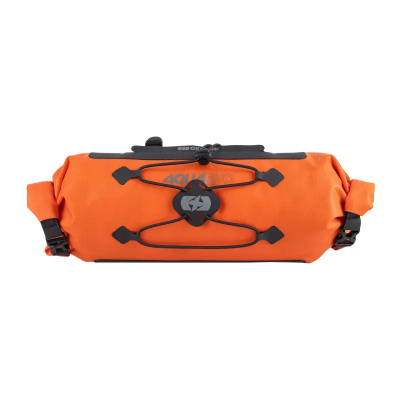
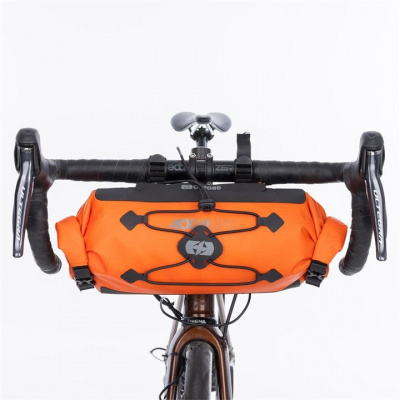
Oxford bar bags cover the full spectrum from gritty winter commutes to loaded weekend bikepacking runs, and they do it without asking you to spend serious money. The range splits broadly into two camps: the fully waterproof Aqua series, built with TPU polyurethane construction and high-frequency welded seams, and the more traditional canvas-style bags that suit lighter duties and drier days. Both mount securely to your handlebars, but the method matters - Oxford's quick-release bracket system makes swapping between bikes genuinely fast, while the strap-mount options keep things simple if you're not switching bags around.
What makes Oxford worth a look for UK riders specifically is the Aqua series' commitment to proper waterproofing. A DWR coating fades after a few soakings; welded seams and a roll-top closure don't. When you're grinding through a November commute with road spray coming from every angle, that distinction is the difference between dry kit and a soggy mess. The bags are also sized sensibly - enough room for a wallet, phone, and a layer, without ballooning so wide that your handling turns vague. Practical, durable, competitively priced. That's the pitch.
Prices and availability can change quickly. Delivery charges are not always included in listed prices.
Final price, stock status and delivery terms are set by retailer. We may receive a commission on purchases made.
Fitting Your Oxford Bar Bag: Brackets, Straps, and Cable Routing
Oxford bar bags use one of two mounting approaches, and knowing which you're buying matters before you order. The quick-release bracket system clamps directly onto your handlebars and locks the bag on with a single click - genuinely useful if the bag moves between a commuter and a weekend bike. The QR brackets are designed around the modern standard 31.8mm handlebar clamp diameter, but Oxford includes shims for older 25.4mm bars, so don't panic if you're running a vintage or budget setup.
The strap-mount bags use heavy-duty Velcro webbing and work on a wider range of bar shapes, including some flared gravel bars where a rigid bracket would sit awkwardly. They take a few extra seconds to remove, but there's nothing to break or misplace. Whichever system you're using, cable routing deserves proper attention before you tighten anything down. Run your brake and gear housing behind or underneath the bag - never trapped between the bag and the stem. If the housing gets pinched or kinked, you'll get ghost shifting at best and restricted braking at worst. Route first, mount second, then check that both levers feel clean through their full travel before you ride.
One more thing worth knowing: a bar bag will almost certainly block a handlebar-mounted front light. Plan for a fork crown mount or an out-front bracket on your stem instead. Oxford's own Oxford lights include stem and fork-mount options that work cleanly alongside a bar bag setup.
Aqua Series vs. Heritage Bags: Picking the Right Tier
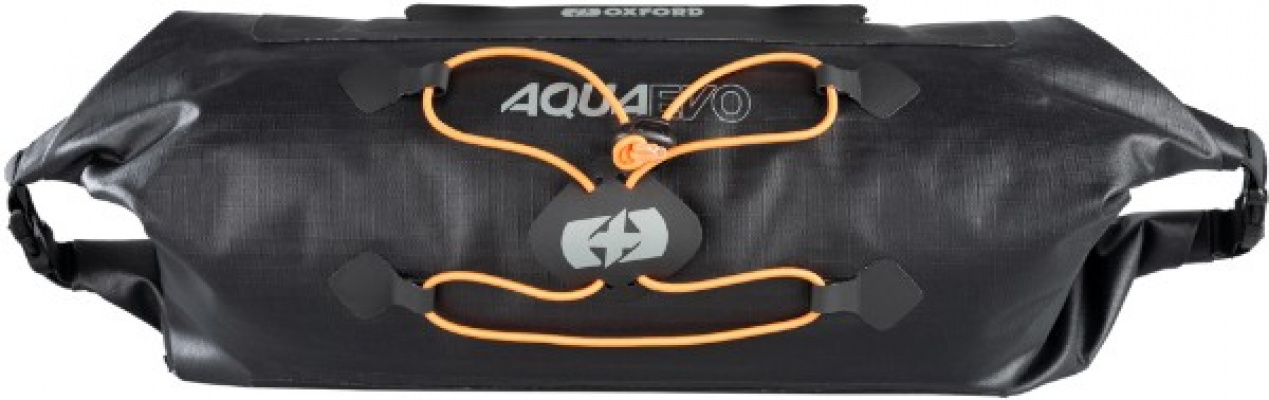
The Aqua series is Oxford's serious waterproofing answer. TPU construction - essentially a thermoplastic polyurethane shell - is bonded with high-frequency welded seams rather than stitched ones, so there are no needle holes for water to track through. The roll-top closure system replaces zippers entirely, which removes a genuine weak point. Zippers on exposed cycling luggage collect grit, corrode, and eventually fail; a roll-top just rolls down and clips. For electronics, dry base layers, or anything you genuinely can't afford to get wet, the Aqua series is the right call. This is where Oxford competes directly with Ortlieb bar bags and Apidura bar bags at a noticeably lower price point.
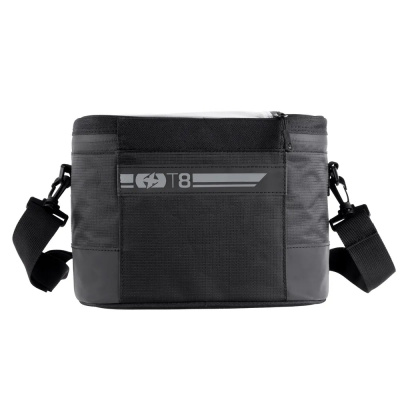
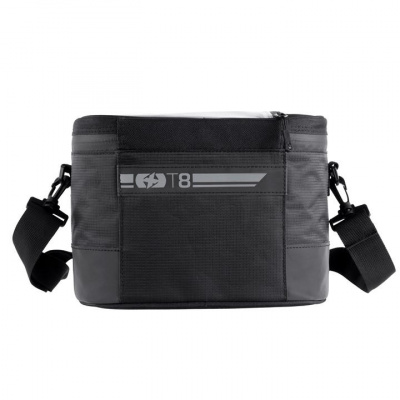
The Heritage and canvas-style bags sit in a different category. They're not trying to be bombproof - they're aimed at riders who want classic aesthetics, lighter weight, and enough water resistance to handle a shower or two. The stitched construction and traditional closures are fine for dry-weather commuting or occasional use, but they're not the answer for a Scottish west coast tour or a British winter. Step up to the Aqua tier when the weather is non-negotiable; use the canvas bags when the ride is shorter and the forecast is kinder. If you want to compare the broader heritage handlebar bag market, Brooks bar bags and Carradice bar bags are the obvious reference points in that traditional space.
The Aqua bags also pair naturally with Oxford's wider luggage ecosystem. If you're building out a full commuter or bikepacking setup, their Oxford saddle bags use the same TPU material and welded construction, so waterproofing stays consistent front to back.
Surviving British Winters: Durability, Grit, and Keeping Your Paint
The roll-top closure on the Aqua series isn't just a waterproofing feature - it's a durability one. British road grit is genuinely abrasive stuff, and a zipper that spends winter exposed to salt, small stones, and road spray is on borrowed time. Roll-tops have no moving parts to seize or corrode. That's not a minor advantage; it's the kind of thing you notice in February when a cheaper bag's zipper gives up mid-commute.
The paint protection question is one that doesn't get enough attention. When wet grit gets trapped between a mounting strap and your head tube, it acts like sandpaper every time the bag moves. Even a small amount of frame flex on rough road is enough to work through clear coat surprisingly quickly. The fix is simple: apply a strip of helicopter tape - frame protection film - to the head tube wherever the bag's lower stabilisation strap makes contact. It's cheap, nearly invisible, and saves your paint. Worth doing before the first ride, not after you've noticed the damage.
Cleaning TPU bags is straightforward, but use warm soapy water and a soft cloth rather than a degreaser or solvent. Harsh chemicals degrade the material's flexibility over time, which can eventually lead to cracking at the fold points. A quick wipe-down after a muddy or salty ride is all it takes to keep the bag in good shape for years. If you're running a full Oxford commuter build, it's also worth thinking about how your Oxford handlebars interact with the bag's mounting system - some bar shapes and widths affect how naturally the bag sits and how much handlebar clearance you have at either end. For riders who carry a rucksack alongside a bar bag, Oxford's Oxford rucksacks are worth a look for longer days when the bar bag alone isn't enough. Altura bar bags are another solid comparison point if you're weighing up the broader UK waterproof commuter bag market before deciding.
Oxford Bar Bags FAQs
How do you attach an Oxford bar bag to a bike?
Oxford bar bags mount either via a quick-release bracket that clamps to your handlebars, or with heavy-duty Velcro webbing straps. The QR bracket suits standard 31.8mm bars; use the included shims for older 25.4mm bars. Whichever system you use, always route cable housing behind or underneath the bag before tightening anything down, then check brake and gear feel through full lever travel before you ride.
Are Oxford Aqua bar bags fully waterproof?
Yes. The Aqua series uses TPU polyurethane construction with high-frequency welded seams - no stitched needle holes for water to track through - combined with a roll-top closure that eliminates zipper failure points entirely. That combination handles sustained heavy rain and road spray rather than just light showers, which puts it in a different category to bags relying on DWR coatings alone.
Will a handlebar bag crush my brake and gear cables?
It can, if you mount it carelessly. Always run cable housing behind or underneath the bag - never trapped between the bag body and the stem. Don't overtighten mounting straps to the point where they kink the housing. Once fitted, pull both brake levers and run through your gears to confirm everything moves freely before heading out.