
Oakley Sunglasses
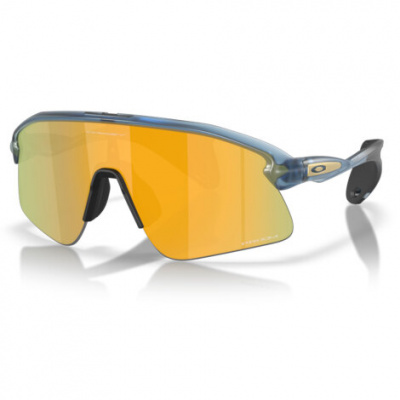
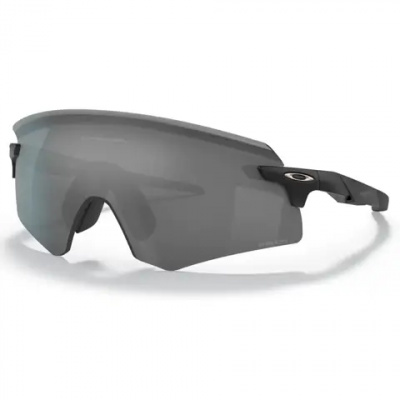
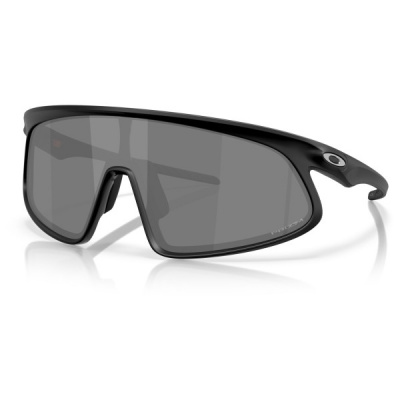
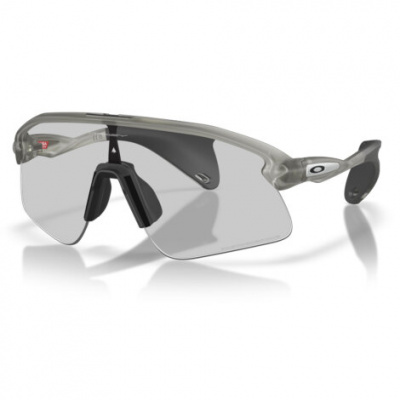
Oakley cycling sunglasses have become the default choice across the peloton and on the trail for good reason - optical clarity that genuinely changes what you see, paired with frames that stay put when things get rough. The foundation is the O Matter frame material: light, stress-resistant, and comfortable over long hours in the saddle. Add Unobtainium ear socks and nose pads that grip harder as you sweat, and you've got glasses that aren't shifting mid-sprint or on a loose, rocky descent.
The real differentiator, though, is Prizm lens technology. Rather than simply darkening the world, Prizm fine-tunes specific colours to sharpen contrast for different conditions - so you're picking out potholes on wet tarmac or catching a slick root in the woods before your wheel finds it. That's not a small thing on UK roads and trails where the light is constantly changing and the surface is rarely predictable.
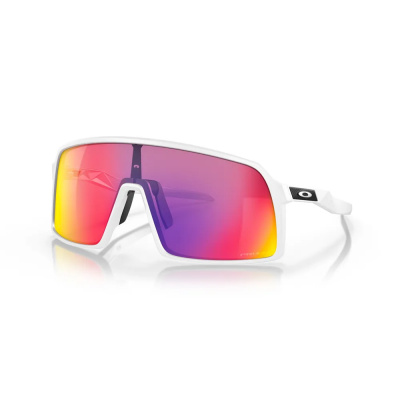
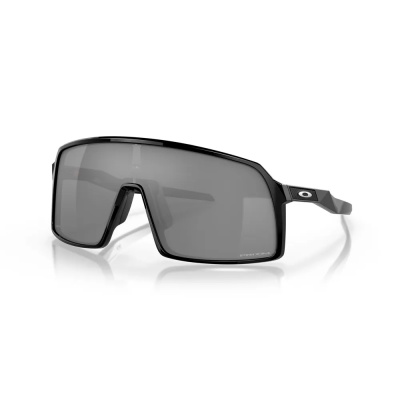
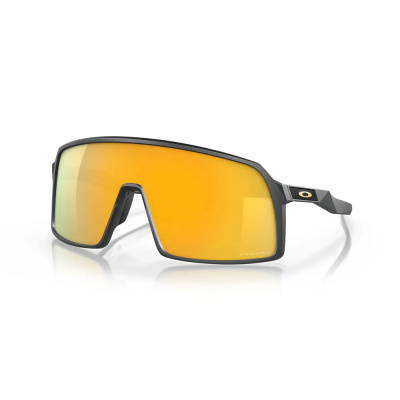
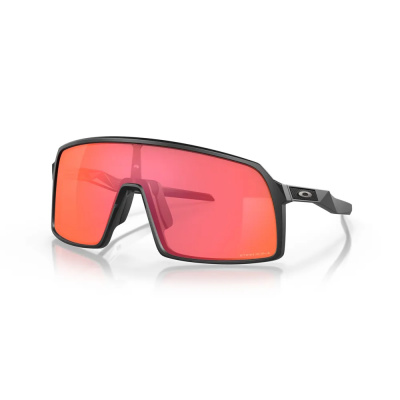
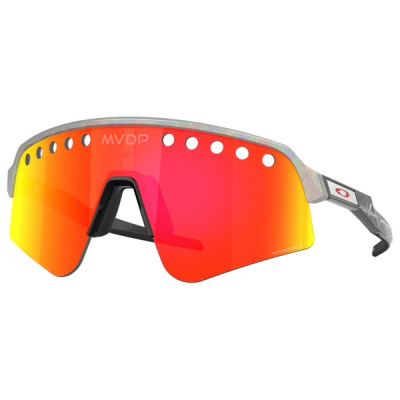
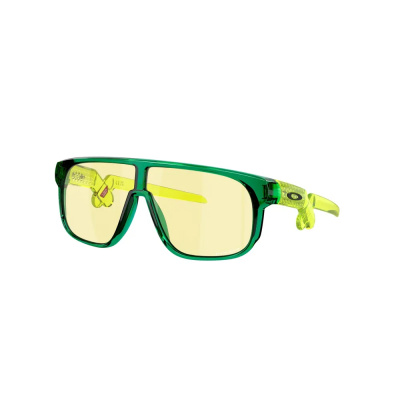
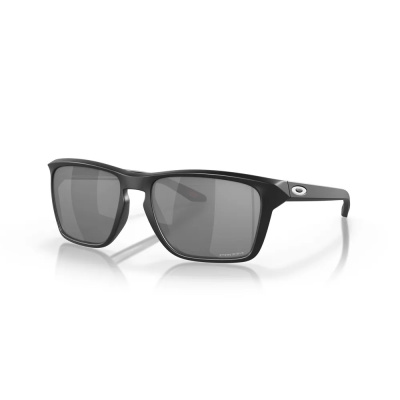
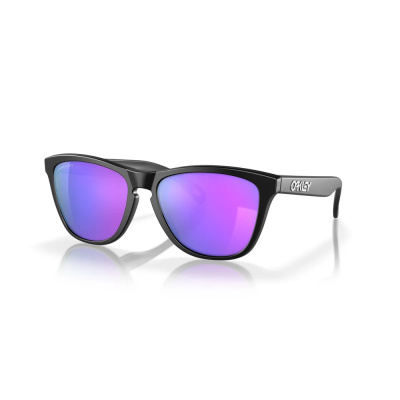
The range covers a lot of ground. Want a massive field of view and serious wind protection? The large shield models are where to look. Prefer a more traditional dual-lens fit? There are options for that too. If you ride aggressive enduro or downhill and need full-face coverage, our Oakley Goggles page is worth a look. Already sorted on frames and just need a replacement lens for winter? Head to our Sunglasses and Goggle Spares section.
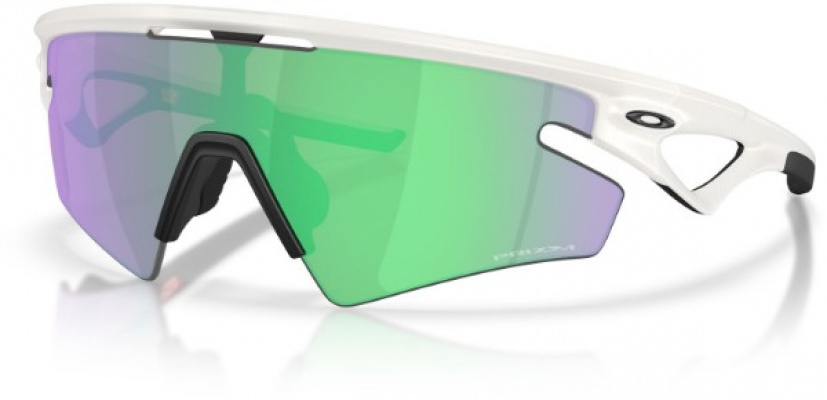
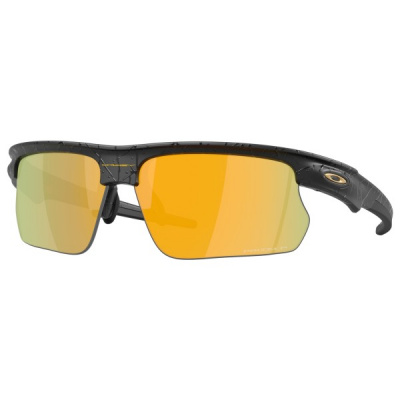
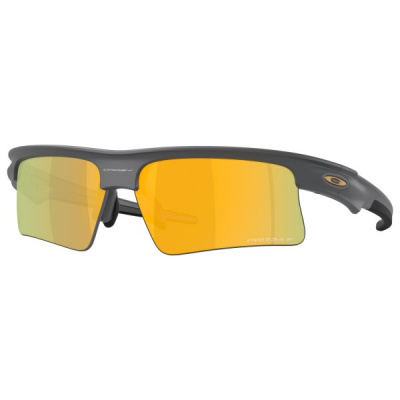
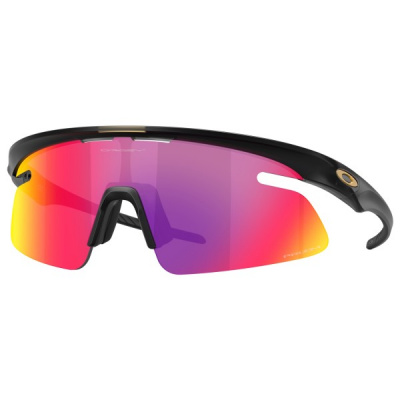
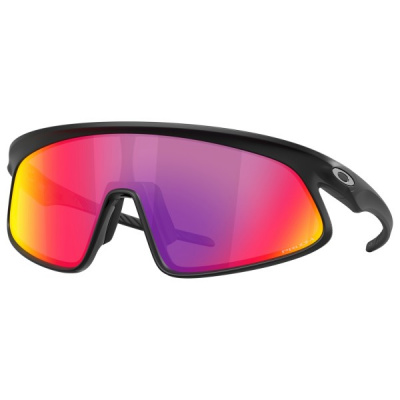
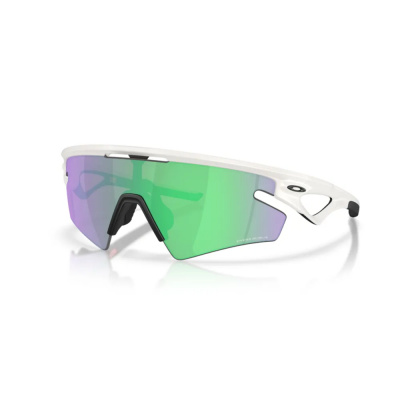
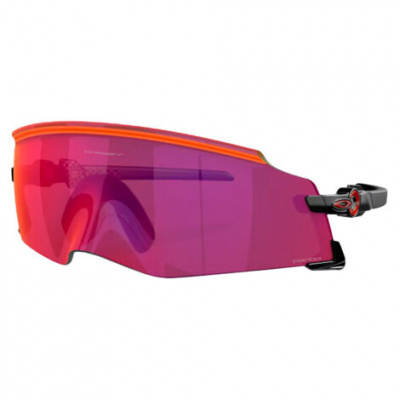
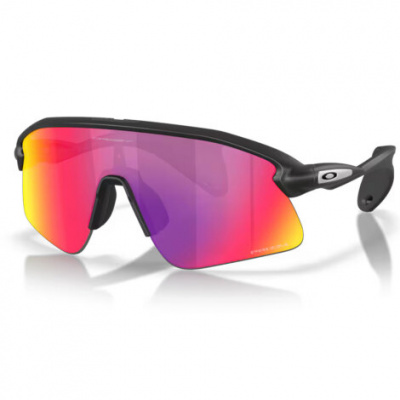
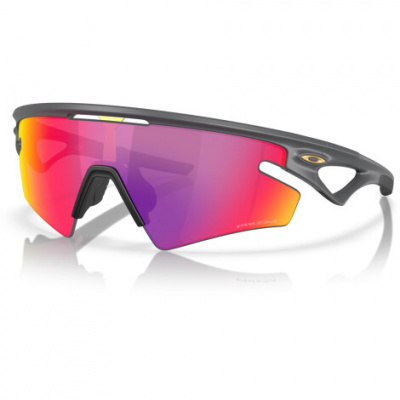
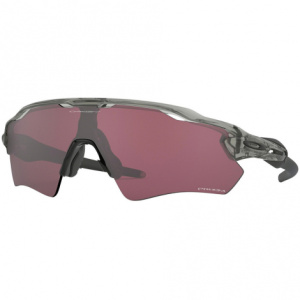
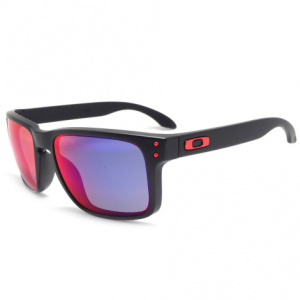
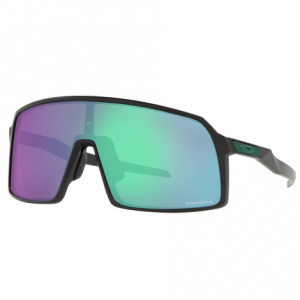
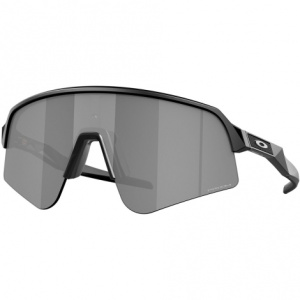
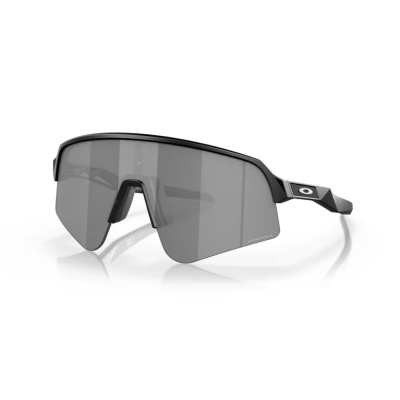
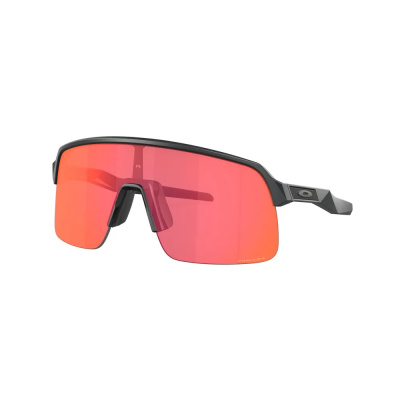
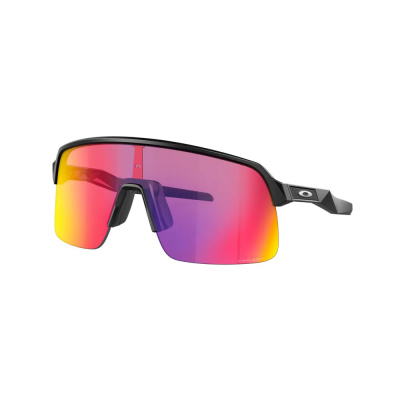
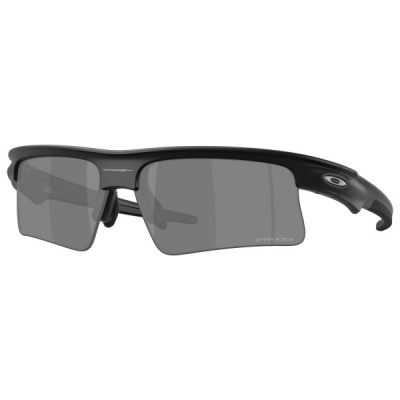
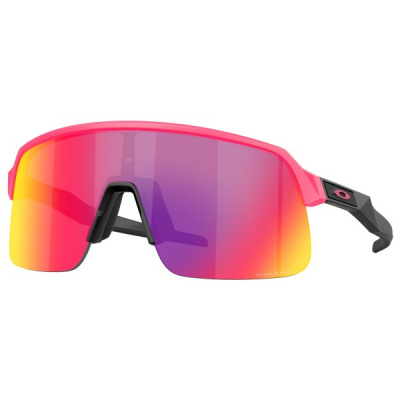
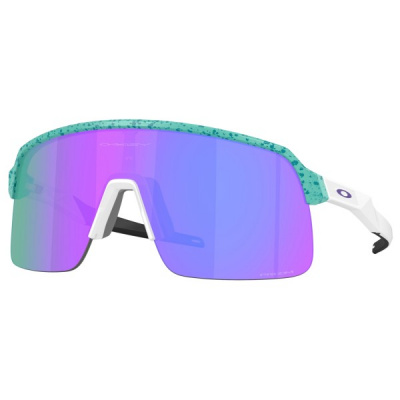
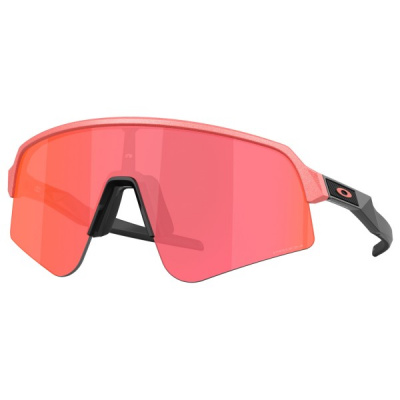
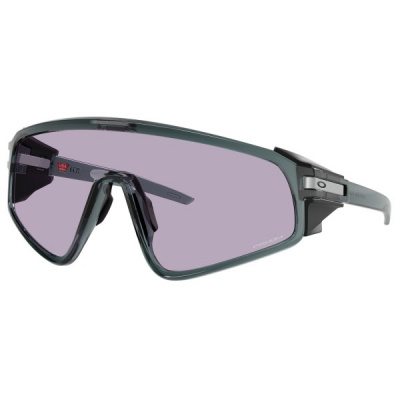
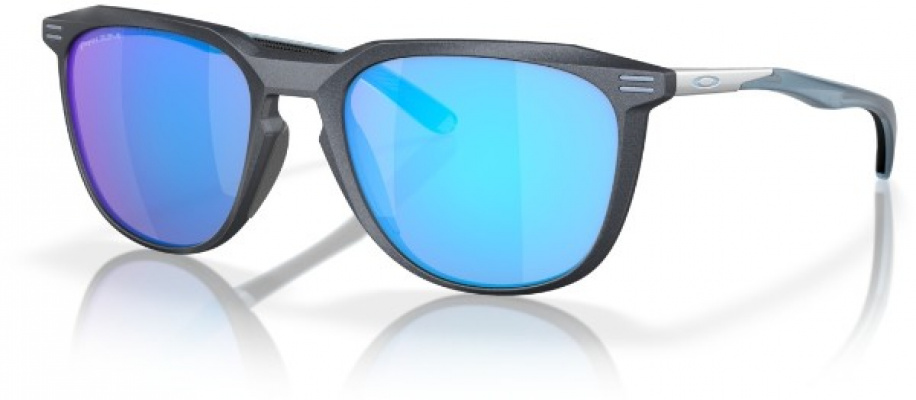
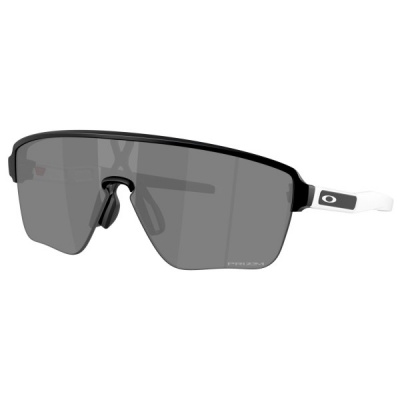
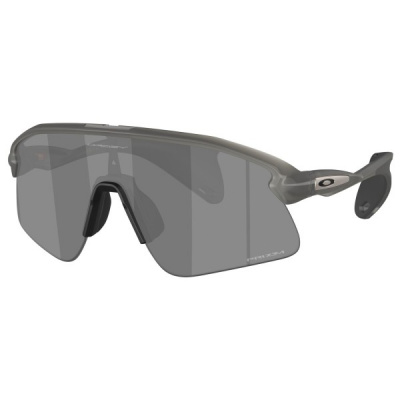
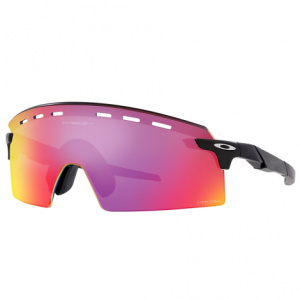
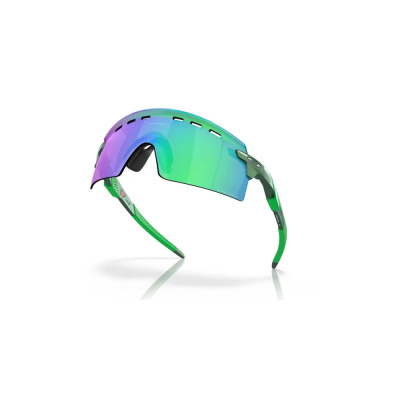
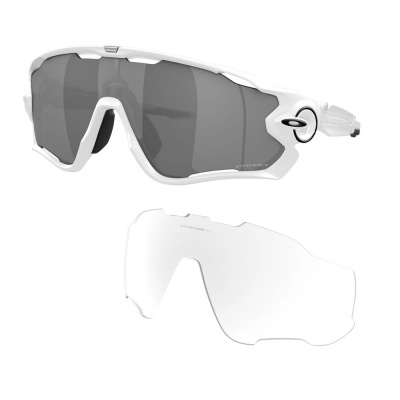
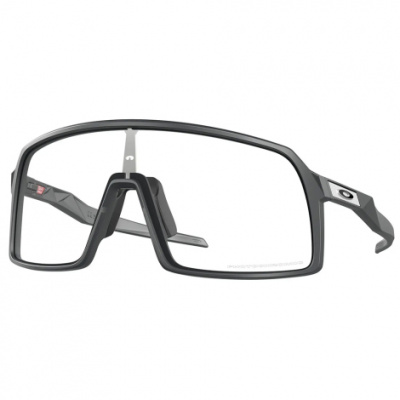
Prices and availability can change quickly. Delivery charges are not always included in listed prices.
Final price, stock status and delivery terms are set by retailer. We may receive a commission on purchases made.
Prizm Lenses in the Real UK Light
Britain doesn't do simple light. You can start a ride in flat grey overcast, hit a wooded section with strobing sun-through-trees, and finish in low autumn gold - sometimes all within an hour on the South Downs. That's exactly the problem Prizm lens technology is built to solve, and it does it by tuning specific wavelengths rather than just cutting overall brightness.
Prizm Road lenses boost the reds and greens that make tarmac surface changes - painted lines, wet patches, that pothole hiding in a shadow - pop out from the road ahead. In medium to bright conditions, it's the lens most road riders will reach for first. But a lot of UK riding isn't bright. For overcast winter days or early morning commutes, Visible Light Transmission (VLT) is the number to watch. A Prizm Road lens sits around 20 - 25% VLT, which is fine in sun but dim under cloud. That's where Prizm Low Light (around 75% VLT) or an Oakley photochromic cycling glasses option earns its place - photochromic lenses shift their tint automatically as conditions change, which makes them a genuinely practical choice for unpredictable British weather rather than a gimmick.
Off-road riders have a specific problem: dappled woodland light. The Thetford forest trails, the Quantocks, anywhere with a tree canopy overhead creates rapid light-to-shadow transitions that fool your eyes into missing contrast. Prizm Trail Torch is tuned for exactly this - it amplifies browns and greens to make roots, ruts, and off-camber surfaces read clearly rather than blending into the ground. It's a meaningful difference on technical singletrack where hesitation costs you momentum.
Whatever the lens, the hydrophobic coating on Oakley's treated lenses keeps rain and road spray beading off rather than sheeting across your vision. On a wet Welsh trail centre lap or a soggy Peak District road ride, that matters more than most riders expect until they've experienced the alternative.
Shield Lenses, Dual Lenses, and Picking the Right Frame
Oakley's cycling range splits broadly into two camps: large shield lenses and traditional dual-lens frames. Getting this choice right makes more difference than most people realise.
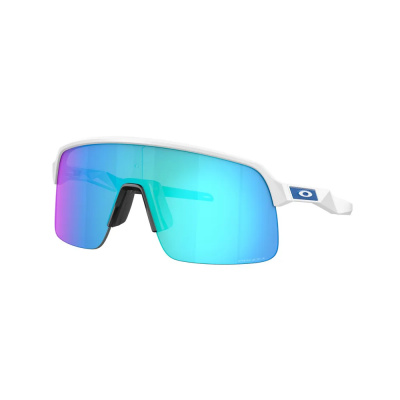
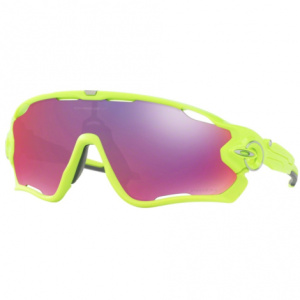
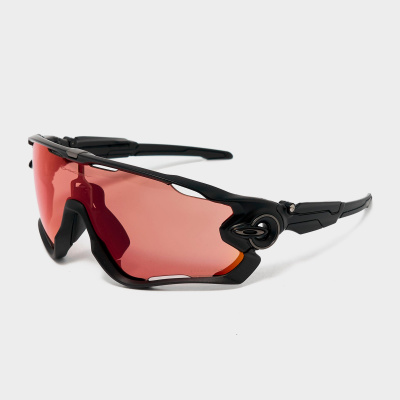
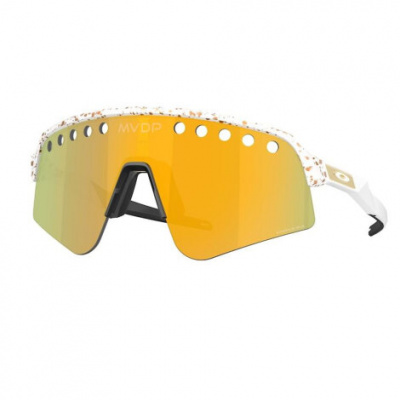
The shield models - Sutro, Kato, and Jawbreaker - wrap a single curved lens around your face for maximum peripheral vision and wind protection. There's almost no gap between the lens and your face, so air and road grit stay out even at speed. The Jawbreaker is the most race-oriented of the three, with a vented lower edge that improves airflow without sacrificing coverage - it's a staple in the pro peloton for good reason. The Sutro takes a slightly wider, more relaxed shape with a retro flavour; it's become popular with road and gravel riders who want the optical coverage without the aggressive look. The Kato pushes the geometry further with a distinctly modern, angular wrap.
If you prefer a more conventional fit, the Flak 2.0 uses a dual-lens setup that sits slightly further from the face and suits riders who find full shields claustrophobic or who wear corrective lenses underneath. The fit is narrower, the ventilation is better in still air, and it works with a wider range of face shapes.
Helmet compatibility is worth thinking about before you commit. Most Oakley helmets are designed to work with the brand's own eyewear, with channel cutouts in the foam that seat the arms cleanly. The Jawbreaker in particular has long, straight arms that can foul the retention dial cradle on some non-Oakley helmets - it's worth testing this with your specific lid before a long ride rather than discovering it at the trailhead. The Sutro's arms are shorter and tend to cause fewer compatibility issues across a broader range of helmets.
One genuinely useful feature across several models is Switchlock technology - a simple lever mechanism that lets you pop lenses in and out in seconds without tools and without flexing the frame. It's the kind of thing that sounds like a minor convenience until you're standing in a car park in November trying to swap from your tinted lens to a clear one with cold hands.
Building a Year-Round Setup and Keeping It Going
The most practical approach for UK riding is a single frame with two or three lenses rather than multiple pairs. Buy a Switchlock-equipped frame - the Jawbreaker and Sutro both qualify - and pair a Prizm Road or Prizm Trail lens for summer with a Prizm Low Light or clear lens for winter. You've covered the whole year for the cost of one extra lens, and the swap takes about ten seconds.
On care: Oakley's coatings are durable but not indestructible, and the things that kill them fastest are the ones riders do without thinking. Wiping a lens covered in gritty road spray with your jersey is the quickest way to scratch the hydrophobic coating and introduce fine scratches that fog your vision over time. Rinse with clean water first, always. The Microclear bag that comes with every pair is genuinely effective for cleaning - use it. What you should never use is household glass cleaner; the alcohol and ammonia content strips the anti-fog and hydrophobic treatments off in short order, and there's no getting them back.
Storage matters too. Tossing lenses loose in a kit bag or jersey pocket is a fast route to scratches. The Microclear bag doubles as a pouch for exactly this reason - tuck them in there even for short transfers.
If you're putting together a full kit, it's worth considering how your glasses work alongside your other gear. A well-vented helmet pairs well with a full-shield lens that handles wind; a looser-fitting lid works better with something like the Flak 2.0 that doesn't rely on face-seal to block airflow. Pairing with an Oakley jersey that has a decent rear pocket also solves the age-old problem of where to stash the glasses when you stop and need both hands - a soft pocket lining is far kinder to lens coatings than a zip pocket stuffed with energy gels.
Related searches:
Oakley Sunglasses FAQs
Which Oakley lens is best for cycling?
It depends on your surface and conditions. Prizm Road is the go-to for tarmac in medium to bright light - it sharpens contrast on road surfaces so painted lines and wet patches read clearly. For off-road riding in wooded or dappled light, Prizm Trail Torch amplifies browns and greens to help you spot roots and ruts early. For overcast UK winters, Prizm Low Light or a photochromic lens is the practical call.
Are Oakley Sutro good for cycling?
Very much so. The Sutro's large shield lens gives you excellent peripheral vision and solid wind protection without the full race-aggression of the Jawbreaker. The O Matter frame is light and comfortable over long rides, and the Unobtainium grip keeps things stable when you're working hard. It suits road and gravel riders particularly well, and the arms are shorter than the Jawbreaker, which helps with helmet compatibility.
Do Oakley cycling glasses fit with all helmets?
Mostly, but not always. Shield-lens models with long, straight arms - particularly the Jawbreaker - can conflict with the retention dial systems on some helmets, pressing awkwardly against the cradle. Oakley's own helmets are designed around their eyewear and tend to fit cleanly. If you're using a different lid, it's worth physically testing the arm fit before committing to a ride, especially with a new frame.