
Nutrak MTB Tyres
Nutrak MTB tyres are one of those quiet workhorses that keep a surprising number of UK bikes rolling - from dusty canal towpaths to greasy woodland singletrack - without demanding a premium price in return. If you're rebuilding a 26-inch hardtail that's been gathering cobwebs, or you just want a dependable set of rubber for weekend trail bashing without agonising over the cost, Nutrak deserves a serious look.
The range covers 26 inch, 27.5, and 29er wheel sizes, so compatibility isn't the headache it can be with some budget brands. Construction is predominantly wire bead clincher, meaning these are inner tube compatible tyres built for straightforward fitting and long service life. The rubber compounds are tuned for durability rather than outright performance - deliberately so. You're not paying for a race-day compound that wears out in a season; you're getting a tyre that keeps going through autumn grit, winter mud, and everything the UK calendar throws between.
Integrated puncture protection belts on select models add a practical layer of reassurance, particularly useful on the flinty bridleways and loose chalk tracks that slice through thinner sidewalls without warning. For riders who want fit-and-forget reliability on a sensible budget, Nutrak makes a clear case for itself.
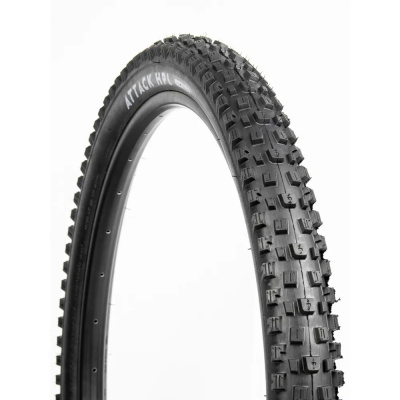
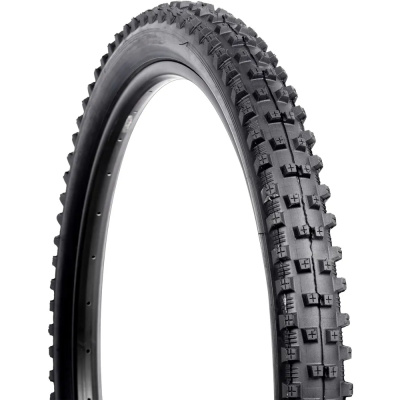
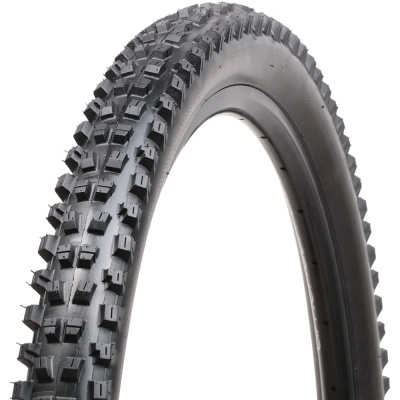
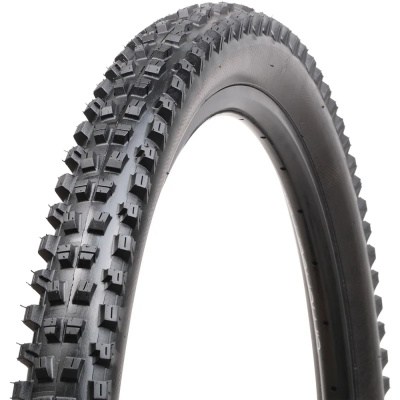
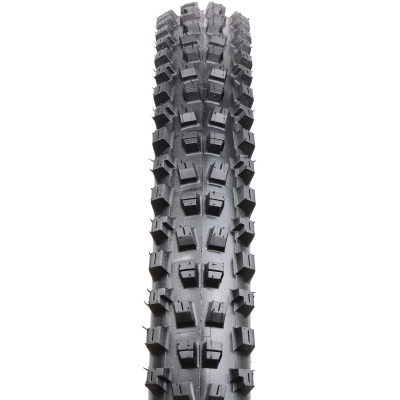
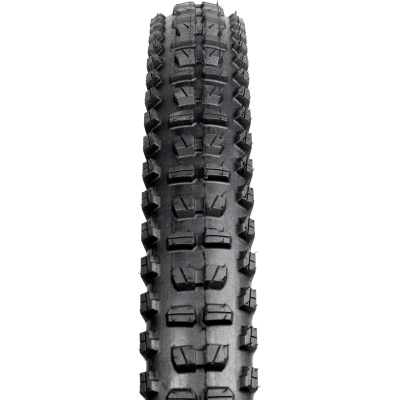
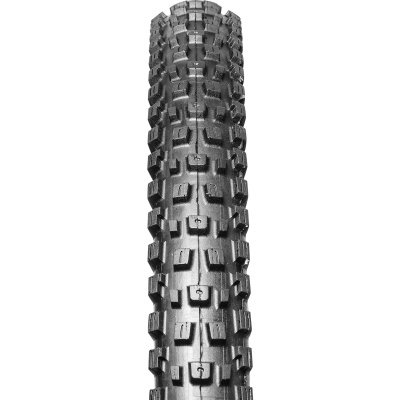
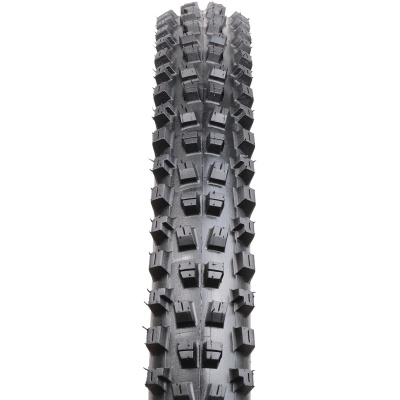
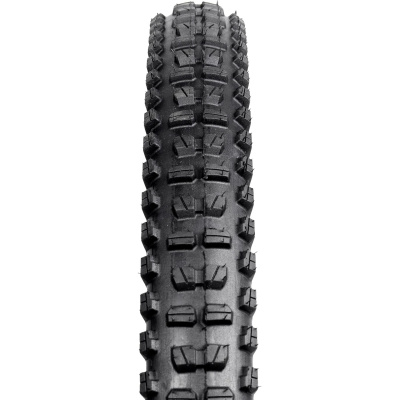
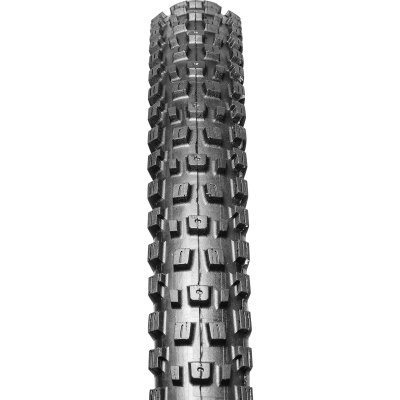
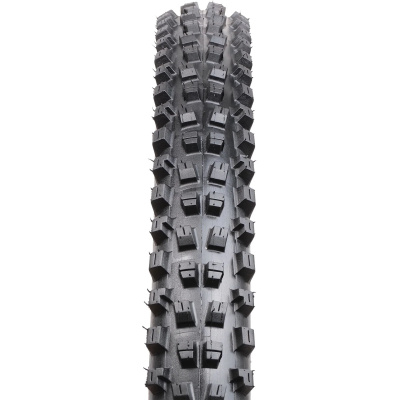
Prices and availability can change quickly. Delivery charges are not always included in listed prices.
Final price, stock status and delivery terms are set by retailer. We may receive a commission on purchases made.
Sizing, Wheel Compatibility and Bead Types
Getting the right Nutrak tyre starts with knowing your wheel size - and being honest about your rim's internal width. The range spans Nutrak 26 inch MTB tyres, 27.5 (also sold as 650b), and 29er fitments. Each size carries a selection of widths, typically between 1.95 and 2.25 inches, so check your frame's tyre clearance before you order. A tyre that's too wide for your rim's internal width will sit with an overly rounded profile and can roll under hard cornering loads - not what you want on a tight switchback above Llandegla.
All standard Nutrak MTB options use a wire bead construction. That means the tyre bead is reinforced with a steel wire rather than a lightweight folding aramid bead you'd find on pricier options from Maxxis or WTB. Wire bead tyres are heavier and less packable, but they seat predictably on the rim, resist creep under load, and cost noticeably less. For a trail hardtail or a bike that rarely leaves the roof rack, the weight penalty is academic.
These are inner tube compatible clinchers - not tubeless ready. The sidewall construction and bead profile aren't designed to form an airtight seal on a tubeless rim without a tube present. If tubeless is a priority, Continental or Kenda offer dedicated tubeless-ready options at stepped price points. For Nutrak, pair them with quality Nutrak inner tubes and you'll get consistent, reliable results.
What the Tread Range Actually Covers
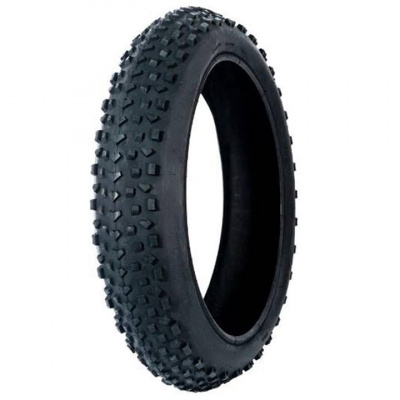
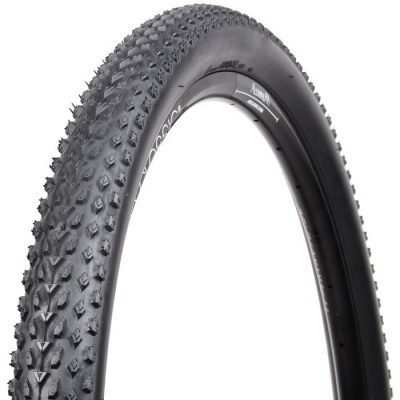
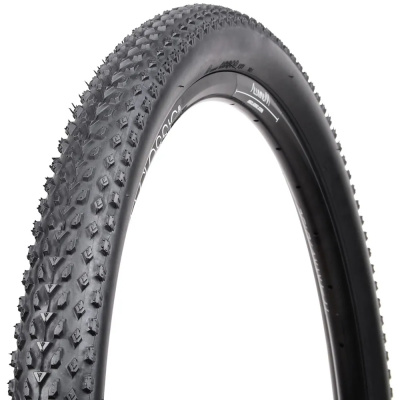
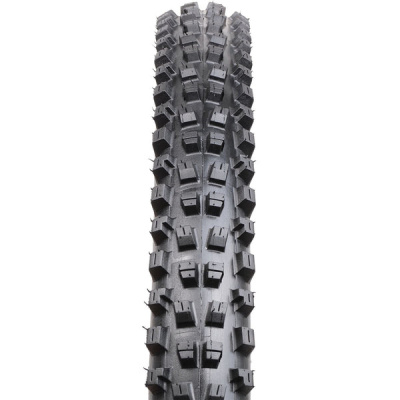
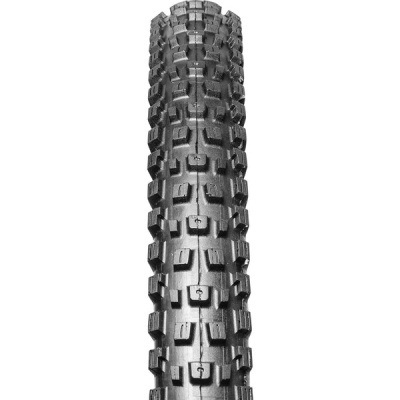
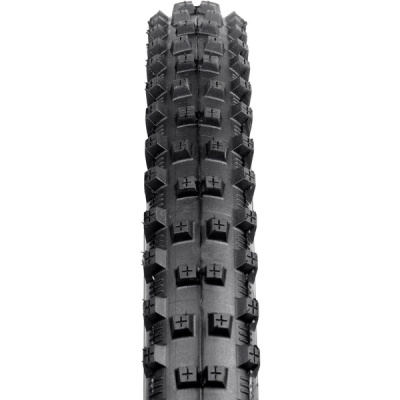
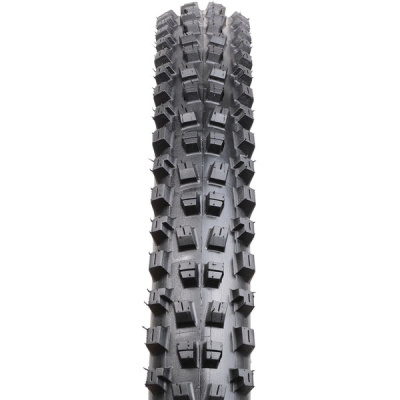
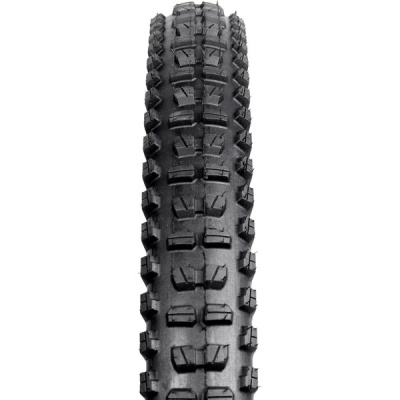
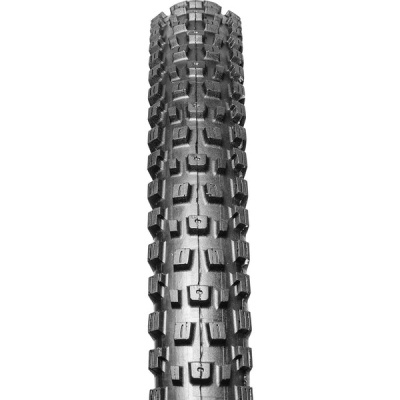
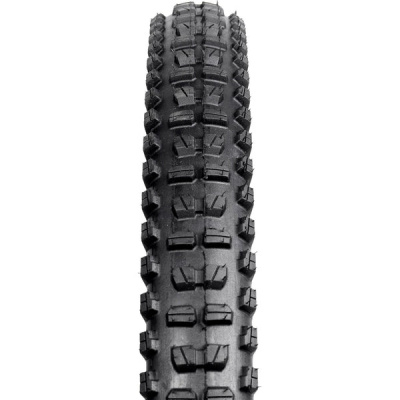
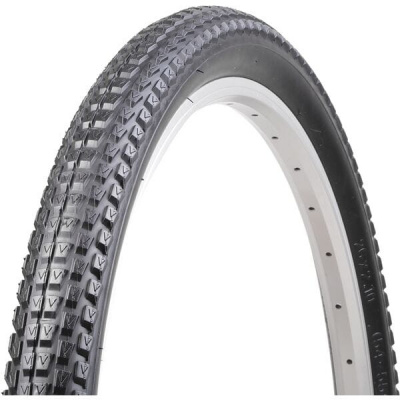
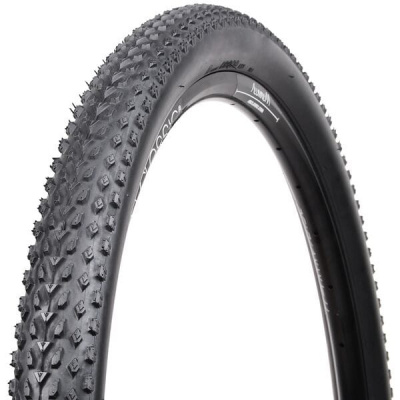
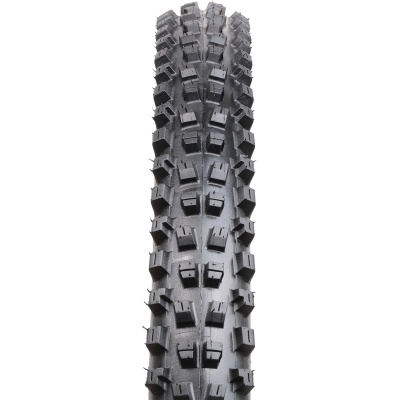
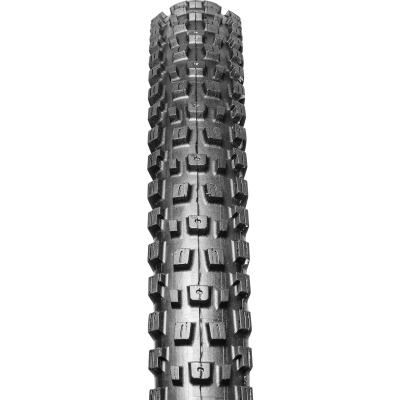
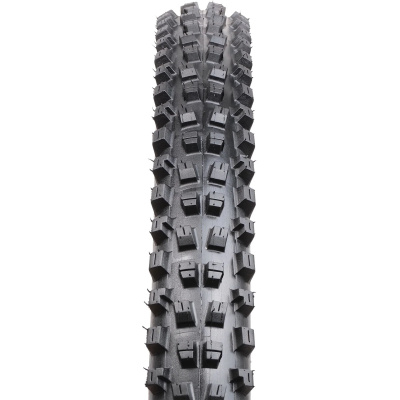
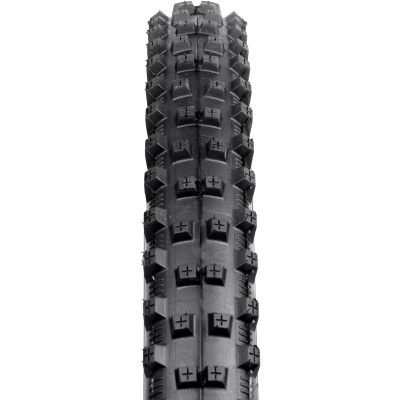
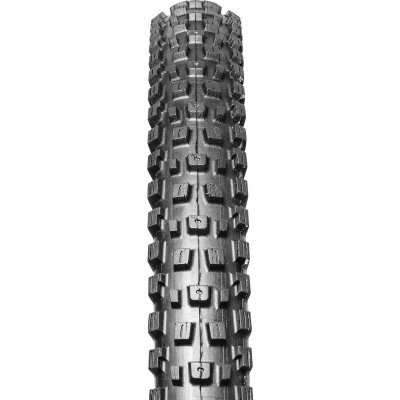
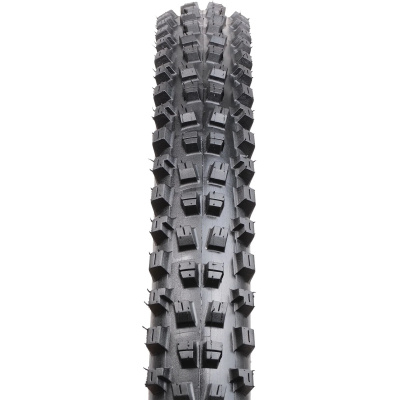
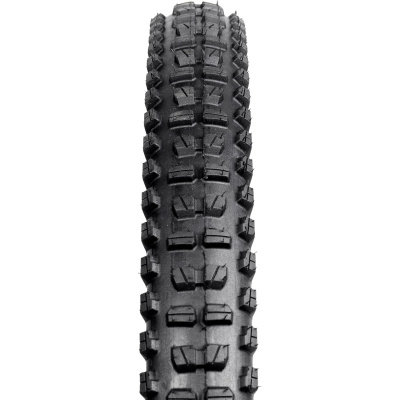
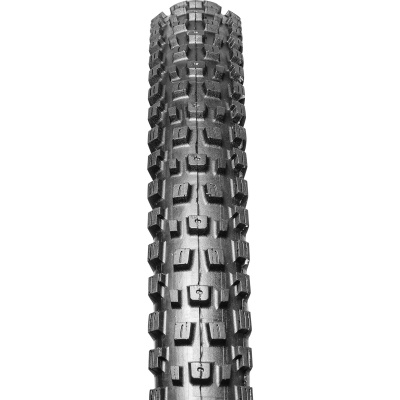
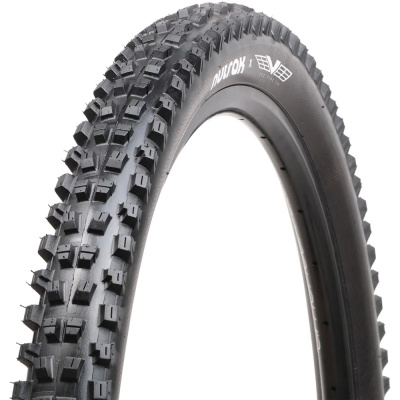
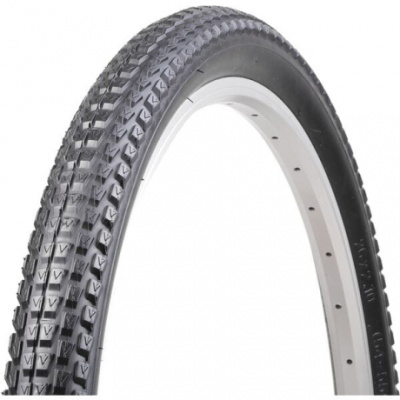
Nutrak's MTB range splits broadly into two camps, and knowing which one you need saves a frustrating swap down the line. The faster-rolling options feature closely packed centre knobs with a lower-profile tread pattern - these suit hardpack trails, compacted gravel, and the kind of flat towpath riding where rolling resistance matters more than mud clearance. Think a dry day on the South Downs or a summer lap around Cannock Chase. The centre knobs flow efficiently and the transition to the shoulder knobs is progressive enough that you're not suddenly on ice when you tip into a corner.
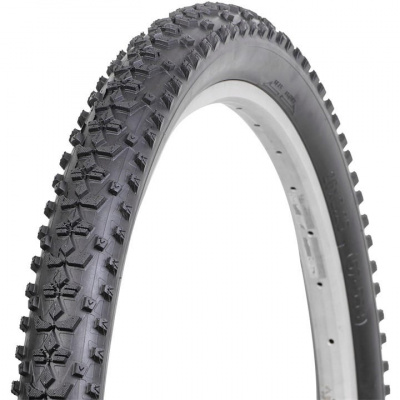
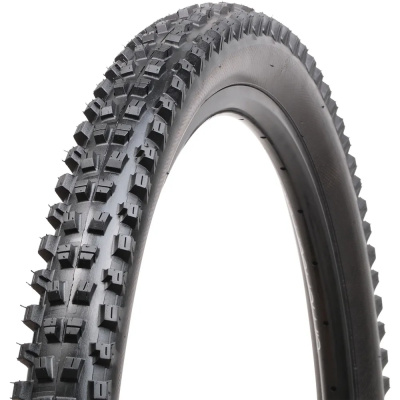
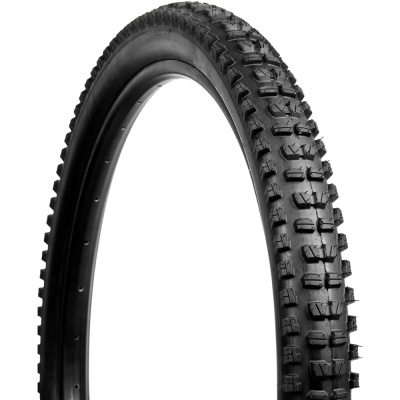
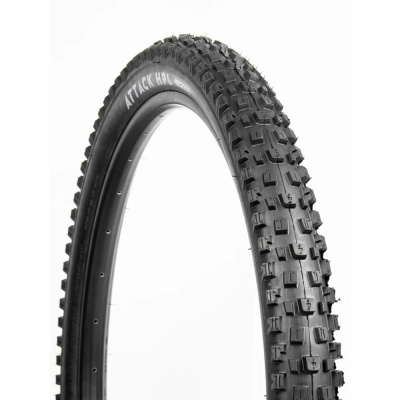
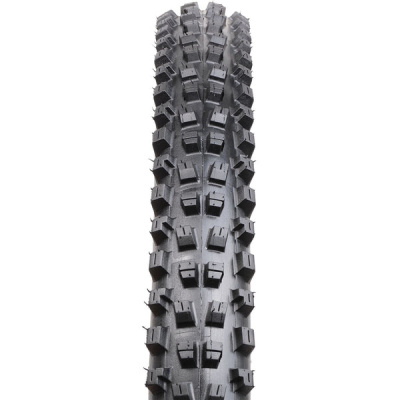
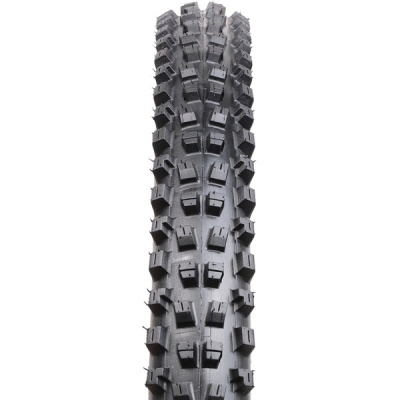
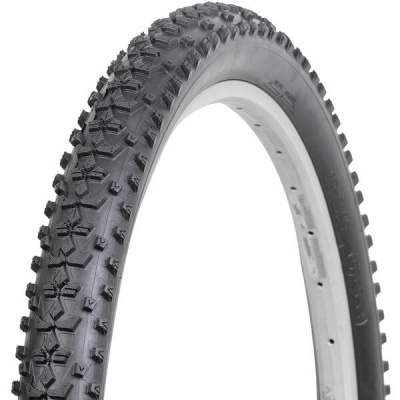
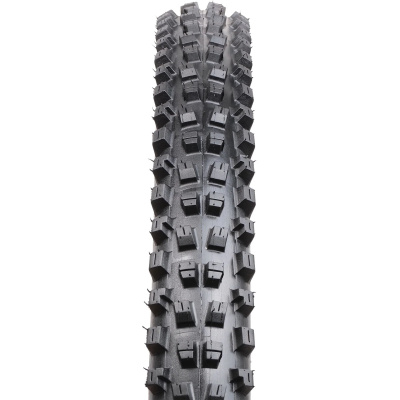
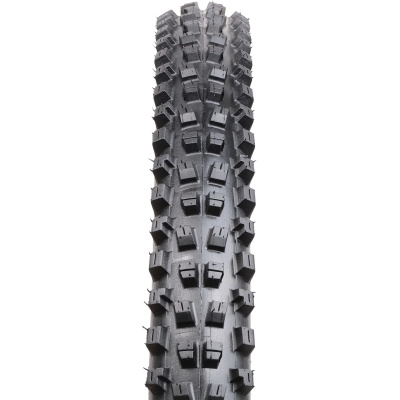
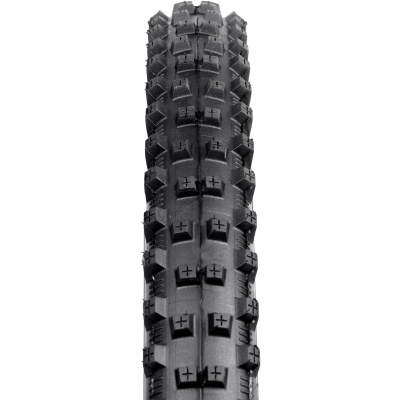
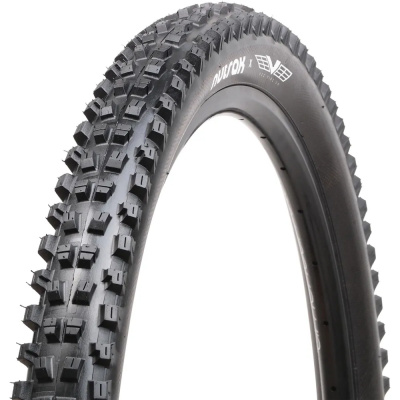
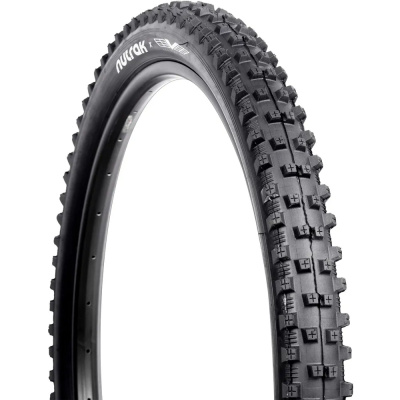
The more aggressive trail options open up the block spacing considerably. Wider-spaced, taller knobs give mud somewhere to go rather than packing the tread solid - a genuine concern on the clay-heavy trails of the Surrey Hills or any sodden Welsh forestry track between October and April. The shoulder knobs on these models bite well under braking and lean, which is where cheaper tyres often fall apart. Rolling resistance climbs with these patterns, but that's the trade-off you accept when conditions turn greasy.
As cheap MTB tyres for trails go, the value here is real. You're not getting a dual-compound tread or a sub-600g weight figure, but you are getting a tyre that grips credibly, wears slowly, and doesn't cost more than a decent chain. The durable high-mileage rubber compounds Nutrak uses are the honest reason these tyres suit recreational riders and commuting crossovers - longevity over outright performance, every time.
UK Mud, Flint and Winter Grit - How Nutrak Holds Up
British trails are genuinely hostile to cheap rubber. Flinty bridleways in the Chilterns and South Downs can open up a thin sidewall in a single session. Winter grit - the road-salt contaminated slurry that coats bridleways from November onwards - acts like a slow grinding compound on softer tread compounds. Nutrak's harder rubber formulation resists that abrasive wear better than you might expect from a tyre at this price, though it means they won't feel as grippy as a fresh Maxxis Minion on loose loam. Different tool, different job.
The integrated puncture protection belts found on select Nutrak models add a sub-tread layer that deflects flint shards and glass fragments that would otherwise cause slow punctures mid-ride. It's not armour plating, but it meaningfully reduces puncture frequency on mixed-surface riding - commuters and towpath riders will notice the difference. Check the product listing to confirm which models carry this feature, as it's not universal across the range.
When it comes to maintenance, get into the habit of spinning the wheel after every muddy outing and running a thumb along the sidewall to feel for cuts or embedded stones. A small nick that hasn't gone through the casing can be left; anything that's opened the casing weave needs addressing before the next ride. Tread wear on wire bead tyres like these is usually visible - once the knob height drops noticeably and the centre blocks start squaring off, swap them out. Keeping a Nutrak puncture kit in your pack is plain common sense on longer days out, and worth adding to your order alongside the tyres.
One more thing worth saying: wire bead tyres can be stiff to mount cold. Warm the tyre up slightly before fitting - a sunny wall or a warm room works - and the bead seats far more easily. If you're using Nutrak rim tape, make sure it's seated cleanly before the tube goes in; a misaligned tape edge is a surprisingly common cause of mysterious slow punctures on a fresh build.
Nutrak MTB Tyres FAQs
Are Nutrak tyres any good for mountain biking?
For entry-level trail riding, towpath commuting, and casual weekend use, yes - they're genuinely solid. The durable rubber compounds last well, grip is reliable on mixed UK surfaces, and the price leaves room in the budget for everything else. They're not a race-day tyre, but that's not what they're here to be.
Are Nutrak MTB tyres tubeless ready?
No. Nutrak MTB tyres are wire bead clinchers designed to run with inner tubes. The bead and sidewall construction won't form a reliable airtight seal on a tubeless rim. Check the tyre sidewall markings if in doubt, but plan on using a standard tube setup with these.
What tyre pressure should I run on Nutrak MTB tyres?
With inner tubes, 28 - 35 PSI is a sensible starting range for most UK trail riding. Lighter riders and wider tyres can sit at the lower end; heavier riders on rockier ground should push towards 35 PSI to avoid pinch flats on roots and embedded rocks. Don't run them too soft - the wire bead won't thank you.