
Nutrak Commuter And Hybrid Tyres
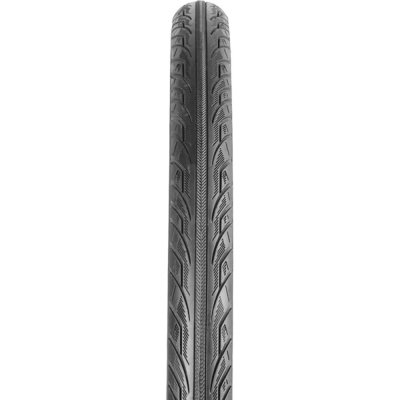
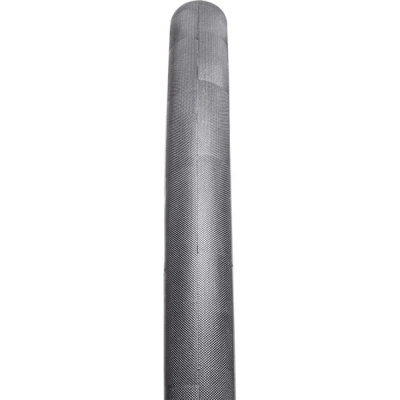
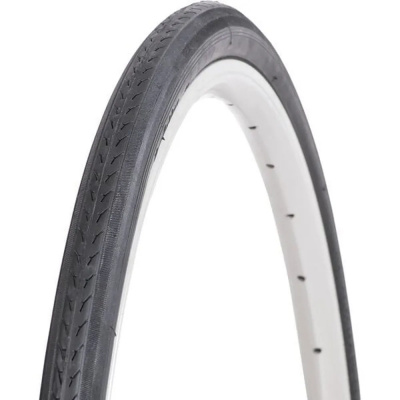
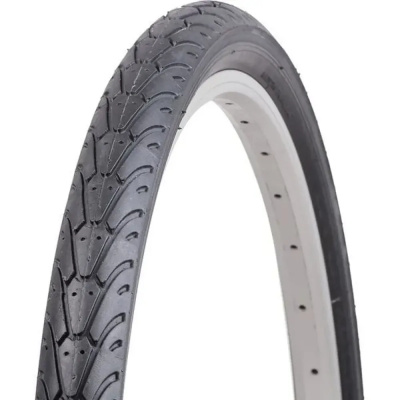
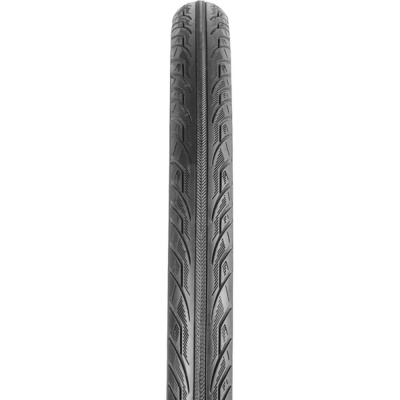
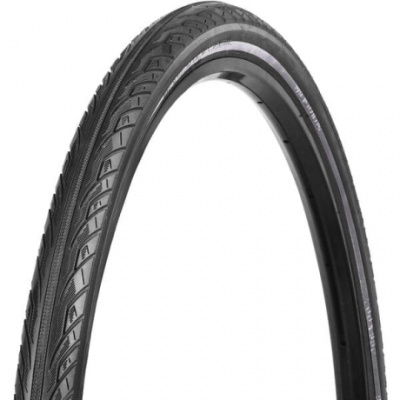
When your bike is your alarm clock and your commute depends on two wheels staying round, Nutrak commuter and hybrid tyres are worth a serious look. They're a fixture in UK bike shops for good reason: durable, no-nonsense rubber at a price that doesn't sting when you're replacing a tyre after a bad week of glass on the cycle lane. These are clincher tyres built for the grind of urban cycling - wire bead construction keeps costs down and structural integrity up, while deep-grooved water displacement tread patterns stop you aquaplaning on rain-slicked tarmac (and in the UK, that matters more than it should). Select models add an aramid puncture protection belt beneath the casing, which is the difference between a quick pump-up and an unplanned kerbside repair on a dark November morning. The range covers the most common hybrid sizes, with 700x35c and 700x38c options sitting at the practical end for riders who want a bit more cushion underfoot without sacrificing rolling resistance on smooth tarmac. If you've been running the same worn-out rubber for two winters, compare prices below and sort it out before the next pothole does it for you.
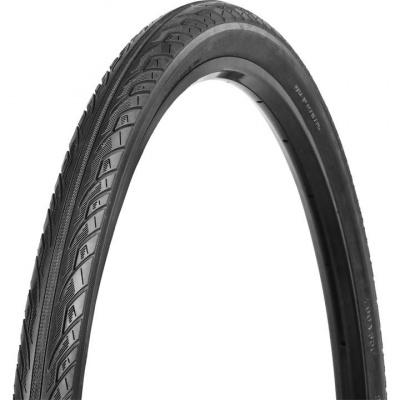
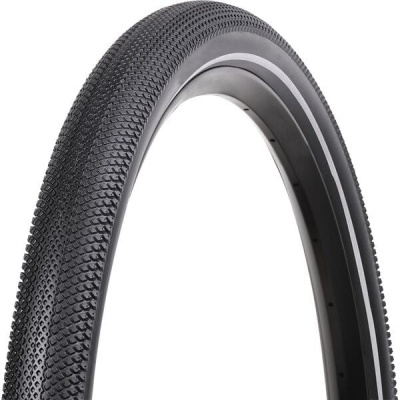
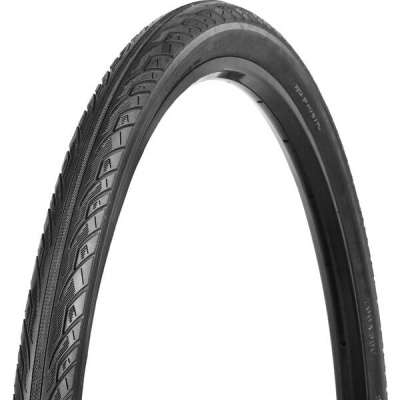
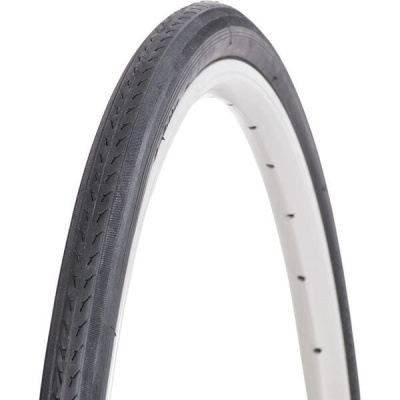
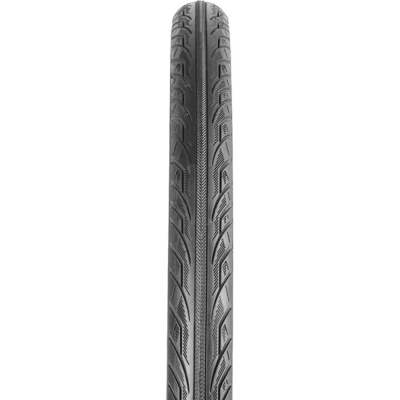
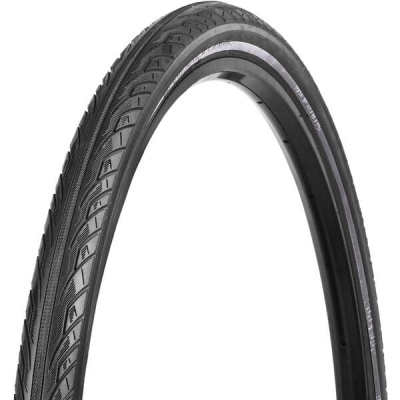
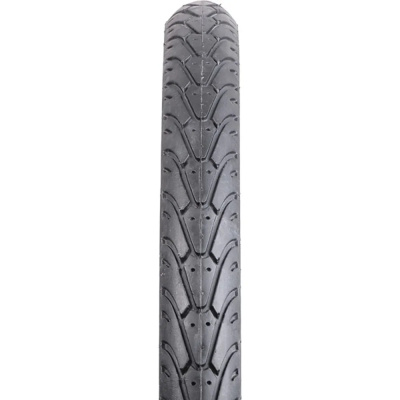
Prices and availability can change quickly. Delivery charges are not always included in listed prices.
Final price, stock status and delivery terms are set by retailer. We may receive a commission on purchases made.
Sizing, Standards, and Getting the Fit Right
Most Nutrak hybrid tyres are built around the 700c standard - that's an ETRTO 622mm bead seat diameter, the near-universal size on modern hybrid and urban bikes. You'll also find some older commuter frames and folding bikes running 26-inch wheels, so double-check what's printed on your current tyre sidewall before ordering. Within the 700c family, width is where decisions get made: a 700x35c rolls efficiently on smooth cycle paths, while a 700x38c absorbs more road shock on broken tarmac and towpaths without demanding a suspension fork.
Before you size up for more comfort, grab a ruler. Check the clearance between your current tyre and the frame's chainstays, fork crown, and - critically - your mudguards if you're running them. The mechanic's rule of thumb is at least 4 - 5mm of clear space on all sides once the new tyre is seated, accounting for wheel flex and the odd bit of debris getting trapped. A tyre that rubs a mudguard stay is a puncture waiting to happen. These are standard clincher tyres, so they need inner tubes - while you're here, check your Nutrak inner tubes are in good shape too, because a cracked or mismatched tube undoes the work of a fresh tyre.
Entry-Level vs. Protected: What You Actually Get for the Money
Nutrak's commuter range sits across two clear tiers, and knowing which one suits you saves money without costing you reliability. The standard wire bead replacement tyres are honest, hard-wearing rubber - thick enough to handle urban grit and debris, light enough on your wallet that replacing one after a bad slash doesn't feel like a crisis. They're the right call for low-mileage commuters, fair-weather riders, or anyone on a tight budget who sticks to well-maintained cycle routes.
Step up to the models with an aramid or Kevlar puncture protection belt and the proposition shifts. You're adding a woven layer between the tread and the casing that resists flint, glass fragments, and the sort of sharp debris that lurks in urban cycle lanes like a badly-kept secret. The trade-off is a modest weight penalty - we're talking grams, not kilograms - and a slightly higher price. For a daily commuter covering meaningful mileage in all weather, that trade-off is straightforward. Fewer roadside repairs on wet evenings is worth it. If you're comparing against Continental commuter tyres or Michelin's hybrid range, Nutrak's protected models compete on puncture resistance at a noticeably lower price point, which is the honest summary of where they sit in the market. For riders who want even more aggressive tread options, Nutrak MTB tyres are worth a look if your commute dips onto loose surfaces.
Keeping Them Rolling: Pressure, Inspection, and Knowing When to Replace
Tyre pressure on a hybrid is one of those things riders either obsess over or ignore entirely. For most 700c commuter tyres in the 35c to 40c width range, 50 - 70 PSI is the working range. Towards the top end you'll get lower rolling resistance on smooth tarmac - good for a fast, flat commute. Drop towards 50 PSI and you pick up more grip and compliance on rougher surfaces or towpaths, which also reduces the risk of a pinch flat when a pothole catches you off guard. Run them too soft and you're asking for pinch flats; too hard and the bike skips over rough surfaces rather than tracking through them. Check pressure weekly if you're commuting daily - butyl tubes lose a few PSI over time even without a puncture.
Before each ride, a quick roll-over inspection takes ten seconds and catches problems before they become problems. Run your fingers lightly around the tread and look for embedded glass or flint - small fragments work their way through the casing slowly, and catching them early means pulling them out before they finish the job. The deep-grooved water channelling tread on Nutrak's commuter tyres does a solid job of displacing surface water, but those grooves also collect debris, so they're worth a close look after wet rides.
Replacement time is when the centre tread squares off visibly - that rounded profile is doing real work, and a flat centre means reduced grip in the wet. Cracked or frayed sidewalls are a more urgent signal; a sidewall that's starting to show its casing is one pothole from a blowout. Most commuter tyres in this category will comfortably cover several thousand kilometres of urban riding before reaching that point, but it depends heavily on road surface and load. Keep a repair kit with you - Maxxis and Vittoria both offer comparable alternatives if you're weighing options, but having the basics to deal with a flat on the road is non-negotiable regardless of what rubber you run.
Nutrak Commuter And Hybrid Tyres FAQs
Are Nutrak tyres good for daily commuting?
Yes, genuinely. Nutrak commuter tyres are built around thick rubber compounds and high-durability wire bead construction - they prioritise mileage and puncture resistance over weight savings. For riders who need reliable, no-fuss rubber day in and day out without spending a fortune, they do the job well.
What tyre pressure should I run on a hybrid bike for city riding?
For most 700c hybrid tyres in the 32c to 40c range, 50 - 70 PSI works well. Run towards 70 PSI on smooth tarmac for lower rolling resistance; drop to around 50 PSI on rougher surfaces or towpaths for more grip and comfort. Check pressure weekly - slow leakage through the valve is normal.
How do I know if a wider 700c tyre will fit my hybrid bike?
Measure the gap between your current tyre and the frame's chainstays, fork crown, and mudguards. You need at least 4 - 5mm of clear space on all sides of the new, wider tyre once fitted. That clearance accounts for wheel flex and debris getting lodged between tyre and frame - less than that and you risk rubbing or pinch flats.