
Momentum Saddles
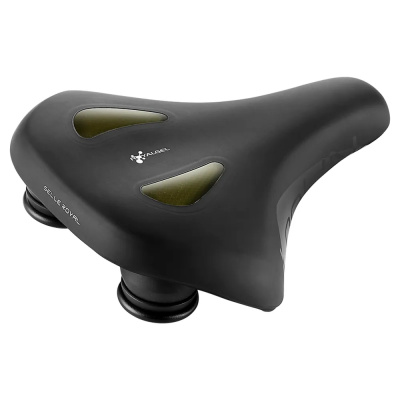
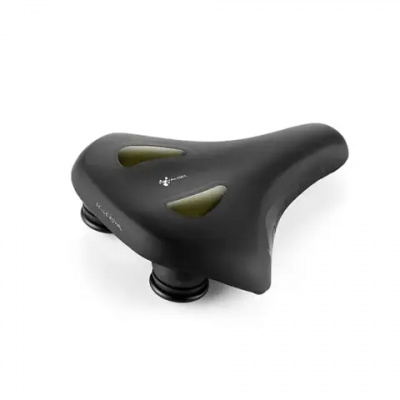
Momentum saddles are designed from the ground up for urban riding - upright geometry, daily mileage, and the kind of roads that'll test any component. As the lifestyle and urban arm of Giant Bicycles, Momentum focuses squarely on real-world comfort rather than chasing weight savings you'd never notice on a morning commute. That means high-density memory foam calibrated for an upright riding position, integrated elastomer shock absorbers to take the edge off pothole impacts, and synthetic covers that won't soak up every puddle you roll through. Whether you're replacing a worn-out stock seat that's been suffering quietly since the bike left the shop, or hunting for an e-bike-specific saddle with a rear lift handle to manage a heavier machine, there's a model in the range worth comparing. The e-bike saddles in particular stand out - reinforced bases, more substantial foam, and construction that accounts for the extra load and momentum a 25kg e-bike brings into a kerb drop. We've pulled together the full Momentum saddle range below so you can compare prices, specs, and find the right fit for your commute or leisure ride.
Prices and availability can change quickly. Delivery charges are not always included in listed prices.
Final price, stock status and delivery terms are set by retailer. We may receive a commission on purchases made.
Will a Momentum Saddle Fit Your Bike?
Momentum saddles run standard 7x7mm round steel or chromoly rails, which means they'll slot straight onto virtually any modern seatpost clamp - two-bolt micro-adjust or single-bolt side-clamp, it doesn't matter. That's the same rail spec used across most of the market, so swapping one in is usually a five-minute job with an Allen key. If you're running an older bike with a plain 'candle' seatpost - the kind with no integrated clamp mechanism - you'll need a separate saddle clamp insert before you can fit any conventional saddle, Momentum or otherwise. Worth checking before you order.
One thing to flag on the e-bike-specific models: several feature integrated rear lift handles moulded into the saddle base, which is genuinely useful when you're manoeuvring a heavy machine in a tight hallway or onto a train. The trade-off is that the handle adds a small amount of bulk behind the rails. If you run a low-slung pannier bag or a saddle pack that clips close to the base, check clearance before committing. It's a minor point, but it's the sort of thing you only notice after the delivery arrives. For riders comparing alternatives from other urban-focused brands, Ergon saddles also use standard rail dimensions and are worth a look if you want a more structured wing design.
Commuter vs. E-Bike Models: What the Range Actually Offers
There's a clear split in the Momentum range once you know what to look for. The standard commuter saddles prioritise wide sit bone width support and straightforward foam padding - solid for shorter daily rides where you want comfort without complication. They're broader at the rear, shaped for an upright position rather than a forward-leaning road tuck, and covered in a waterproof synthetic cover that handles light rain without fuss. Perfectly functional. Not over-engineered.
The e-bike-specific saddles are a different proposition. These come with high-density memory foam layered over a reinforced base, and crucially, integrated elastomer shock absorbers built into the structure beneath the foam. Why does that matter? Because riding a 25kg e-bike over a speed bump or a broken gutter edge generates noticeably more impact than the same manoeuvre on a lightweight city bike - the mass just transfers differently. The elastomers absorb that compliance at source rather than letting it travel up your spine. It's a meaningful difference on a longer commute, the sort of thing you notice on the way home rather than the way out. If you're riding a Momentum e-bike already, matching it with one of these saddles makes mechanical sense too - the geometry and padding density are calibrated for that style of riding. For comparison, Giant saddles share some development DNA and are worth comparing at a similar price point, while Brooks saddles offer a leather alternative if you're after a longer-term, break-in option for slower urban use.
The honest trade-off with the premium e-bike models is weight. The reinforced base and elastomer units add grams that a weight-conscious rider might notice - but if you're already aboard an e-bike, that conversation is largely academic. The extra comfort on a daily commute is worth far more than shaving a few grams off the saddle.
Keeping It Quiet and Dry: Maintenance in UK Conditions
UK roads are not kind to saddles. Between the rain, the grit, and the winter salt, components take a beating that riders in drier climates simply don't deal with. The sealed waterproof synthetic cover on Momentum saddles is the first line of defence - it's designed to repel water and stop the internal foam from waterlogging during a wet commute. That matters more than it sounds. A foam saddle that's absorbed water feels dead underfoot and takes days to dry out properly. Keep the cover intact and it does its job well.
The weak point, as with most synthetic saddles, is the cover's durability if it picks up a scuff or a tear in a low-speed topple. Once that seal is broken, the foam beneath acts like a sponge. Patch it with a waterproof repair strip or use a fitted saddle cover over winter - a cheap fix that saves the saddle. Pairing the saddle with a set of Momentum mudguards will also reduce the amount of grit and spray reaching the underside of the seat in the first place.
The other classic UK issue is saddle creak. Road grit works into the points where the 7x7mm saddle rails enter the plastic shell, and under pedalling load that produces an intermittent creak that'll drive you quietly mad. The fix is straightforward: a drop of dry lube or silicone spray applied exactly where the rail meets the base will flush out the grit and stop the noise. Don't use wet lube there - it attracts more grit and compounds the problem over time. If the creak comes back after a few weeks, it's worth removing the saddle entirely, cleaning the rail insertion points with a cloth, and reapplying. A two-minute job that most riders ignore for far too long. Fabric saddles use a similar rail design and face the same issue in wet conditions - it's not a Momentum-specific quirk, just physics.
Momentum Saddles FAQs
Are Momentum saddles compatible with standard seatposts?
Yes. Momentum saddles use standard 7x7mm round rails, so they'll fit almost any two-bolt micro-adjust or single-bolt seatpost without adapters. The one exception is older 'candle' style seatposts, which have no integrated clamp - you'll need a basic saddle clamp insert to mount any conventional saddle on those.
How do I stop my saddle rails from creaking?
UK road grit is usually the culprit - it works into the rail insertion points at the plastic shell and creaks under load. Apply a drop of dry lube or silicone spray where the rails enter the base. Avoid wet lube; it attracts more grit. If the noise returns after a few weeks, remove the saddle, clean the contact points, and reapply.
Are Momentum saddles waterproof?
Most Momentum saddles use a sealed synthetic cover that repels rain and prevents foam waterlogging during normal use. If that cover gets torn or scuffed, water can get in and the foam will absorb it. Patch any damage promptly, or fit a waterproof saddle cover over winter to protect the seal.