
Mavic Headwear
Mavic cycling headwear does the quiet, unglamorous work that keeps your ride from unravelling - sweat out of your eyes on a humid August climb, heat locked in during a January descent into a headwind. The range covers the full seasonal spread: lightweight cotton-blend caps for café-stop mornings, moisture-wicking mesh for hard summer efforts, and windproof thermal skull caps for the kind of deep winter base miles that feel more like character-building than training. Every piece is cut to sit cleanly under a lid without creating pressure points where your helmet's retention system clamps down - that detail matters more than most riders realise until it doesn't, and then it's all they can think about. The peak brim on the summer caps is there for a reason too: British drizzle has a talent for finding the gap between helmet brim and glasses, and a cap sorts that out immediately. If you're after actual crash protection, this isn't the page - jump across to our Mavic Helmets or Mavic Kids Helmets pages for hard-shell gear. Here, it's all softgoods.
Prices and availability can change quickly. Delivery charges are not always included in listed prices.
Final price, stock status and delivery terms are set by retailer. We may receive a commission on purchases made.
Fabric Tech & Weather Performance
Mavic's material choices are matched to conditions rather than aesthetics, which is a distinction worth making. Summer caps use lightweight, moisture-wicking fabrics - often open-mesh panels - that pull sweat away from your scalp before it can track down into your eyes or glasses. On a humid climb in the Brecon Beacons or grinding up a Surrey Hills drag in July, that function is the difference between clear vision and a stinging squint.
Winter skull caps are where the engineering gets more involved. Mavic uses brushed microfleece lining on their thermal options, which traps a thin layer of warm air against your head without adding bulk that would compromise lid fit. The front panels use Wind Ride technology - a windproof construction that cuts out the brutal chill you get on fast descents, where the temperature can feel ten degrees colder than it actually is. Ear coverage is full and close-fitting, which matters when you're grinding out November miles in the Peak District and the cold is coming from every angle.
DWR (Durable Water Repellent) treatments on several models give the outer fabric a fighting chance against light drizzle. Not waterproof - that's not the goal - but enough to bead off the brief, irritating showers that make up a good chunk of UK riding without saturating the fabric and dragging the cap down over your ears. Breathability is retained because the DWR sits on the outer surface rather than blocking the weave, so you're not cooking on the climbs to stay dry on the descents.
Understanding the Mavic Fit & Range
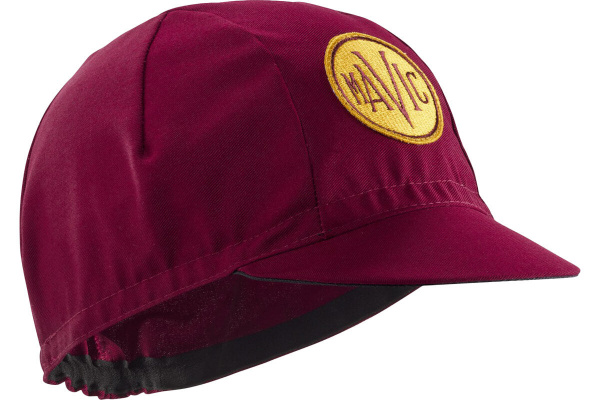
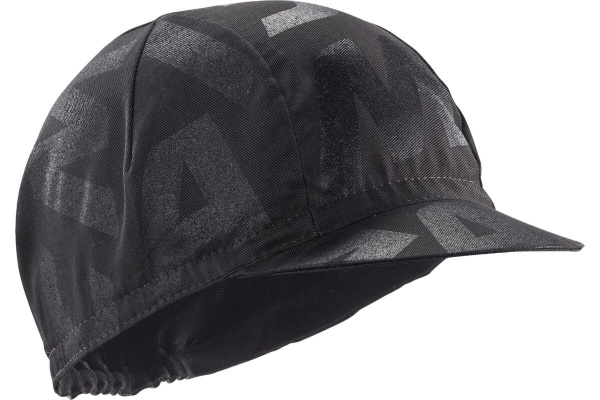
The range splits into three clear types. Traditional peaked caps with a short cotton or cotton-blend brim - the classic road cycling cap - sit at one end. These are for the café ride, the gentle Sunday morning, or anyone who just wants sweat and sun managed without overthinking it. The peak flips up or down depending on conditions and personal taste; old habit, practical function, both valid.
Thermal skull caps are the workhorse of the winter end of the range. No peak, full ear coverage, cut to wrap snugly from the base of the skull to just above the eyebrows. These are the caps you'll be reaching for from October through to March, pairing with a Mavic winter jacket when the forecast turns properly grim. Some riders find skull caps feel claustrophobic initially - give them twenty minutes and a bit of effort and the fit normalises as the fabric warms and relaxes slightly.
Minimalist headbands cover the ears and forehead only, leaving the crown of the head open. They're aimed at riders who run hot or who are heading out on a crisp but dry autumn day where a full skull cap would be overkill. A useful middle option that's often overlooked. Compared to brands like Castelli or GripGrab, Mavic's headband silhouette tends to be slightly lower-profile, which some riders prefer under a close-fitting road helmet.
The detail that ties all three types together is flatlock seam construction. Flatlock seams lie completely flat against the fabric rather than forming a ridge, which sounds minor until you've worn a cap with standard raised seams under a helmet for three hours and your scalp is telling you exactly where every seam is. Mavic's approach eliminates that. The seams sit cleanly inside the helmet's retention system without creating the kind of localised pressure that becomes distracting on longer rides. Elasticated rear retention bands keep everything in position without gripping so tight that the cap migrates forward over the course of a ride - a common issue with looser-cut alternatives.
Layering & Care for UK Riding
Getting the most from Mavic's thermal headwear is partly about pairing it correctly. A skull cap on its own handles a lot, but if you're riding into a proper easterly in January, add a lightweight neck warmer or buff over the cap's lower edge to close the gap at the collar. Pair it with a high-collar thermal base layer and you've covered the cold spots that tend to get ignored until they ruin the ride. The stack - cap, helmet, collar - works as a system, not a collection of separate pieces.
On warmer days, a mesh cap under your helmet is worth wearing even when it feels unnecessary. It manages moisture better than bare skin against helmet padding, and it keeps the padding cleaner over time. Practical reason to keep one in the kit bag year-round.
Care is where riders sometimes get caught out. Machine washing peaked caps in a normal cycle risks bending or snapping the brim - the drum tumbles it against other items and the structure doesn't recover. Use a cold, gentle cycle with the cap inside a mesh laundry bag, or hand wash it. The key step is reshaping the brim while the cap is still damp, then leaving it to air dry flat. Never tumble dry. That applies equally to skull caps, where heat can degrade the elasticated components and distort the microfleece lining. Wash at 30°C and air dry, and these pieces last seasons rather than months. If you want to compare Mavic's thermal headwear against another quality option, Rapha's headwear range is worth a look for a different take on the same winter brief. Also worth considering the rest of your eye protection setup - Mavic sunglasses pair logically with their peaked caps for full coverage in variable light.
Mavic Headwear FAQs
Do I need a cycling cap under my helmet?
It's more useful than most riders expect. In summer, a cap wicks sweat away from your scalp and the peak deflects rain off your glasses - a genuine issue on UK roads. In winter, a skull cap prevents significant heat loss from the head, which makes the whole ride more manageable. Mavic's flatlock seams mean the cap sits comfortably under your helmet's retention system without creating pressure points over time.
How do you wash a cycling cap with a peak?
Avoid a standard machine cycle - the drum will bend or crack the peak brim. Use a cold, gentle machine wash inside a mesh laundry bag, or hand wash. Reshape the brim while the cap is still damp, then air dry flat. Never tumble dry. This keeps the brim structured and the fabric in good condition across multiple seasons.
What is the best cycling headwear for winter riding?
A thermal skull cap with a windproof front panel and full ear coverage handles the worst of UK winter conditions. Brushed microfleece lining traps warmth without overheating you on climbs, while Wind Ride technology in Mavic's windproof panels cuts out the chill on fast descents. Extended ear coverage is non-negotiable once temperatures drop below five degrees.