
Mavic Helmets
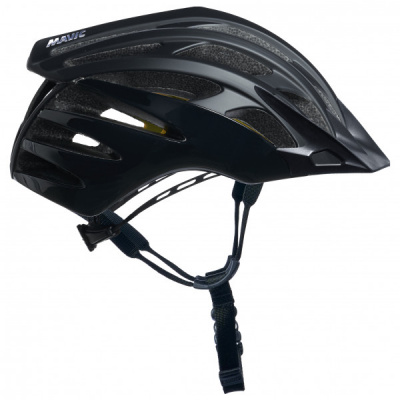
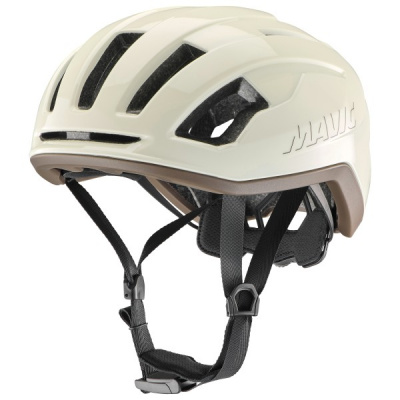
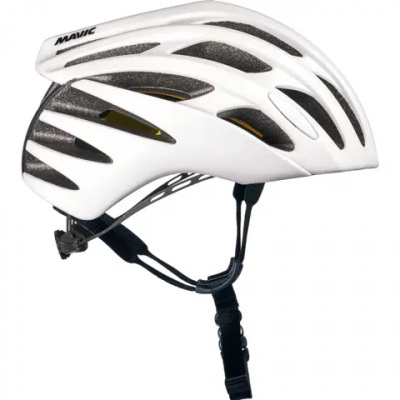
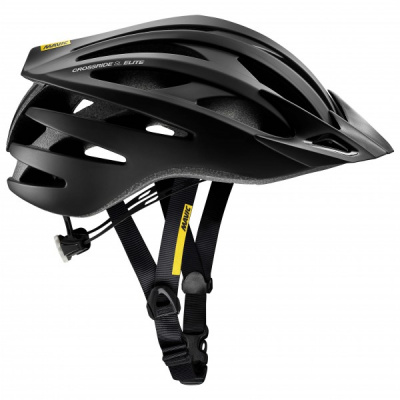
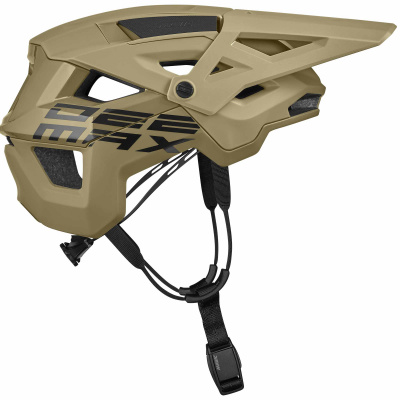
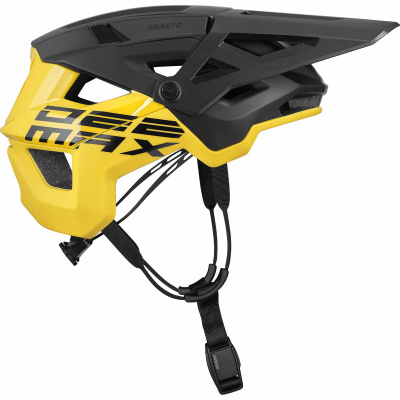
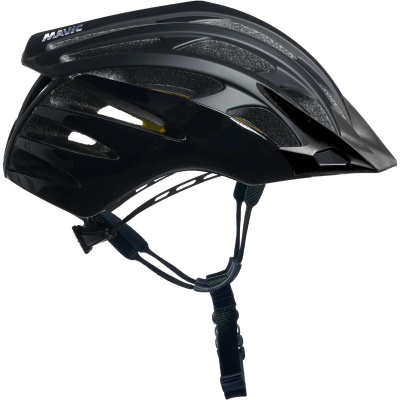
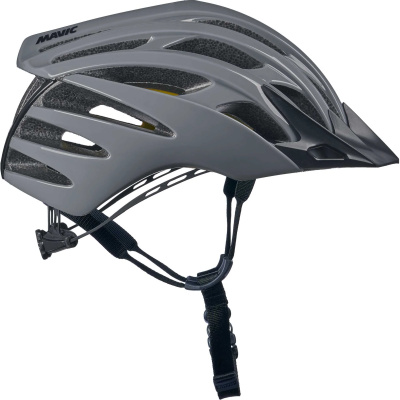
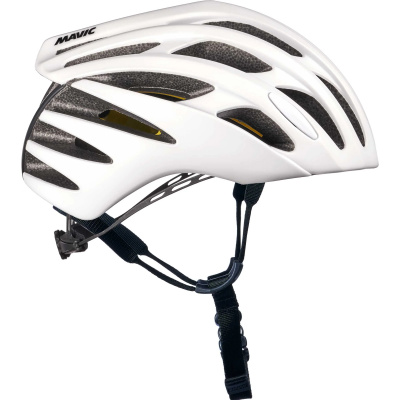
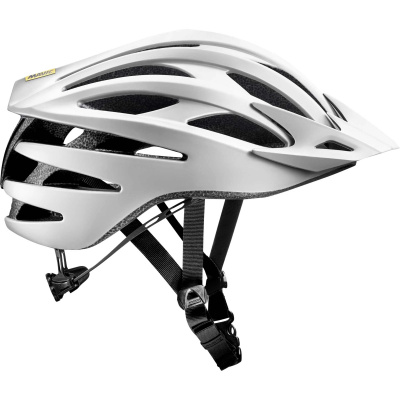
Mavic cycling helmets are where the brand's obsession with speed meets a genuine commitment to keeping your head intact. Known for wheels that have graced the Tour peloton for decades, Mavic applies the same engineering rigour to their lid range - and it shows. You get aerodynamic profiles shaped in wind tunnels, MIPS brain protection system integration to manage rotational forces during angled impacts, and their proprietary Live Fit SL technology: XRD memory foam padding that gradually molds to your specific head shape for a pressure-free fit mile after mile.
What makes this relevant for UK riding specifically? Variable conditions. You need ventilation channels open enough to stop you cooking on a muggy August climb in the Chilterns, but a shell that doesn't funnel arctic air into your skull on a March descent. Mavic's 37.5® padding technology tackles the moisture side of that equation - active particles embedded in the foam absorb and release heat, wicking sweat faster than standard liner foam so you're not riding around in a damp sponge. Whether you're chasing a segment on exposed Fenland roads or grinding gravel in the Brecon Beacons, there's a Mavic helmet built around your riding style and pace.
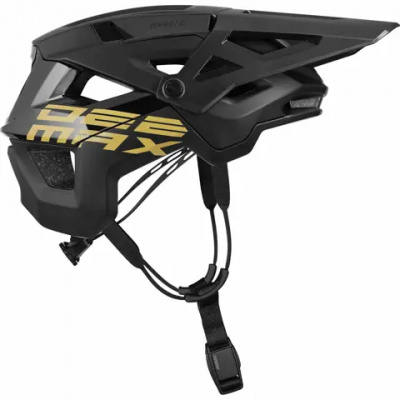
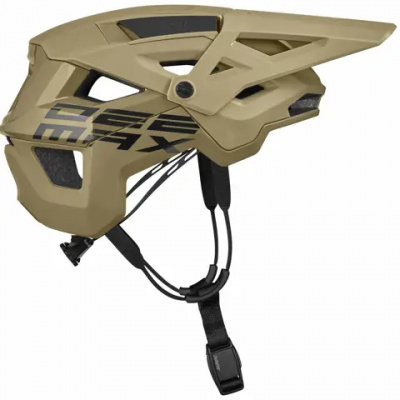
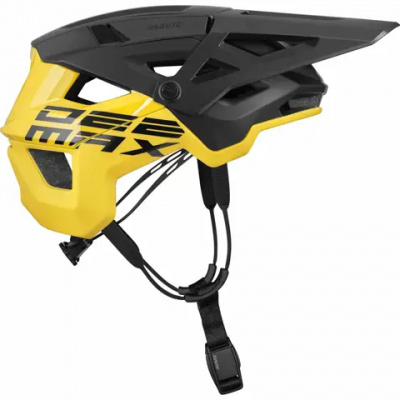
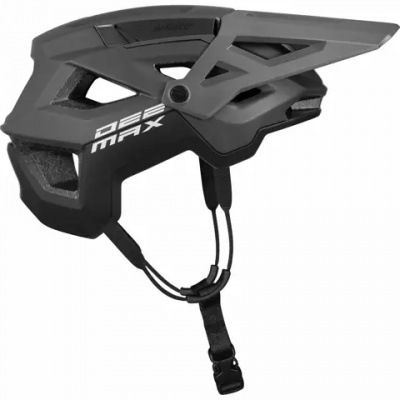
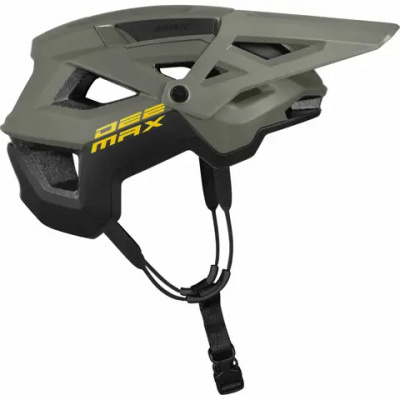
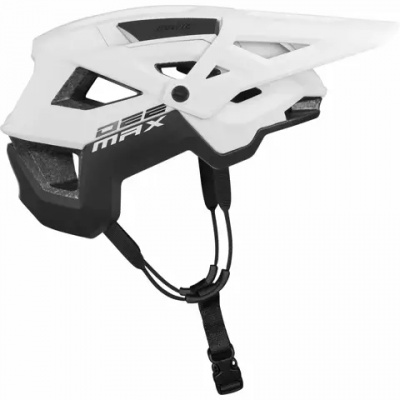
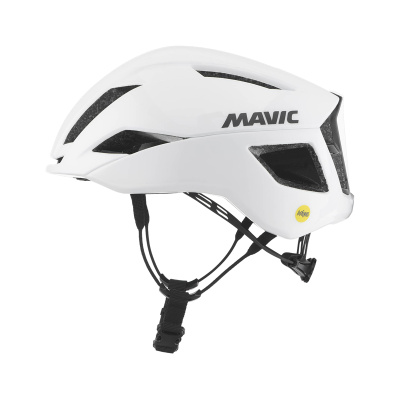
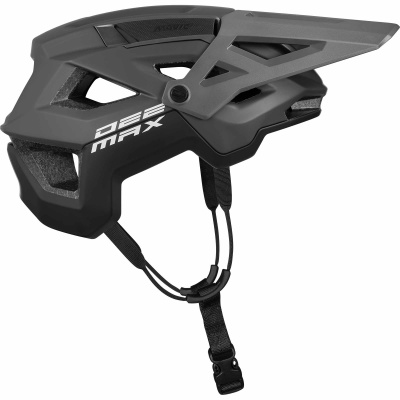
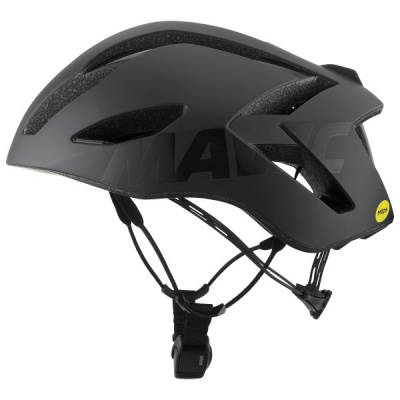
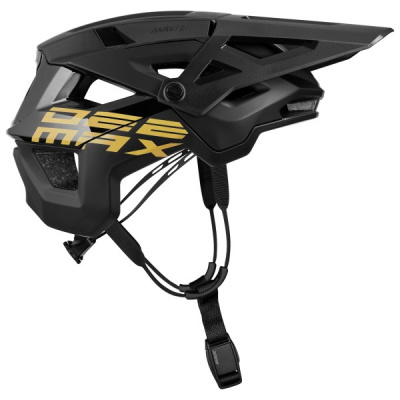
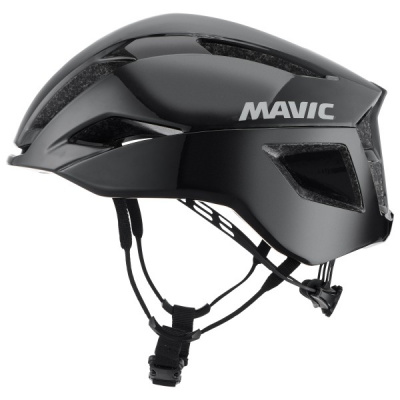
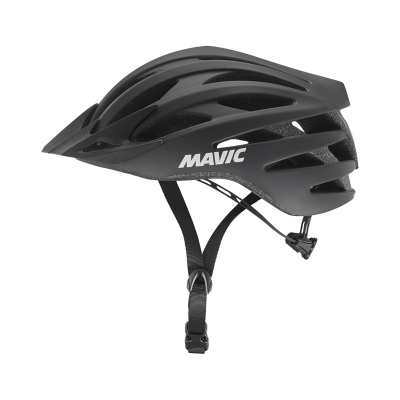
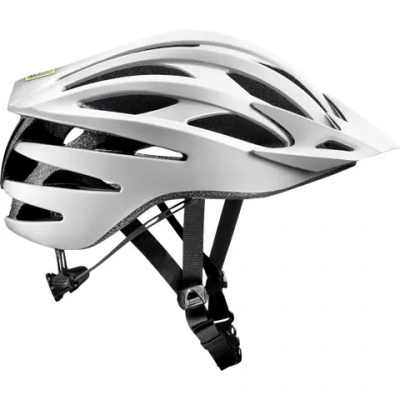
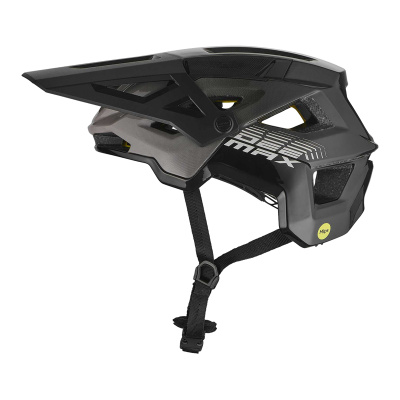
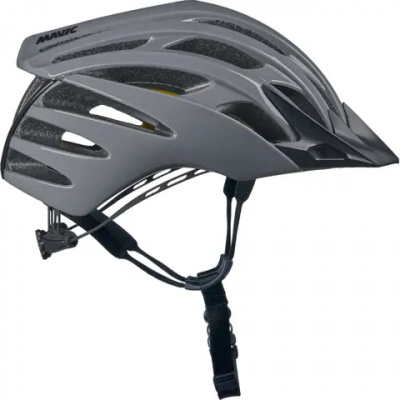
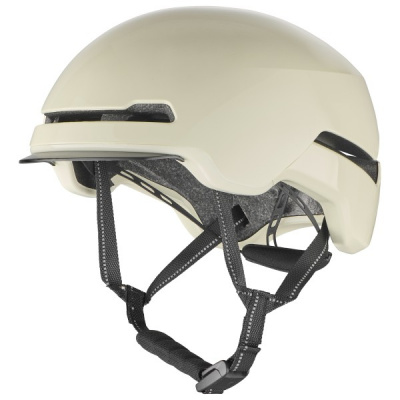
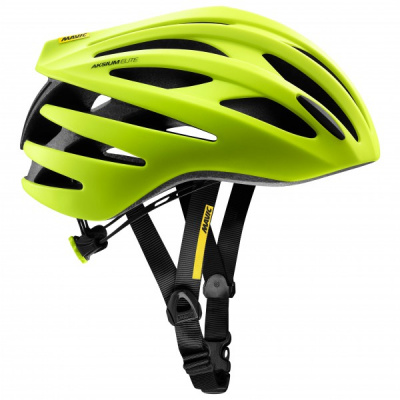
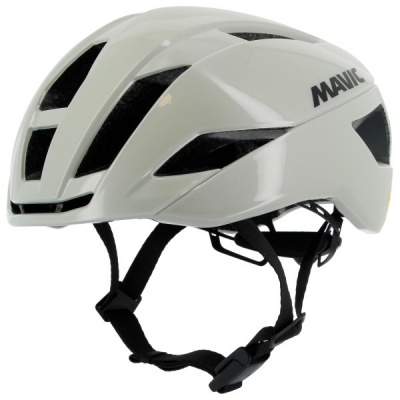
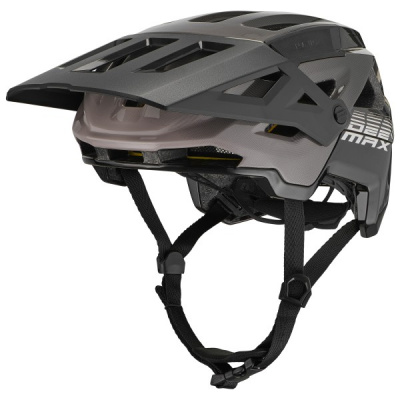
Prices and availability can change quickly. Delivery charges are not always included in listed prices.
Final price, stock status and delivery terms are set by retailer. We may receive a commission on purchases made.
Safety Architecture and Climate Control
The foundation of every Mavic helmet is an EPS foam shell - the same expanded polystyrene construction used across quality road and gravel helmets that absorbs and disperses impact energy on first contact. Paired with the MIPS brain protection system, that EPS layer gains a low-friction liner that allows the helmet to rotate slightly on impact, reducing the rotational forces transmitted to the brain during the angled crashes that are far more common in real riding than straight-on hits. It's a meaningful addition, not a marketing badge.
The 37.5® padding technology is where Mavic's comfort story gets interesting. The active particles woven into the liner foam don't just passively wick - they respond to body heat and humidity, accelerating moisture transfer away from your skin. On a humid summer climb, that keeps you noticeably drier than a standard foam pad. It's worth knowing: to maintain those wicking properties over time, you need to hand-wash the pads rather than bung them through a machine wash. More on that below.
Ventilation channels are strategically positioned to draw air across the crown and out through exhaust ports at the rear. The balance Mavic strikes is deliberate - enough airflow to prevent overheating on sustained efforts, but a shell profile that doesn't act like a sail or a wind chill generator when you're descending at 50 km/h on an exposed moorland road. Reflective detailing on the rear retention system also adds low-light visibility, which matters when you're riding in the grey half-light of a UK winter afternoon.
The Range, the Fit, and Who Each Lid Suits
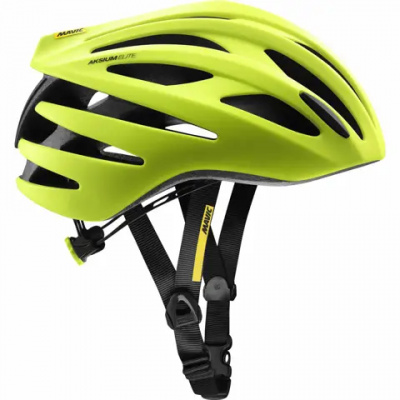
Mavic structures their helmet range around clear use cases. The Comete sits at the sharp end - a full aero road helmet with a closed, elongated profile that cuts wind resistance for criterium racing, time trials, or anyone who takes Strava KOMs seriously. Ventilation is deliberately reduced in favour of aerodynamic profile, so it's not the one you want for a four-hour gravel day in July. The Ksyrium line takes a different approach: lightweight EPS construction, generous ventilation channels, and a focus on all-day comfort for endurance road riding. It's the lid most UK club riders will find sits in the right place between aero efficiency and breathability. The Syncro range covers versatile road and gravel use, with a more relaxed fit profile and additional padding volume suited to riders spending time off-tarmac.
Fit across the range uses Mavic's Ergo Hold SL retention system - a micro-adjust dial at the rear that lets you fine-tune the cradle tension in small increments. The fit profile itself is intermediate oval, which works well for most European head shapes. If you're between sizes, size up and use the Ergo Hold SL dial to bring the fit in; sizing down and relying on padding compression isn't the right approach here. The Live Fit SL XRD memory foam pads also contribute to personalising the fit over time as they gradually conform to your head shape.
Compared to competitors like Giro helmets or Bell helmets, Mavic's fit system offers comparable micro-adjustment but with the added benefit of the XRD memory foam layer - something that particularly pays off on longer rides. Abus helmets are worth a look if you want more urban commuting crossover in the range, but for pure road and gravel performance, Mavic's tech stack is focused and coherent.
Mavic also produces high-quality youth protection for younger riders. Rather than skim over the details here, head to the dedicated Mavic Kids Helmets page where you'll find the full sizing and specification breakdown for their junior range.
Pairing, Care, and Making These Lids Work Year-Round
A Mavic road helmet in January on a British sportive is perfectly viable - with the right approach. A thin thermal skull cap under the helmet works with the Ergo Hold SL retention system rather than against it, provided you account for the extra volume when dialling in the fit. Some riders prefer a cycling cap with a short brim for rain deflection; the helmet's internal geometry on models like the Ksyrium accommodates this without creating pressure points. Just re-check the retention dial fit after adding any layer - it takes thirty seconds.
Eyewear integration is well thought-out. The front vent channels on both the Comete and Ksyrium are designed to dock sunglasses arms securely when you push them up off your face. It's a small detail that stops you spending the last 10 kilometres of a ride fishing your eyewear out from under the front vent. Pairing a Mavic lid with Mavic sunglasses gives you a confirmed fit - the dock geometry is designed with their own frames in mind.
Care is straightforward but worth doing properly. Remove the 37.5® pads - they press-stud out on most models - and hand-wash them in cool water with mild soap. Avoid tumble drying or leaving them on a radiator; heat degrades both the XRD memory foam and the active particle technology that makes them effective. The EPS shell itself should only be wiped down with a damp cloth; cleaning products can compromise the foam's integrity.
After any drop - even off a workbench onto a hard floor - inspect the EPS shell carefully for micro-cracks, particularly around the vent bridges. EPS that has absorbed an impact may look fine externally but has already done its job and won't perform the same way in a second impact. If you're in any doubt, replace it. The same logic applies to any crash: replace immediately, regardless of visible damage. Standard industry guidance puts helmet lifespan at three to five years under normal use, as UV exposure and accumulated sweat break down the EPS foam's structure over time. Building a Mavic jersey and base layer setup around a helmet on a regular replacement cycle makes sense if you're already invested in the range. And if you're speccing a full kit, Mavic road shoes complete the picture neatly.
Mavic Helmets FAQs
Do Mavic helmets run small or large?
Mavic helmets generally fit true to size with an intermediate oval profile. If you're sitting between sizes, go up and use the Ergo Hold SL micro-adjust dial to bring the fit in precisely. Sizing down and packing out with padding isn't the right call - you want the shell sitting correctly on your head, not riding high.
Are Mavic helmets equipped with MIPS?
Yes, MIPS is integrated across most of the current Mavic range, including the Comete and Ksyrium lines. The low-friction layer allows the helmet to rotate slightly on angled impact, reducing rotational forces transmitted to the brain. It's built into the EPS shell rather than added as an afterthought.
How often should I replace my Mavic helmet?
Replace it immediately after any crash - even one that looks minor. EPS foam is a single-use material and won't protect the same way twice. For undamaged helmets, replace every three to five years. UV exposure and sweat gradually degrade the EPS structure, so a five-year-old lid that's never been dropped still has a shelf life.