
Mavic Jackets
Mavic cycling jackets are built around a straightforward idea: keep you riding when the weather turns awkward, without cooking you alive in the process. Born in the French Alps, the brand has spent decades engineering outerwear for exactly the kind of conditions that catch you out on a British sportive - clear skies at the car park, horizontal rain by the top of the climb.
The range spans fully waterproof hardshells with taped seams and serious hydrostatic head ratings, through to featherlight packable shell options you can stuff into a back jersey pocket before a descent. For riders who push hard, Mavic leans on 37.5® technology - a fabric system using active particles to pull moisture vapour away from your skin before it builds up as sweat. That distinction matters when you're grinding up a long drag in the Peaks or the Brecon Beacons; a jacket that breathes properly is as important as one that keeps rain out.
A Mavic waterproof cycling jacket in the hardshell bracket also features a breathable membrane and DWR coating to bead water off the outer face, while softshell options use Gore-Tex Infinium to prioritise windproofing and next-level breathability on drier, colder days. There's genuine breadth here - racing fit, endurance fit, commuter-friendly cuts - and we'll break down exactly which suits you.
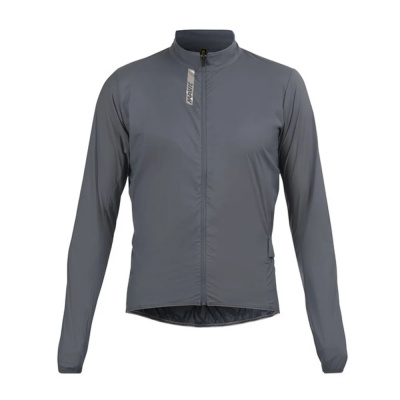
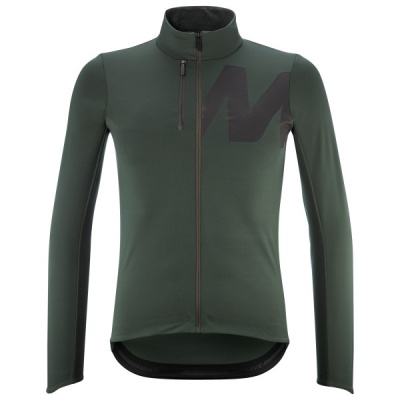
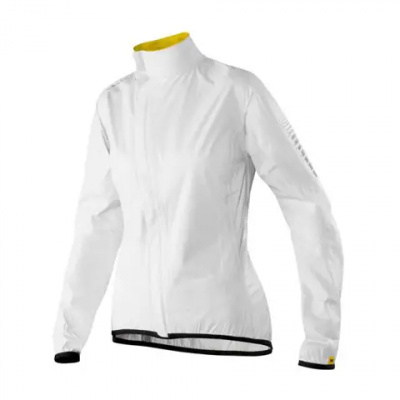
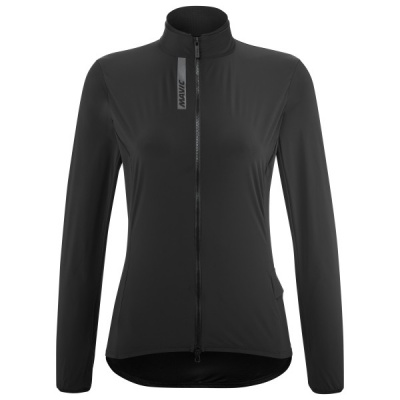
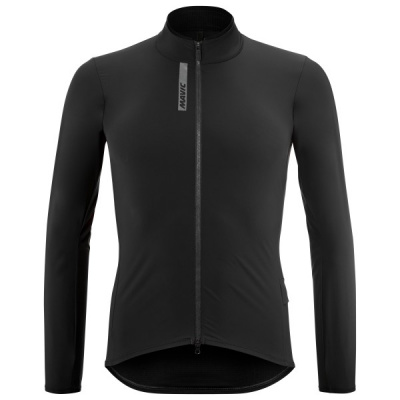
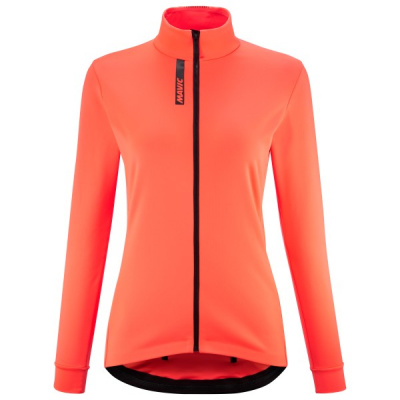
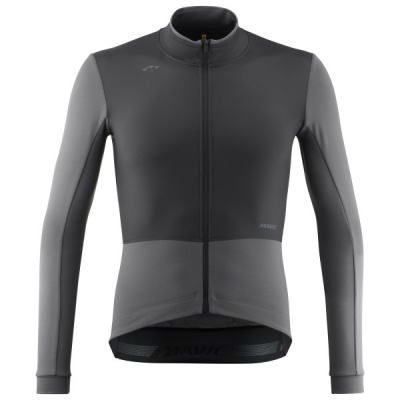
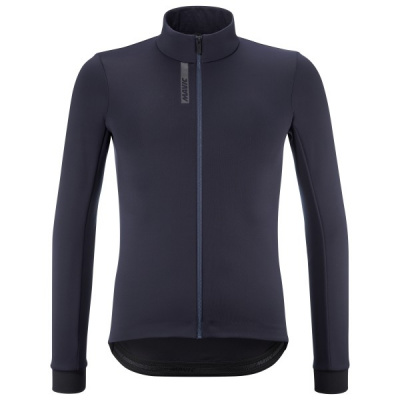
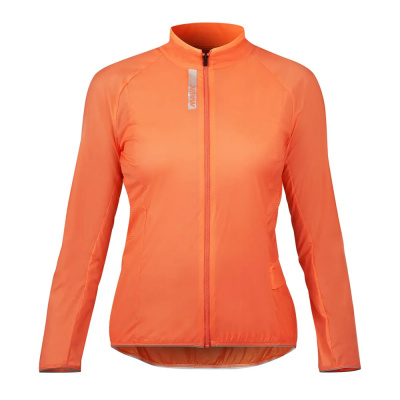
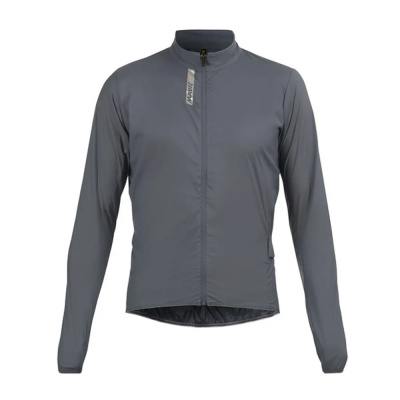
Prices and availability can change quickly. Delivery charges are not always included in listed prices.
Final price, stock status and delivery terms are set by retailer. We may receive a commission on purchases made.
Fabric Tech and What It Actually Does in British Conditions
Not all Mavic jackets are built the same, and the fabric choice tells you everything about how each one is meant to be used. Start with the hardshells: these use a fully waterproof breathable membrane with taped seams throughout, sealing every stitch line so sustained rain - the kind you get grinding along exposed moorland in the Lake District - doesn't find a way through at the shoulders or hood seams. Hydrostatic head ratings on these models sit high enough to handle a proper soaking, not just a brief shower.
Softshell models take a different approach. Many use Gore-Tex Infinium, which swaps outright waterproofing for exceptional windproofing and a dramatically more breathable construction. Think of it as the jacket for November club runs where it's cold and biting but not actually raining - one that won't trap heat when you're pushing pace. The trade-off is straightforward: if you're riding into a sustained downpour, you want the hardshell. For dry cold and headwind management, Gore-Tex Infinium makes more sense.
The detail that genuinely separates Mavic from a lot of the competition is 37.5® technology. The active particles woven into the fabric accelerate moisture vapour evaporation at the skin surface - before it condenses into sweat. On a hard climb with a packable shell zipped up, that's the difference between arriving at the top feeling controlled and arriving feeling like you've been in a sauna. It works in both directions too, helping retain heat when you stop. All models also carry a DWR coating on the outer face to bead water off the surface and stop the fabric from wetting out and losing breathability - though this does need periodic reactivation with low heat after washing.
Fit Profiles Across the Range
Mavic structures its jacket range around two distinct fit philosophies, and getting this right matters more than most people expect - especially if you're layering underneath in January.
The Cosmic race fit - found across the Cosmic line - is cut for an aggressive, aerodynamic position on the bike. Sleeves are longer to cover your wrists when you're stretched out on the drops, the body is close-fitting to reduce flutter at speed, and the cut assumes you'll be in a fairly low riding position. It's excellent for fast club runs and racing, but if you're planning to add a mid-layer or run it over a jersey on a colder day, size up. There's not a lot of room built in. Compared to something like Castelli jackets, the Cosmic cut is similarly committed to race geometry - worth bearing in mind if you're switching between brands.
The Ksyrium endurance fit is a different animal. It's designed for longer days in the saddle, a more upright position, and the practical reality of UK riding where you might need to zip in a base layer or a gilet underneath. The shoulders are roomier, the body has a bit more give, and it works well for sportive riders and commuters who aren't hunting race times. The Essential line sits in similar territory - accessible, comfortable, and genuinely versatile. If you're not racing, start here.
On sizing: the Cosmic range runs genuinely snug, so if you're between sizes or planning to layer, go up. The Ksyrium and Essential lines are more predictable - most riders land on their normal size without issue. Check Mavic's size chart if you're buying a Mavic winter bike jacket and expecting to add bulk underneath.
Building a Layering System and Keeping It Working
A jacket is only as good as what's underneath it. For cold-weather riding, start with a wicking Mavic base layer against the skin - something thin and fast-drying that moves sweat away before the 37.5® tech in the jacket can do its work. Over that, a long-sleeve Mavic jersey gives you a mid-layer that doesn't bulk up the fit unnecessarily. Pair those with Mavic bib tights and you've got a coherent system where every layer is designed to work with the next.
For days that start cold but warm up by lunchtime - a September sportive, say, or an autumn Sunday morning that turns into a decent afternoon - a full jacket can become a liability mid-ride. That's exactly where a Mavic gilet earns its place: core warmth and wind protection without the sleeves, easy to roll up and pocket when things improve. Worth having one in the rotation rather than forcing the jacket to cover every scenario.
Wash care is simple but important, because getting it wrong will kill the DWR coating and the breathable membrane faster than the miles will. Wash at 30°C with a non-biological liquid detergent - no fabric softener, which clogs the membrane's pores and throttles breathability. Once washed, tumble dry on a low heat setting for around 15 minutes. The heat reactivates the DWR coating, restoring that bead-and-shed performance on the outer face. Do this every few washes rather than waiting until water stops beading, and the jacket stays closer to its original performance for longer. If you're comparing technical outerwear at a similar price point, Endura jackets use a comparable approach to DWR maintenance - the same wash rules apply across most technical cycling outerwear.
A Mavic windproof jacket in the softshell category needs the same care routine, even though it's not waterproof - the DWR still governs how well the outer face handles light moisture and whether it stays breathable under effort.
Mavic Jackets FAQs
Are Mavic cycling jackets true to size?
It depends on the line. The Cosmic range runs with a tight, aerodynamic race cut - if you want breathing room or plan to layer underneath, go up a size. The Ksyrium and Essential lines are more relaxed and generally fit true to size. Check the size chart before buying, particularly for winter models where layering changes the equation.
Are Mavic jackets fully waterproof?
Not across the board. Hardshell models feature taped seams and a proper waterproof membrane - those are built for sustained rain. Softshell jackets using Gore-Tex Infinium are highly windproof and water-resistant but won't hold up in a prolonged downpour. Pick based on your typical conditions rather than treating the two types as interchangeable.
How do I wash my Mavic waterproof cycling jacket?
Wash at 30°C with a non-biological liquid detergent - no fabric softener, as it blocks the breathable membrane. After washing, tumble dry on a low heat setting for around 15 minutes. The heat reactivates the DWR coating, which is what keeps water beading off the outer face. Do this regularly rather than waiting until the jacket stops shedding water.