
Maloja Bib Tights
Maloja bib tights earn their reputation the hard way - born in the Bavarian Alps and put to work on the kind of cold, wet, wind-scoured rides that separate serious winter kit from the stuff you leave hanging in the garage by February. The range pairs genuinely distinctive, earth-toned Alpine aesthetics with performance materials that are built for real conditions: think biting headwinds over exposed moorland, persistent road spray on a grey Tuesday, and that particular brand of British cold that hovers stubbornly around two degrees and refuses to shift.
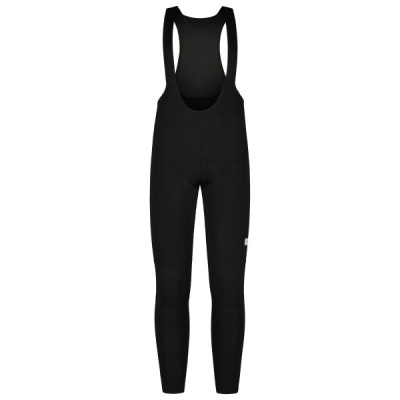
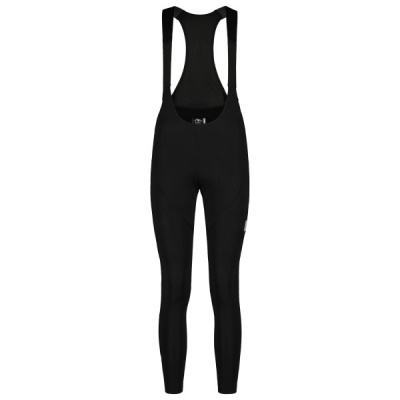
The core of Maloja's technical story is Thermal Stretch Eco fabric - a recycled, 4-way stretch fleece that keeps your legs warm without trapping heat on the climbs. Front panels on the deeper winter models use Stormshell technology to block wind at the knees and thighs, while PFC-free DWR coating handles the spray and drizzle without relying on chemistry that damages waterways. The SAT chamois pads (Shock Absorption Technology) are premium-grade, shaped for long-effort comfort over distance. Whether you're stacking base miles on January roads or heading out on a mixed-surface gravel loop, Maloja thermal bib tights give you the compressive fit and weather resistance to keep riding through the worst of the calendar.
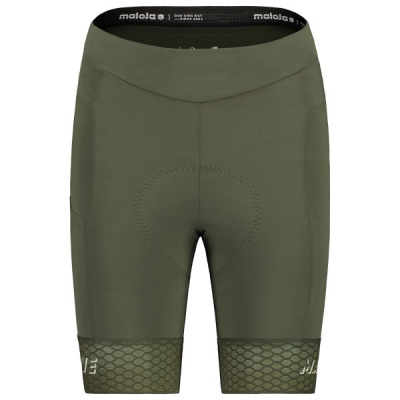
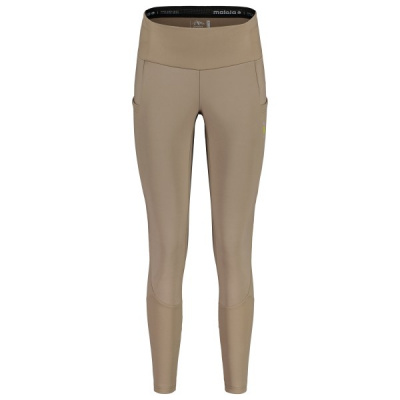
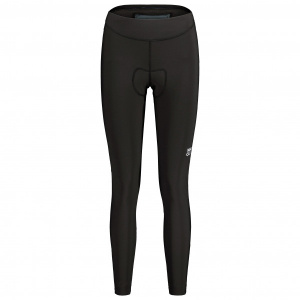
Prices and availability can change quickly. Delivery charges are not always included in listed prices.
Final price, stock status and delivery terms are set by retailer. We may receive a commission on purchases made.
Fabric Tech and Weather Performance
Thermal Stretch Eco is the fabric doing the heavy lifting across most of the Maloja bib tights range. It's a recycled-content fleece with 4-way stretch woven in, which means it moves with your pedal stroke rather than pulling or bunching at the knee - an important detail when you're two hours into a winter ride and the cold is already working against your joints. The brushed fleece lining traps a layer of warm air close to the skin, yet the fabric's structure allows moisture to escape when the gradient tips upwards. You stay warm on exposed descents without cooking on the climbs. That balance is harder to achieve than brands tend to let on.
Stormshell panels sit on the leading edges - front of the thighs, knees - where wind chill does the most damage. It's a 3-layer construction that's both windproof and highly water-resistant, and it makes a noticeable difference when you're riding into a stiff northerly across open ground. Critically, Stormshell is only used where you need it; the rear panels stay in breathable Thermal Stretch Eco, so you're not sealed in like a sausage roll. That asymmetric approach is smart design rather than a marketing shortcut.
The PFC-free DWR coating repels road spray and light rain from the outer face of the fabric. DWR finishes do degrade with washing and wear, but Maloja's PFC-free formula holds up well with correct care - more on that below. On a typical damp British winter ride, you'll find the water beading and rolling off rather than soaking through, which matters for both warmth and weight. Polygiene odour control treatment is also baked into the fabric construction, keeping things fresher across back-to-back ride weeks without any extra effort on your part.
Fit, Range and What's Right for You
Maloja cuts its bib tights with a snug, European athletic profile. This isn't loose or forgiving - it's a compressive fit designed to reduce muscle vibration over distance and keep fabric away from the drivetrain. If you're used to the roomier geometry of some British brands, it's worth being aware of that going in. The leg gripper sits firmly without digging, and the bib straps are typically wide and comfortable across the shoulders for long efforts.
Within the range, the key split is between deep-winter and transitional models. Deep-winter tights carry the full Stormshell windproof front panelling and the heaviest fleece weight - these are your sub-5°C bibs, suited to January road miles or long gravel days when the temperature doesn't really rise. Transitional thermal tights use a lighter fleece construction with more emphasis on breathability; they're where you'd reach when temperatures are hovering between 8°C and 14°C, such as early spring or an unexpectedly mild December. Getting this distinction right stops you either overheating or underdressing, both of which make for a grim ride. Compared to something like Castelli bib tights at a similar price point, Maloja's sustainability credentials and mountain-sport aesthetic give it a different character, while Assos bib tights lean harder into road-racing precision if that's your primary discipline.
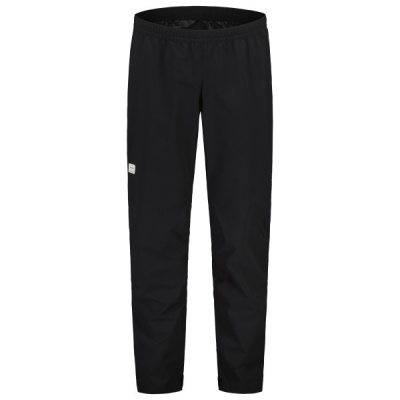
Prefer riding without bib straps? Check out our collection of Maloja Regular Tights for waist-cut thermal options that cover the same temperature range without the shoulder straps.
Layering, Care and Getting More from Your Kit
The tights do the hard work from the waist down, but matching them with the right upper layers is where a winter system really comes together. A Maloja base layer underneath pulls moisture away from the skin before it can chill you, and a windproof or water-resistant Maloja jacket over the top closes the system off at the torso. On milder winter days when a full jacket feels excessive, a Maloja gilet over a thermal jersey works well - you keep the core warm while the Thermal Stretch Eco legs manage the rest. The key point is that Maloja designs its range to work together, so the fits and fabric weights are calibrated to layer without bunching or restricting movement at the hips.
Wash care is straightforward but worth doing correctly if you want the DWR coating and chamois foam to last. Wash at 30°C using a technical apparel detergent - something designed for synthetic and stretch fabrics. Fabric softener is the enemy here: it clogs the membrane structure and strips the DWR treatment, which means water soaks in rather than beading off within a few washes. Air dry away from direct heat sources; a tumble dryer will degrade both the elastic in the fabric and the SAT chamois foam faster than you'd expect. Hang them up in a warm room and they'll be dry quickly enough. Compared with similarly spec'd Maloja winter cycling tights alternatives from Endura or Gore Bike Wear, the care requirements aren't unusual - all high-end DWR-treated bibs need the same softener-free approach.
One last thing worth knowing: if the DWR starts to wet out (water spreading rather than beading) after a few months of use, a low-heat tumble dry or a quick pass with a cool iron through a cloth can reactivate the coating before you consider re-proofing spray. It's a five-minute job and it extends the life of the finish considerably.
Maloja Bib Tights FAQs
Are Maloja bib tights true to size?
Maloja uses a snug, European athletic cut aimed at compression and a close fit. If you're between sizes or prefer a bit more room for long winter miles - extra base layers underneath, for instance - sizing up is the sensible call. Check the brand's specific size guide for each model, as fit can vary slightly between the deep-winter and transitional ranges.
What temperature are Maloja thermal bib tights good for?
Deep-winter models with Stormshell windproof front panels are built for -2°C to 8°C - proper cold-weather riding. The lighter thermal fleece options are better suited to 8°C to 14°C, covering UK autumn and spring conditions. If you're regularly riding in that transitional bracket, a lighter Maloja thermal bib tight will be more comfortable than reaching for the full winter version.
How should I wash my Maloja bib tights to maintain water resistance?
Wash at 30°C with a technical apparel detergent. Never use fabric softener - it blocks the breathable structure and strips the PFC-free DWR coating, which means the fabric wets out rather than shedding water. Air dry away from direct heat to protect the SAT chamois foam and fabric elasticity. If the DWR starts to wet out, a brief low-heat tumble or cool iron through a cloth can reactivate it.