
Maloja Jackets
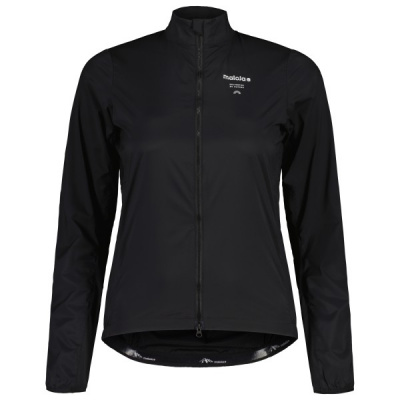
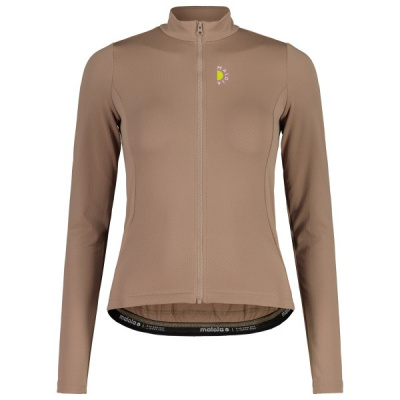
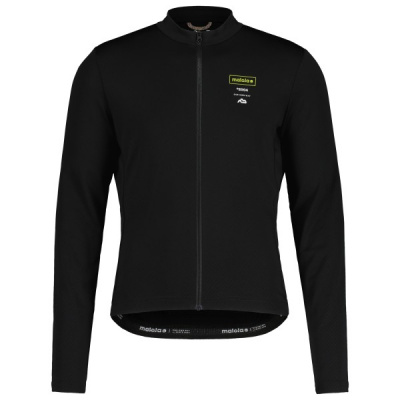
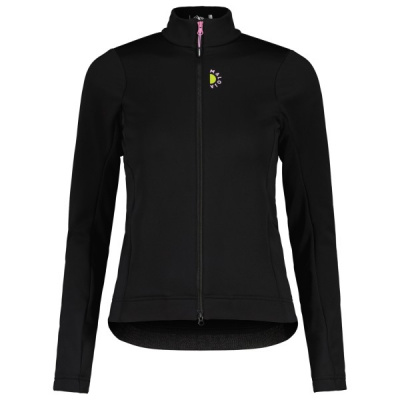
Maloja cycling jackets sit in a genuinely interesting spot in the market - Bavarian design sensibility meets technical outerwear that's built to handle a British winter rather than just look good hanging in the garage. Whether you're grinding through a sodden December road ride, bikepacking across the Cairngorms, or bombing down a muddy Peak District descent, there's a Maloja jacket that's been thought through for the job rather than bolted together from a catalogue of stock fabrics.
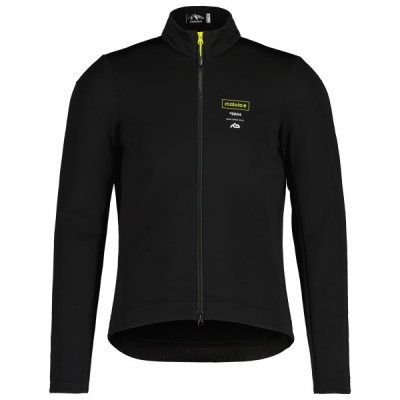
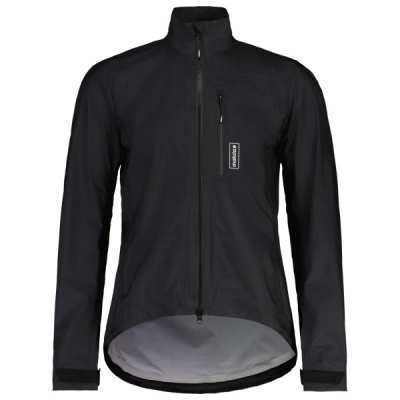
The range leans hard on proprietary materials. Their cembra® membrane handles full waterproofing duties with taped seams for sustained downpours, while Stormshell fabric covers the windproof, high-breathability end - useful when you need to vent hard on a climb without stopping to strip off. PFC-free Eco DWR coatings sit across the range, so water beads off without the environmental baggage of older fluorinated treatments. Primaloft Active insulation shows up in their winter layers, cutting wind chill without loading your back pockets with bulk.
Fits span from a close, flap-free road cut through to a relaxed freeride silhouette that sits comfortably over armour or a beefy base layer. If you want core coverage without sleeves, check out our Maloja gilets - they're a separate conversation worth having.
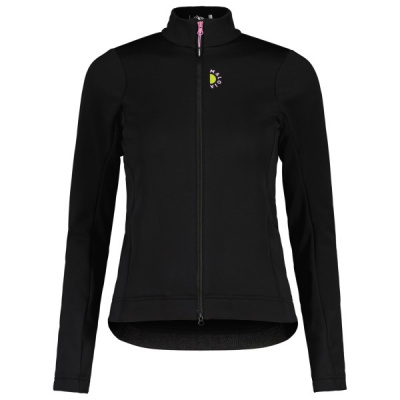
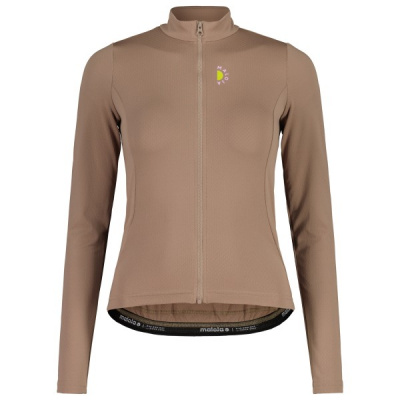
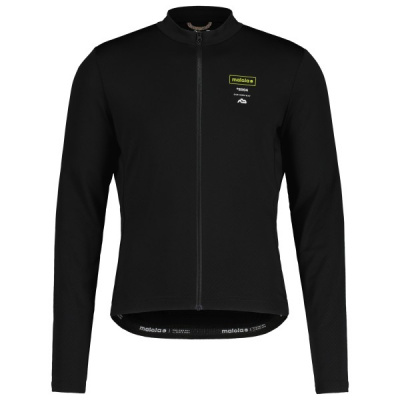
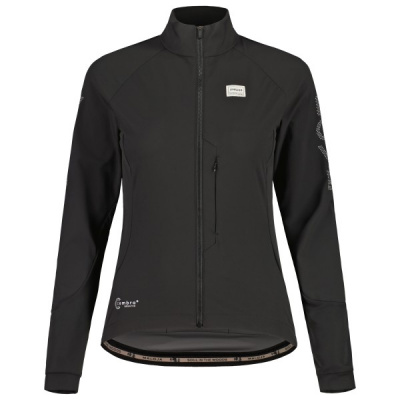
Prices and availability can change quickly. Delivery charges are not always included in listed prices.
Final price, stock status and delivery terms are set by retailer. We may receive a commission on purchases made.
Fabric Tech & Weather Performance
Maloja's material lineup isn't just badge-engineering - the distinction between Stormshell and cembra® is meaningful, and getting it wrong means either boiling alive on a moorland climb or arriving at the café looking like you swam there.
Stormshell is the everyday workhorse. It's a tightly woven, windproof softshell fabric with exceptional breathability figures - the kind of thing you reach for when the forecast says blustery with the odd spit rather than proper rain. It moves with you, it dumps heat efficiently, and it doesn't crinkle like a crisp packet every time you shift position. For exposed riding on the South Downs or a fast road loop where you're generating serious watts, Stormshell keeps the wind honest without trapping sweat.
Step up to sustained downpours - the sort of Welsh autumn rain that doesn't stop for two hours - and the cembra® membrane is what you want. Maloja's proprietary waterproof-breathable laminate delivers a high hydrostatic head rating, meaning water pressure from persistent rain doesn't force moisture through the fabric face. Critically seamed construction (taped seams throughout) closes off the needle holes that would otherwise leak at the shoulders and cuffs. It breathes, but the priority here is keeping you dry rather than maximising airflow.
Across both constructions, the PFC-free DWR coating handles surface water. Beading is strong when the coating is fresh and reactivated. The eco credentials matter, but so does the practical upkeep - more on that below. Some Maloja jackets add laser-cut ventilation or underarm pit zips for those long, grinding Scottish climbs where no amount of membrane breathability quite keeps pace with effort. Worth checking the specific model if mechanical venting is a priority for you.
Understanding the Maloja Fit & Range
Maloja doesn't do one-size-fits-all silhouettes, which is part of what makes the range worth understanding before you buy rather than after. The broad split is between their MTB and gravel cuts versus their road-oriented jackets, and the difference is noticeable.
The freeride fit - used across much of the MTB and gravel range - is cut longer in the back, slightly roomier through the shoulders, and gives you enough room to layer a thermal jersey underneath without the jacket riding up every time you reach for the bars. If you're wearing a back protector or riding in a more upright position, this is the cut that works. It's also just more comfortable off the bike, which matters on a bikepacking trip where you're wearing the same jacket for sixteen hours.
Road jackets pull everything in tighter. Less fabric flutter at speed, cuffs that sit cleanly over gloves, a back hem that stays put in an aggressive position. If you typically ride in a race-oriented position and flapping fabric drives you mad, the road cut is the one to look at. That said, Maloja's road fit isn't the most aggressive aero tuck you'll find - if you're coming from something like Castelli jackets, size down if you want a truly locked-in feel.
For riders who want protection without the full sleeve commitment - an extra layer over a long-sleeve jersey on a cool autumn morning, say - the arm restriction question comes up. That's a different tool for a different job. Our Maloja gilets page covers that ground properly.
As a comparison point, Endura jackets tend to offer more aggressive road cuts across a broader price range - useful context if fit is your primary concern and you're weighing options.
Layering & Care for UK Riding
Getting the most out of a Maloja shell starts with what goes underneath it. An uninsulated waterproof jacket worn directly over a cotton jersey is a recipe for clammy misery by the top of the first climb. Pair it with a Maloja base layer that actively moves sweat away from your skin, then add a thermal Maloja jersey in the middle when temperatures drop. The jacket's job is weather exclusion - let the layers beneath handle temperature regulation. This matters most on British winter rides where you're cold at the bottom of the valley and overheating at the top.
If you're running an insulated Maloja jacket with Primaloft Active fill, the layering equation shifts. These work well as a standalone mid-winter layer in drier, colder conditions - less suited to big-effort days where you're generating sustained heat. Keep a lightweight packable shell in your back pocket if the weather looks genuinely threatening; Primaloft insulation and sustained wet don't mix as well as a dedicated cembra® waterproof.
On care: get this right and your jacket's DWR coating stays effective. Wash at 30°C using a specialist technical wash - products designed for waterproof fabrics rather than standard detergents or anything with a fabric softener, both of which degrade the DWR chemistry. After washing, tumble dry on a low heat setting. Heat reactivates the DWR and restores beading performance. You can also use a cool iron on appropriate settings if you don't have a dryer. Check the garment care label first - Maloja's specific guidance takes precedence over general rules. If you notice water soaking into the face fabric rather than beading, reproofing with a spray-on DWR product will restore performance without a full wash cycle. Also worth picking up a pair of Maloja waterproof trousers to complete the system - a dry top half and soaked legs is a miserable combination.
Maloja Jackets FAQs
Are Maloja cycling jackets fully waterproof?
Not every model - it depends on the fabric. Jackets built with Maloja's cembra® membrane and taped seams are fully waterproof and rated to handle sustained, heavy rain. Check the hydrostatic head rating on the specific model you're looking at; Stormshell-based jackets are windproof and highly breathable but better suited to light showers than prolonged downpours.
How do Maloja cycling jackets fit?
It varies by discipline. MTB and gravel jackets use a relaxed freeride cut - longer in the back, roomy enough to layer underneath or accommodate armour. Road jackets are more tailored with a cleaner, flap-free finish. If you're used to a very close aero cut from brands like Castelli, consider sizing down in Maloja's road range.
How do I wash and reproof a waterproof cycling jacket?
Wash at 30°C with a specialist technical cleaner - no standard detergents or fabric softeners, as both strip the DWR coating. Tumble dry on low heat afterwards to reactivate the water-repellent finish. If beading performance drops between washes, a spray-on DWR reproofer applied to a clean, damp jacket will restore it without a full wash cycle.