
Lezyne Frame Bags
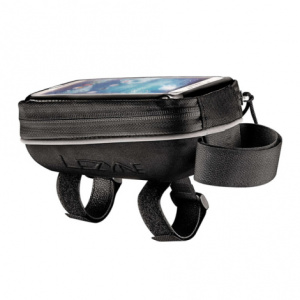
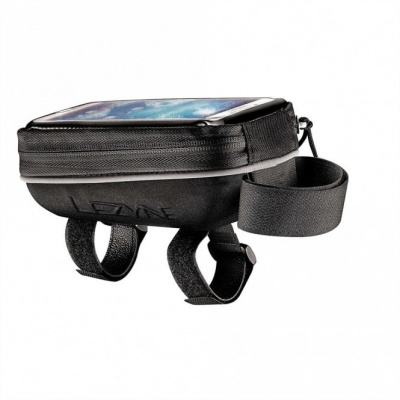
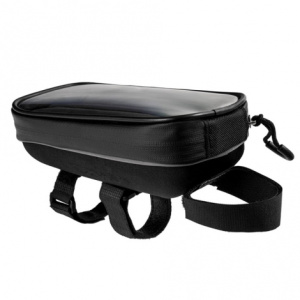
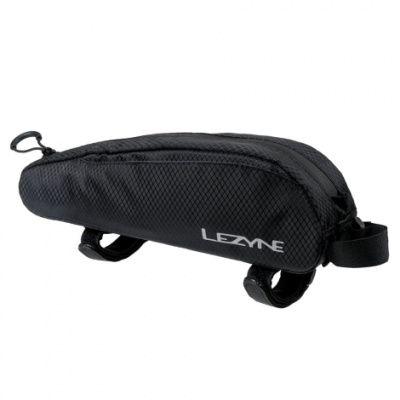
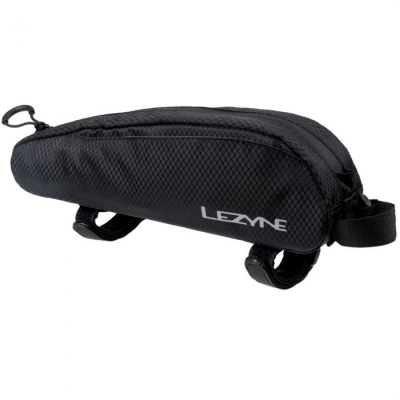
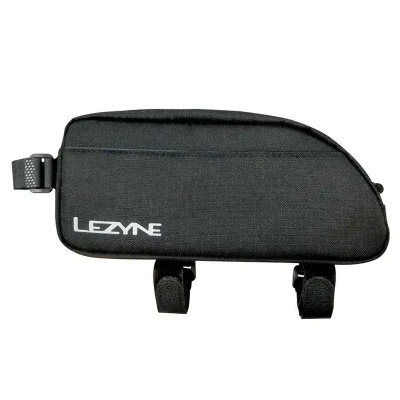
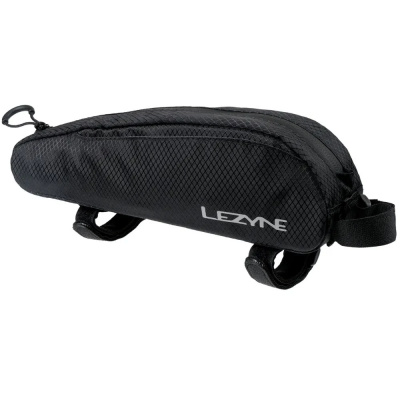
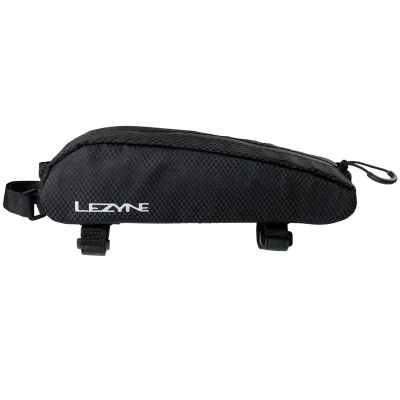
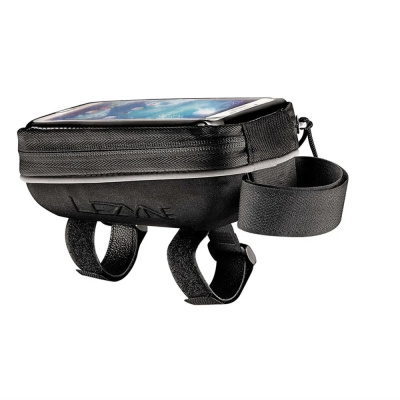
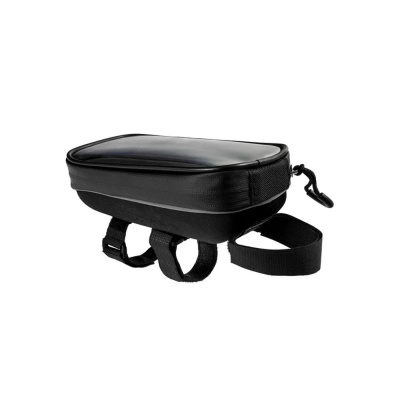
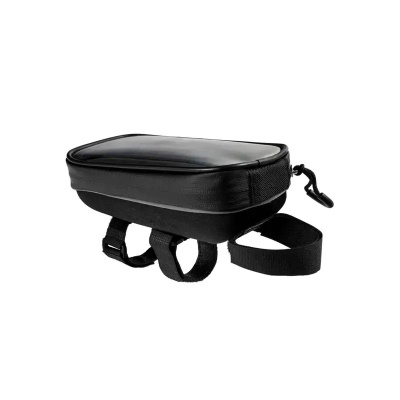
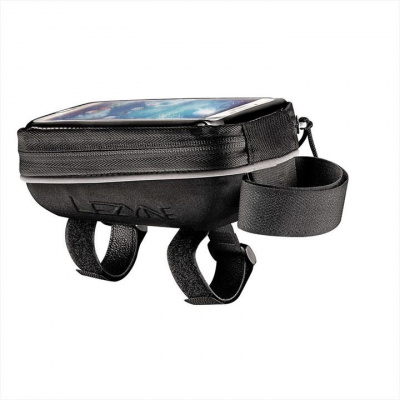
Lezyne frame bags cover the full spectrum of on-bike storage, from a slim top-tube caddy for race-day gels to a proper triangle bag that swallows a pump, spares, and a rain cape without complaint. What sets them apart is construction that takes UK riding seriously: high-frequency welded seams seal out water at the join rather than relying on a DWR coating that'll be laughed off by a Welsh October, and PU-coated nylon adds abrasion resistance where the bag rubs against frame paint. The mounting system uses heavy-duty Velcro straps that grip carbon and steel tubing alike, keeping the bag planted when you're grinding out of the saddle on a long climb. Lezyne's range splits neatly between quick-access caddies for nutrition and tools, and higher-capacity frame bags for multi-day bikepacking. There's also a Smart Energy Caddy with an integrated touchscreen-compatible smartphone sleeve for navigation - useful when a paper map dissolves somewhere past Skipton. To round out your carry setup, have a look at our Lezyne Bar Bags and Lezyne Saddle Bags pages.
Prices and availability can change quickly. Delivery charges are not always included in listed prices.
Final price, stock status and delivery terms are set by retailer. We may receive a commission on purchases made.
Fitting Your Lezyne Bag: Frame Clearance and Strap Compatibility
Before you buy, measure your inner triangle. Run a tape from the base of the head tube down to the bottom bracket shell, then across to the seat tube - that triangle dictates the maximum bag volume you can fit without fowling your bottle cages. Most Lezyne Frame Caddies list their footprint dimensions, so match those against your measurements rather than guessing. A bag that sits too low will clean your cage bolts off on a rough track descent.
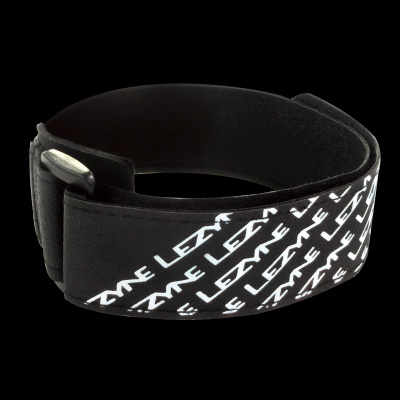
Top-tube bags attach via straps looped around the top tube and, depending on the model, a secondary strap under the stem. Lezyne's adjustable Velcro straps have enough range to handle oversized carbon top tubes - the kind on modern aero road bikes - as well as the slender round tubing on older steel gravel frames. If you're running a heavily sloped top tube, check the bag's stated strap positions; a bag designed for a near-horizontal top tube can sit at an awkward angle on a compact frame geometry, making the zip fiddly to operate mid-ride.
Knee clearance matters more than people expect. A wider top-tube bag - typically anything over 8cm across - can clip the inside of your knee on certain frame geometries, particularly compact frames with shorter top tubes. If you're not sure, thread a rough measurement across your current top tube and mime a pedal stroke. Sounds daft, but it saves a return trip.
Energy Caddy, Smart Energy Caddy, Frame Caddy: Which One Do You Need?
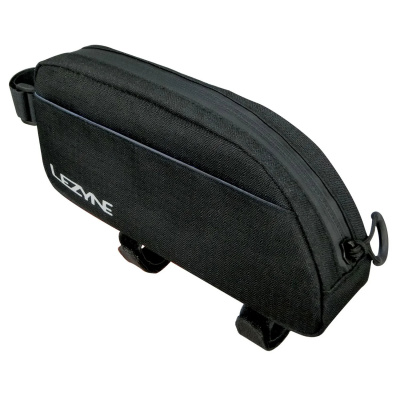
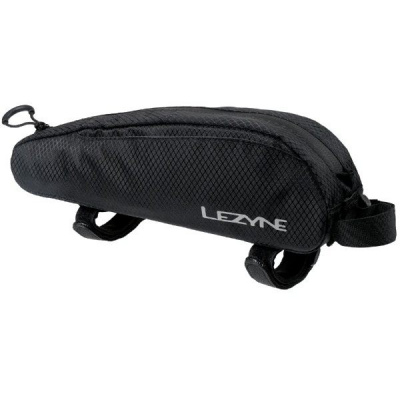
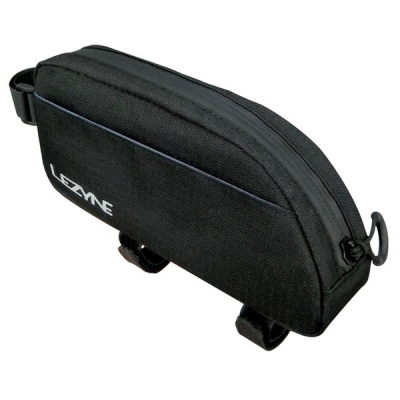
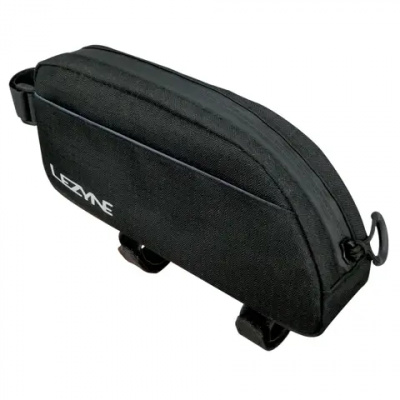
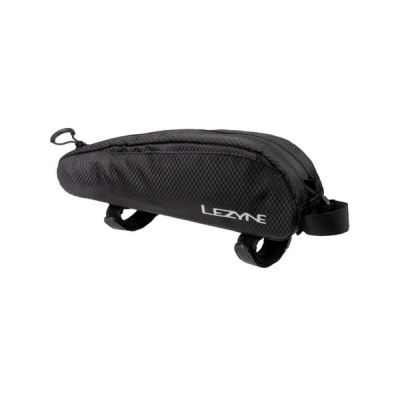
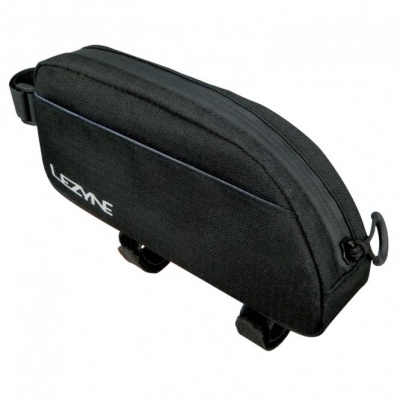
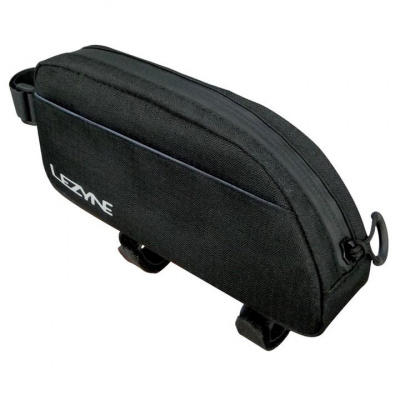
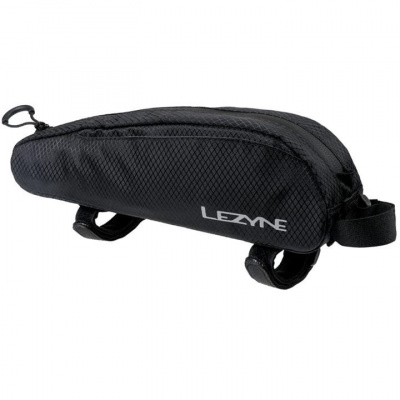
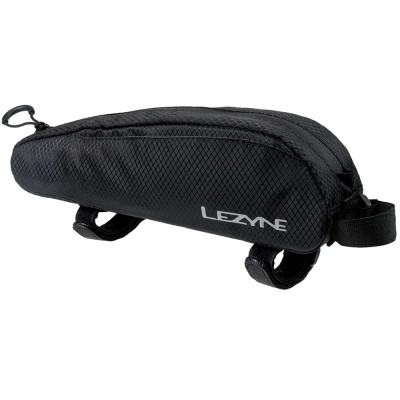
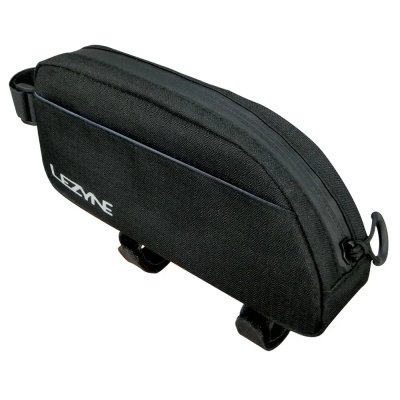
Lezyne's range has a clear logic once you see it laid out. The Energy Caddy is the entry point - a top-tube bag in a couple of sizes that handles gels, a multi-tool, and a tyre lever without adding visible bulk to the front of the bike. Capacity is modest, typically in the 0.3 - 0.6 litre range depending on size, but that's the point. It's quick-access storage for the things you want at hand without stopping.
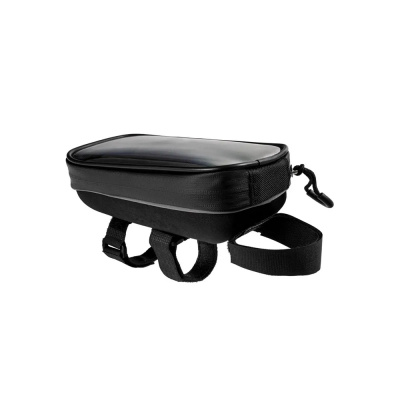
Step up to the Smart Energy Caddy and you get the same PU-coated nylon shell with two meaningful additions: an EVA foam structural core that keeps the bag's shape even when it's half-empty (so it doesn't flap and slap against the frame on fast descents), and an integrated smartphone sleeve with a touchscreen-compatible window. That window is genuinely useful for navigation apps on longer gravel loops - you can tap and swipe without unzipping. The trade-off is a slight increase in width, so check your knee clearance before committing.
For the best Lezyne frame bag for bikepacking, the Frame Caddy is the one to look at. It fills the main triangle and offers substantially more capacity - enough for a compact pump, a spare tube, a windproof jacket, and some loose snacks. High-frequency welded seams on the waterproof versions mean the joins themselves don't leak, which matters when you're deep into a Scottish overnighter and the rain is coming in sideways. The water-resistant zippers are heavy-duty enough to handle regular mud exposure, though they do need a bit of maintenance (more on that below). If you want to compare volume and construction against alternatives, Apidura frame bags and Ortlieb frame bags occupy a similar bracket and are worth running alongside Lezyne in a side-by-side comparison. Altura frame bags are worth a look if budget is the primary filter.
One practical point on capacity: the jump from an Energy Caddy to a Frame Caddy isn't just about volume - it's about what you stop cramming into your jersey pockets. Pairing a Frame Caddy with a set of Lezyne mini pumps and puncture kits keeps your back pockets free and your centre of gravity low.
UK Grit, Winter Mud, and Keeping Your Frame and Zips Intact
This is the bit that most bag reviews gloss over. UK winter grit - the coarse, abrasive stuff that coats lanes in the Peak District and Surrey every November - gets trapped between mounting straps and frame paint and works like sandpaper every time the bag moves. It will ruin clearcoat on a carbon frame faster than you'd expect, and on bare-metal finishes it's worse. Apply a strip of 3M helicopter tape (clear protective film, available in rolls) to every contact point on the frame before the bag goes on. It's fiddly the first time and invisible once done. Don't skip it.
The water-resistant zippers Lezyne uses are a step up from standard zips and handle mud ingress far better, but they're not invincible. After a gritty winter ride, run an old toothbrush along the zip teeth before the mud dries solid - dried grit acts like a grinding compound on the zip mechanism and will cause the slider to split the coil after enough cycles. Once clean, apply a purpose-made zipper lubricant (wax-based rather than oil-based, so it doesn't attract fresh grit) and work the slider back and forth a few times. That's a two-minute job that adds years to the zip's life.
A note on the waterproofing question that comes up a lot: the Lezyne models with high-frequency welded seams are genuinely waterproof at the joins - not just splash-resistant. Persistent driving rain, the kind you get crossing the Pennines in October, won't find a way in through the seams. That said, if you're carrying electronics in a stitched model rather than a welded one, a small dry bag or zip-lock inside is sensible insurance. The PU-coated nylon construction handles the body of the bag; it's the seam type that determines whether water tracks in at the joins. Worth checking which construction your chosen model uses before you commit.
Pair the bag with Lezyne tools stored inside and you've got a tidy, self-contained carry system that doesn't rely on a jersey pocket for your mid-ride mechanicals.
Lezyne Frame Bags FAQs
Are Lezyne frame bags waterproof?
The models built with high-frequency welded seams and PU-coated nylon are genuinely waterproof at the joins and will handle heavy, sustained rain. Stitched models are water-resistant rather than waterproof - fine for most conditions, but wrap sensitive electronics in a dry bag if you're heading into a proper downpour.
How do you attach a Lezyne frame bag securely?
Lezyne bags use adjustable heavy-duty Velcro straps that loop around your top tube, down tube, or seat tube depending on the model. Pull each strap firm against the frame - there shouldn't be any lateral movement when you load the bag. A slack strap lets the bag sway under load, which wears both the strap and your frame paint.
Will a Lezyne frame bag scratch my bike frame?
Any strap-on bag can damage paint if grit gets trapped between the contact points and the frame. Apply clear protective film (helicopter tape) to every strap contact area before mounting the bag - it takes ten minutes and is completely invisible once on.