
KMC 11 Speed Cassettes
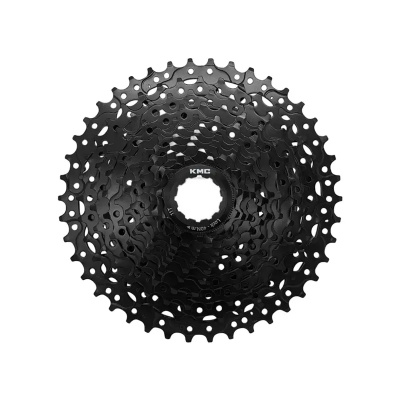
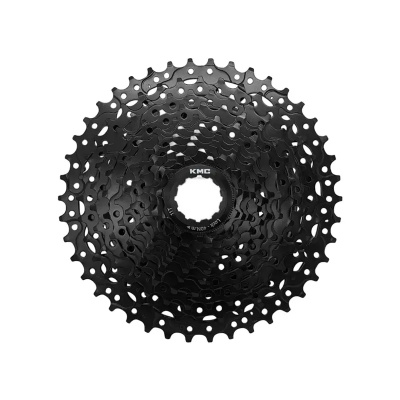
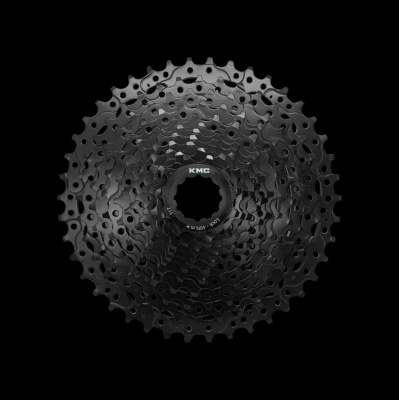
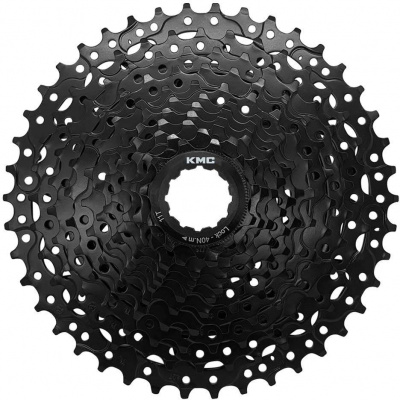
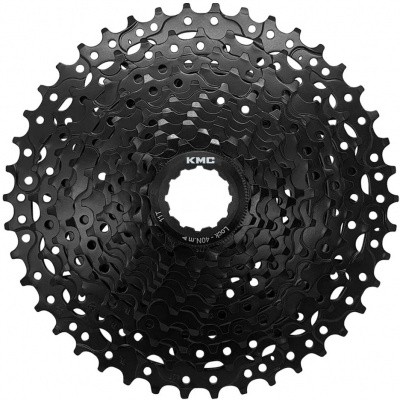
KMC 11 speed cassettes bring the same obsessive durability that made KMC chains a workshop staple to the sprocket end of your drivetrain. Built from high-tensile steel and engineered with KMC's React shifting ramps, they're designed to handle the kind of punishment that mid-drive e-bike motors dish out and the relentless grit that UK winters throw at everything else. That's a meaningful combination when you're nursing a drivetrain through November in the Peaks or grinding back from a Welsh trail centre in the dark.
The cassette range spans tight road and gravel ratios all the way up to wide-range 11-50T blocks for e-bikes and technical MTB riding. Fitting to a standard Shimano HG freehub body, they work as a direct drop-in replacement for worn Shimano or SRAM cassettes without any freehub faff. Optimised tooth profiling means cross-brand chain compatibility isn't a gamble - it works. If you're replacing a worn block or speccing a fresh build, KMC offers a credible, long-lasting alternative to the usual suspects. We've put the key details together below so you can pick the right cassette for your setup without guesswork.
Prices and availability can change quickly. Delivery charges are not always included in listed prices.
Final price, stock status and delivery terms are set by retailer. We may receive a commission on purchases made.
Compatibility: What Fits and What Doesn't
KMC 11 speed cassettes are built around the Shimano HG (Hyperglide) splined freehub body - the standard you'll find on the vast majority of road, gravel, and MTB wheelsets sold in the UK. That means they slot straight onto Shimano and SRAM 11 speed freehubs without adapters or shims. Derailleur and shifter compatibility follows suit: any 11-speed groupset indexed for HG will work cleanly with a KMC cassette.
Worth being clear about what won't work, though. SRAM XD freehub bodies - used on higher-end SRAM Eagle and Force AXS groupsets - are a different spline standard entirely. Shimano Micro Spline, which appears on some newer MTB hubs for 12-speed, is also incompatible. If you're unsure which freehub body you have, the easiest check is counting the splines on your hub or looking at the smallest sprocket on your current cassette: HG cassettes lock onto a wider-diameter body with a notched spline pattern.
Derailleur cage length matters more as you move up the range. A standard short-cage road derailleur handles close-ratio blocks (11-28T, 11-32T) without issue, but if you're fitting a wide-range cassette like an 11-42T or 11-50T, you'll need a long-cage derailleur and careful B-tension adjustment to keep the jockey wheel clear of the larger cogs. Get that wrong and shifting on the big sprocket becomes sluggish or skips under load. It's a five-minute adjustment with a limit screw and B-tension bolt, but it's worth doing properly before you head out. Compared to Shimano's own 11 speed cassettes, KMC's HG fitment is identical - there's no installation compromise here.
Range Breakdown and Where React Shifting Makes a Difference
KMC's 11-speed cassette lineup splits broadly into two camps: tighter-ratio blocks aimed at road and gravel use, and wide-range cassettes built for MTB and e-bike drivetrains. The road and gravel options typically run 11-28T or 11-32T, giving you smooth cadence control on long climbs without the big gear jumps that unsettle your rhythm on rolling roads. If you're doing audax-style mileage or gravel sportives in the Cotswolds or Scottish Borders, these closer ratios keep you spinning efficiently.
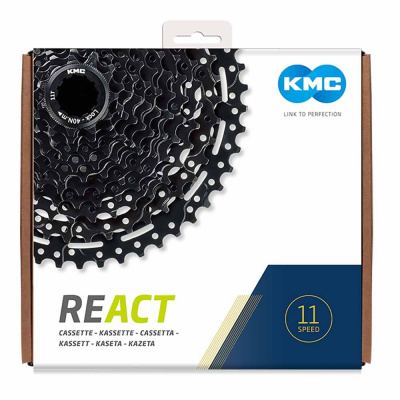
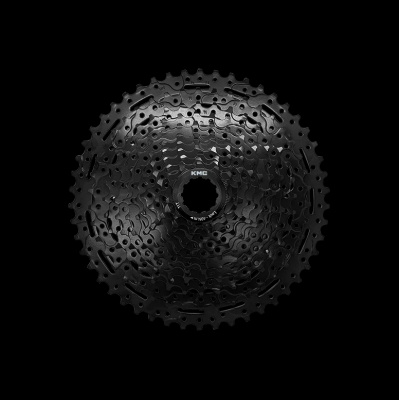
At the other end, the 11-50T cassette is KMC's answer to e-bike and technical trail riding demands. That's a huge range - genuinely useful when you're hauling a 25kg cargo e-bike up a bridleway or dropping into a steep descent and wanting a sensible bail-out gear. The KMC React cassette 11 speed range is where the brand's proprietary React Shifting Technology becomes most relevant: the enhanced ramp profiles are machined to guide the chain across sprockets smoothly even when you're pushing hard on the pedals rather than easing off for a clean shift. On a mid-drive e-bike motor, that matters. Motor torque doesn't pause politely for gear changes the way leg power does, and cassettes with poor ramp geometry shed teeth prematurely under that stress.
High-tensile steel construction is the other differentiator worth understanding. It's denser than aluminium, so KMC cassettes run heavier than alloy-bodied options from SunRace or premium Shimano and SRAM tiers. That's a deliberate trade-off: the steel resists deformation under torque and resists the micro-wear that turns sprocket teeth into shark fins after a wet season. For e-bike riders or commuters who cover serious mileage, the longevity justifies the weight penalty. Weight-conscious road riders building a race setup might look elsewhere, but for everyone covering real British miles in real British conditions, durability is the more useful currency.
Keeping It Running Through a UK Winter
British winters don't just make riding harder - they actively destroy drivetrains. Wet mud mixed with road grit turns into an effective grinding paste that works between cog faces and accelerates wear faster than dry conditions ever would. KMC's cog spacing includes mud-clearing channels designed to let contamination pass through rather than pack between sprockets, but they need help from you to do their job properly.
After a muddy ride, a rinse with a hose or a pressure washer held at sensible distance clears the worst of it. A stiff-bristled cassette brush worked between the cogs gets the remaining grit out of the channels. Don't skip this step and just re-lube over dirty cogs - you're effectively lapping the contamination into the drivetrain. A wet-weather chain lube applied after cleaning keeps the interface between chain and sprocket protected without attracting additional muck the way thick greases do.
Servicing intervals depend heavily on your mileage and conditions, but a rough guide for UK winter riding is to check chain wear every 500 miles with a chain checker tool. A stretched chain accelerates cassette wear disproportionately - once the chain's worn, it starts riding up the teeth rather than seating correctly, and you'll need a new cassette far sooner than you should. Replacing chain, cassette, and KMC chainring together as a matched set when the chain checker says replace is the most cost-effective approach over time. Fitting a new chain to a worn cassette gives you noisy, imprecise shifting from day one. KMC's own tools include lockring tools and chain checkers that are sized correctly for their cassettes, which takes the guesswork out of installation torque and wear measurement. A lockring torqued to spec matters more than most riders realise - an undertightened cassette can creak under hard pedalling and, in worst cases, shift on the freehub body.
If you're running an older 10-speed setup and considering a groupset refresh, it's worth knowing that KMC also produce 10 speed cassettes and 9 speed cassettes on the same durability brief, so you can carry the same maintenance logic across a fleet or an older bike without switching suppliers.
KMC 11 Speed Cassettes FAQs
Are KMC cassettes compatible with Shimano 11 speed?
Yes. KMC 11 speed cassettes use the standard Shimano HG splined freehub body, so they fit directly onto Shimano and SRAM 11-speed hubs. They work with any 11-speed derailleur and shifter combination indexed for the HG standard. SRAM XD and Shimano Micro Spline freehubs are not compatible.
Do I need a specific chain for a KMC 11 speed cassette?
Not strictly. KMC's optimised tooth profiling is designed for cross-brand compatibility, so any quality 11-speed chain from a major manufacturer will run cleanly. That said, pairing a KMC cassette with a KMC 11-speed chain gives you the tightest tolerance match between cog ramps and chain plates, which can extend overall drivetrain life.
Are KMC 11-speed cassettes suitable for e-bikes?
Yes, and the construction is genuinely suited to it rather than just marketed that way. High-tensile steel cogs resist the sustained torque that mid-drive motors produce, and the React shifting ramps handle gear changes under load better than standard profiling. For e-bike use, the weight of steel construction is irrelevant - longevity is what counts.