
KMC 9 Speed Cassettes
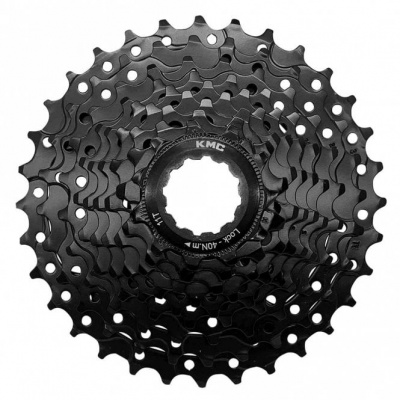
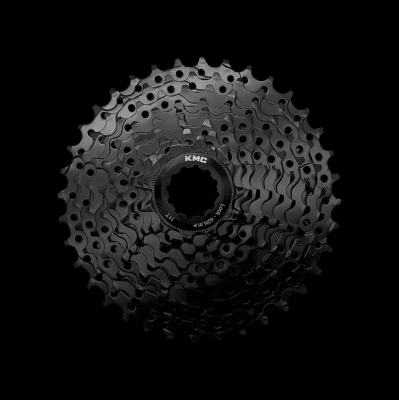
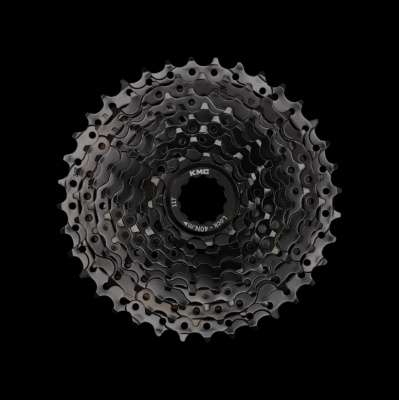
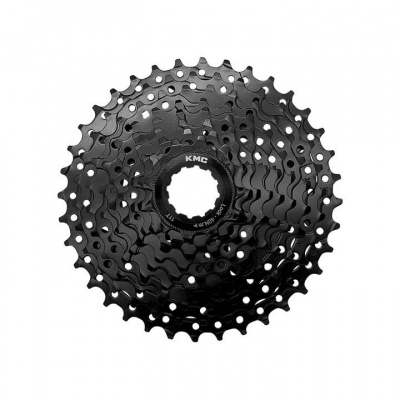
A KMC 9 speed cassette might not be the most glamorous upgrade you'll bolt to your bike, but it's the kind of part that quietly earns its keep every single ride. KMC built their reputation on chains - proper, obsessively engineered chains - and they've applied that same thinking to their cassette range. The result is a set of cogs machined from high-tensile steel that laugh at the gritty soup UK winters throw at your drivetrain.
Whether you're grinding through muddy Peak District bridleways, hammering a winter commute across Bristol, or hauling an e-bike up a Welsh hillside, these cassettes are spec'd to take the punishment. The optimized shifting ramps are designed to work hand-in-glove with KMC's own chain technology, giving you clean, positive gear changes even when you're heaving on the pedals mid-climb. That matters more than most riders realise - chain slip under load isn't just annoying, it's a real safety issue on loose ground.
Available in a range of gear ratios from tight-ratio urban options through to wide-range 11-36T blocks for steep off-road work, there's a KMC cassette for most nine-speed set-ups. Shimano HG compatible and built to outlast cheaper alloy alternatives, they're a sensible, no-nonsense choice for riders who want durability without drama.
Prices and availability can change quickly. Delivery charges are not always included in listed prices.
Final price, stock status and delivery terms are set by retailer. We may receive a commission on purchases made.
Compatibility and Fitment Standards
KMC 9 speed cassette compatibility is refreshingly straightforward. Every cassette in the range uses the standard Shimano HG (Hyperglide) spline pattern, which means they slot directly onto any HG-compatible freehub body - covering the vast majority of Shimano and SRAM nine-speed drivetrains without any adapter faff. If you're currently running a Shimano 9 speed cassette or a SRAM equivalent, swapping to a KMC is a direct replacement. No drama, no special tools beyond the standard lockring socket.
The one thing worth checking before you order - especially if you're stepping up to a wider ratio like an 11-36T - is your rear derailleur's cage length. A short-cage (GS) mech simply doesn't have enough wrap capacity to handle the jump between the smallest and largest cogs on a wide-range cassette. You'll need a medium-cage GS at the very least, and ideally a long-cage SGS derailleur for anything 34T and above. Get that wrong and your shifting will be awful, or the chain will bottom out entirely. Check the derailleur's maximum sprocket spec in the manufacturer's documentation before you commit.
It's also worth knowing that KMC cassettes pair particularly well with KMC's own nine-speed chains, thanks to the precision-machined HG spline interface that's been developed alongside their chain geometry. That said, any quality nine-speed chain with correct width will function correctly.
Gear Ratios and What They're Actually For
Picking the right gear ratio is less about brand preference and more about honest self-assessment of where you ride. An 11-32T cassette gives you relatively tight steps between gears, which translates to smooth cadence control on flatter roads or urban commuting routes. The gaps won't feel jarring, and the smaller overall range keeps the drivetrain geometry clean and efficient. If your nine-speed bike lives in the city or on mellow gravel paths, this is probably your cassette.
Step up to an 11-34T and you're adding a useful bailout gear for mixed riding - think Surrey Hills lanes, moderate trail centre climbs, or a loaded touring set-up where you need that extra mechanical advantage without going full mountain gearing. It's the sensible middle ground for riders who do a bit of everything.
The 11-36T is where things get genuinely useful for steep off-road work or e-bike duty. That 36-tooth granny ring is a proper get-out-of-jail gear on a brutal Scottish glen climb or a technical Welsh moorland track. If you're running a best 9 speed cassette for e-bike applications, the wider range combined with KMC's high-tensile steel construction is particularly relevant - e-bike motors generate significant torque through the drivetrain, and softer alloy cogs can deform under that loading over time. KMC's steel cogs resist that kind of wear meaningfully. Riders who'd otherwise consider a SunRace wide-range cassette or a MicroShift option for budget e-bike builds will find KMC's steel construction a compelling reason to spend a little more.
Surviving UK Conditions - What Steel Actually Means in Practice
Here's the thing about British riding: the grit that coats your drivetrain from October through March isn't just mud. It's a fine silica paste that acts like valve-grinding compound between your chain and cogs. Alloy cassettes, especially softer ones, can show visible tooth wear in a single winter season under those conditions. High-tensile steel cogs don't have that problem to anything like the same degree - the harder surface resists abrasion and holds the tooth profile far longer, which is exactly why durable 9 speed cassette UK riders keep coming back to steel construction.
Maintenance is still required, though. Steel resists wear better than alloy, but it doesn't make your cassette self-cleaning. Regular degreasing with a stiff brush to shift compacted grit from between the cogs, followed by re-lubrication, will keep drivetrain wear in check and preserve both the cassette and the chain working against it. A clean drivetrain also makes it much easier to spot early tooth wear before it becomes expensive.
One critical point: fitting a new cassette onto an old, stretched chain is a false economy. A worn chain won't mesh cleanly with fresh cog teeth, and you'll get skipping under load almost immediately. Fit a fresh KMC 9 speed chain at the same time, and use the correct lockring tool - a cassette lockring tightened with a bodged solution will work loose. The right cassette installation tools make the job clean and secure.
KMC 9 Speed Cassettes FAQs
Are KMC 9 speed cassettes compatible with Shimano?
Yes. KMC 9 speed cassettes use the standard Shimano HG spline pattern, so they fit directly onto any HG-compatible freehub body as a drop-in replacement for Shimano and SRAM nine-speed drivetrains. Just confirm your rear derailleur's maximum sprocket capacity matches your chosen cassette's largest cog before ordering.
Do I need a new chain when replacing a 9 speed cassette?
Always fit a new chain alongside a new cassette. A stretched chain won't mesh cleanly with fresh cog teeth and will skip under load almost immediately, wearing the new cassette down rapidly. Check chain wear with a gauge before deciding - if it's at 0.75% stretch or beyond, replace it without hesitation.
How long should a 9 speed cassette last?
A high-tensile steel cassette typically covers 2,000 to 4,000 miles depending on conditions and upkeep. UK winter riding shortens that range if the drivetrain isn't kept clean. The most effective way to extend cassette life is replacing your chain before it hits 0.75% wear - a worn chain destroys cogs far faster than road grime does.