
SRAM 9 Speed Cassettes
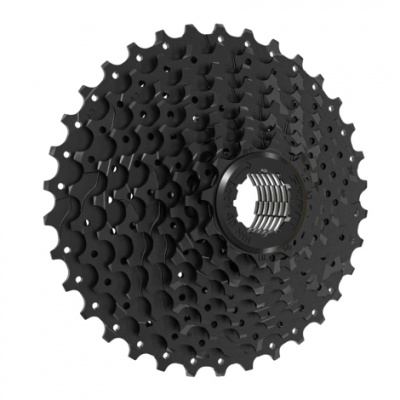
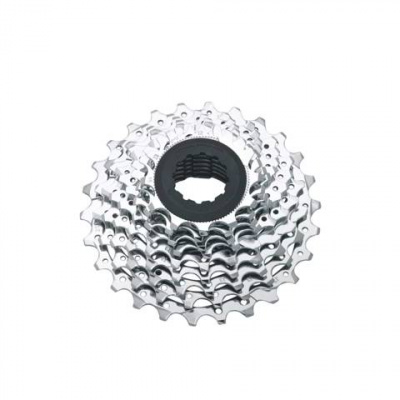
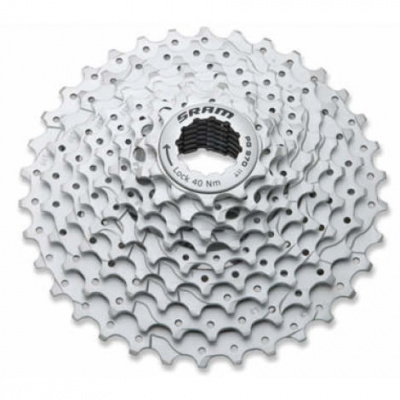
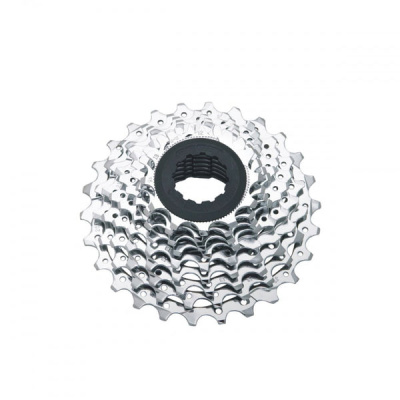
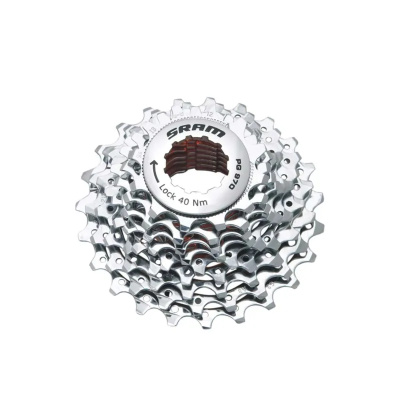
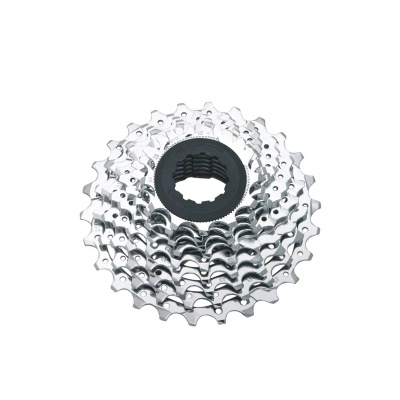
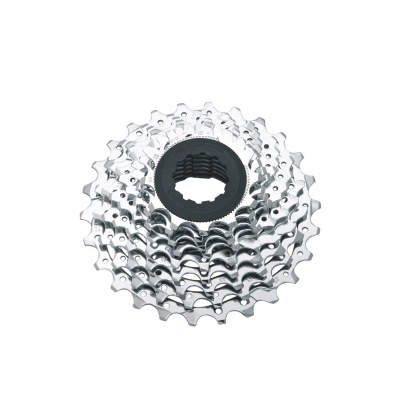
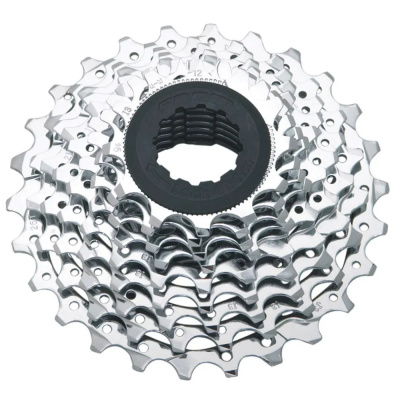
A SRAM 9 Speed Cassette is still one of the most practical drivetrain upgrades you can make - whether you're reviving a winter commuter, keeping a reliable touring rig rolling, or refreshing an older trail bike that's done serious mileage. Nine-speed hasn't gone anywhere. The industry may have chased 12-speed, but 9-speed remains the workhorse standard for riders who want simple, affordable, and dependable gearing.
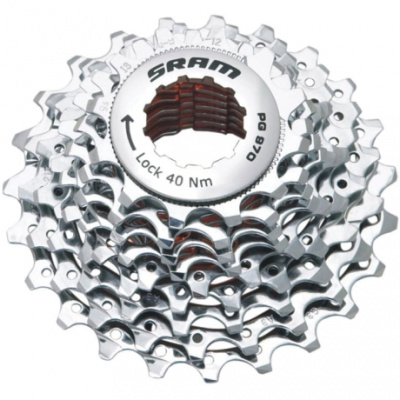
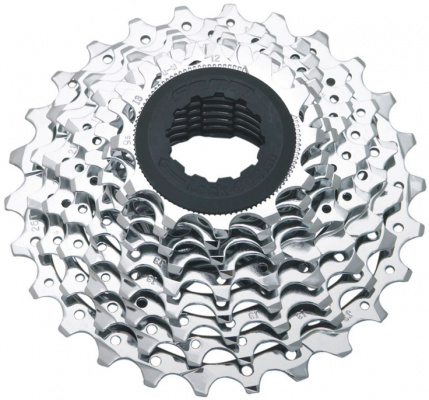
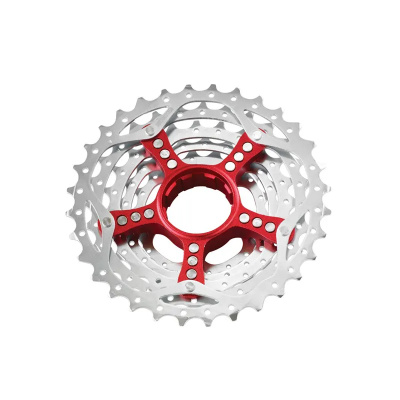
SRAM's 9-speed cassettes use their PowerGlide II tooth profiles - shaped ramps and precisely angled cog faces that coax the chain into gear cleanly, even when you're pushing hard out of a corner or grinding up a steep lane. Underneath that, heat-treated steel cogs give the block genuine longevity rather than just looking the part on a spec sheet.
If your shifting has gone vague or the chain's started skipping under load, a fresh cassette is almost always the fix. Pair it with a new chain and you'll feel the difference immediately. Compare prices across the range below, check the gear ratios that suit your riding, and we'll cover everything you need to know about compatibility and maintenance further down the page.

Prices and availability can change quickly. Delivery charges are not always included in listed prices.
Final price, stock status and delivery terms are set by retailer. We may receive a commission on purchases made.
Compatibility: What Fits and What Doesn't
The key thing to know before you buy: SRAM 9 speed cassettes use the standard Shimano HG freehub spline pattern. That's the same splined interface you'll find on the vast majority of 8, 9, and 10-speed mountain and road hubs made over the past two decades. So if you're running a Shimano 9-speed derailleur and want to slot in a SRAM cassette, you can. No adaptor, no drama - it drops straight on.
What won't work: SRAM XD freehub bodies (found on higher-end SRAM drivegroups) and Shimano Micro Spline freehubs (11-speed MTB and 12-speed road). If you've got either of those, this range isn't for you.
One thing riders often miss is derailleur cage length. If you're swapping from a tighter ratio like 11-28T to a wider 11-34T for more climbing range - say, your regular loop has taken a more hilly turn - your rear derailleur needs to be able to take up that extra chain slack. A short-cage mech won't manage it cleanly. Check your derailleur spec before you order the wider cassette; a medium or long cage is what you need for 11-34T gear ratios. If you're unsure, the manufacturer's max sprocket specification is stamped in the derailleur's manual or usually findable on their site in about 30 seconds.
Spacer question comes up a lot too. On a standard mountain bike freehub body designed for 8/9/10-speed cassettes, no spacer is needed. If you're fitting onto a modern 11-speed road freehub (which is slightly wider), you'll want a 1.85mm spacer behind the cassette to take up the difference. Get that wrong and the cassette sits off-centre, which causes all sorts of indexing headaches. Worth double-checking before you start the install.
If you're shopping around the 9-speed market more broadly, Shimano 9 speed cassettes are the obvious point of comparison, and SunRace 9 speed cassettes are worth a look if you want wider range options at a lower price point.
PG-950 vs PG-970: Which One Do You Actually Need?
SRAM's 9-speed cassette range sits across two main models, and the differences are more practical than they might first appear.
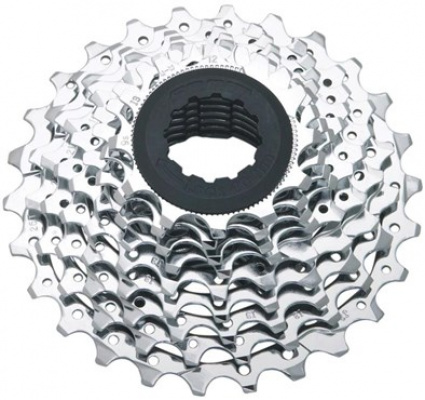
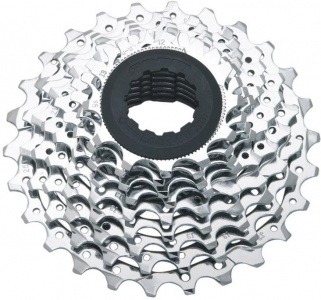
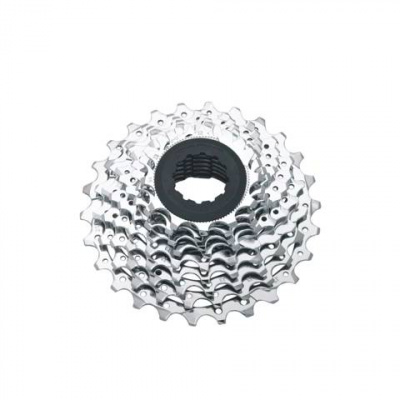
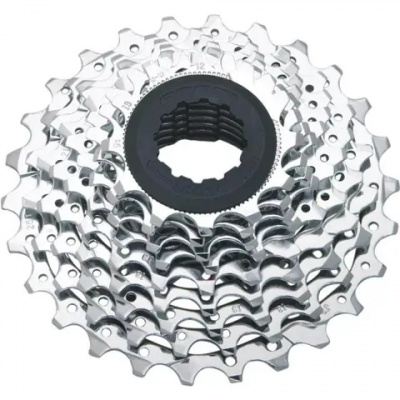
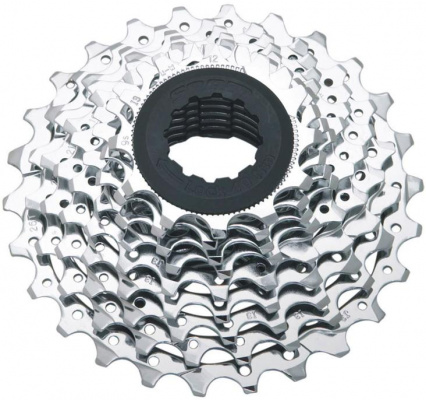
The PG-950 is the entry-level option. It's heavier than its sibling, uses a standard steel finish, and is honest about what it is - a solid, no-fuss replacement cassette that does the job well. If you're maintaining a commuter or a bike that lives through British winters and accumulates serious grime, the PG-950 makes financial sense. You're not paying for features you won't notice.
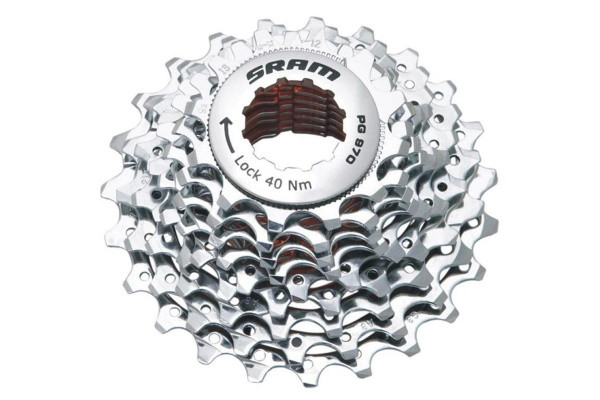
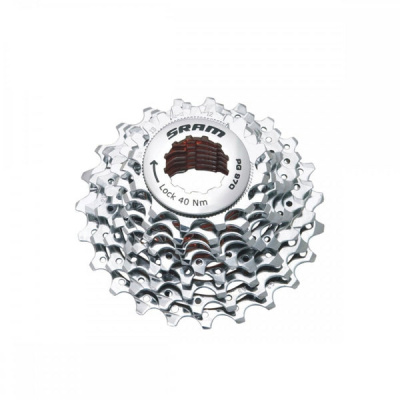
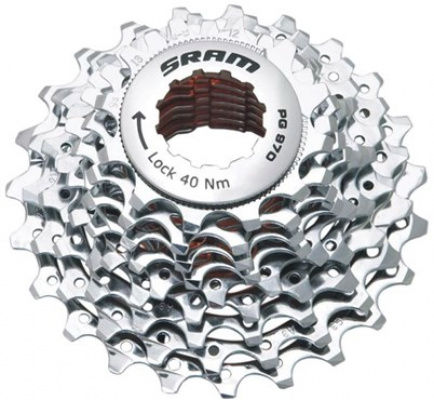
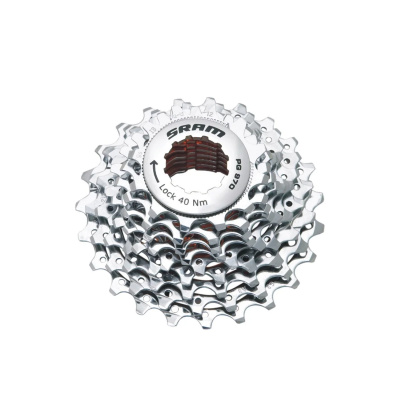
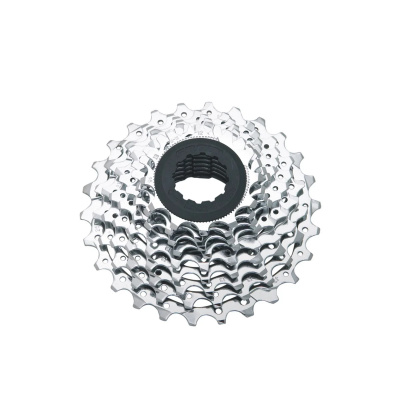
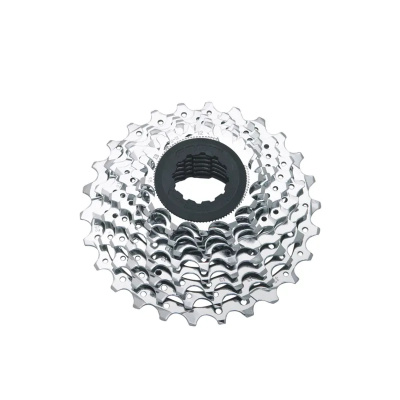
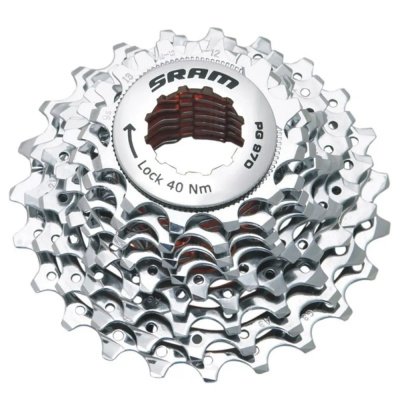
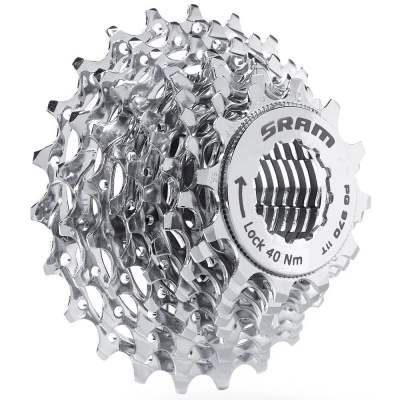
The PG-970 steps up with a tougher nickel-chrome plating across the cogs. That's not just cosmetic - nickel-plated finish genuinely resists surface corrosion better than bare steel, which matters when your cassette is spending half its life caked in wet mud and road salt. It's also marginally lighter. Not enough to feel on the scales of ride feel, but it's there. For riders who clean their bikes regularly and want the cassette to last longer between replacements, the PG-970 is the one to choose.
Both models share the same PowerGlide II shifting architecture - the shaped ramps and profiled cog teeth that guide the chain accurately between sprockets. It's the same fundamental technology across the range; you're just getting a more resilient finish as you move up.
If you only need to replace individual cogs or a lockring rather than the full cassette, that's a different conversation - head to our cassette spares page where we list individual components so you're not buying more than you need.
For another angle on value at this price bracket, MicroShift 9 speed cassettes are worth comparing if you're after a budget-friendly alternative.
Keeping It Running Through a UK Winter
Here's the honest picture: UK riding conditions are tough on drivetrains. Wet lanes in the Peaks, clay-heavy trails in the Chilterns, gritty commutes through November - all of it turns the muck between your cogs into something closer to grinding paste. Steel cogs wear faster than the manufacturers' figures suggest when that's your reality.
The fix isn't expensive, it's consistent. Clean your drivetrain regularly - after every muddy ride if you can manage it. A good degreaser, a chain cleaning tool, and a proper rinse make a real difference to how long the cogs last. Lube matters too; a wet lube in winter stays put far better than dry wax, which washes off before you've reached the end of the road.
The single most important thing: when you fit a new cassette, fit a new chain at the same time. A worn chain has already stretched, and even a few rides on it will start to reshape the cog teeth to match that stretch. Put a fresh chain on a worn cassette - or worse, a worn chain on fresh cogs - and you'll feel the skipping under pedalling load almost immediately. Replace both together and you get the full service life of the cassette.
You'll need a chain whip and a lockring removal tool to get the old cassette off. If you don't have them already, we've got SRAM-compatible options listed on the SRAM tools page. It's a ten-minute job once you've done it once. And while you're sorting the cassette, pair it with a matching SRAM 9 speed chain to keep the whole drivetrain working as it should.
On drivetrain wear: a steel SRAM 9-speed cassette running in typical conditions should see somewhere between 2,000 and 3,000 miles before the teeth start looking hooked. Wet and gritty UK winters will push you toward the lower end of that range, so checking chain wear every 500 miles or so with a cheap chain checker tool is worth building into your routine. Catch the chain before it's too far gone and the cassette will last considerably longer.
SRAM 9 Speed Cassettes FAQs
Are SRAM 9 speed cassettes compatible with Shimano?
Yes. SRAM 9-speed cassettes use the same Shimano HG spline pattern, so they fit directly onto any standard HG freehub body. You can run a SRAM cassette alongside a Shimano 9-speed derailleur and chain without any compatibility issues.
Do I need a spacer for a 9 speed cassette?
On a standard 8/9/10-speed mountain bike freehub, no spacer is needed - the cassette fits straight on. If you're fitting onto a wider 11-speed road freehub body, you'll need a 1.85mm spacer behind the cassette to position it correctly.
How long does a SRAM 9 speed cassette last?
In typical conditions, expect 2,000 to 3,000 miles from a steel SRAM 9-speed cassette - less if you're riding through UK winter grit regularly. If a new chain skips under load on your current cassette, the cogs are already past their best and it's time to replace.