
Shimano 9 Speed Cassettes
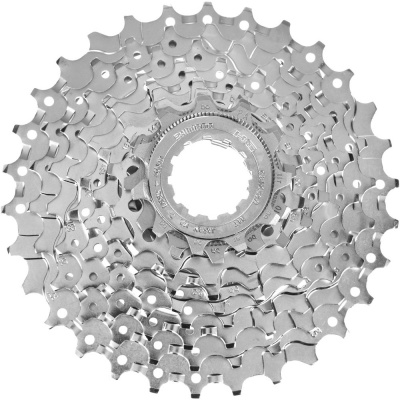
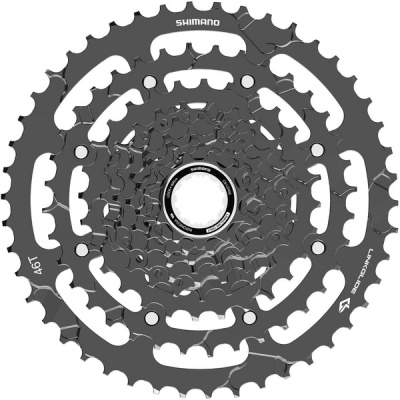
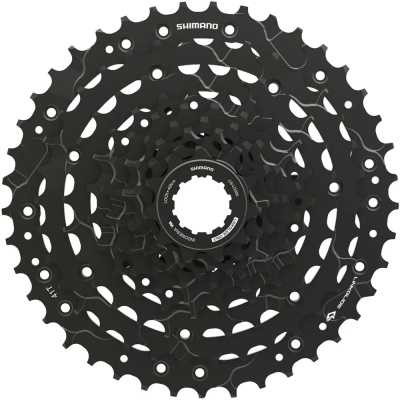
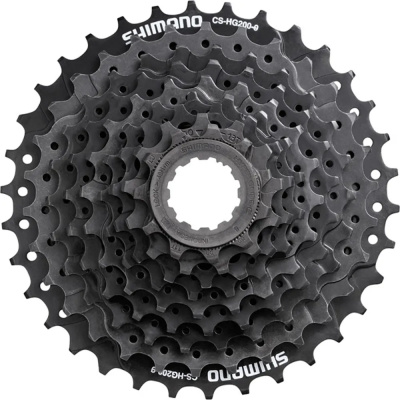
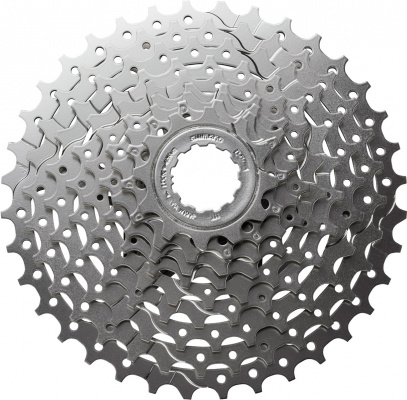
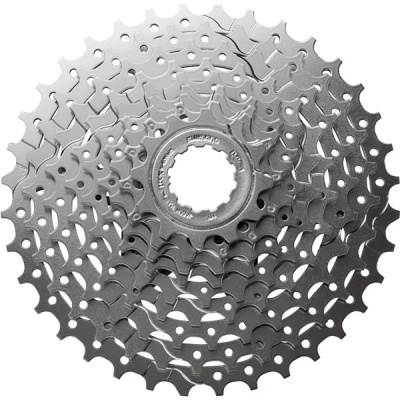
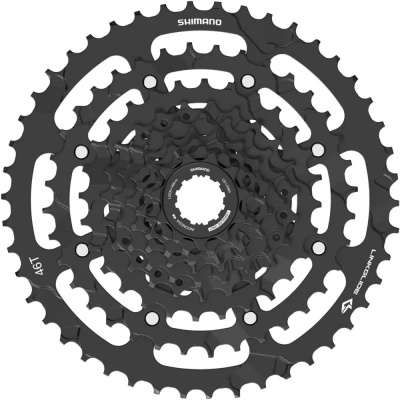
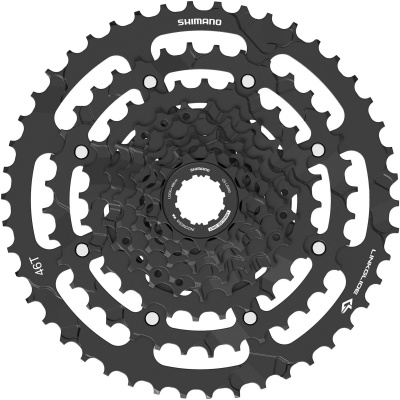
A fresh Shimano 9 speed cassette is one of the cheapest ways to restore the crisp, confident shifting you remember from when your bike was new. Whether you're keeping a winter commuter honest with a Sora block or grunting up steep Welsh trails on a wide-ratio Alivio setup, Shimano's Hyperglide (HG) tooth profiling does the heavy lifting - ramping and relieving each sprocket so the chain moves cleanly even when you're grinding out of the saddle on a wet climb.
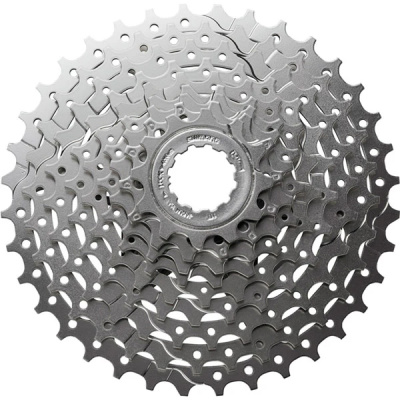
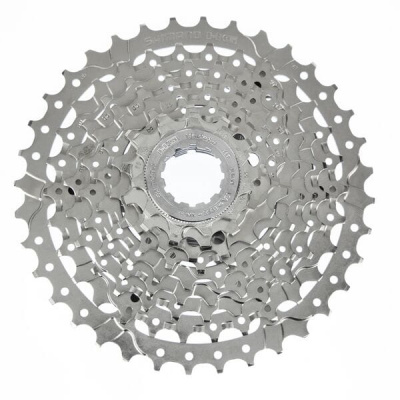
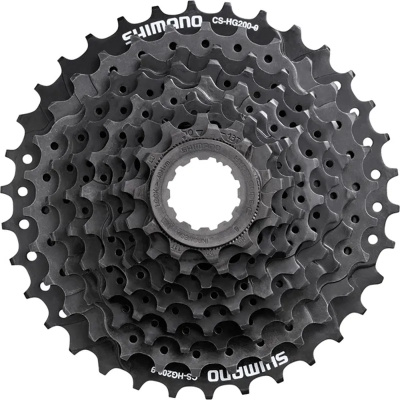
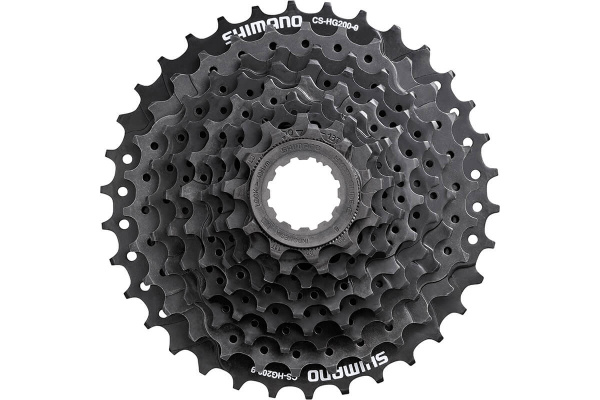
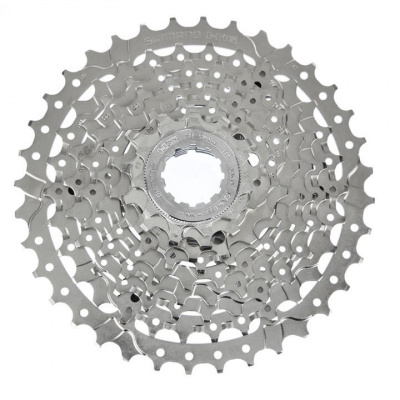
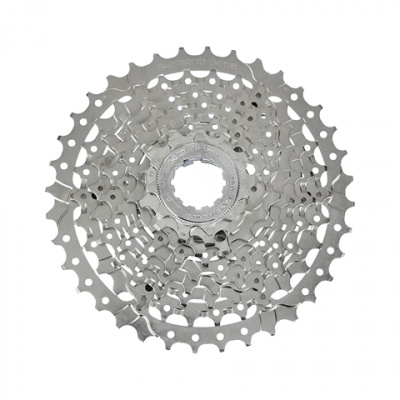
The range spans road and MTB use, close-ratio and wide-ratio gear steps, and several tiers of construction quality. Steel cogs throughout keep costs sensible, while mid-to-high tier options add nickel plating that genuinely matters when you're riding through the kind of grit and moisture that UK winters deliver consistently. Drivetrain wear accelerates fast in those conditions, so starting with a quality cassette and maintaining it properly saves money over the season.
All Shimano 9-speed cassettes share the standard HG spline pattern, so freehub body compatibility is straightforward across a wide range of wheels. Use our comparison tools to pin down the exact gear ratios and price you need, and get your drivetrain back on song.
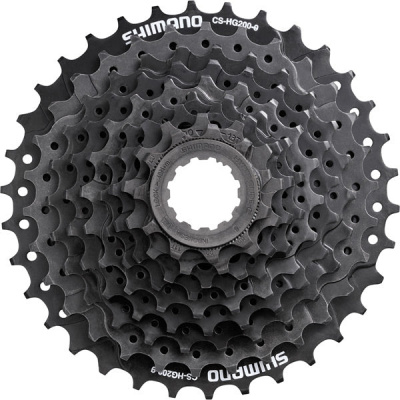
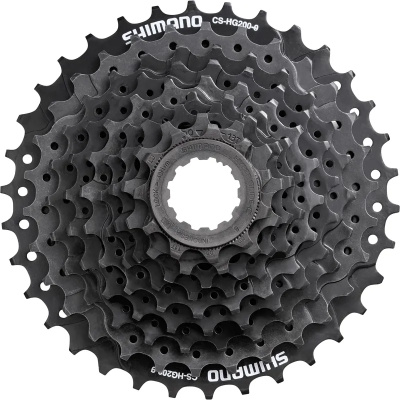
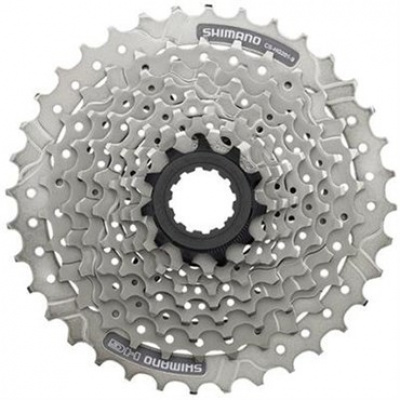
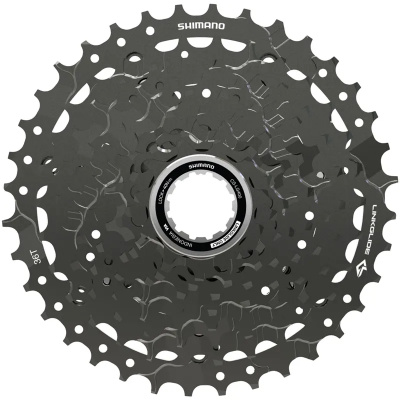
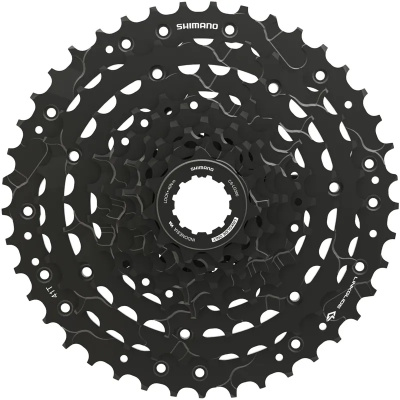
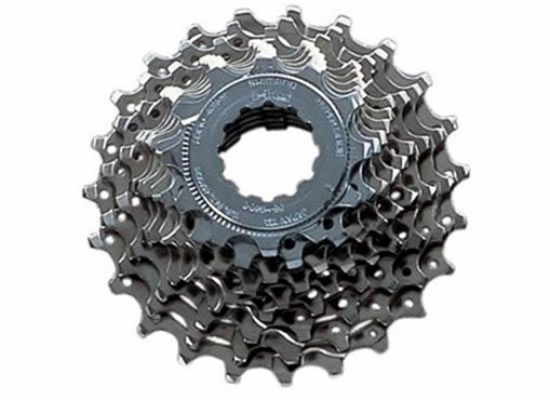
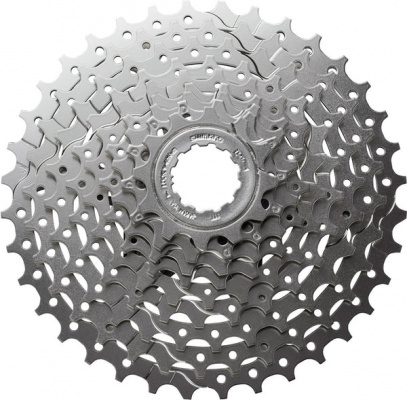
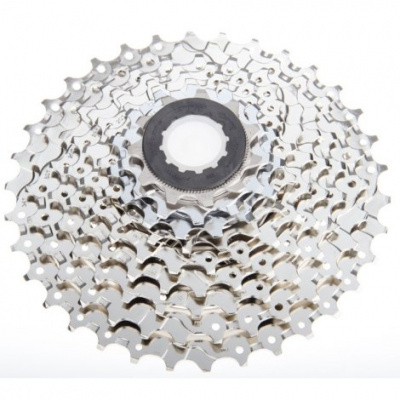
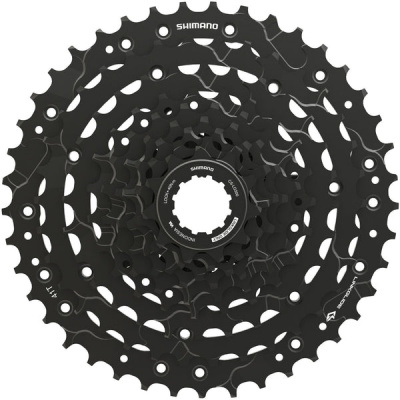
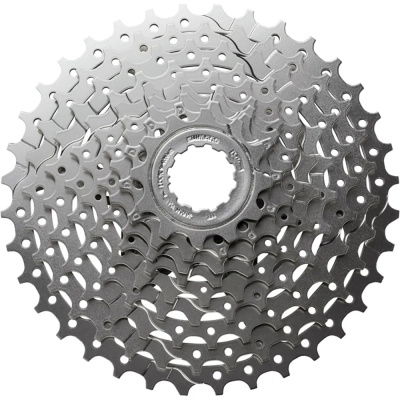
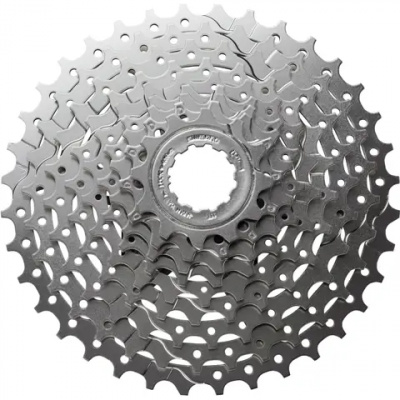
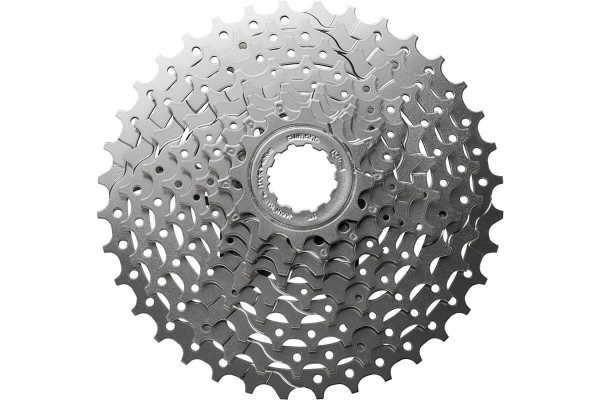
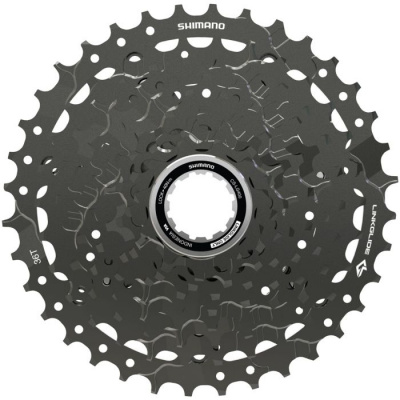
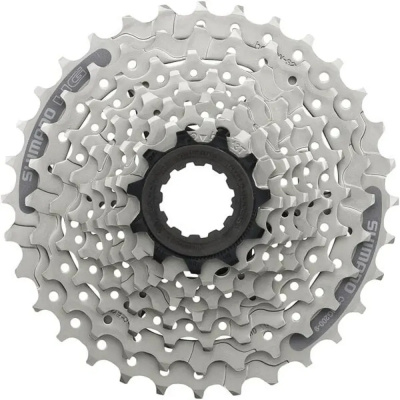
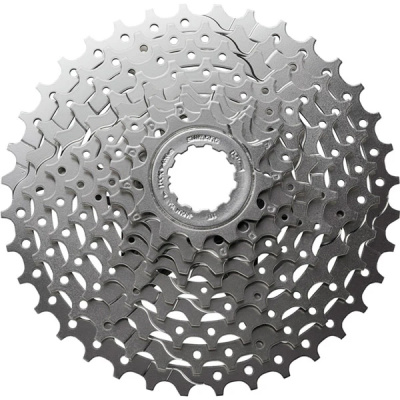
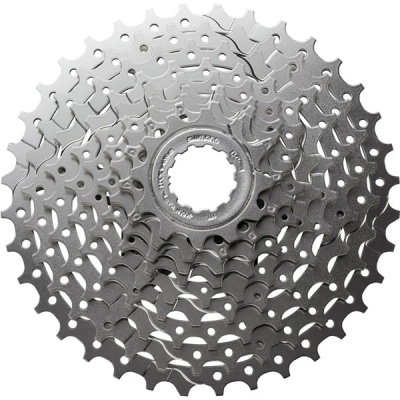
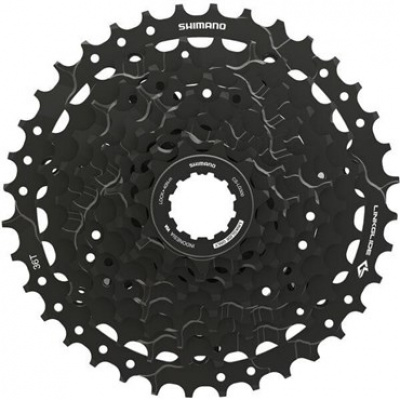
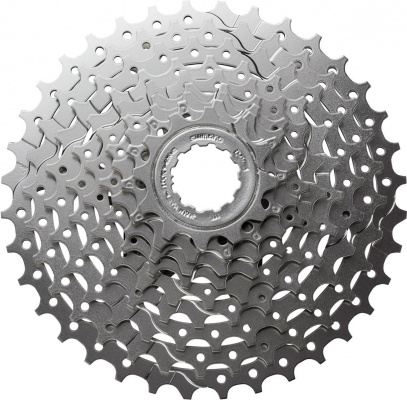
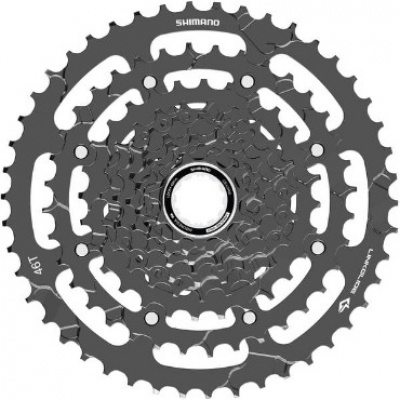
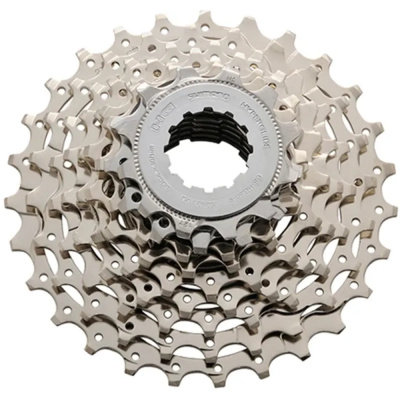
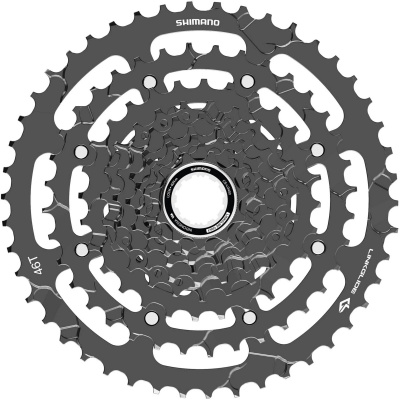
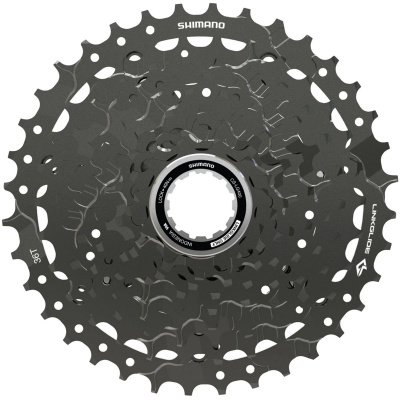
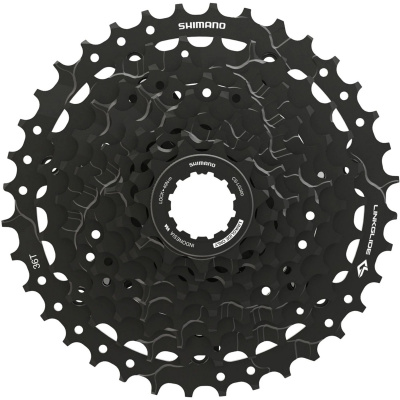
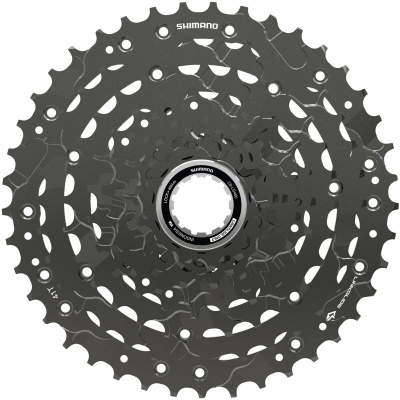
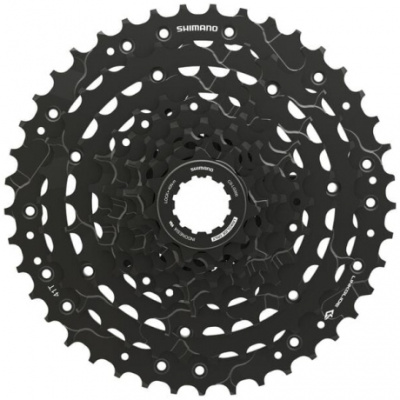
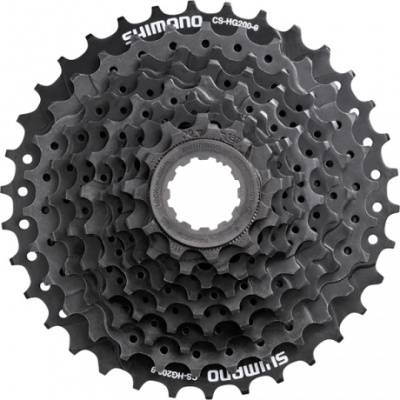
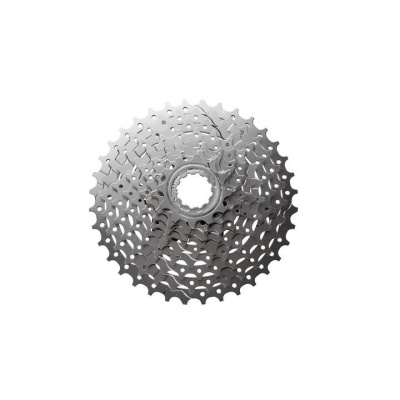
Prices and availability can change quickly. Delivery charges are not always included in listed prices.
Final price, stock status and delivery terms are set by retailer. We may receive a commission on purchases made.
Compatibility: What Fits What
Every Shimano 9 speed cassette uses the standard Hyperglide (HG) spline pattern - the same interface Shimano has used across 8, 9, and 10-speed groupsets. That means a 9-speed cassette slides straight onto an 8-speed or 10-speed freehub body without any spacers or adapters. It's a genuinely useful bit of cross-generation compatibility if you're refreshing an older wheel or mixing components across a build.
The one thing that will catch you out is rear derailleur cage capacity. Bolt a wide-ratio 11-34t Shimano 9 speed cassette onto a bike running a short-cage road derailleur and you'll find the derailleur physically can't wrap around the largest cog - you'll get poor shifting at best, a snapped mech at worst. Check your derailleur's maximum sprocket size before you buy. A compact road cassette like an 11-25t pairs cleanly with a short-cage mech; anything pushing into the 32t-36t bracket needs a medium or long cage.
To get the full picture of what your new cassette needs alongside it, match it with a compatible Shimano 9-speed chain and check your rear derailleur can handle the range. Running fresh sprockets against a worn chain is a fast way to chew through both - it's not a saving worth making.
Shimano's 9-Speed Lineup: Sora, Alivio, and Where CUES Fits In
Shimano organises its 9-speed offering into clear tiers, and the differences are more practical than badge-chasing.
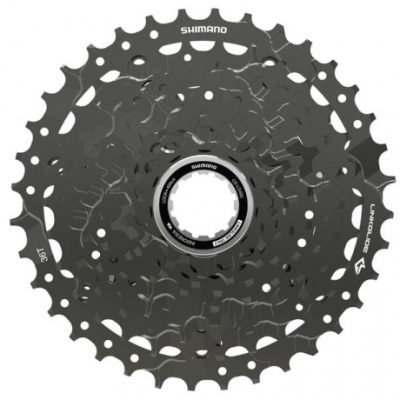
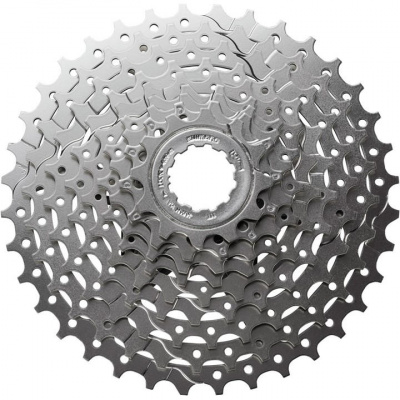
Sora (typically the HG400 or HG50 cassette) sits at the entry level of Shimano's road range. The gear ratios are road-biased - think 11-25t or 11-28t - with relatively tight jumps between sprockets that suit steady-cadence road riding. The steel cogs are functional and durable, though on a daily winter commuter through salted roads you'll want to clean and lube regularly. The Shimano Sora 9 speed cassette is the sensible choice for anyone keeping an entry-level road bike rolling without spending over the odds.
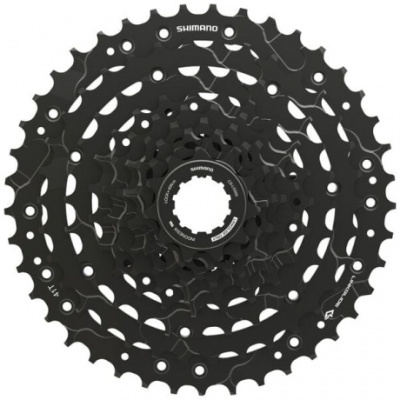
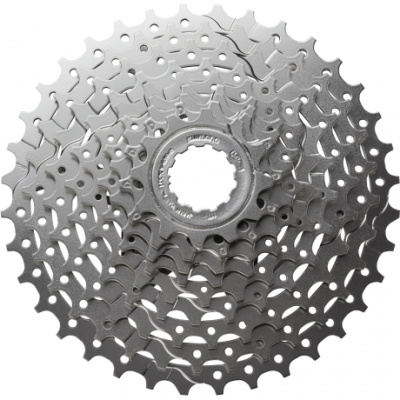
Alivio targets hybrid and trail riding with wider ratio options - the Shimano Alivio 9 speed cassette commonly runs 11-32t or 11-34t, giving you the bail-out gear you need when a bridleway pitches upward unexpectedly. Older Deore 9-speed cassettes sit in similar territory and are worth considering if you find them available. Both use Shimano's Mega-9 Lite technology, which optimises the step between each gear so ratio jumps feel manageable rather than lurchy - useful when you're picking your way across technical ground and need predictable changes.
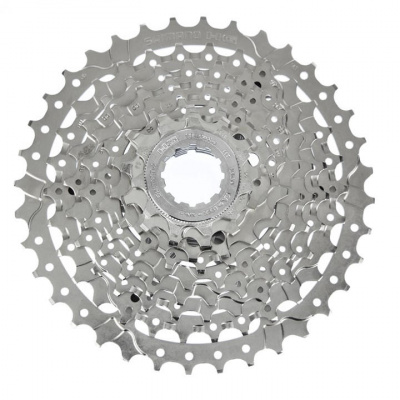
Move up the range and the key upgrade is nickel-plated steel construction. The plating hardens the working surface of the sprockets and resists the surface rust that forms on unplated steel during damp storage or back-to-back wet rides in the Peak District or on Scottish trails. You'll also notice weight savings through drilled and shaped sprockets on higher-tier models - less rotational mass without sacrificing the stiffness the cogs need to transfer power cleanly.
If you're cross-shopping outside Shimano, SRAM 9-speed cassettes offer a comparable tier structure, while SunRace 9-speed cassettes are a practical budget option with wide-ratio availability. MicroShift 9-speed cassettes are another alternative worth a look if you're building on a tight budget and need reliable HG-compatible sprockets.
Keeping a UK Cassette Alive Through Winter
Here's the thing about riding in Britain: road grit, trail mud, and general damp don't just dirty your drivetrain - they mix with chain lube to form a grinding paste that works its way between your chain rollers and sprocket teeth with every pedal stroke. A cassette that might last 5,000 miles in dry conditions can be shark-toothed and skipping inside a single winter if you ignore it.
The best Shimano 9 speed cassette for MTB riding in muddy conditions is only as good as how often you clean it. After a properly muddy ride - the kind where your bike looks like it's been on a cross-country trek - rinse the drivetrain down before that mud dries. A weekly wipe and relube on a winter commuter is a reasonable minimum. It's not glamorous, but it's the difference between a cassette that lasts a season and one that lasts three.
The other thing to stay on top of is chain wear. A stretched chain doesn't just shift badly - it files the leading face off each sprocket tooth over time, hooked and asymmetric where it should be square. Use a chain wear indicator and replace the chain at 0.75% stretch. Install a new chain on a worn cassette and it'll skip under load immediately, because the chain pitch no longer matches the tooth spacing. At that point you're replacing both anyway, and the cassette will have cost you more in the long run.
For drivetrain wear monitoring and the tools to service your cassette properly - chain whips, lockring tools, the lot - browse the Shimano tools category for compatible options. Having the right lockring tool for a first-time cassette swap makes the job take ten minutes rather than an afternoon.
Shimano 9 Speed Cassettes FAQs
Are all Shimano 9-speed cassettes interchangeable?
Yes - they all use the standard Shimano HG spline pattern and mount onto the same freehub bodies. The catch is rear derailleur capacity: your mech must be able to handle the largest cog on whichever cassette you choose. A short-cage road derailleur won't clear a 34t MTB cassette, so check your spec before buying.
Can I put a 9-speed cassette on an 8-speed or 10-speed wheel?
You can. Shimano's 8, 9, and 10-speed HG freehub bodies are the same width, so a 9-speed cassette goes straight on and locks down with a standard lockring - no spacers needed. It's one of the more useful bits of compatibility in Shimano's range, handy when you're mixing wheel generations on a build.
How do I know if my 9-speed cassette is worn out?
The clearest sign is a brand-new chain skipping over the cogs under load - that's the sprocket teeth too worn to hold it. Don't wait for that point. Use a chain wear indicator and swap the chain at 0.75% stretch; replace both together if you've missed that window and the teeth look hooked or asymmetric.