
Microshift 9 Speed Cassettes
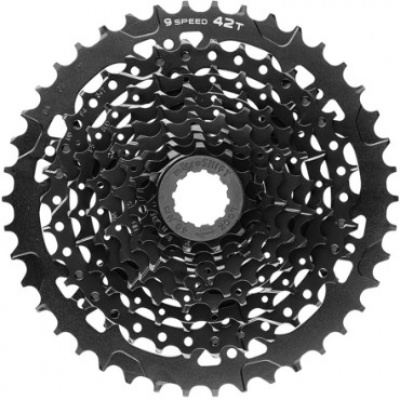
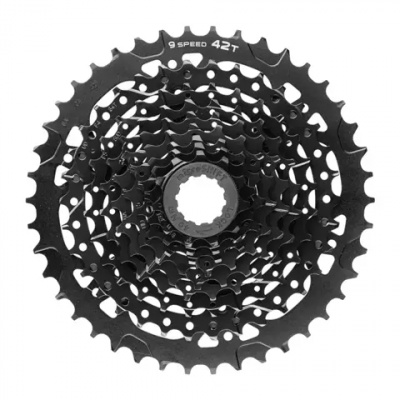
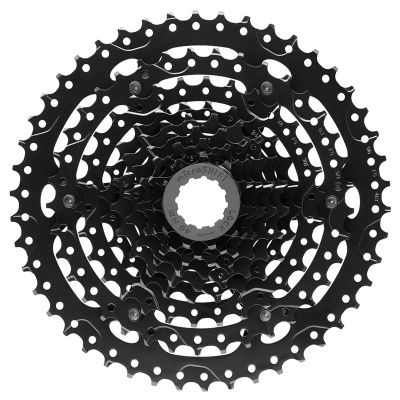
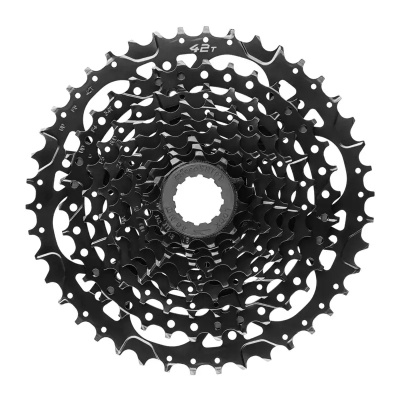
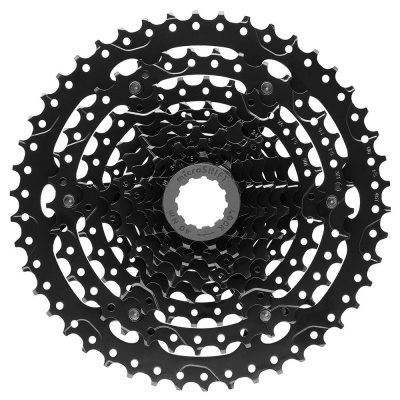
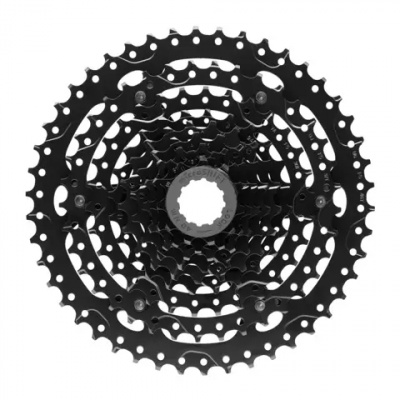
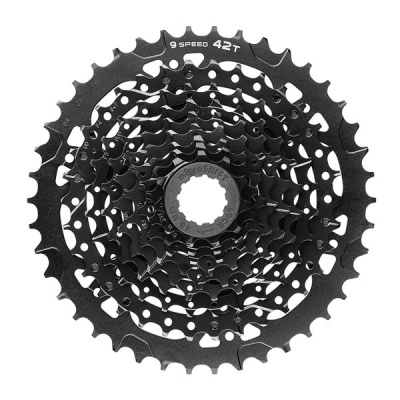
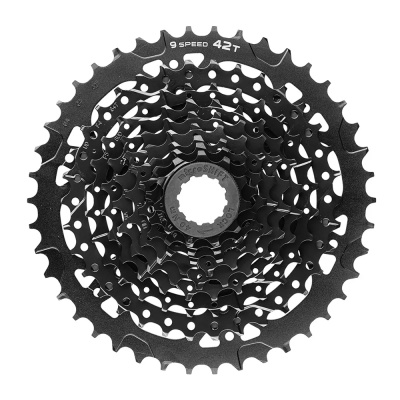
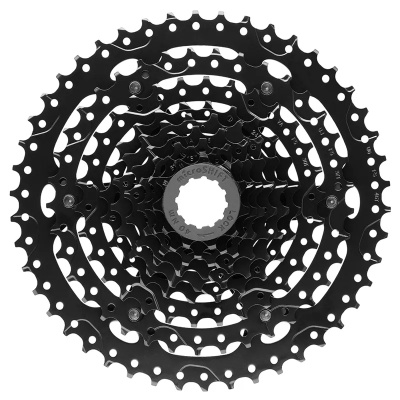
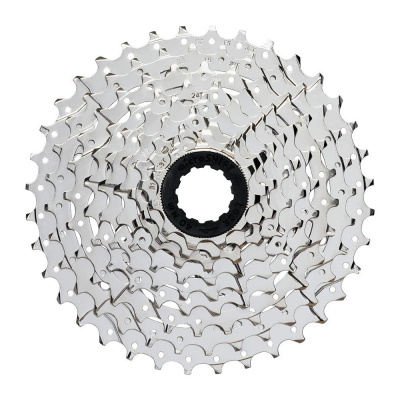
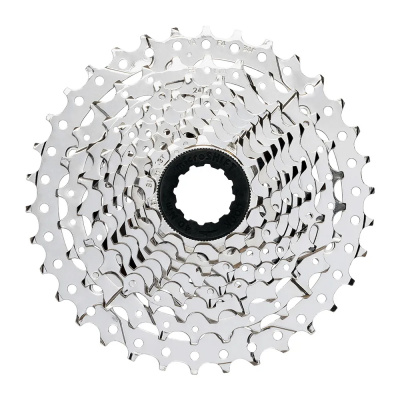
A microSHIFT 9 speed cassette is one of the shrewdest ways to breathe new life into an ageing drivetrain - without touching your wheels. microSHIFT quietly became the go-to for riders wanting modern wide-range gearing on a budget, and their 9-speed lineup is where that reputation is most justified. The Advent series in particular offers 11-42t and 11-46t options that genuinely change what a nine-speed bike can climb, bringing 1x simplicity to older mountain bikes and gravel rigs that were never designed for it.
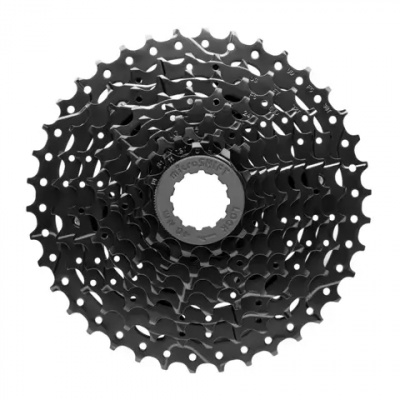
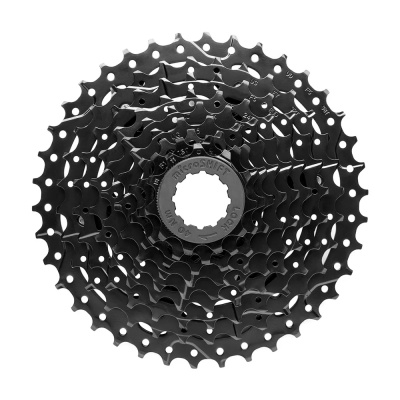
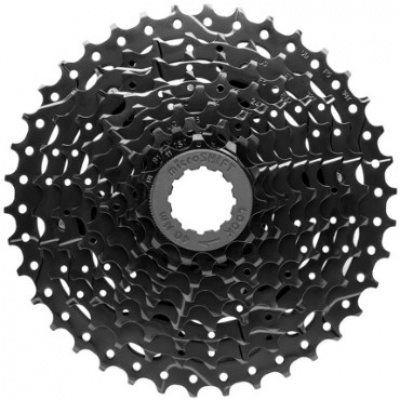
Construction is all-steel throughout. That matters in the UK, where a wet Saturday on the South Downs or a soggy Pennine bridleway turns alloy-spidered cassettes into grinding paste magnets within a season. microSHIFT's hardened steel cogs resist that kind of wear, and the ED Black coating - an electrophoretic deposition process that bonds corrosion protection at a molecular level - keeps rust at bay even on bikes that spend winter in a damp garage between rides.
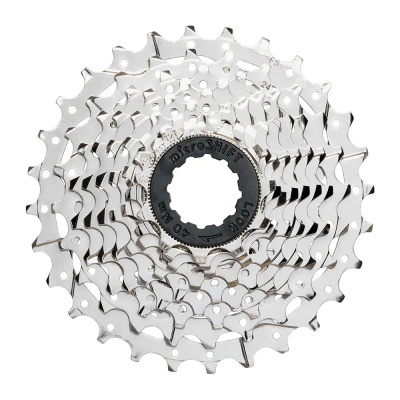
The standard Mezzo and Marvo ranges cover more modest spreads for road and hybrid use, while Advent steps up for proper off-road work. Both mount to a standard HG freehub, so fitting one is a straightforward swap for the vast majority of nine-speed bikes already out there. Good value, genuinely durable, and broader in scope than most riders expect.
Prices and availability can change quickly. Delivery charges are not always included in listed prices.
Final price, stock status and delivery terms are set by retailer. We may receive a commission on purchases made.
What Fits and What Doesn't: Freehub Bodies and Chain Compatibility
Every microSHIFT 9 speed cassette is built around the standard Shimano HG (Hyperglide) splined freehub body - the same interface that's been on the back of most wheel hubs for the past two decades. If your rear hub has an HG freehub, you're sorted. What won't work is an SRAM XD driver or a Shimano Micro Spline freehub; those use entirely different spline patterns and the cassette simply won't locate correctly.
Chain and derailleur compatibility is more relaxed. microSHIFT uses Shimano compatible spacing across its 9-speed range, which means any quality 9-speed chain - Shimano, KMC, or Connex - will run cleanly on these cogs. Your existing Shimano 9-speed rear derailleur will index correctly with a standard Mezzo or Marvo cassette without any adjustment beyond what you'd do for any cassette swap. That said, if you're fitting the wide-range Advent 11-46t cassette, a standard short-cage derailleur won't clear the largest cog. You'll need a long-cage, wide-range mech with enough total capacity - the microSHIFT Advent rear derailleur is the natural partner here, engineered specifically to handle the Advent cassette's gear steps and large-cog geometry. If you're staying within the Advent ecosystem, pair the derailleur with an Advent shifter too - the cable pull ratio is proprietary and won't play ball with Shimano levers.
Compared with Shimano 9 speed cassettes at this end of the market, microSHIFT's fitment story is essentially identical. The lockring thread and torque spec (40Nm) are the same, so your existing cassette tool will do the job.
Advent vs. Mezzo and Marvo: Picking the Right Tier
microSHIFT splits its 9-speed cassette range into two distinct camps, and choosing the wrong one is a waste of money in either direction.
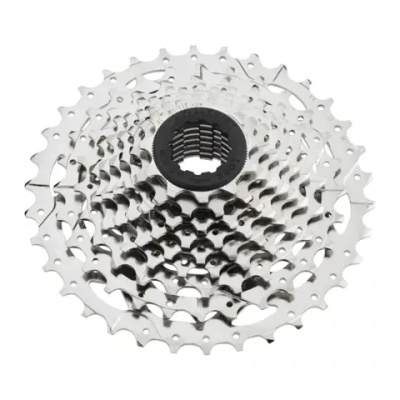
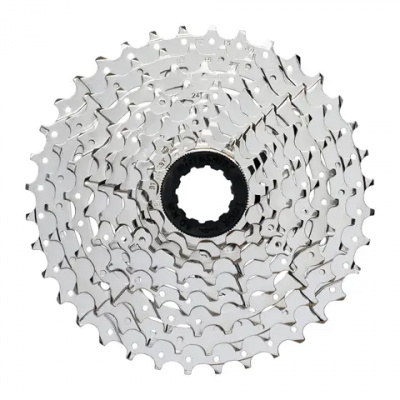
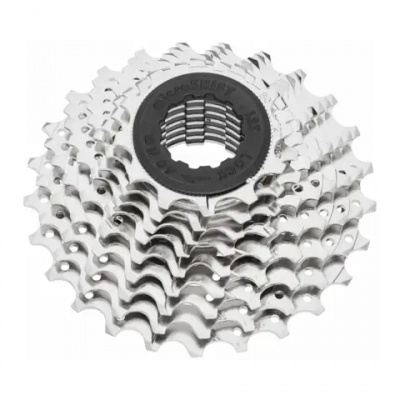
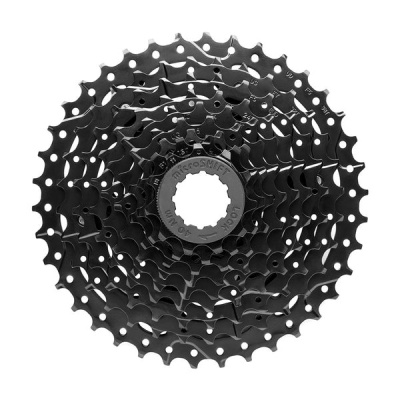
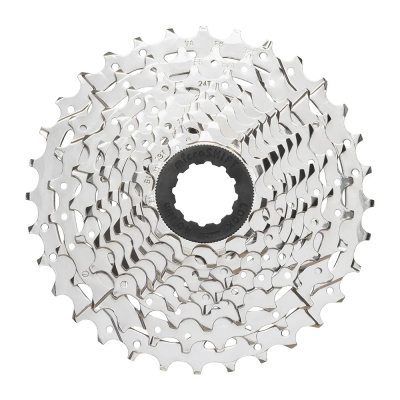
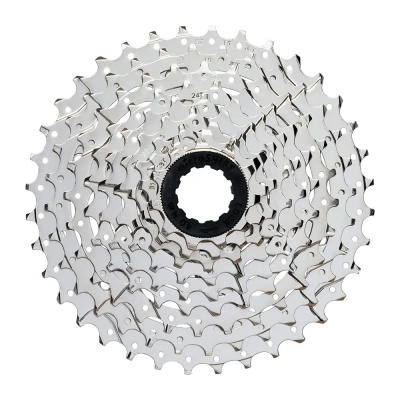
The Mezzo and Marvo cassettes are direct replacement units - 11-32t, 11-34t, and 11-36t ratios with a silver finish and conventional stepped construction. These are the cassettes to reach for when you're refreshing an older hybrid, a commuter, or a budget hardtail that runs a standard 2x or 3x setup. They're not glamorous, but they're honest replacements that cost less than the equivalent Shimano or SunRace options at the same spec level. If your current cassette is worn and your drivetrain is otherwise fine, this is your answer.
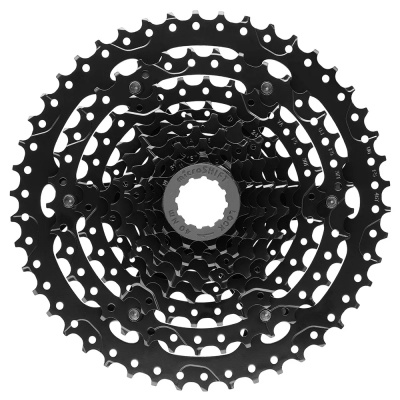
The Advent series is a different proposition entirely. Offered in 11-42t and 11-46t spreads and finished in ED Black, it's designed from the ground up as a 1x9 setup solution for mountain biking and gravel. The gear steps between cogs aren't just widened arbitrarily - they're optimised through microSHIFT's Advent-specific spacing logic, which prioritises usable cadence jumps across the whole range rather than cramming small steps at the top and leaving a cliff-edge gap at the bottom. The result is a cassette that feels more deliberate to ride than a generic wide-range option.
The trade-off with all-steel construction is weight. Both ranges are heavier than cassettes using aluminium spiders on the larger cogs - you'll notice the difference if you're weighing parts on a scale. But steel cogs resist wear from the relentless wide range drivetrain loads of steep climbing and high-torque pedalling, including the demands of e-bike assist systems. For most riders doing actual miles in variable UK conditions, the durability return outweighs the weight penalty by a margin. Worth keeping in mind if you're building a race-day XC setup versus a bike you thrash every weekend.
Keeping It Running: Maintenance in UK Conditions
Britain's mix of flint chalk mud in the south, peat bogs further north, and general year-round damp is hard on drivetrains. Alloy-spider cassettes can look pitted and corroded after a single winter of riding through the kind of silica-heavy clay you get on North Downs byways or Peak District bridleways. microSHIFT's continuously moulded steel cogs don't have that vulnerability - there's no softer alloy to pit, and the ED Black coating seals the surface against the constant moisture that causes rust on bikes stored between rides.
That said, steel cogs still wear. The biggest single thing you can do to extend cassette life is replace your chain on time. Check it with a chain wear indicator and swap it at 0.5 to 0.75 on the gauge - once you're past 0.75, the stretched chain has already started accelerating cog wear, and by 1.0 you're likely replacing both together. A fresh chain on a worn cassette will skip; it's not a warranty issue, it's just physics.
B-tension adjustment matters more than most riders think, especially with the 11-46t Advent cassette. If your rear derailleur's upper jockey wheel sits too close to the 46-tooth cog, shifting will be sluggish and the cog will wear faster from the jockey wheel's pressure. Set the B-tension screw so there's roughly 6mm of clearance between the top jockey wheel and the largest cog when you're in the easiest gear. Most Advent derailleurs have a guide printed on the mech itself. Get it right once and you won't need to revisit it unless you swap wheels.
After muddy rides, rinse the cassette before the mud dries - dried grit acts like a grinding compound between chain and cog. A regular degreaser and re-lube cycle every few rides is all these cassettes ask for. Compared with SRAM 9 speed cassettes at comparable price points, the ED Black finish on the Advent range holds up notably better to the kind of storage conditions UK garages tend to offer between November and March.
Microshift 9 Speed Cassettes FAQs
Is microSHIFT 9 speed compatible with Shimano?
Yes. microSHIFT 9-speed cassettes use the same cog spacing as Shimano's 9-speed standard, so they work with Shimano 9-speed chains and derailleurs without modification. One exception: if you're running a microSHIFT Advent derailleur, you'll need an Advent shifter to match its proprietary cable pull ratio - it won't index correctly with a Shimano lever.
What freehub does a microSHIFT 9 speed cassette use?
microSHIFT 9-speed cassettes fit the standard Shimano HG (Hyperglide) splined freehub body - the interface found on the vast majority of 9-speed-era wheels. They won't mount on an SRAM XD driver or a Shimano Micro Spline freehub, which use different spline patterns entirely.
Can I put an 11-46t cassette on a standard 9 speed bike?
The cassette will mount if you have an HG freehub, but a standard short or medium-cage 9-speed derailleur won't clear a 46-tooth cog. You'll need a long-cage wide-range derailleur - the microSHIFT Advent is the natural fit - or a derailleur hanger extender if you're adapting an existing mech. Don't skip this step; the consequences for your dropout are unpleasant.