
Kask Headwear
Kask cycling headwear is built around one idea that matters more than most riders realise: your head covering should work with your helmet, not against it. Whether you're grinding out January base miles into a Pennine headwind or sweating through a humid August climb in the Brecon Beacons, getting your head kit right makes a genuine difference to comfort and focus.
The range spans classic peaked cycling caps, thermal skull caps, and neck warmers - each cut with low-profile seams that sit flush against your skull without creating pressure points under your helmet's retention system. That matters because a poorly fitted cap can shift a helmet's position or reduce ventilation, neither of which you want mid-ride.
For winter, Kask leans on Merino wool blends and windproof front panels to deal with the kind of biting chill that arrives without warning on a November descent. For summer, lightweight moisture-wicking fabrics keep sweat clear of your eyes when the pace picks up. There's a considered option for most conditions here, and the helmet compatibility is built in from the start - not an afterthought.
Prices and availability can change quickly. Delivery charges are not always included in listed prices.
Final price, stock status and delivery terms are set by retailer. We may receive a commission on purchases made.
Fabric Tech and What It Does in Real Conditions
Kask splits its headwear fabrics cleanly between warm-weather and cold-weather demands, which makes choosing straightforward once you know what you're after. Summer caps use lightweight breathable mesh and moisture-wicking polyester constructions that pull sweat away from your forehead and disperse it before it reaches your eyes. On a long climb - think a sweaty haul up Hardknott Pass in July - that wicking action keeps your vision clear and stops the salt sting that ruins a descent.
Some summer caps also offer a degree of UV protection through their woven fabrics, useful on long sportive days when you're out for five or six hours. The peaked brim does practical work too: it deflects light drizzle and keeps sun off your face without adding any meaningful bulk under the helmet.
Winter skull caps are a different proposition entirely. Kask uses Merino wool blends here, which give you natural thermoregulation - they hold warmth when you're rolling slowly into a headwind, then breathe more actively when your effort goes up on a climb. Merino also resists odour naturally, so a cap worn across back-to-back rides won't betray you at the café stop. The windproof front panel is the detail that earns its keep on exposed UK roads: it blocks the kind of icy windchill that cuts through standard knit fabric on a fast descent but stays breathable enough that you're not overheating on the way back up. Compared to something like GripGrab headwear, which also uses windproof panels effectively, Kask's execution tends to prioritise a cleaner under-helmet profile.
How the Range Breaks Down and Who Each Piece Suits
Three main formats cover most riders' needs. The traditional peaked cycling cap is the most versatile - worn brim-forward under a helmet for rain and sun deflection, or brim-back for a cleaner fit when weather isn't a factor. It's a thin layer, not a thermal one, so think of it as a summer and shoulder-season option rather than a January solution.
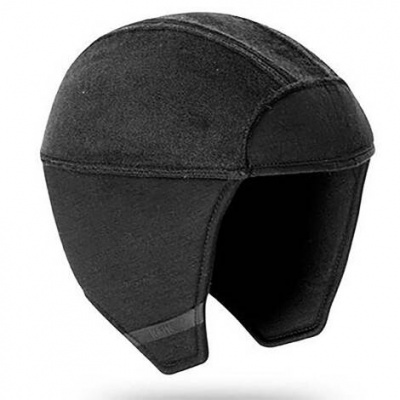
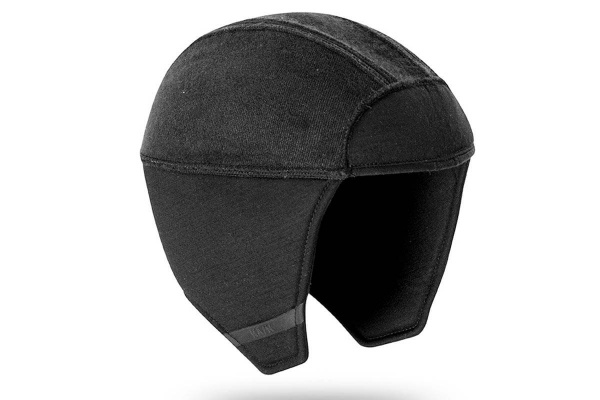
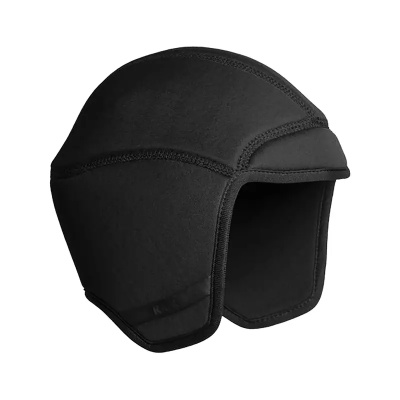
The thermal skull cap is where Kask puts serious cold-weather thought. It wraps ears and forehead with a snug, low-profile cut that's designed specifically to slide under a helmet's EPS foam without pushing the helmet up or distorting the fit. This matters practically: if your cap is adding noticeable height, your helmet's rear retention system will sit differently, which affects both comfort and safety. Kask's skull caps avoid that problem. Most riders going out in temperatures below five degrees will want this over a standard cap. It pairs well with a helmet that has decent ventilation - the Merino blend manages heat well enough that blocking vents with a thick beanie isn't usually necessary.
Neck warmers round out the range and are arguably the most underrated piece. A good neck warmer can be pulled up over the chin and lower face on a cold descent, then dropped back when the effort goes up. It adds meaningful warmth without the commitment of a full balaclava, and it fits under helmets without issue. If you ride in Scotland or the Peak District in autumn and winter, a neck warmer earns its place in the kit bag quickly.
One size fits most is how Kask approaches the majority of their caps and skull caps, using elasticated rear bands and stretch fabrics to accommodate different head shapes. That works well for most riders. For heavier winter beanies, check the specific product listing - some offer distinct sizing that gives a more dialled fit if you're between head sizes.
Brands like Castelli headwear and Rapha headwear cover similar ground, and all three are worth comparing if you're deciding between brands - the key differentiator with Kask is how deliberately the headwear is engineered to pair with their own helmet systems, particularly the retention geometry.
Layering It Into Your Kit and Keeping It in Good Shape
The practical question most riders ask is where headwear fits in a layering system. For winter riding, the skull cap goes on first, then the helmet over the top. Don't overthink it. The cap handles ear and forehead coverage; the helmet handles ventilation management. If conditions are particularly savage - think Scottish February with horizontal sleet - add the neck warmer over the base layer and under a softshell collar. That three-layer approach at the head and neck covers most of what UK riding throws at you without needing a full balaclava.
For transitional days, a peaked summer cap under a well-vented helmet gives you enough coverage without building up heat. It's the kind of layer you barely notice when conditions are fine, but you'll miss it the moment light rain starts and you've got nothing between your forehead and the drops.
Looking for the right lid to pair with your cap? Explore our full range of Kask Helmets or, if speed is the priority, check out Kask Aero TT Helmets to find a helmet that works with your chosen headwear layer.
Care is simple but worth doing properly. Wash Kask headwear cold - 30 degrees maximum - and skip the fabric softener. Softeners coat the fibres in moisture-wicking polyester and Merino blends, which gradually kills the wicking performance you bought them for. Air dry flat rather than tumble drying, particularly with Merino pieces, which can lose shape under heat. Treated this way, Kask caps hold up across a full season of regular use without losing their fit or function.
Kask Headwear FAQs
Can you wear a cycling cap under a Kask helmet?
Yes, and Kask headwear is specifically designed with this in mind. The <strong>low-profile flatlock stitching</strong> eliminates pressure points under the helmet's retention system, so the fit and safety of your helmet aren't compromised. Summer caps manage sweat; winter skull caps add insulation - neither should alter how your helmet sits.
How do I keep my head warm under a cycling helmet in winter?
A <strong>thermal skull cap</strong> or Kask winter beanie in a Merino wool blend is the most effective approach. These sit thin enough to fit cleanly under your helmet's retention system while covering your ears and forehead properly. For harsher days, pair with a neck warmer that can be pulled up over the lower face on descents.
Are Kask cycling caps one size fits all?
Most Kask caps and skull caps use a one-size-fits-most approach, relying on stretch fabrics and elasticated rear bands to accommodate different head shapes. It works well for the majority of riders. That said, heavier winter beanies may carry distinct sizing options - always check the individual product listing before buying.