
Kalas Base Layers
Kalas base layers sit at the sharp end of what a next-to-skin layer can do - trusted by pro teams and designed with the kind of fabric precision that most brands reserve for race day kit. The job of any base layer is straightforward: keep sweat off your skin, keep your core temperature stable, and stay invisible under your jersey. Kalas takes that brief seriously, and the range reflects it.
Two fabrics do most of the heavy lifting. Spinn is Kalas's ultra-lightweight weave, built to shift moisture fast - crucial when you're grinding up a humid Welsh climb and the rain shell is staying on regardless. For winter, Active Carbon integration handles odour control and antibacterial performance across long, back-to-back training blocks, while Thermal Roubaix and Merino blends trap heat even when the air is damp and the fog hasn't lifted by mid-morning. Seamless construction runs throughout the range, removing the pressure points that build into irritation over a four-hour ride.
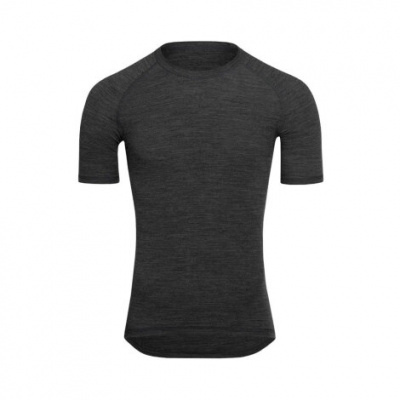
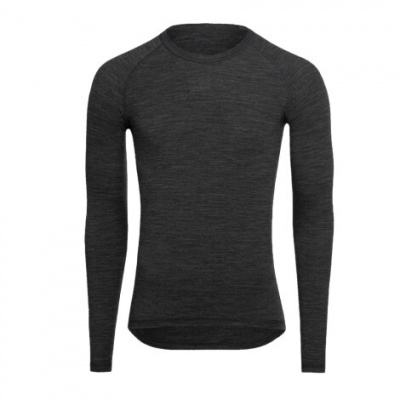
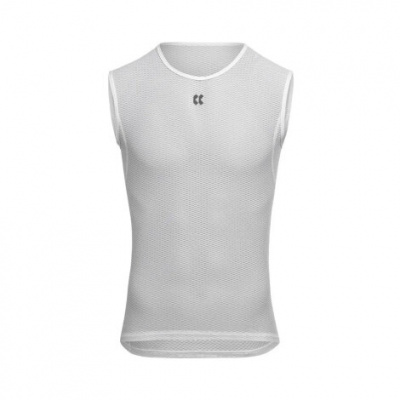
Whether you're after a sleeveless mesh for turbo sessions or a long-sleeve thermal for January miles, the Kalas range covers it. The fit is race-cut - snug by design, not by accident - and that matters more than most riders realise.
Prices and availability can change quickly. Delivery charges are not always included in listed prices.
Final price, stock status and delivery terms are set by retailer. We may receive a commission on purchases made.
Fabric Tech and How It Handles the UK's Moods
British riding doesn't give you clean seasons. You can leave the house in sunshine and be soaked twenty minutes later, which makes what's against your skin matter more than anything else you're wearing. Kalas builds its base layers around that reality.
The summer-weight options lean on Spinn fabric, an ultra-lightweight mesh construction that shifts moisture from skin to jersey before it has a chance to pool. Think of it as the difference between a sponge sitting on your chest and a one-way valve - sweat moves through, dry air comes back. On a punchy climb in the Peak District when humidity is high and you're pushing hard, that transfer speed is what stops the clammy, boil-in-the-bag feeling that kills your focus.
Winter is a different conversation. Kalas's cold-weather base layers use hollow-core fibres, Merino blends, and Thermal Roubaix construction to trap dead air close to the body - the same principle as a good duvet, but compressible enough to layer under a jersey without bulk. Critically, these fabrics still allow moisture vapour to escape, so you're not just staying warm, you're staying dry-warm, which is the only kind that matters when temperatures are near freezing and you're still two hours from home.
Active Carbon integration appears across several Kalas styles and handles something the marketing rarely mentions plainly: kit that gets worn hard, back to back, needs to manage odour without relying solely on washing. The Active Carbon fibres bind to odour molecules and carry antibacterial properties that hold up across multiple uses - genuinely useful if you're riding five or six days a week through winter.
Seamless knitting technology removes ridge seams from high-friction zones. That sounds minor until you've had a standard sewn seam grind against your shoulder blade for three hours. Seamless construction is one of those details that disappears when it works and screams at you when it doesn't.
The Range, the Fit, and Who Each Layer Suits
Kalas base layers run across three broad formats. Sleeveless mesh is the choice for high-summer riding, indoor training, and turbo sessions where ventilation is everything and arm coverage adds nothing. Short-sleeve styles bridge the gap - genuinely versatile for three-season use, pairing with a mid-weight jersey when the forecast is doing its usual thing. Long-sleeve thermal versions are built for deep winter, early-morning starts, and the kind of Scottish winter miles where getting warm takes the first forty-five minutes.
Should a cycling base layer be tight? Yes - and it's non-negotiable. A base layer only works if it's touching your skin. Loose fabric can't wick; it just holds moisture against you like a damp cloth. A next-to-skin fit isn't a preference, it's a functional requirement. Kalas sizes are cut to race proportions, reflecting the brand's pro-team background, so if you're between sizes or prefer a slightly more relaxed fit in your outer layers, check the size guide before ordering. The base layer itself still needs to sit flush against the body.
Compared to brands like Castelli base layers or Assos base layers, Kalas sits in a similar performance bracket but often at a more accessible price point - worth considering if you're building out a full kit wardrobe. Craft base layers take a more Scandinavian approach to thermal management, which suits some riders better depending on their output and ride pace.
Layering Sensibly for UK Conditions and Looking After What You've Got
A Kalas base layer on its own is only half a system. For summer riding, pair the lightweight mesh with a Kalas jersey - the jersey pulls moisture from the base layer and disperses it across a larger surface area, accelerating evaporation. In winter, a thermal long-sleeve base layer under a Kalas jacket gives you genuine insulation without the bulk of a mid-layer, keeping the system close-fitting and aerodynamically tidy. If you're adding Kalas bib tights to the mix for cold rides, the same logic applies - snug layers that work together rather than bulk up against each other.
What separates riders who get two seasons out of a technical base layer from those who ruin it in three washes is care. Wash at 30 degrees, use a mild non-biological detergent, and never use fabric softener. Fabric softener leaves a waxy residue that physically blocks the micro-pores in technical fibres - the moisture-wicking properties don't degrade slowly, they stop working. Air dry rather than tumble dry; the heat breaks down elastic fibres faster than anything else and shortens the garment's useful life considerably. GripGrab base layers and Endura base layers follow the same care rules, so if you're mixing brands in your kit drawer, the washing routine is consistent.
One more practical note: if you're riding through a British winter and the base layer gets soaked through despite wicking - which happens on truly brutal days - the Merino blends retain warmth even when wet in a way that pure synthetics don't. It's not magic, but it's a meaningful difference on a day when the weather has properly turned.
Kalas Base Layers FAQs
Should a cycling base layer be tight?
It needs to be snug - that's not just comfort preference, it's how the fabric works. If there's a gap between the material and your skin, moisture can't transfer and you'll end up cold and clammy. Kalas base layers are cut close by design; that next-to-skin contact is the whole point.
What is the difference between summer and winter cycling base layers?
Summer base layers use open mesh or Spinn-type fabrics to maximise airflow and shift sweat away fast - keeping your core cool when output is high. Winter versions use thicker constructions like Merino blends or Thermal Roubaix to trap warm air against the body while still allowing moisture vapour to escape, so you stay warm without becoming saturated.
How do you wash cycling base layers to maintain wicking properties?
Wash at 30 degrees with a mild, non-biological detergent. The critical thing: no fabric softener. It coats the technical fibres with a residue that blocks moisture transfer - once that happens, the wicking performance is gone. Air dry rather than tumble dry to protect the elasticity and keep the fit where it should be.