
Kalas Bib Tights
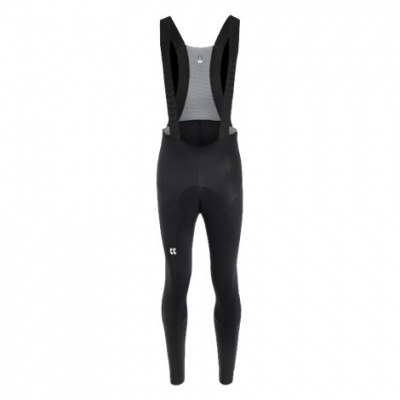
Kalas bib tights sit at a genuinely interesting point in the winter cycling market - race-pedigree construction that doesn't demand you race to appreciate it. Kalas supplies kit to outfits like Alpecin-Deceuninck and British Cycling, and that relationship with the sharp end of the sport feeds directly into the fabrics, pad tech, and cut you'll find across their bib tight range.
For UK riders, the brief is pretty specific: you need warmth you can actually rely on, not just a thermal label on a hang tag. That means brushed Roubaix fleece that traps heat without turning your legs into a furnace on the first climb, DWR coatings that deal with the relentless low-level spray British roads dish out, and windproof panels positioned where freezing air hits hardest - knees and thighs on a fast, exposed descent. Kalas addresses all three.
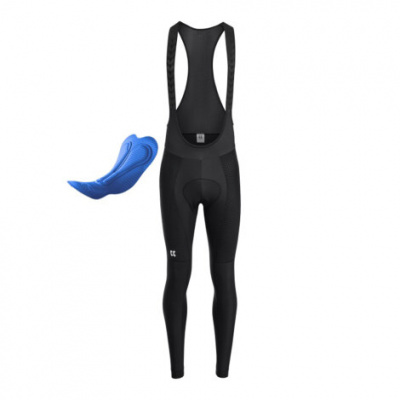
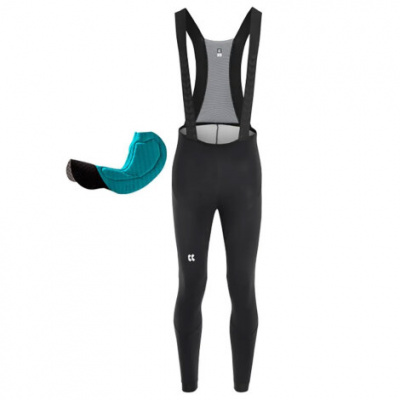
The chamois story matters too. These aren't one-pad-fits-all tights. Kalas runs a clear hierarchy from the Zoom X pad for everyday miles to the Endurance 3D pad, engineered with Elastic Interface technology for the long stuff. Whether you're banking winter base miles in the Peaks or grinding through a soggy December sportive, there's a Kalas thermal bib tight configured for your kind of riding.
Prices and availability can change quickly. Delivery charges are not always included in listed prices.
Final price, stock status and delivery terms are set by retailer. We may receive a commission on purchases made.
Fabric Tech and Weather Performance
The foundation of most Kalas winter bib tights is a brushed Roubaix fabric - a bi-elastic knit with a fleece-lined interior that retains warmth while still wicking moisture away from your skin. It's the kind of fabric that feels immediately reassuring on a cold morning, warm without being clammy once you're working. That thermal retention is the reason Roubaix-construction tights have become the default choice for winter road riding, and Kalas executes it well across the range.
DWR - Durable Water Repellent - treatment is applied to the outer face of the fabric. On dry cold days it's irrelevant, but on the kind of drizzly, grey Tuesday that makes up most of a UK winter, it makes a real difference. Road spray beads off rather than soaking in, which keeps the fabric lighter and the insulation working as it should. Worth noting: DWR does degrade with washing, so how you care for the tights matters (more on that below).
Where Kalas thermal bib tights step up from basic Roubaix construction is in the addition of windproof membrane panels on the leading edges - typically the front of the thighs and over the knees. These aren't decorative. On a 50 km/h descent into a headwind, unprotected knees get genuinely cold, and cold joints are slow joints. The membrane blocks that convective chill without adding meaningful bulk, so the tights don't feel stiff or restrictive when you're putting power down. Reflective detailing on the calves and ankles adds low-light visibility where movement catches a driver's eye most effectively - a practical touch rather than an afterthought. If you're comparing options, Castelli bib tights and Endura bib tights cover similar ground, though each brand's panel placement and fabric weight vary - worth checking the spec on each model directly.
Fit Profile and Choosing Your Chamois
Kalas cuts their bib tights to a race-oriented template. That means a close, aerodynamic fit designed to sit flush against the leg with minimal bunching or drag. For riders used to looser club kit, it can feel snug on first wear - that's by design, not a sizing error. If you're between sizes or simply prefer a bit more freedom of movement, size up. The bib straps tend to be well-engineered, distributing load evenly across the shoulders without digging in on longer rides, and the leg grippers hold the hem in place without tourniquet-level compression.
The chamois question is where things get genuinely useful to understand before you buy. Kalas runs two main pad options across their bib tight range, and the difference between them is meaningful.
The Zoom X pad is the mid-range option - multi-density foam construction that handles the variety of rides most club cyclists actually do. Two-hour winter spins, a mid-week turbo, a Sunday morning four-hour out and back. It's a versatile pad that won't have you shifting in the saddle, and it's the right call if your longest rides sit under five hours.
The Endurance 3D pad, developed in collaboration with Elastic Interface, is a different proposition. Elastic Interface's technology uses varying foam densities mapped to pressure points, with a 3D shape that follows the body's geometry rather than sitting flat. For rides pushing six hours and beyond - winter training camps, long audax events, extended base-building blocks - that engineering pays off in reduced fatigue and better pressure management over time. It's not that the Zoom X fails on long days, it's that the Endurance 3D is genuinely optimised for them. If your Saturdays regularly run to 150 km or more, the pad upgrade is worth it. You can also compare Kalas's bib tight range against their Kalas bib shorts to understand how the chamois options carry across into warmer weather kit.
Are Kalas bib tights true to size? Generally, yes - but the race cut means "true to size" feels tighter than a casual observer might expect. Check the size guide, measure your thighs and waist rather than guessing from a jersey size, and err toward the larger option if you're borderline.
Layering, System Building, and Kit Care
Bib tights are one piece of a winter system, not the whole answer. For temperatures sitting between 0°C and 5°C with any kind of wind, you'll want a thermal base layer underneath - something with a merino or brushed synthetic construction that manages moisture actively rather than just adding bulk. Kalas base layers are cut to work with their bib tights specifically, so the proportions align and you don't end up with fabric bunching behind the knee.
Above the waist, a windproof or softshell jacket is the sensible pairing for most UK winter days. Kalas jackets use the same design logic - windproof panels where you need them, breathable sections where you're generating heat. Feet are often the first thing to go on a cold morning, and Kalas overshoes close the gap between the bottom of the tight and your shoe, which is where cold air finds its way in otherwise. Don't underestimate that detail - a solid tight-overshoe combination makes a bigger difference than adding another mid-layer on top.
On washing: avoid fabric softener entirely. It clogs the DWR treatment and reduces the fabric's ability to bead water, which defeats much of the point of the coating. Wash at 30°C on a gentle cycle. If the DWR performance drops off after several washes - you'll notice water soaking in rather than beading - a DWR re-proofer spray applied after washing and activated with a warm tumble-dry (on low heat, briefly) will restore it. Keep the chamois away from harsh detergents; they degrade the foam and the antimicrobial treatments over time. dhb bib tights are an alternative if you want a comparison point at a different price bracket, though Kalas's pad quality and fabric construction generally sit a step above the entry level.
Kalas Bib Tights FAQs
Are Kalas bib tights true to size?
They're sized accurately, but the race-oriented cut runs close to the skin - closer than a lot of club riders expect. If you're between sizes or want a more relaxed fit, go up a size. Use the Kalas size guide and measure thigh and waist rather than relying on your jersey size as a reference.
What temperature are Kalas winter bib tights good for?
Roubaix-construction models work well between 0°C and 10°C for most riders. Tights with added windproof panels and DWR treatment handle sub-zero temperatures and damp UK conditions more effectively, keeping joints from seizing up on exposed descents. Below -5°C, pairing with a thermal base layer is sensible.
Which Kalas chamois pad is best for long rides?
The Endurance 3D pad, developed with Elastic Interface, is the one to pick for rides beyond six hours. Multi-density foam mapped to pressure points reduces fatigue and hot spots on extended efforts. For everyday riding under five hours, the Zoom X pad covers the brief well without over-engineering.