
Halfords Helmets
Halfords bike helmets cover the full spread of everyday cycling - from the school-run dash to a blustery Sunday loop on the local lanes - without asking you to spend like a sponsored racer. Every lid in the range is tested to the EN 1078 safety standard, so the baseline protection is solid before you even start comparing features. What you're really choosing between is how much ventilation you need, whether a visor matters to you, and how fussy you want to be about the fit.
The core of that fit story is the micro-adjust dial retention system found across most of the range - spin it with one finger, even mid-ride with gloves on, and the cradle cinches evenly around your head. Pair that with EPS foam liners and in-mold polycarbonate shells and you've got helmets that absorb real impact energy rather than just sitting on your head looking the part. Some models add MIPS technology for rotational force management - worth considering if you're logging serious road miles or commuting in traffic daily. Reflective details and high-vis colourways round things out for the darker months. There's a Halfords helmet for most riders here; the job is finding the right one for your riding.
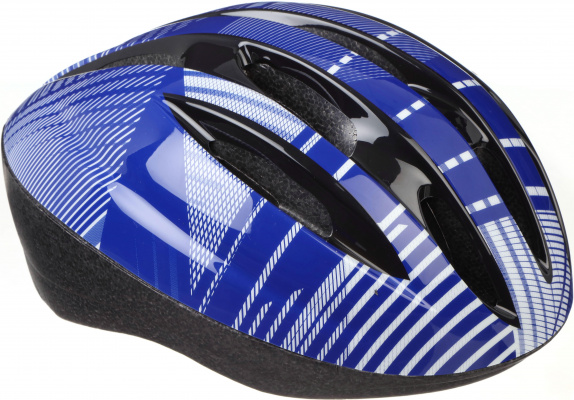
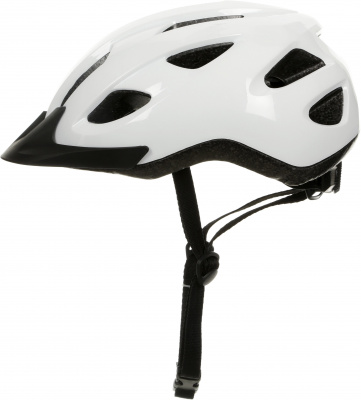
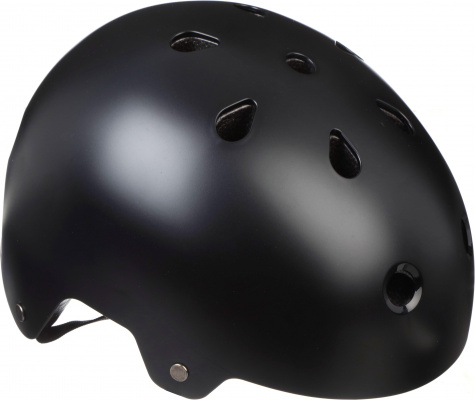
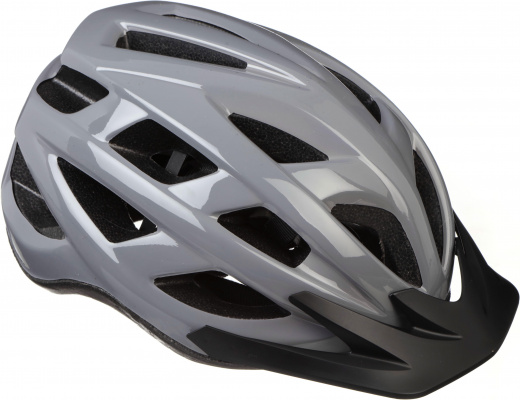
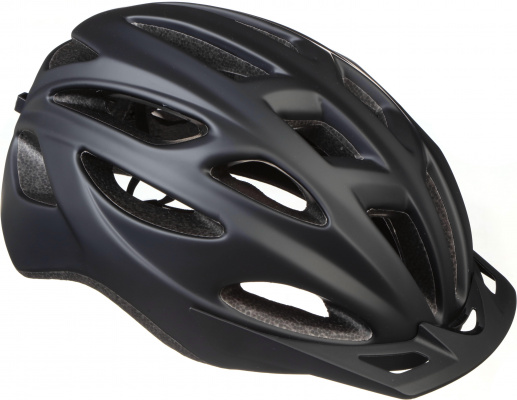
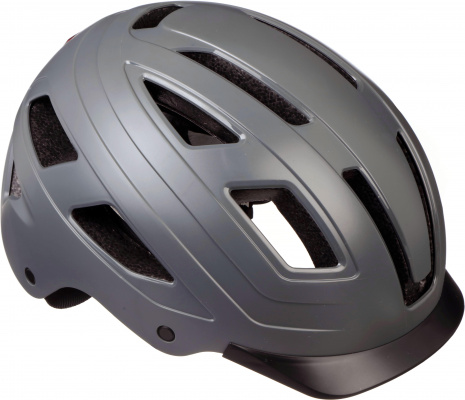
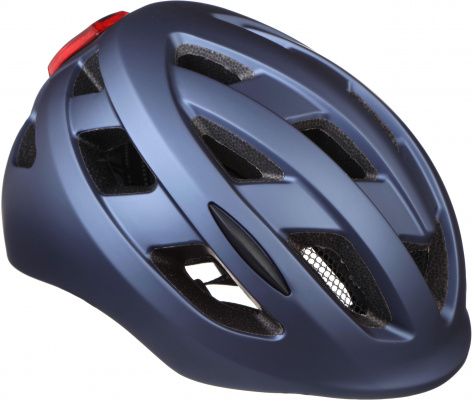
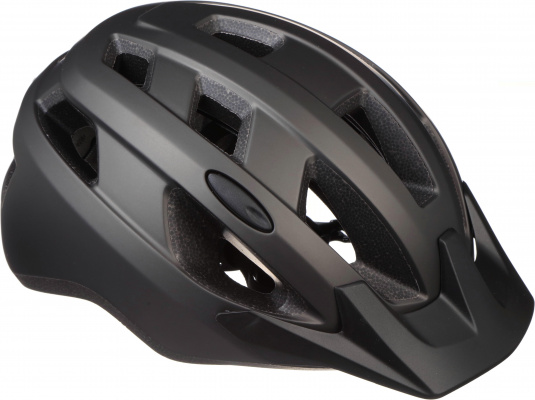
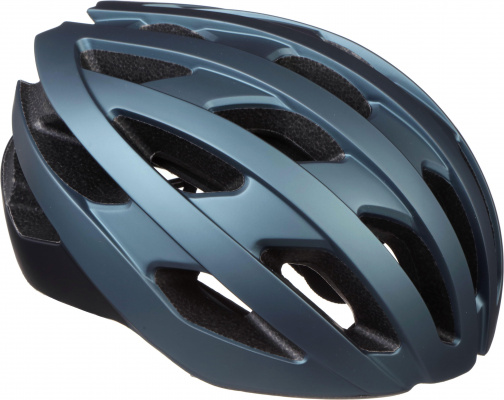
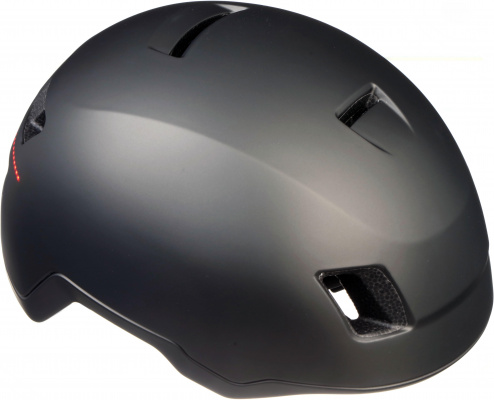
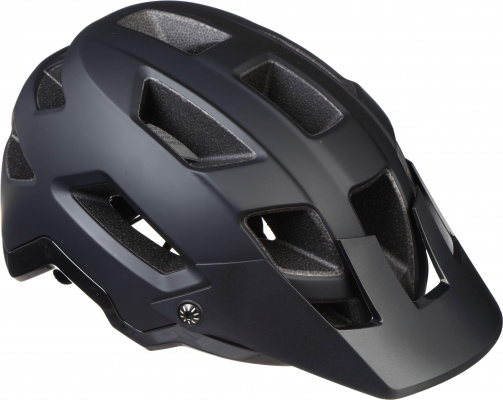
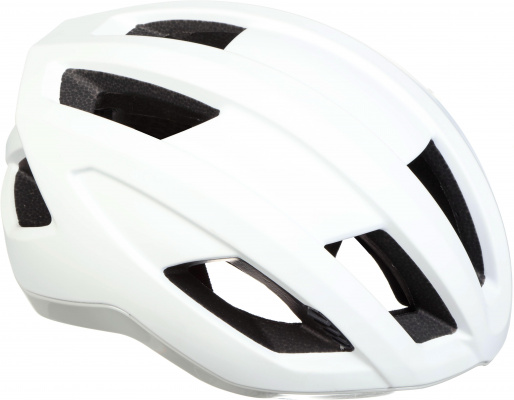
Prices and availability can change quickly. Delivery charges are not always included in listed prices.
Final price, stock status and delivery terms are set by retailer. We may receive a commission on purchases made.
How the Safety Tech Actually Works
The two materials doing the heavy lifting in any Halfords helmet are the EPS foam core and the in-mold polycarbonate shell. EPS - expanded polystyrene - is the same dense, lightweight foam used across the industry precisely because it crushes in a controlled way on impact, converting kinetic energy into deformation rather than letting it travel to your skull. The polycarbonate outer shell distributes that force across a wider area before it ever reaches the foam. Together they're a well-understood, proven system. Not glamorous. Effective.
Where it gets more interesting is MIPS - Multi-directional Impact Protection System. Most crashes don't hit you perfectly straight on; they involve an angled, glancing impact that introduces rotational forces to the brain. MIPS adds a low-friction slip-plane layer inside the helmet that allows roughly 10 - 15mm of independent movement relative to the shell, reducing the rotational load transferred to your head. If you're commuting through city traffic or regularly descending unfamiliar roads, it's a worthwhile upgrade over a standard lid.
On the weather side, the ventilation channels running front-to-back through the EPS core are doing real work on a humid August climb through the South Downs or a muggy towpath commute. The airflow isn't just about comfort - it keeps you cooler and more alert. Integrated peaks and visors, meanwhile, aren't just a mountain bike affectation; on a rainy commute or a grey winter sportive, keeping rain off your eyeline is genuinely useful. Don't underestimate a visor if you ride year-round in the UK.
Fit, Range, and Finding Your Lid
Getting the fit right matters more than most people think - a helmet that shifts around on your head isn't protecting you properly, no matter what the sticker says. The dial retention system on Halfords helmets lets you fine-tune the cradle fit at the back of the head quickly and precisely. It works over a bare head, over a thin beanie on a cold morning, or over a cycling cap on a summer ride - that adjustability is what makes it practical rather than theoretical. Tighten it until the helmet sits level, about two fingers above your eyebrows, and won't rock when you shake your head.
Within the range, there's a clear split between leaner, more aero-focused road lids - fewer vents, smoother profile, lower weight - and the chunkier, higher-coverage commuter helmets with more substantial retention systems and usually a visor. The road-oriented helmets suit riders who want minimal drag on faster rides; the commuter lids prioritise all-day comfort and visibility features. Neither is objectively better. It depends entirely on how you ride.
If you need something beyond standard adult road and commuter coverage, the range branches out. Looking for aggressive off-road protection? Check out our Full Face Helmets. Shopping for the little ones? Head over to our Kids Helmets range. And if you need a replacement pad set or a new retention cradle, Halfords helmet spares are worth a look before you replace the whole lid.
If you're comparing Halfords against the wider market, brands like Giro and Bell occupy a similar accessible-to-mid-range space with their own fit systems and MIPS variants, while Kask sits further up the price ladder with Italian-made construction. Halfords holds its own on value - you're getting certified, functional protection without paying for a brand name on a race podium.
Staying Visible and Keeping Your Helmet in Good Shape
A helmet you can't be seen in is working at half capacity on a dark November commute in Britain. Reflective detailing - strips, logos, or full panels - bounces headlights back to drivers from angles where your bike lights can't reach. High-vis colourways do the same job in daylight rain or low autumn sun. Neither replaces good bike lights, but they add a layer of passive visibility that costs nothing once it's built into the helmet.
Maintenance is straightforward but worth doing properly. The removable internal pads on most Halfords helmets can be unclipped and hand-washed in cool water with mild soap - do this every few weeks if you're commuting daily, otherwise sweat and bacteria build up faster than you'd expect and the pads degrade quicker. Let them air dry fully before refitting. Keep the helmet away from direct radiator heat or a hot car dashboard; sustained heat softens EPS foam and compromises its ability to absorb impact in the way it was designed to. Store it somewhere cool and dry, not rattling around in a pannier bag against a bike lock.
One practical note on replacement: the EN 1078 standard certifies a helmet as new. Once it's taken a significant knock - even a hard drop onto concrete - the EPS foam has done its job and may be internally compromised with no visible sign. Replace it. The same goes for any helmet over five years old; UV exposure and general wear degrade both the shell and the foam even if it's never been crashed.
Halfords Helmets FAQs
How do I know what size bike helmet to buy?
Use a flexible tape measure and wrap it around your head roughly an inch above your eyebrows - that gives you your circumference in centimetres. Match that number to the sizing bracket listed on the product page (for example, 54 - 58cm) and, if you're between sizes, go up and rely on the dial retention system to fine-tune the fit.
How often should you replace a bike helmet?
Replace it immediately after any crash or hard impact, even with no visible damage - the EPS foam absorbs the hit by deforming internally, and you won't be able to see that from the outside. Beyond that, most manufacturers and industry guidance recommend replacing every three to five years, as UV exposure and general wear gradually degrade both the shell and the foam liner.
Are Halfords bike helmets safe?
Yes. Every Halfords helmet sold in the UK is tested to EN 1078, the European safety standard for cycling helmets, which sets minimum requirements for impact absorption and retention system strength. They use EPS foam cores and in-mold construction that match the approach taken across the wider industry at this price point.