
Gusset Saddles
Gusset saddles have been a fixture in the UK dirt jump and freeride scene for good reason - they're built to take punishment that would split a standard saddle in two. Whether you're sending doubles at a pump track or clocking longer miles on an all-mountain rig, your contact points matter more than most riders give them credit for. Get the saddle wrong and everything above it suffers.
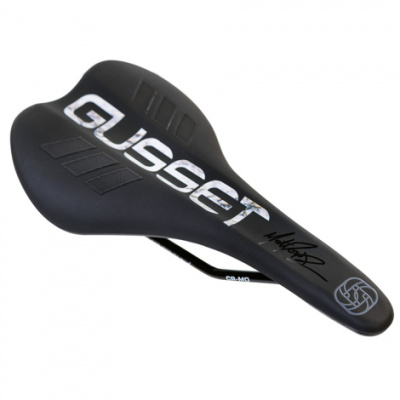
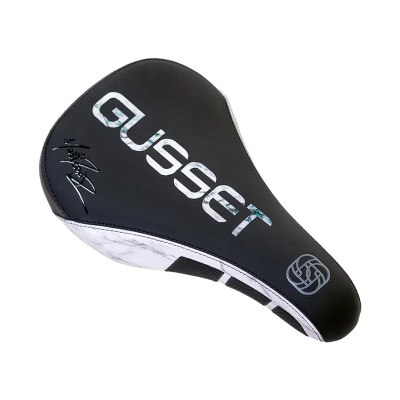
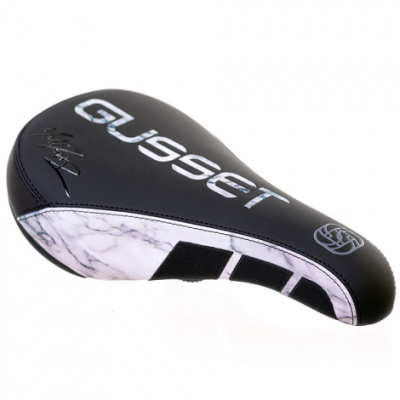
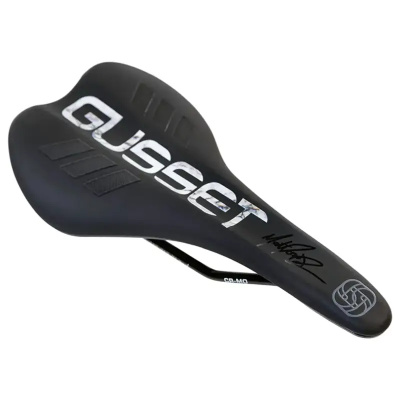
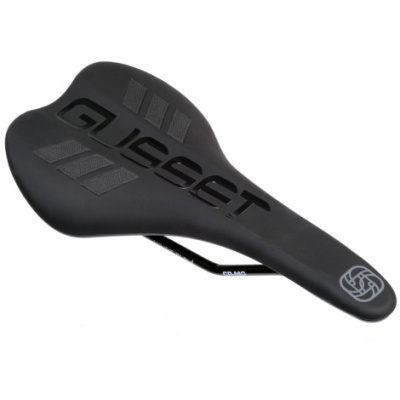
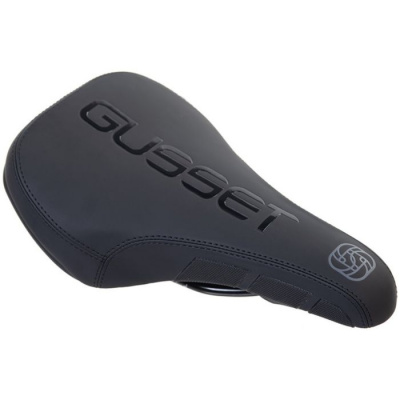
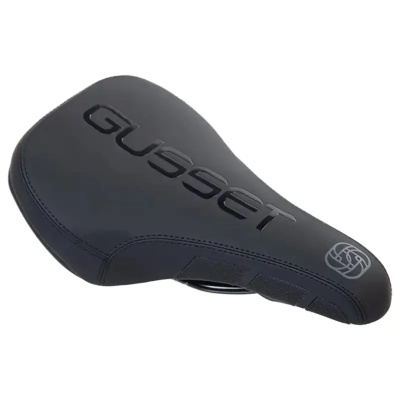
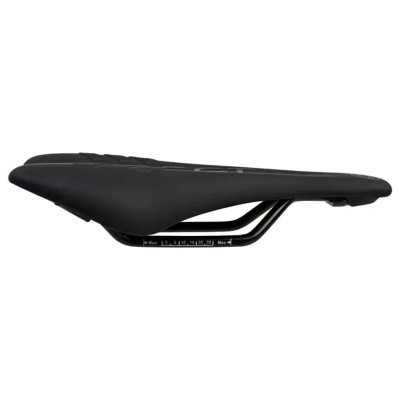
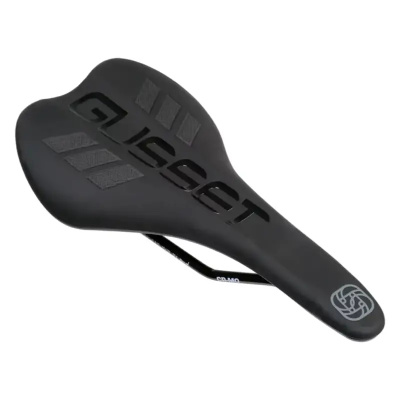
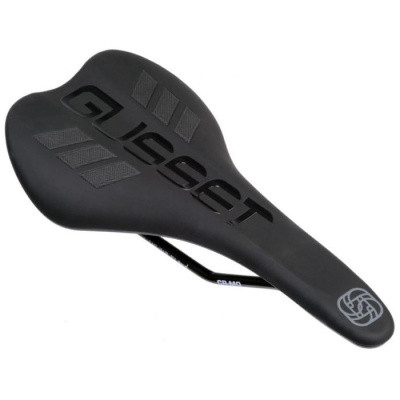
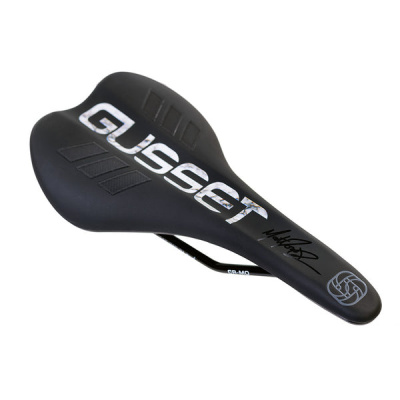
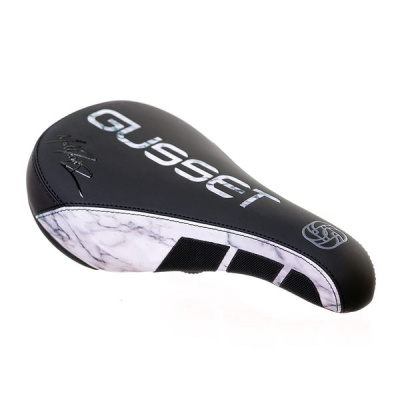
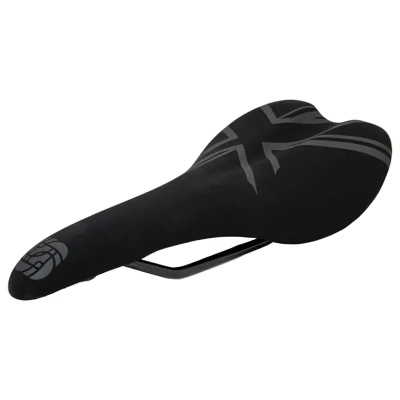
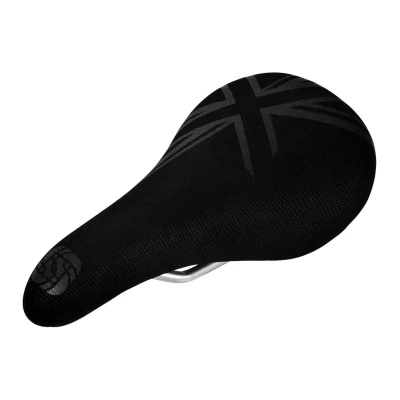
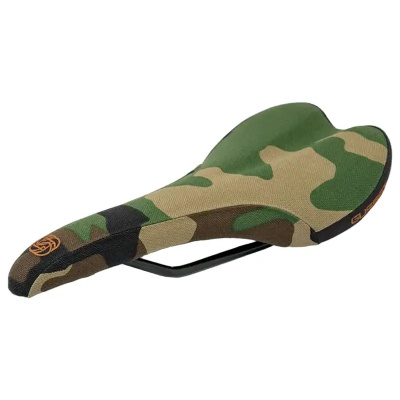
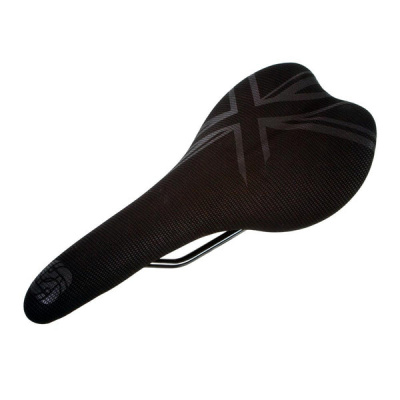
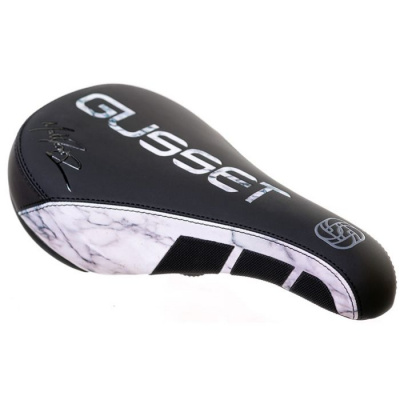
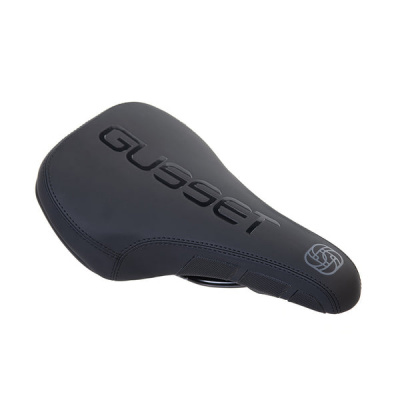
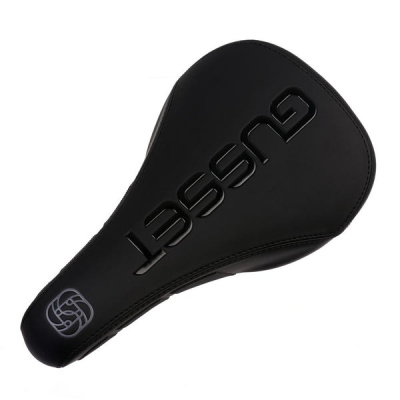
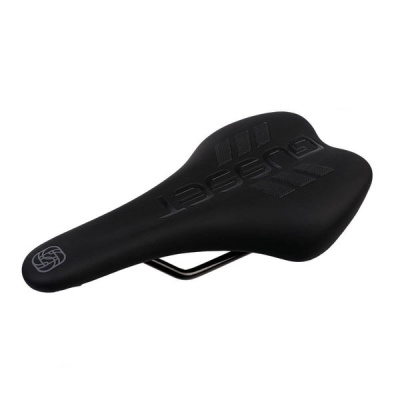
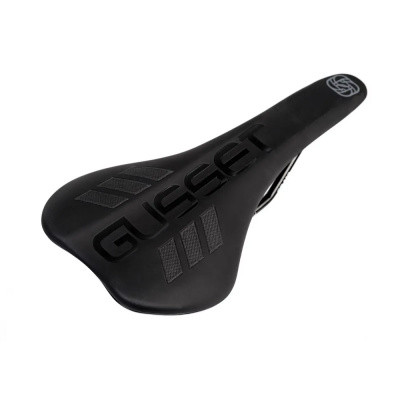
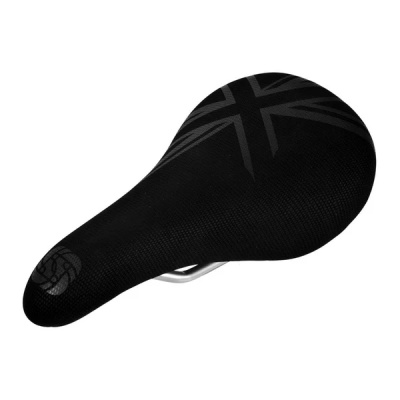
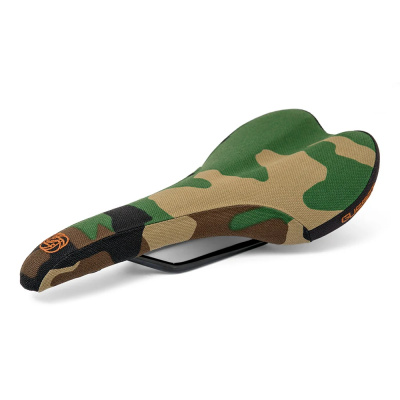
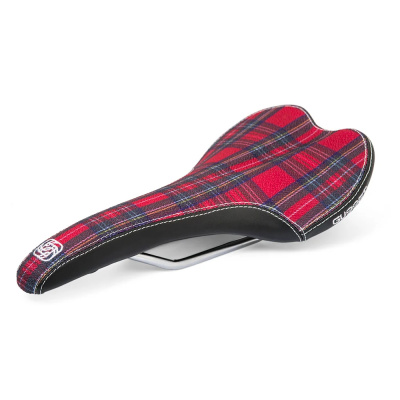
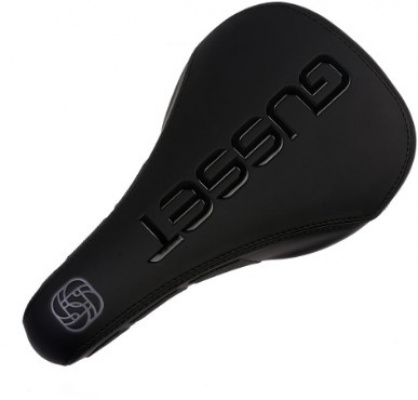
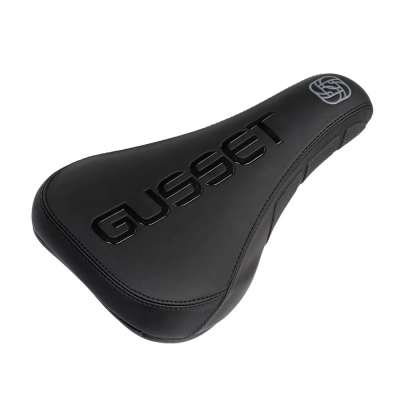
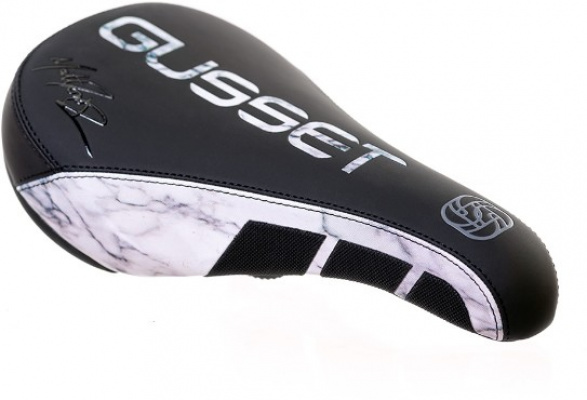
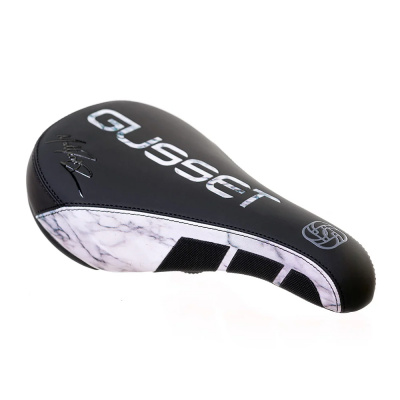
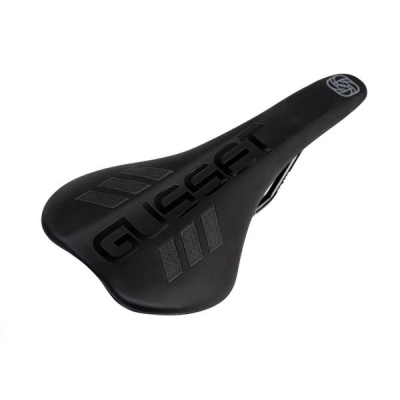
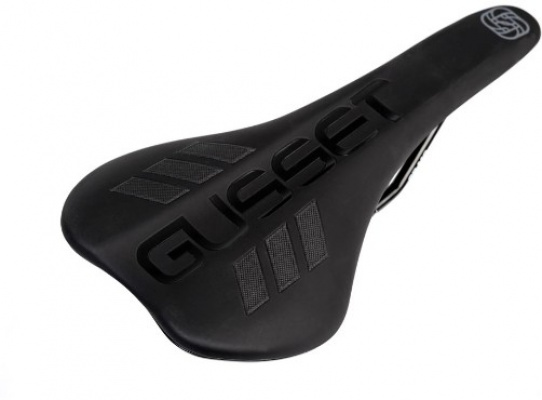
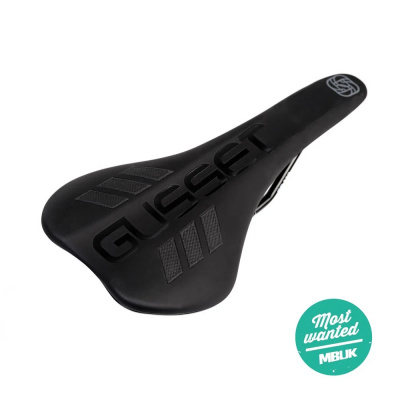
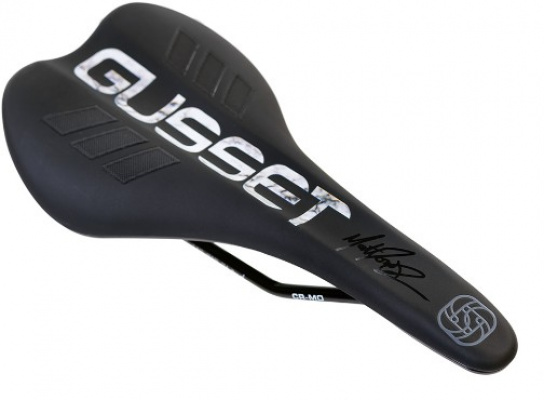
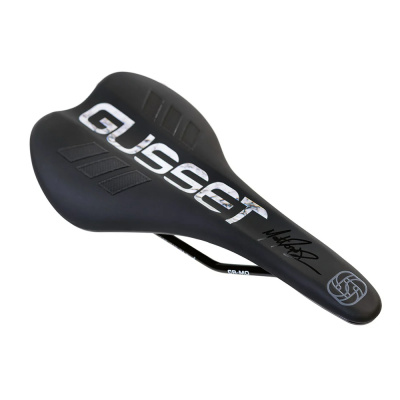
Gusset's range covers the two key bases: the S2 Dirt Jump series for riders who spend more time airborne than seated, and the S2 All Mountain options for those who actually need to pedal. Across both, you'll find Kevlar bumpers and edges that genuinely resist the tearing and scuffing that UK grit and tarmac pump tracks dish out. The anti-slip grip-top covers keep you anchored when it's wet - and in this country, it's usually wet. Chromoly rails on the railed versions handle hard landings without flexing out of shape over time.
Gusset also offers Stealth Pivotal fitment across several models, so there's a version for most setups. Check your seatpost standard before you buy - it's the one thing that catches people out. Browse the full range below.
Prices and availability can change quickly. Delivery charges are not always included in listed prices.
Final price, stock status and delivery terms are set by retailer. We may receive a commission on purchases made.
Pivotal vs. Railed: Getting the Fitment Right First
Before anything else, work out which mount your seatpost uses. It's the kind of thing you only get wrong once. Standard railed saddles use twin chromoly rails - typically 7×7mm - that clamp into a conventional twin-bolt or micro-adjust seatpost head. Most MTB and gravel bikes run this setup, and it gives you fore-aft and tilt adjustment without needing anything special.
Pivotal saddles are a different animal entirely. They use a single central bolt that engages with a toothed, semi-circular interface built into a pivotal seatpost. You cannot mount a pivotal saddle onto a standard railed post - the splined connection simply isn't there. It's a common mistake, so double-check before ordering. Gusset's Stealth Pivotal system tidies things up further by routing bolt access through the underside of the saddle, keeping the top surface clean and snag-free. It's a neat detail that matters when you're pulling the bike around by the nose.
Pivotal is the dominant standard in BMX and dirt jump, where the simplicity and low stack height suit short seatposts and slammed positions. If you're not sure what you're running, pull the saddle off and look - railed posts have two curved clamp arms; pivotal posts have a single toothed cradle. Sorting your Gusset handlebars and contact points together makes sense while you're at it, and it's worth checking your seat clamps are up to scratch for a secure, rattle-free setup too.
S2 DJ vs. S2 AM: Which One Actually Fits Your Riding
The S2 Dirt Jump is the one that put Gusset on the map for DJ riders. It's deliberately compact - a stubby, squared-off profile that gets out of the way when you're pinching the saddle between your knees to control the bike mid-air. That knee-pinching position is a core technique in dirt jumping and street, and Gusset have tuned the foam density specifically for it: firm enough to hold its shape across repeated impacts, with enough give that you're not just gripping a plank. The Kevlar bumpers wrap the nose and tail, which is exactly where saddles get destroyed when a bike goes down on gravel or concrete. Drop your bike at a pump track in Bristol or a trail centre car park and a standard vinyl saddle will be scuffed through within a season. The S2 DJ shrugs that off with far less visible wear.
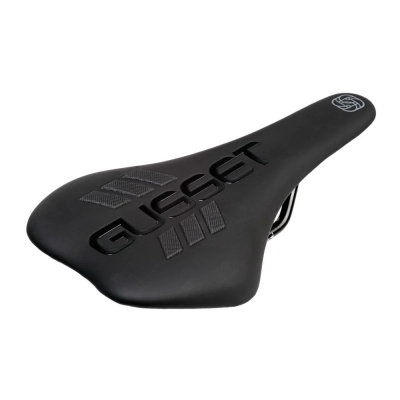
The S2 All Mountain is built around a different set of priorities. It has a longer nose and a slimmer profile, which gives your inner thighs the clearance they need when you're actually pedalling - something the stubby DJ saddle isn't designed for. There's a pressure-relief channel running the length of the shell, which makes a real difference on longer climbs or sustained trail riding. It still carries Gusset's durable construction, but the geometry is optimised for movement rather than static knee contact.
So: short travel, pump tracks, jumps, street - go S2 DJ. Longer rides, mixed trail days, anything where you're spending real time in the saddle - the S2 AM makes more sense. If you're comparing options from other brands, DMR saddles and Burgtec saddles cover similar ground and are worth a look alongside Gusset if you want to compare profiles and weights. For riders coming from a more XC or endurance background, Ergon saddles offer a different approach to support and sit-bone mapping.
Holding Up in UK Conditions: Materials and Maintenance
UK riding isn't kind to saddles. Wet clay from a Welsh hillside, abrasive Peak District grit, the kind of liquid mud that works its way into every seam - standard covers and stitching don't last long under that kind of treatment. Gusset's material choices are clearly made with this in mind.
The anti-slip grip-top covers do two jobs: they keep you from sliding around when your kit is wet (which, again, is most of the time), and the textured surface is more resistant to surface scuffing than smooth vinyl. The Kevlar edges are the detail that really earns its keep - Kevlar is significantly tougher than standard nylon or polyester reinforcement, and it resists the kind of abrasion you get when a bike hits the deck on hard-packed pump track surface or a gravel car park.
For cleaning, use a soft bristle brush with mild soapy water and work gently across the grip-top texture to lift the mud out without forcing it deeper. Avoid jet washing entirely - the pressure drives water into the foam padding and gradually breaks down the adhesive bonding the cover to the shell. Once that starts, the cover lifts at the edges and the stitching fails quickly. A wipe-down after every muddy ride takes thirty seconds and keeps the saddle looking and performing properly for far longer.
Pairing the saddle with quality contact points across the bike makes sense - Gusset grips and Gusset pedals are built to the same durability standard and are worth considering if you're refreshing multiple touch points at once. For riders who want to compare saddle cover durability across brands, Fabric saddles are another option with a strong reputation for longevity in wet conditions.
Gusset Saddles FAQs
Are pivotal saddles compatible with standard seatposts?
No - pivotal saddles need a dedicated pivotal seatpost with a toothed, semi-circular cradle. They won't fit a standard twin-bolt or single-bolt railed post. Check your seatpost interface before ordering, as it's an easy thing to overlook and the two systems aren't interchangeable.
What is the difference between the Gusset S2 DJ and S2 AM saddles?
The S2 DJ has a compact, stubby shape with thick foam density tuned for knee-pinching in dirt jumping, plus heavy Kevlar crash protection. The S2 AM uses a longer nose and slimmer profile for pedalling clearance, with a pressure-relief channel better suited to trail and all-mountain riding where you're spending real time seated.
How do I clean the grip-top material on a Gusset saddle?
Work a soft bristle brush with mild soapy water gently across the textured surface to lift mud without pushing it into the weave. Don't use a jet washer - the pressure forces water into the foam padding and weakens the cover stitching over time. A quick brush-down after muddy rides is all it needs.