
DMR Saddles
DMR Saddles have been part of the UK dirt jump and aggressive trail scene long enough to know exactly what gets destroyed and what doesn't. CroMo rails, synthetic covers that laugh off a Welsh winter, low-profile shapes that stay out of your way when the trail turns steep - that's the consistent thread across the range. Whether you're running a dropper on a Peak District enduro rig or slamming a post for the pump track, there's a DMR saddle spec'd for what you're actually doing.
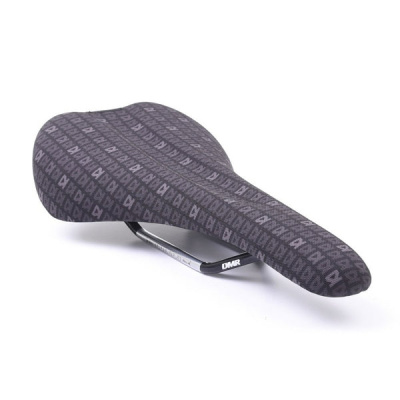
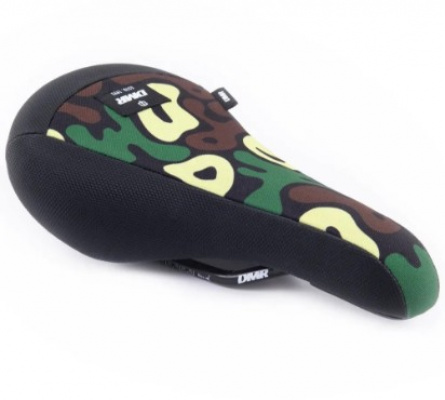
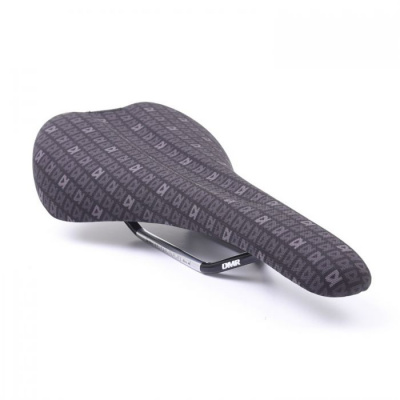
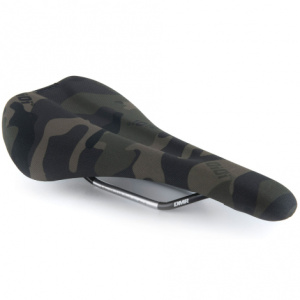
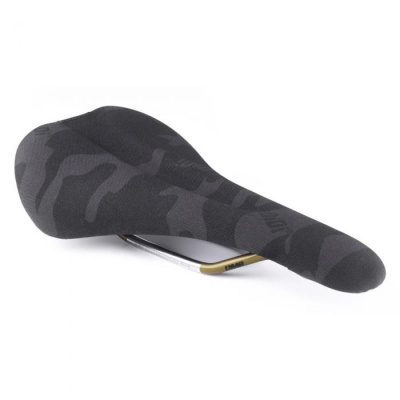
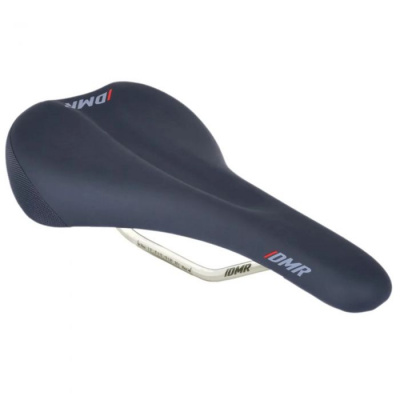
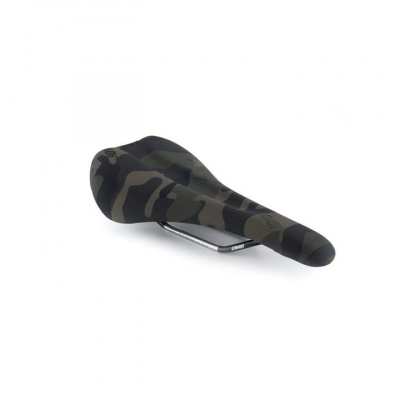
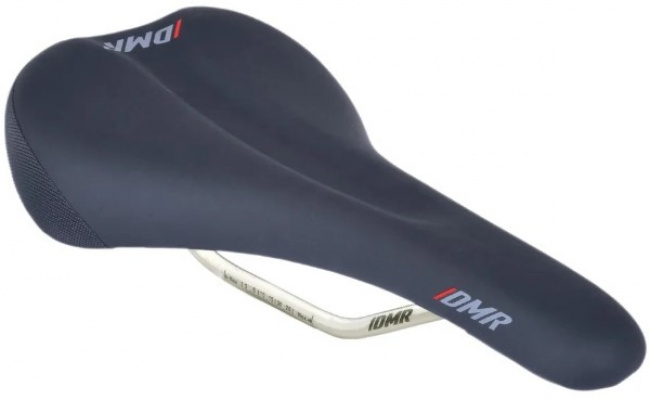
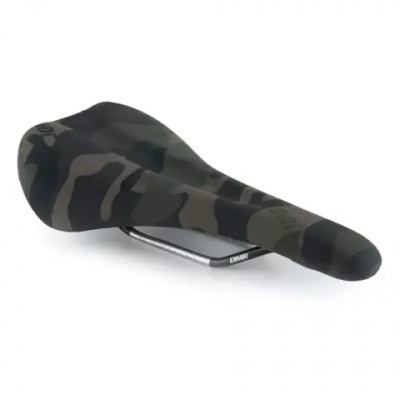
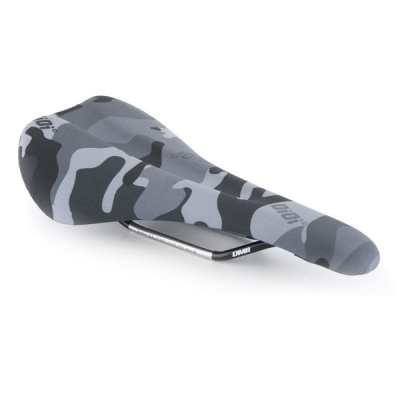
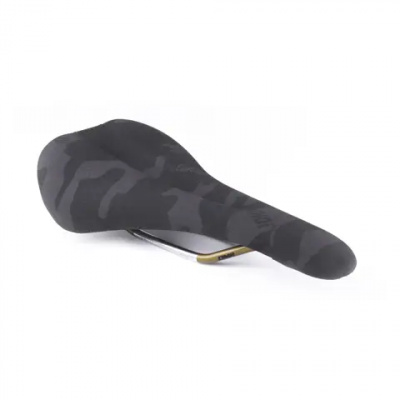
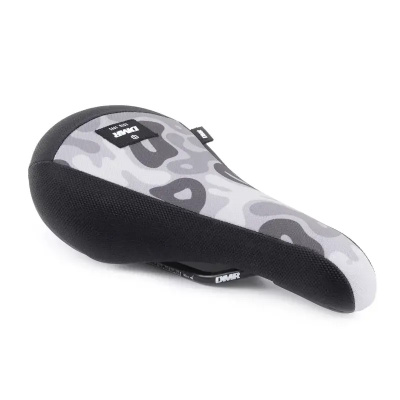
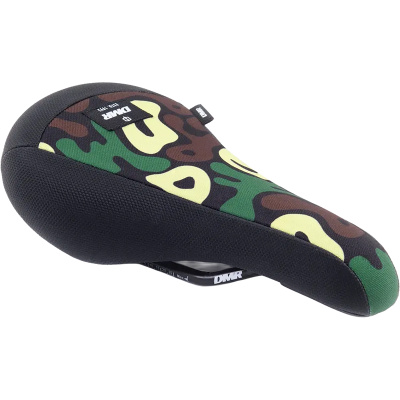
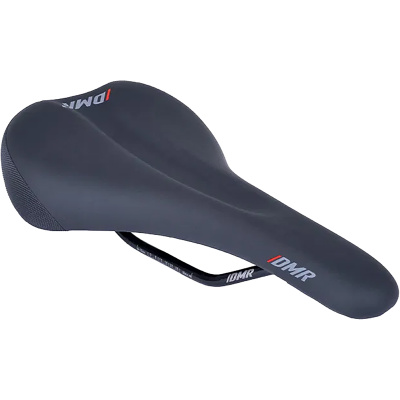
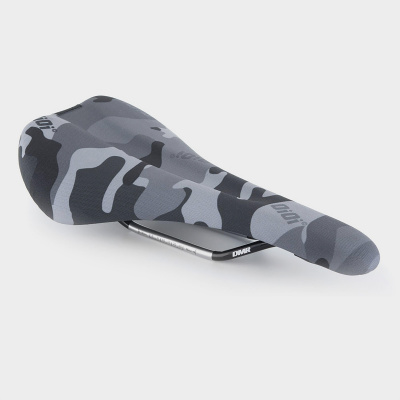
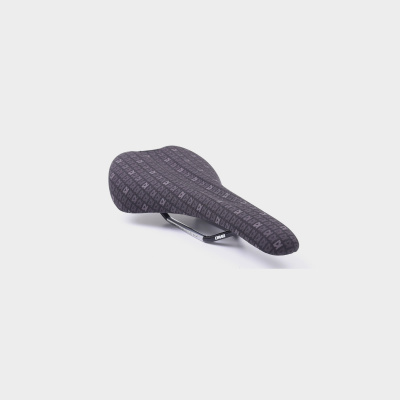
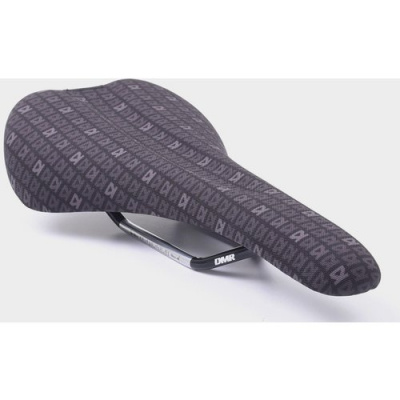
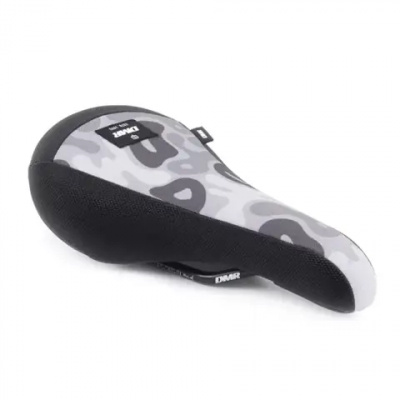
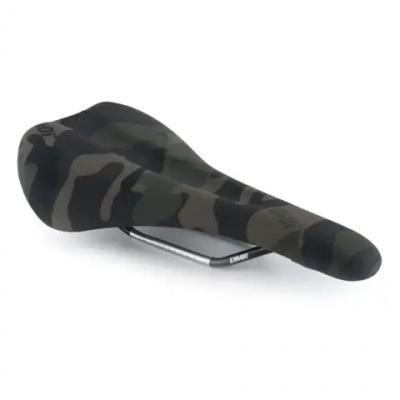
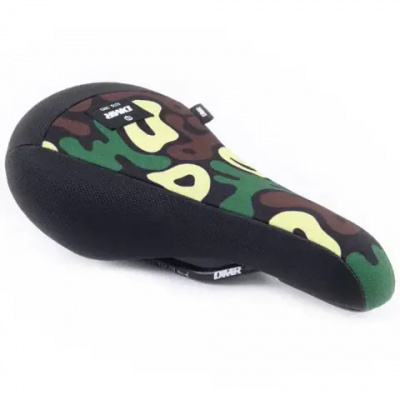
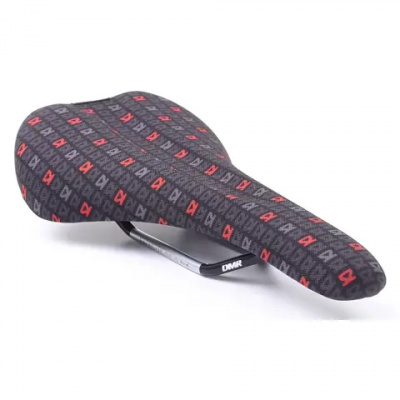
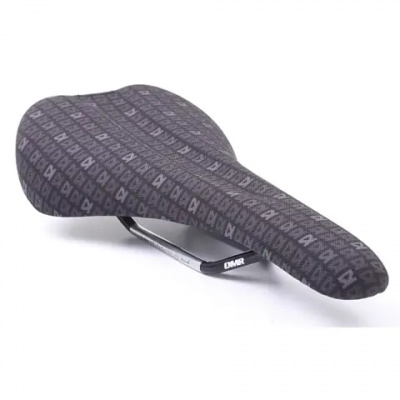
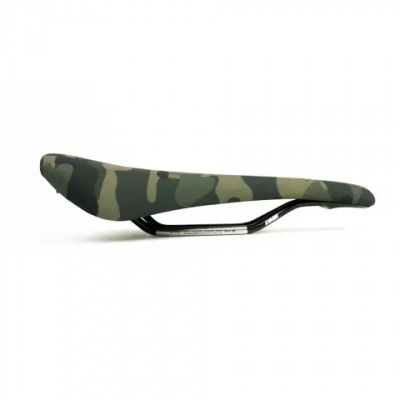
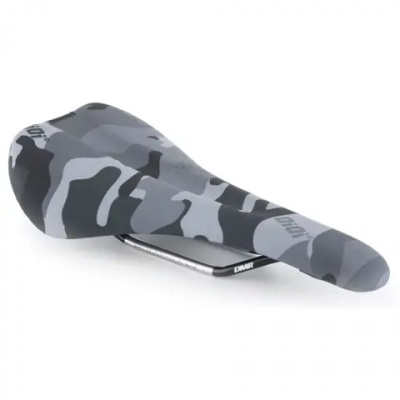
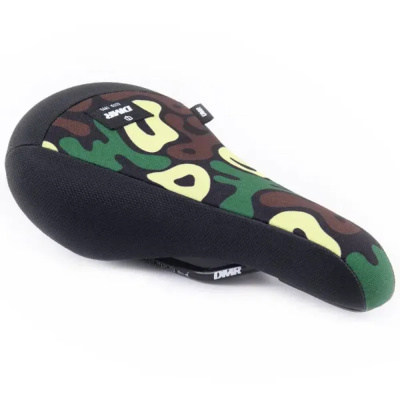
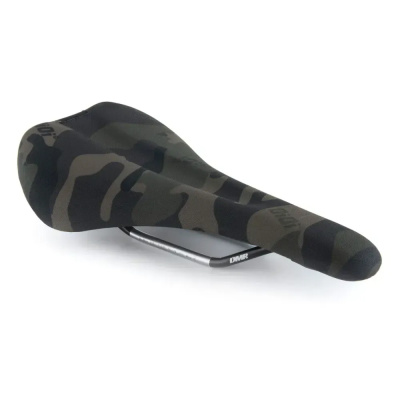
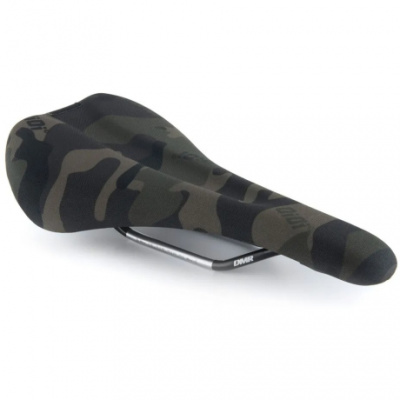
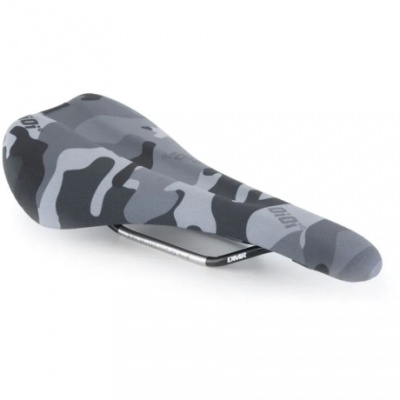
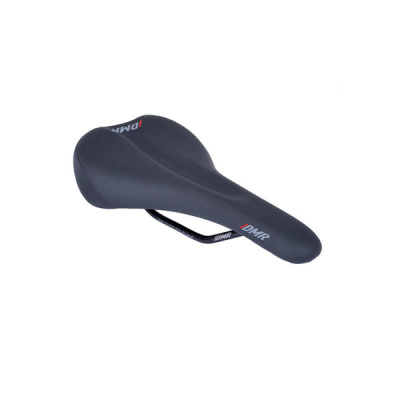
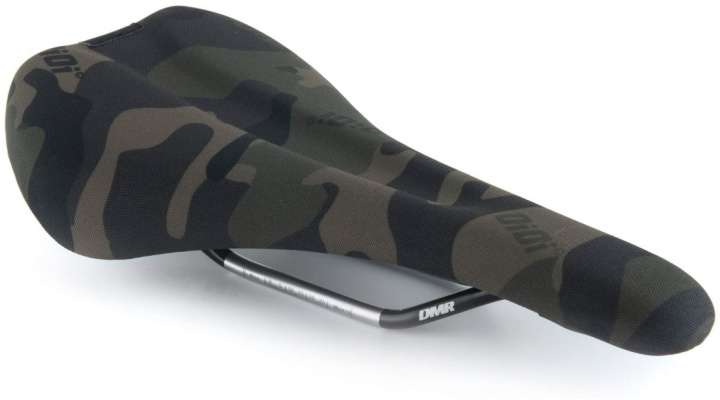
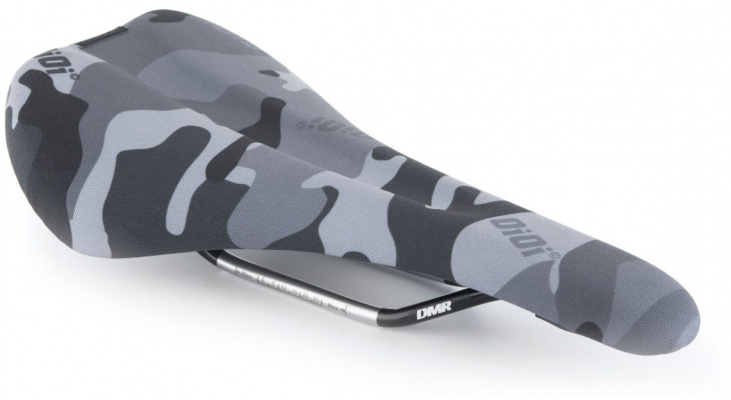
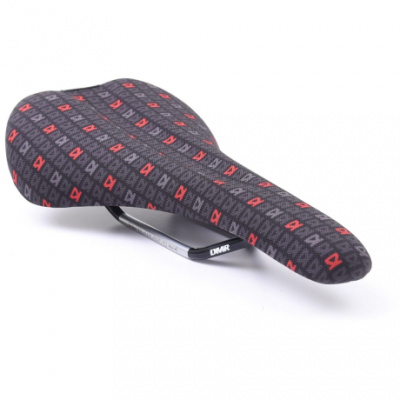
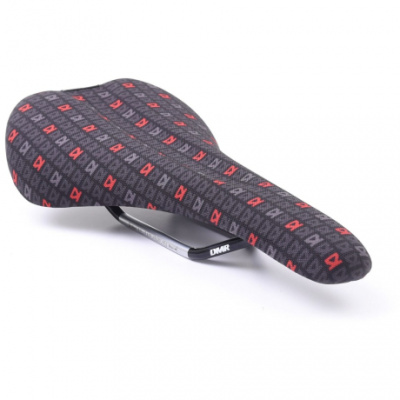
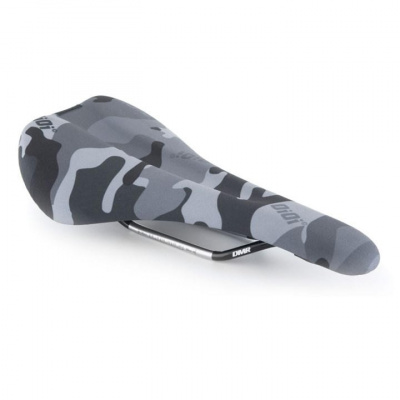
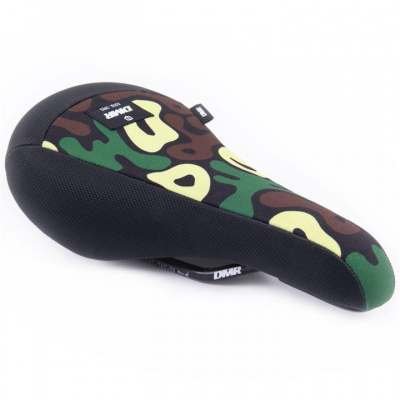
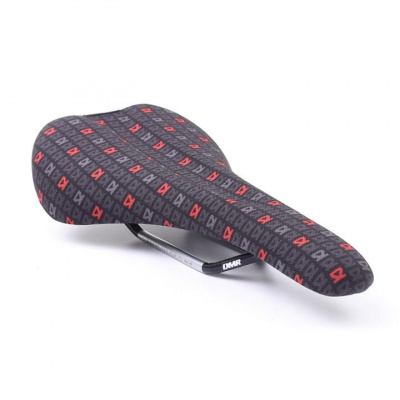
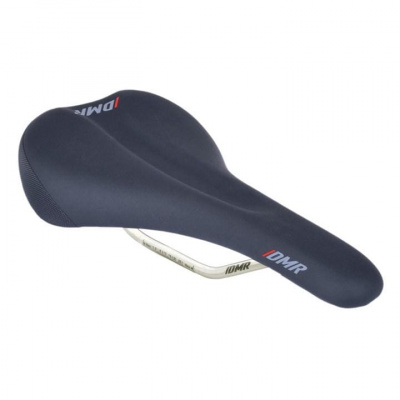
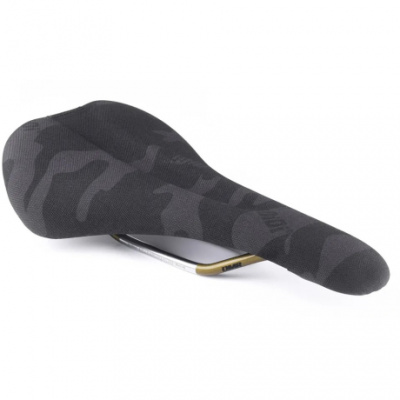
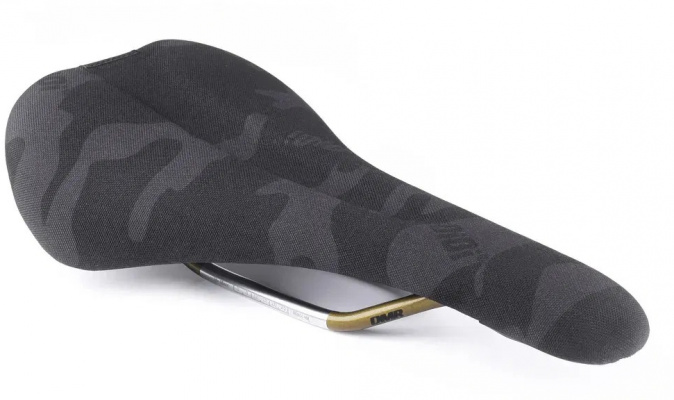
Three models do most of the work. The OiOi is the Ben Deakin signature - wider, tougher, available in those distinctive camo finishes, and at home on everything from all-day trail loops to proper aggressive descents. The Stage 2 trims weight and flattens the profile for riders who spend as much time sliding back off the saddle as they do sitting on it, with a built-in Ride Saver strap mount for carrying a tube. The Sect is the compact dirt jump option, designed around clearance and knee grip rather than seated pedalling comfort. The range is narrow by design. DMR know their rider, and each model reflects that.
Prices and availability can change quickly. Delivery charges are not always included in listed prices.
Final price, stock status and delivery terms are set by retailer. We may receive a commission on purchases made.
Rails vs. Pivotal: Getting the Mount Right
Most DMR saddles - the OiOi and Stage 2 included - run standard 7x7mm CroMo rails, which means they drop straight onto virtually any two-bolt mountain bike seatpost without a second thought. Standard clamp, standard spacing, done. If you're running a dropper post, an inline post on a hardtail, or anything with a conventional clamp head, you're sorted.
The Sect is where it gets more specific. It comes in both a standard railed version and a Pivotal mount version. Pivotal uses a single bolt tightened from the top down into a compatible Pivotal seatpost - common on BMX bikes and DJ-specific builds. It's a simpler, stiffer system with less to work loose under repeated impacts, and the slammed aesthetic suits the riding style. You don't get fore/aft adjustability with Pivotal, so if you're unsure about your saddle position, the railed Sect gives you that flexibility while keeping the same compact shape. Worth pairing either version with a quality DMR clamp to keep the whole setup tight when you're hammering landings.
OiOi, Stage 2 and Sect: Which One's Actually for You
The OiOi is the most versatile saddle in the range. It's a touch wider than the others, which gives your sit bones enough support to get through a long climb without everything going numb - useful when you're grinding up to the top of a gritty moorland loop before the fun starts. The superlight foam keeps weight down without bottoming out on the sort of hard landings you get when a trail catches you off-guard. Ben Deakin's name is on it for a reason; it's been shaped around aggressive all-mountain riding rather than XC efficiency or pure comfort. The camo cover options are a genuine talking point, and the tough synthetic material is there for durability, not just looks.
The Stage 2 is aimed at riders who prioritise movement. It's lighter and has a flatter profile from nose to tail, which makes it easier to unweight quickly and shift position mid-descent. The integrated Ride Saver strap mount is a small but practical detail - you can strap a tube or a tool roll directly to the saddle rails without needing a bag, which keeps your setup clean for trail centre laps or winter enduro rounds. If you're the kind of rider who rarely sits for more than a few seconds at a time on technical ground, the Stage 2 makes more sense than the OiOi.
The Sect is a different animal entirely. It's not designed for seated pedalling comfort - it's designed to be out of the way. On a DJ bike or pump track rig, you're gripping the saddle with your knees during tricks and manuals, and the Sect's compact profile makes that natural rather than awkward. Comparing it to something like a Deity saddle in the same category, the Sect holds its own on durability and spec, though Burgtec and Gusset offer alternatives if you want to shop around on fit or mount type. The Sect's real strength is how purpose-built it feels - nothing borrowed from the trail category, nothing unnecessary.
Keeping DMR Saddles Going Through a UK Winter
UK riding puts gear through it in ways that a dry-climate test programme won't flag. Grit from forest doubletrack works into saddle edges. Mud dries, cracks synthetic covers, and eventually pulls at stitching. DMR's choice of tough synthetic covers - rather than natural leather or cheap nylon - is a direct response to this. Synthetic doesn't absorb water, so a soaked Surrey Hills descent doesn't leave you sitting on a cold sponge on the way home. The reinforced side panels on OiOi and Stage 2 models resist abrasion when the bike goes down on a rough surface, which happens to everyone at some point.
Maintenance is straightforward but worth doing properly. Clean the CroMo rails regularly - dried mud trapped between the rail and the clamp is a common source of creaking, and it's an easy fix with a rag and some light grease on the rail contact points. When you're reinstalling or adjusting, torque your seatpost clamp bolts to spec - typically 5 - 7Nm for most two-bolt heads. Under-torquing lets the saddle rotate under impact; over-torquing deforms the rails over time, especially on heavier landings. A torque wrench costs less than a new saddle. Get one.
For a fully sorted build, DMR grips and DMR pedals round out the contact points consistently across the range - worth considering if you're speccing a DJ or trail bike from scratch rather than mixing brands across the cockpit and drivetrain. The stealth routing compatibility on dropper-ready frames also means the Stage 2 integrates cleanly on modern trail bikes without cable guides getting in the way of saddle positioning.
DMR Saddles FAQs
Are DMR saddles compatible with standard seatposts?
Most are, yes. The OiOi and Stage 2 both use standard 7x7mm CroMo rails, so they fit any conventional two-bolt seatpost - including dropper posts. The exception is the Sect, which comes in both standard railed and Pivotal versions. Double-check which spec you're ordering if your post uses a Pivotal clamp head.
What is the difference between the DMR OiOi and Stage 2 saddle?
The OiOi is slightly wider and built around durability and all-day comfort on aggressive trail rides - Ben Deakin's signature model. The Stage 2 is lighter with a flatter profile, better suited to riders who move around a lot and want easier weight shifts. It also has a built-in Ride Saver strap mount for carrying tubes or tools.
How do I choose the right saddle for dirt jumping?
Go compact. The DMR Sect is the right call - it's shaped to stay clear when you're in the air and grippy enough between the knees for tricks and manuals. If you want a bombproof, slammed setup and your post supports it, the Pivotal version is the cleaner choice. Go standard rails if fore/aft adjustment matters to you.