
Gonso Overshoes
Cold, wet feet can end a ride faster than any headwind, and Gonso overshoes are built specifically to stop that happening. Gonso is a German brand with a long-standing focus on practical, weather-ready cycling kit - and that no-nonsense approach shows clearly in their shoe cover range. We're talking thermal neoprene insulation, PU waterproof coatings, and taped seams that work together to keep road spray and wind chill firmly on the outside of your shoes where they belong.
For UK riders grinding through a wet January commute or logging base miles on rain-soaked country lanes, these covers address the conditions honestly. Reinforced toe and heel zones resist the abrasion of putting a foot down at traffic lights or walking across a cafe car park. Reflective detailing adds low-light visibility on dark winter mornings and evenings when drivers aren't always looking. The rear zip closure keeps things streamlined and practical. Whether you're a road rider after a trim, aerodynamic fit or a commuter needing something robust enough to handle daily use, Gonso cycling overshoes cover a sensible spread of needs at different protection levels.
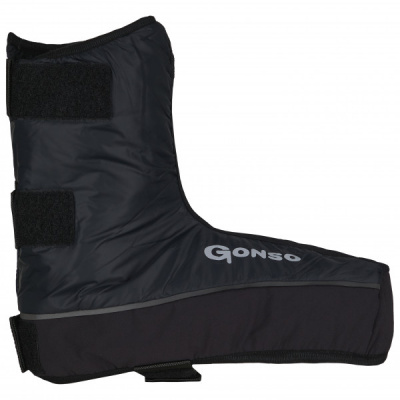
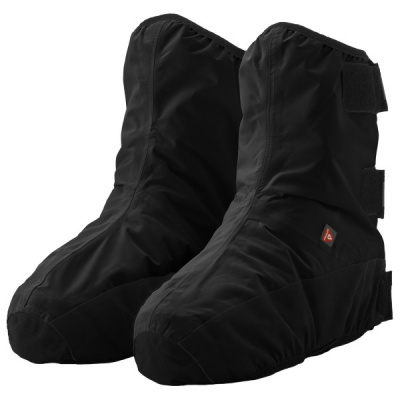
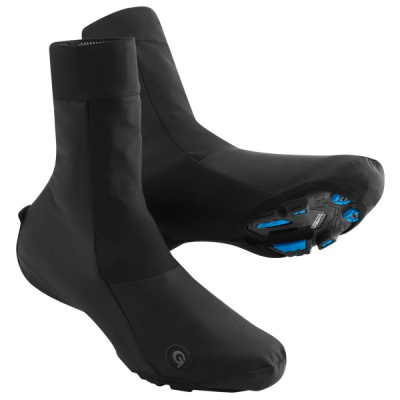
Prices and availability can change quickly. Delivery charges are not always included in listed prices.
Final price, stock status and delivery terms are set by retailer. We may receive a commission on purchases made.
Fabric Tech & Weather Performance: Defeating Road Spray
The core of any decent overshoe is what it's made from, and Gonso waterproof cycling shoe covers use a layered approach rather than relying on a single material to do everything. The outer face typically carries a PU coating - polyurethane, if you want the full name - which gives you immediate wind resistance and blocks light to moderate rain from soaking in on contact. It's not magic; it's a physical barrier that works consistently rather than relying on a DWR finish that fades after a dozen rides.
Where conditions get serious - think late-November Peak District roads with standing water and spray from every lorry that passes - the deeper thermal models bring neoprene insulation into play. Neoprene works differently from a simple fleece or foam layer. It traps a thin film of warmth even when damp, so your feet stay functional even if some moisture eventually finds a way in through the cleat cut-outs. That's a meaningful difference on a long winter ride. Taped internal seams reinforce this by sealing the stitching lines that would otherwise act as wicking channels, drawing water straight through to your socks.
The reinforced toe and heel sections are worth a mention too. Abrasion-resistant materials - Kevlar in some models - protect the zones that take the most punishment during real-world use. Clipping in, unclipping, walking on tarmac: all of it wears through softer materials quickly. Gonso builds those areas to last, which matters if you want these covers to see out more than one winter season. Reflective detailing is placed to catch headlights from multiple angles, not just a single strip across the back.
Understanding the Gonso Fit and Range
Fit is where overshoes either work or frustrate you. Too loose and they flap, pool water, and add drag. Too tight and you can't get them over your shoe at all, or the rear zip pulls under stress. Gonso winter overshoes are sized to match standard cycling shoe sizing, so the starting point is your normal shoe size - but there are a couple of variables worth thinking through before you order.
If you ride in sleek road shoes with a narrow profile, your standard size should give you that close, water-tight wrap that keeps things aerodynamic and stops water pooling around the ankle cuff. If you're on wider MTB shoes or bulkier commuter footwear, going up one size makes the whole process of pulling them on and getting the rear zip done up significantly less of a battle. It's a simple call once you know which category your shoes fall into.
The closure systems across the range are practical rather than elaborate. A robust rear zip closure is the main fastener on most models, running from the heel upward to allow the overshoe to open wide enough to get on easily, then seal firmly once closed. Some models add an under-sole strap or Velcro wrap to lock the fit around the cleat area. The cleat cut-outs are sized to work with common road and SPD cleat standards without needing modification - important if you're switching between bikes. If you want to compare the fit approach with other brands, Endura overshoes and GripGrab overshoes take slightly different approaches to sizing and closure, so they're worth cross-referencing if you're between sizes or have particularly wide feet.
The range itself covers a spread of protection levels. Lighter models with windproof, water-resistant shells suit autumn rides and milder wet days. The heavier neoprene thermal overshoes are built for the coldest, wettest months. Picking between them is a question of your typical ride temperature rather than just the rain - neoprene adds warmth but also bulk, so if your winters rarely drop below five degrees, a lighter shell cover may be the more versatile choice. Gore Bike Wear overshoes occupy a similar spread if you want a direct comparison at the higher end of weather protection.
Layering and Care for UK Riding
Getting the layering right makes a bigger difference than most riders expect. Always pull your Gonso bib tights or Gonso overtrousers over the top of the overshoe collar - not tucked inside it. If the tight sits inside the cuff, rain runs straight down your leg and channels directly into your shoe. It sounds obvious, but it's the single most common mistake that turns a manageable wet ride into a miserable one. The overshoe collar needs to be the outermost layer at the ankle.
For care, neoprene and PU coatings need a bit of respect if you want them to last. Skip the washing machine. The agitation and heat stress the PU coating and can cause it to crack or delaminate, reducing water repellency significantly after just a few washes. Instead, hose them down after a muddy or salty ride to shift road grit, then hand wash in cold or lukewarm water with a mild cloth or sponge if needed. Air dry at room temperature - keep them away from radiators and direct heat sources, which harden and crack both the neoprene and the PU outer. A Gonso jacket gets the same treatment, broadly speaking: gentle care extends the waterproof performance season after season. Store them flat or loosely rolled, not compressed, to prevent crease damage to the coatings. Do that and a good pair of Gonso cycling overshoes will comfortably last several winters rather than degrading after one.
If you're after alternatives at the more technical end of the market, Castelli overshoes and Spatzwear overshoes both bring their own approaches to seam sealing and thermal layering and are worth comparing depending on your priority - weight versus warmth versus outright weather resistance.
Gonso Overshoes FAQs
Should I size up for cycling overshoes?
With sleek road cycling shoes, stick to your normal shoe size for a snug, water-tight fit. If you're running bulkier MTB or commuter shoes, go up one size - it makes pulling them on and closing the rear zip considerably easier without compromising the fit once they're on.
Are Gonso overshoes fully waterproof?
Gonso overshoes use PU waterproof coatings and taped seams to block rain and road spray effectively in most UK conditions. In heavy, sustained downpours, some moisture can eventually enter through the cleat cut-outs or track down from your legs - which is exactly why pulling your tights over the cuff matters.
How do you wash neoprene cycling overshoes?
Hand wash in cold or lukewarm water using a soft cloth or sponge to remove road grit and salt. Avoid washing machines and keep them away from radiators and direct heat - high temperatures crack the PU coating and degrade the neoprene, shortening the lifespan of the waterproofing noticeably.