
Giant Suspension Forks
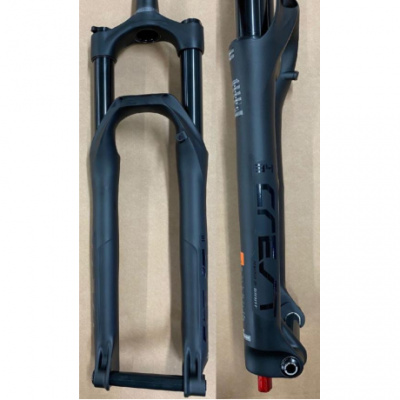
Giant suspension forks don't get the column inches that the big independent brands attract, but that's changing fast. The Crest 34 line is Giant's push into fully in-house suspension, and it's a serious one - a stiff 34mm chassis, a genuinely tuneable air spring, and adjustable damping, all developed alongside the framesets they're specced on. That close integration matters more than it sounds.
The range targets cross-country and light trail riders who want performance without paying top-shelf money. Whether you're replacing a tired fork on a hardtail or comparing options before a build, the Crest 34 sits in direct competition with mid-tier forks from RockShox and Fox - and it doesn't back down quietly. Travel options span 100mm for pure XC efficiency up to 130mm for riders who want a bit more cushion on rougher days. Wheel size compatibility covers both 27.5 and 29-inch setups, so there's a Crest 34 configuration for most modern hardtail builds. For UK riders grinding through winter grit or chasing singletrack in the Welsh hills, the build quality of the lowers and seal design are worth understanding before you buy.
Prices and availability can change quickly. Delivery charges are not always included in listed prices.
Final price, stock status and delivery terms are set by retailer. We may receive a commission on purchases made.
Decoding the Giant Crest 34 Lineup
The Giant Crest 34 is the anchor of Giant's MTB fork range, and the model designation tells you most of what you need to know straight away - 34mm stanchion diameter, air sprung, and available in travel increments that reflect how the fork will actually be used. The 100mm version is the XC pick: light, efficient, and happiest on hardpack or smoother trail surfaces where you want the fork working with your pedalling rather than against it. Step up to 120mm or 130mm of travel and you're into proper trail territory, where the fork can manage roots, rocks, and the kind of chop that UK trail centres dish out without blinking.
Wheel size compatibility runs across 27.5 and 29-inch formats, with the 29er configuration dominating newer builds given the geometry advantages on long, open trails. There are also e-MTB optimised variants in the Crest family - reinforced to handle the additional load and torque demands of motor-assisted riding, which matters when you're pushing a heavier bike down a Pennine descent at pace. If you're comparing the Giant Crest 34 against RockShox Judy or Fox Rhythm at similar price points, the Crest holds its own on chassis stiffness and tunability - and the integration advantage with Giant's own frames is a genuine consideration if you're building around one of their hardtails.
The thru-axle standard across the range keeps things rigid through corners and braking, and the steerer tube dimensions follow current convention, so compatibility with modern stems and headsets isn't a concern.
How Giant Builds These Forks
The most technically interesting part of the Crest 34 story is what Giant does with the lowers. Rather than standard die-cast aluminium, they use a process called Thixomolding - a temperature-controlled magnesium casting method that produces tighter tolerances and a stronger, lighter result than conventional casting. The practical upshot is lowers that flex less and machine more accurately, which means the bushings fit better and the fork tracks straighter under load. It's the kind of manufacturing detail that doesn't show up in a spec sheet but you'd notice over a season of riding.
The air spring is Giant's own design, tuned specifically for the Crest's travel range and intended rider weights. It's not a generic unit lifted from a supplier catalogue. Sag setup is straightforward - aim for 15 - 20% of total travel with your riding weight on the bike - and the spring curve is designed to ramp progressively through the stroke, giving you a supple initial feel without bottoming out harshly. The damper offers low-speed compression and rebound adjustment, which is the practical minimum you want for dialling the fork to your riding. Rebound in particular makes a noticeable difference on technical singletrack, controlling how quickly the wheel returns after a hit. Don't leave it at the default and assume it's right for you - spend ten minutes on a quiet trail adjusting rebound clicks until the front wheel feels like it's tracking rather than bouncing.
The 34mm stanchion diameter is the right call for this category. It's stiff enough for aggressive trail use without the weight penalty of a 36mm unit, and the offset options keep the geometry working correctly across different frame designs. Worth checking your frame's recommended offset before ordering - it's a small detail that affects how the bike steers considerably.
Keeping a Giant Fork Running in UK Conditions
British riding is genuinely hard on suspension. Wet winters, gritty climbs, and clay-heavy soils mean your fork's wiper seals are working overtime from October through to April - and often beyond. The Crest 34's seals are robust, but no fork is maintenance-free in these conditions. A sensible service interval for UK riders is around 50 hours of riding, dropping to 30 - 40 hours if you're regularly out on wet singletrack or doing winter laps at somewhere like Cannock Chase or Afan. Lower leg services aren't complicated - drain the old oil, clean the internals, refill with the correct viscosity - and doing them regularly keeps the bushings happy and the stanchions scratch-free.
Speaking of stanchions: keep them clean. Grit sitting on the lower legs will get dragged across the stanchions every time the fork compresses, scoring the surface and wrecking the wipers faster than anything else. A quick wipe-down after every muddy ride costs you two minutes. Skipping it costs you a service. Fitting a Giant mudguard to the fork crown is one of the most practical things you can do to reduce how much debris reaches the seals in the first place - it's not glamorous, but it works.
Tyre choice plays into how the fork feels too. A heavy, aggressive tyre on a 100mm XC fork changes the handling character noticeably - worth considering if you're running Giant MTB tyres or planning a swap. And while you're refreshing the setup, Giant grips paired to a well-dialled fork make a bigger difference to trail feedback than most riders expect. If you're comparing budget options at a similar level, SR Suntour forks are worth a look - though the Crest's Thixomolded lowers and in-house air spring put it a step ahead on refinement.
Giant Suspension Forks FAQs
Are Giant Crest suspension forks any good?
The Giant Crest 34 is a genuinely capable fork for XC and light trail use. The 34mm stanchions give you solid steering stiffness, and the in-house air spring is properly tuneable rather than a basic lockout unit. It competes well against RockShox Judy and Fox Rhythm at comparable price points - no apologies needed.
Who makes Giant suspension forks?
Giant manufactures the Crest forks entirely in-house, using their own engineering and production processes. That includes the Thixomolding technique for the magnesium lowers - a temperature-controlled casting method that produces tighter tolerances than standard die-casting, resulting in a stiffer, lighter lower leg assembly.
How much air pressure should I put in my Giant Crest fork?
A practical starting point is roughly 1 PSI per kilogram of body weight, but use that only as a baseline. Check the setup decal on the fork leg for the manufacturer's recommended range, then set sag to around 15 - 20% of total travel while sitting on the bike in your riding position. Adjust from there based on how the fork feels on your local trails.