
Giant MTB Tyres
Giant MTB tyres cover a wider spread of riding styles than most people give them credit for - from rapid-rolling XC casings to burly enduro rubber with the sidewall reinforcement to handle sharp slate and wet rock. The range is built around Giant's Tubeless System, which means the bead is factory-optimised for a secure, airtight fit rather than the wrestling match you sometimes get with aftermarket conversions. That matters on a cold morning at the trail head when you just want the tyre seated and the ride started.
Tread compounds are developed per discipline rather than stretched across the whole catalogue. The result is that a tyre designed for aggressive descending actually behaves like one, rather than being a compromise dressed up in marketing copy. You get genuine grip variation between fast-rolling XC options and the stickier, more open-blocked patterns suited to the thick mud and wet roots that define riding in the UK through most of the year.
Casing choice runs from durable wire bead options for riders who want something tough and budget-conscious, through to supple 120 TPI folding bead constructions for those chasing lower rolling resistance and better feedback from the trail. Whether you're running 27.5 or 29er wheels, there's enough in the range to build a genuinely dialled setup without defaulting to other brands.
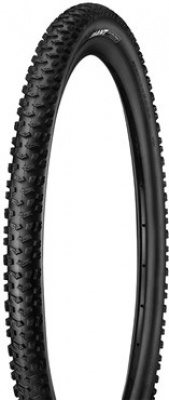
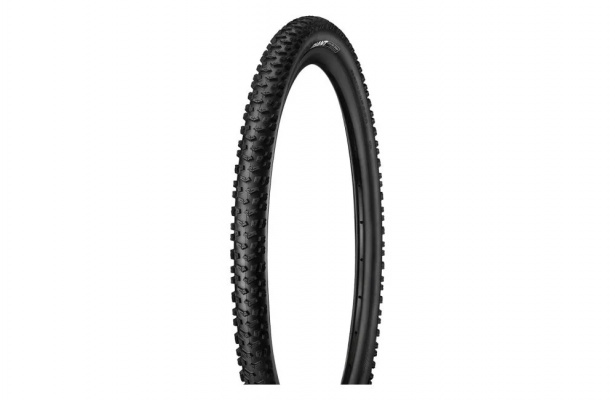
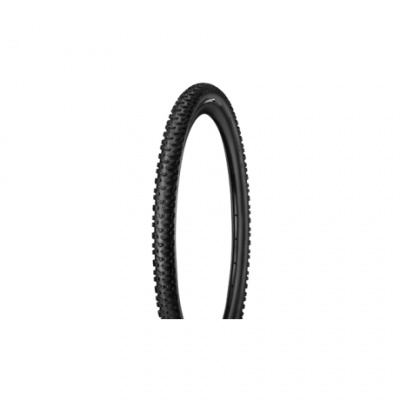
Prices and availability can change quickly. Delivery charges are not always included in listed prices.
Final price, stock status and delivery terms are set by retailer. We may receive a commission on purchases made.
Sizing, Rim Compatibility and Clearance
Getting the fitment right before you buy saves a frustrating trip back to the car with a tyre that won't clear your chainstay. Giant MTB tyres come in both 27.5 and 29er diameters, and the width you can run depends on what your frame and fork will actually accept. A 2.6" tyre sounds great until it's rubbing mud and bark out on the Peak District grit tracks because your frame was specced for 2.4" maximum.
Internal rim width matters just as much as frame clearance. Mounting a wide-volume 2.6" casing onto a rim with a 25mm internal width produces a rounded, balloon-like profile that loses its intended cornering geometry. Most modern trail and enduro rims sit between 30mm and 35mm internally, which is where Giant's wider tyres perform as designed - the tread shoulders sit properly proud of the rim and the sidewall rolls into corners with confidence rather than folding unpredictably.
If you're running Giant Tubeless Ready (TR) models - and most of the current range is - you need tubeless-compatible rims, proper rim tape with no gaps at the valve hole, and a tubeless valve with a good seal at the base. The Giant Tubeless System is optimised for easy seating, but it still needs the right supporting setup to work properly. Check your rim's tubeless compatibility before you buy, and don't assume a tight bead means it'll hold air without tape and sealant.
Understanding the Range: Wire Bead to High-TPI Folding
Giant's MTB tyre range isn't a flat catalogue - there's a clear hierarchy based on casing quality, compound, and intended use, and where you sit in that hierarchy should follow what you actually ride rather than what looks good on paper.
Wire bead tyres anchor the range. They're heavier than folding alternatives, but that weight comes with genuine toughness - wire bead constructions handle rough treatment and don't need babying. For recreational riders doing occasional trail centre laps or commuting on gravel paths, they're a sensible, cost-effective pick. The rolling resistance is higher than premium options, but it's not the kind of difference you'll notice unless you're racing or riding big distances regularly.
Step up to the folding bead options and the character shifts. A 120 TPI casing is noticeably more supple underhand compared to a 60 TPI equivalent - it's a meaningful tactile difference, not a marginal one. That suppleness translates to better small-bump absorption and more tyre deformation over roots and rocks, which is where grip actually comes from at lower pressures. The Romero is the standout model for aggressive trail and enduro riding - its compound and open tread pattern are built for the kind of steep, loose, wet descents where grip is non-negotiable. For faster XC-oriented riding, the flatter profile and tighter tread spacing of Giant's cross-country options reduce rolling resistance without sacrificing too much wet-weather bite.
If you're weighing up best Giant mountain bike tyres against the competition, it's worth knowing that Maxxis MTB tyres and Specialized MTB tyres occupy similar tiers at comparable price points - Giant's advantage is typically the integration with Giant wheels and the factory-tuned tubeless bead fit.
Surviving UK Conditions: Mud, Rock, and Grit
UK trails don't ease you in. From the thick, claggy mud of winter rides in the Chilterns to the sharp flint and chalk that chews through sidewalls in the South Downs, conditions here ask a lot of a tyre. Giant XC tyres UK and trail options are both relevant depending on your patch, but the spec decisions change significantly based on where you ride most.
Widely spaced tread blocks are the difference between a tyre that clears mud and one that packs up solid and becomes a smooth drum within half a lap. Giant's enduro-focused tread patterns - particularly on the Romero - carry enough spacing between knobs to shed sticky winter mud before it has chance to fill the voids. Tighter XC patterns work well on hardpack and in drier months, but if your local trails stay wet into June, a more open pattern is the better year-round call.
Sidewall protection matters more than many riders factor in. Sharp slate in North Wales and flint on southern trails will slash through a lightweight casing that's fine everywhere else. Giant enduro tyres in the range carry reinforced sidewall construction that resists this kind of damage without the full penalty of a downhill-rated casing. It's a practical trade-off worth making if you ride technical ground regularly.
Giant tubeless MTB tyres need sealant maintenance to keep working properly. Check sealant levels every three to six months - UK grit and moisture degrade latex sealant faster than dry conditions, and a tyre that dried out two rides ago won't seal a puncture when you need it to. Carry Giant inner tubes as a backup for slash punctures that sealant won't close, and make sure you've got a Giant mini pump or Giant CO2 inflator in your pack to get back to pressure trailside. Running out of options ten miles from the car park is its own kind of bad day.
Tyre pressure is where a lot of riders leave performance on the table. Giant tubeless MTB tyres running 20 - 25 PSI in wet UK conditions give the casing room to deform over wet roots and slick rock, which is where the grip actually happens. Go too high and you're skipping over grip opportunities rather than pressing into them. That baseline shifts depending on rider weight and internal rim width - heavier riders on narrower rims need more pressure to avoid pinch damage, while lighter riders on wide rims can often drop further without issue. If you're also comparing options from Bontrager MTB tyres, the pressure logic applies across brands - it's about the casing volume and rim width, not the badge.
Giant MTB Tyres FAQs
Are Giant MTB tyres tubeless ready?
Most current Giant MTB tyres are built around Giant's Tubeless System - look for the TR marking on the sidewall. The bead is factory-optimised for a secure, airtight fit on tubeless-compatible rims, which makes initial seating noticeably more straightforward than converting a non-tubeless tyre. You'll still need proper rim tape, a tubeless valve, and sealant to complete the setup.
Who makes Giant mountain bike tyres?
Giant develops their own tread patterns, compounds, and casing specifications in-house, but production frequently involves partnerships with established tyre manufacturers - Maxxis being the most commonly cited at the premium end. This is standard practice across the industry and doesn't affect the tyre's performance characteristics, which are defined by Giant's own engineering brief.
What tyre pressure should I run in Giant MTB tyres?
For wet and muddy UK trails in a tubeless setup, 20 - 25 PSI gives most riders a good starting point - enough pressure to protect the rim without losing the casing deformation that creates grip on roots and rock. Adjust up or down based on your weight, the tyre's volume, and your internal rim width. Heavier riders on narrower rims should sit toward the higher end of that range.