
Giant Overshoes
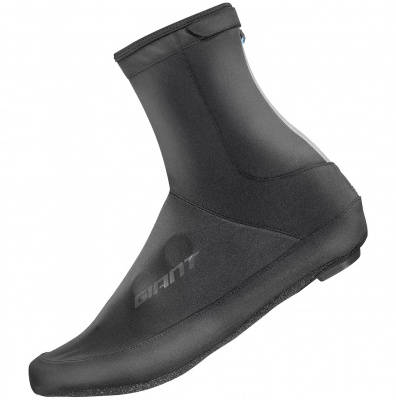
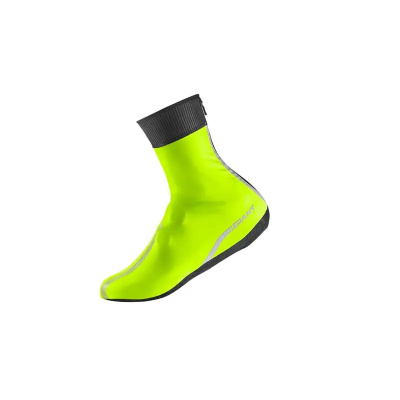
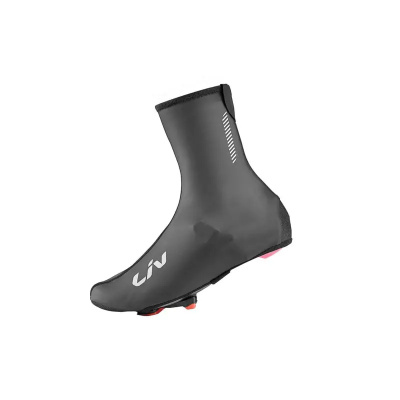
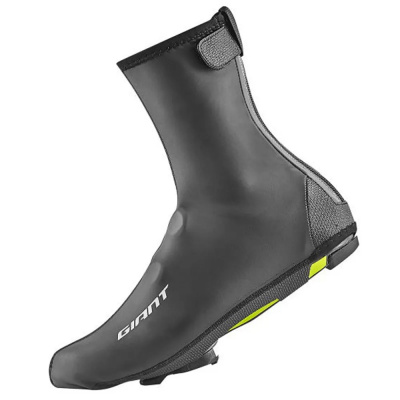
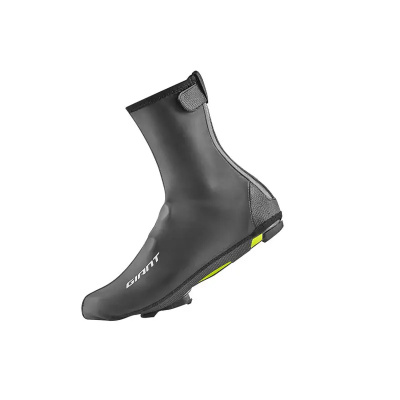
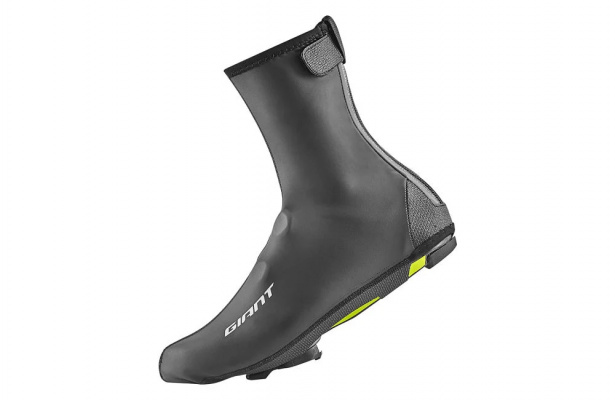
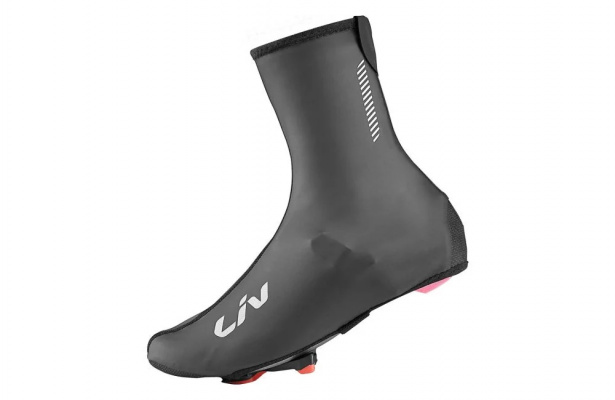
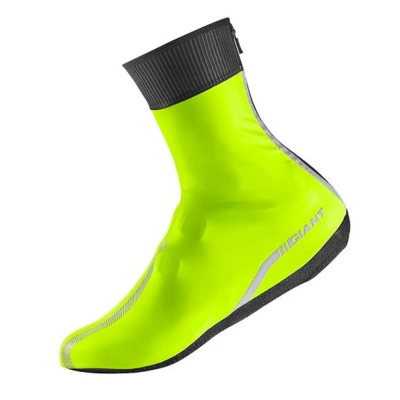
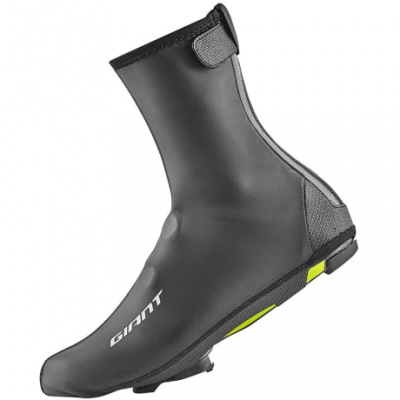
Giant overshoes are one of the more sensible investments you can make before the clocks go back - frozen feet kill motivation faster than any hill. Giant's range covers the full spectrum, from slick PU-coated aero covers that shed autumn drizzle on the way to a local 10 through to thick neoprene winter booties that keep you functional on bleak January base miles. The ProTextura™ fabric used across key models balances wind and water resistance without turning your feet into a sauna on milder days, while Kevlar-reinforced toe and heel panels survive the inevitable clip-in scramble and café-stop shuffle. Reflective detailing across the range matters more than you might think on short UK winter days, where low-light commutes and early-morning training rides are the norm rather than the exception. Whatever you're riding - a road bike through the Peaks, a gravel rig on waterlogged Pennine tracks, or a daily commuter through city spray - there's a Giant cycling overshoe built for the job. The cleat cutout designs are tidy enough not to foul your pedal stroke, and the fit options are generous enough for both narrow road lasts and chunkier gravel shoes.
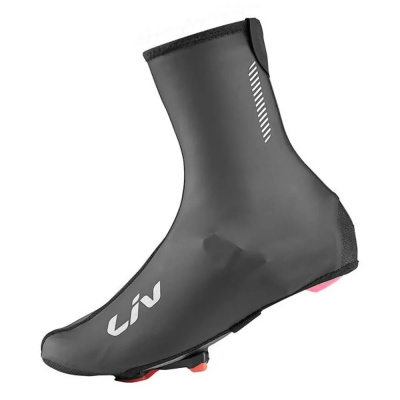


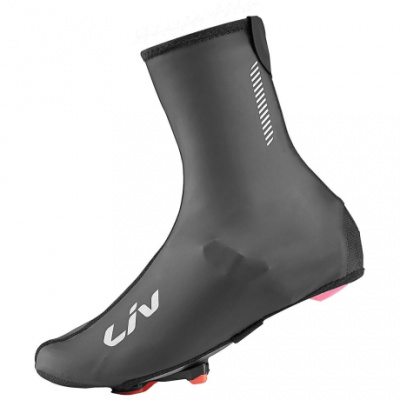
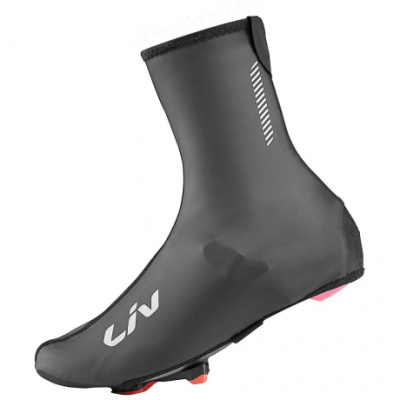
Prices and availability can change quickly. Delivery charges are not always included in listed prices.
Final price, stock status and delivery terms are set by retailer. We may receive a commission on purchases made.
Fabric Tech and Weather Performance
Giant's proprietary ProTextura™ fabric is the workhorse of their mid-weight and winter overshoe range. It's a tightly woven, windproof outer that still allows enough moisture vapour to escape that your feet don't end up swimming in condensation on a two-hour ride. On damp but not biblical days - the kind of persistent drizzle you get rolling out of the Cotswolds in October - ProTextura™ is genuinely effective. Pair it with a PU (polyurethane) slick coating on the outer face and you get rain beading off cleanly while the profile stays smooth enough to reduce wind drag at the front of the foot.
For deeper winter, Giant's neoprene insulation is the real story. High-stretch neoprene wraps the foot like a wetsuit panel - trapping a thin layer of warm air against the shoe and holding it there even when road spray is coming at you from all angles. It's noticeably warmer than a single-layer windproof cover, and the stretch means it conforms tightly to the shoe without bunching around the ankle. The trade-off is weight and packability; neoprene booties won't stuff into a jersey pocket.
Where Giant earns marks for practicality is in the Kevlar-reinforced toe and heel panels. Overshoes live a hard life - dragged across tarmac at traffic lights, scuffed against clipless pedal cages, and occasionally walked across gravel car parks. Without reinforcement, most covers split at the toe within a season. The abrasion-resistant construction here extends usable life considerably, which matters when you're looking at the cost per wear across a UK winter.
Getting the Fit Right Across the Range
Giant's overshoe lineup splits fairly cleanly into two camps. The lightweight, aero-focused covers - featuring slick PU coatings and minimal construction - suit time triallists, sportive riders, and anyone who wants protection on cool or damp days without the bulk of a full bootie. They fit close, deflect wind effectively, and the waterproof zip designs on several models are offset slightly to avoid pressing directly onto the Achilles tendon, which is a small but genuine comfort detail on longer rides.
The heavier neoprene winter models are a different proposition. They're thicker, they run slightly firmer over the shoe, and they're designed for days when the temperature drops to single figures and the roads are properly wet. These are your Giant winter shoe covers for November through February, not your September hill-climb accessory.
Sizing is worth thinking about carefully. Giant overshoes are sized to match your cycling shoe size directly, but they fit tight by design - the snugger the fit, the less flapping and the better the wind protection. If you're at the top of a size bracket, go up. More importantly, if you're running gravel or MTB shoes with thicker soles and a wider last, size up regardless of where you land in the bracket. Road shoe users can usually follow the size guide faithfully. The cleat cutout geometry is sized for standard road cleat footprints, so gravel riders with larger cleat systems should check compatibility before buying.
For comparison, brands like Castelli overshoes and Endura overshoes offer similar tiered ranges - aero to thermal - and are worth considering if you're after an alternative cut or fit profile. GripGrab overshoes and Spatzwear overshoes also sit in this market, with Spatz in particular known for aggressive aero coverage if that's your priority.
Layering Strategy and Keeping Them in Good Shape
An overshoe works hardest when it's part of a system rather than the only line of defence. Merino wool socks underneath make a tangible difference - they retain warmth even when damp, which matters because no overshoe, including Giant's waterproof cycling overshoes with taped seams, will keep your feet bone dry in a sustained downpour. Water finds its way in through the cleat hole and, eventually, down from the cuff. That's not a flaw specific to Giant; it's the physical reality of the category.
Fitting Giant mudguards to your bike dramatically reduces the volume of spray reaching your feet in the first place, which extends both warmth and dryness well beyond what the overshoe alone can manage. A full-length rear guard in particular cuts road grime and cold water off at the source. It's the unglamorous fix that actually works.
Care is simple but easy to get wrong. Don't put neoprene or ProTextura™ overshoes in a hot wash - high temperatures degrade the PU coating and strip the DWR (Durable Water Repellent) finish that makes water bead off the outer. A cold hose-down after a gritty ride, left to dry naturally away from direct heat, is all they need. Fabric softener is the other thing to avoid; it clogs the membrane structure and kills water resistance over time. Treat them right and they'll last multiple seasons.
Once they're clean and dry, check the reflective detailing periodically - it can wear on high-contact areas, and visibility on dark UK mornings is worth protecting. If you're riding in low light, pairing overshoes with Giant lights and reliable road tyres rounds out a sensible winter setup without overthinking it.
Giant Overshoes FAQs
How do I choose the right size Giant overshoes?
Match to your cycling shoe size as a starting point, but size up if you're at the top of a bracket or running chunkier MTB or gravel shoes. Giant overshoes fit tight by design - that's intentional for wind protection - so when in doubt, go larger rather than smaller.
Are Giant overshoes fully waterproof?
They're highly water-resistant thanks to ProTextura™ fabrics, PU coatings, and taped seams, but no overshoe is completely sealed. In heavy, sustained rain, water eventually works in through the cleat hole or down from the cuff. Merino socks and mudguards help significantly with this.
How do you put on tight cycling overshoes?
For zipped models, put your shoe on first, ease the overshoe over the toe, pull the heel section down firmly, then zip up carefully. For zipperless aero covers, slip the overshoe over your bare ankle before putting the shoe on, then pull it down over the shoe once it's fastened. Rolling the material up slightly first makes both methods easier.