
FSA MTB Wheels
FSA MTB wheels sit at an interesting crossroads: proper engineering at prices that don't demand a second mortgage. Full Speed Ahead builds their wheelsets around two proprietary ideas - asymmetric rim profiles and PRA (Preload Reduction Assembly) hubs - and those two things together matter more than most marketing copy ever lets on. The asymmetric rim shifts spoke geometry to balance tension across the drive and non-drive sides, which translates directly into lateral stiffness without piling on weight. The PRA system lets you dial bearing preload without pulling the wheel off the bike, which is the kind of small detail that keeps bearings alive through a Scottish winter rather than grinding into paste by February.
Whether you're chasing XC podiums on the K-Force carbon or just want a bombproof alloy set that'll take whatever the Peak District throws at it, FSA has a wheelset positioned for the job. The full range runs from the race-focused K-Force line through the trail-ready Gradient down to the Grid, which is built for riders who measure toughness over grams. All the key modern standards are covered - Boost 15x110 front, 12x148 rear, Centerlock and 6-bolt rotor options - and the current lineup is tubeless-ready across the board. Compare the full FSA MTB wheel range below to find the right fit for your rig.
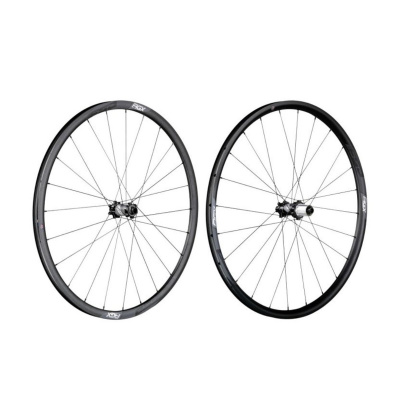
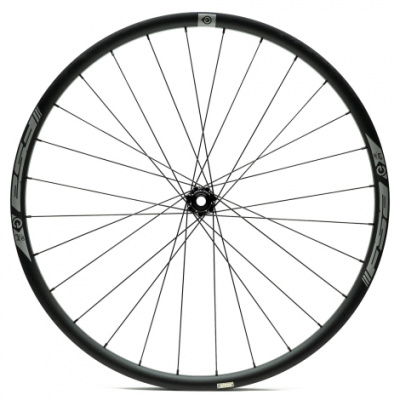
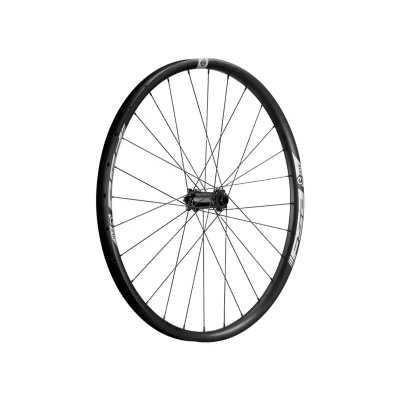
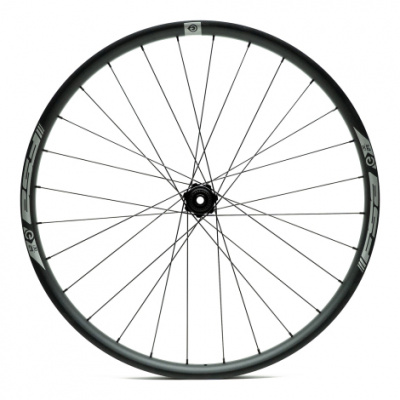
Prices and availability can change quickly. Delivery charges are not always included in listed prices.
Final price, stock status and delivery terms are set by retailer. We may receive a commission on purchases made.
Axle Standards, Rotor Mounts, and Getting the Fitment Right
Before anything else, check your axle spacing. FSA's current MTB wheelsets are built around Boost spacing as standard - 15x110mm front and 12x148mm rear - which covers the vast majority of trail and enduro frames sold in the last five or six years. Super Boost rear (12x157mm) options exist within the range for certain wide-ratio builds, so if you're running a mullet or a wide-dish enduro frame, double-check the spec sheet before clicking buy.
On rotor mounting, FSA offers both Centerlock and 6-bolt variants depending on the model. Centerlock gives you a cleaner lockring interface and slightly easier rotor swaps; 6-bolt is more universally compatible if you're mixing components from different eras. Neither is technically superior - it comes down to what your rotor and brake caliper combination already demands. Worth knowing: if you're rebuilding or servicing rather than replacing the whole wheel, we've got dedicated pages for FSA tools and FSA hubs, rims, spokes and nipples, and freehub body spares - everything you need to keep an existing set rolling rather than starting from scratch.
K-Force, Gradient, Afterburner, and Grid - What You Actually Get at Each Level
FSA's wheel hierarchy is cleaner than it first appears. Think of it as a straight line from race weight to trail durability, with the price reflecting exactly that trade-off.
- K-Force: The top of the stack. Carbon fibre wheelset construction, prioritising low weight for XC racing where every gram on rotating mass costs you energy over a two-hour race. The hookless carbon rim technology used here resists impact deformation better than a traditional hooked bead, which matters on rocky UK courses like the Dalby Forest XC circuit. These are precision tools - brilliant for fast, light riding, less suited to heavy enduro abuse.
- Gradient: Where carbon meets real-world trail riding. The Gradient uses hookless bead carbon rim construction alongside asymmetric rim design for a wheel that's stiff laterally without being brutal. This is the best FSA mountain bike wheels option for riders who want carbon performance without babying their gear. The hookless bead profile pairs well with the low tyre pressures you need on wet Welsh roots - the rim retains the bead more reliably at 18 - 20psi than a conventional hooked carbon rim under the same conditions.
- Afterburner: A versatile alloy option that covers XC through to moderate trail use. Lighter than the Grid, more affordable than the Gradient carbon, and a solid choice if you want a reliable daily wheel that doesn't demand obsessive care.
- Grid: Built for durability first. Alloy construction, reinforced profiles, designed for aggressive riders who hit things hard and need the wheel to survive it. You give up grams compared to the carbon options, but the Grid shrugs impacts that would crack lesser rims. If your riding involves more rock gardens than race plates, this is the practical call.
Moving up the range, you're primarily buying weight reduction and stiffness-to-weight ratio - the PRA hub system and tubeless-ready construction appear across the lineup, so you're not giving up functional tech by choosing alloy. Comparing FSA against DT Swiss MTB wheels or Hope MTB wheels at similar price points, FSA's asymmetric rim geometry is a genuine differentiator - Hope prioritises serviceability and UK-made pride, DT Swiss their ratchet system engagement; FSA's angle is the rim engineering. Different answers to the same question.
Keeping FSA Wheels Alive Through a UK Winter
UK trail riding is hard on bearings. Abrasive grit, standing water, and extended mud exposure combine to destroy hub internals faster than most riders expect - and over-tightening the thru-axle accelerates that process significantly by loading the bearings under static preload before the wheel even turns.
This is where FSA's PRA (Preload Reduction Assembly) becomes genuinely useful rather than just a spec-sheet talking point. The PRA collar on the hub lets you set bearing preload independently of thru-axle tension. In practice, that means you can snug the axle to the frame without inadvertently crushing the bearings, then adjust preload via the collar to the correct running clearance. It's a small job - a few minutes with the right tool - but it's the difference between bearings lasting a season and lasting two or three. Check preload every couple of months through winter; if you feel any play or hear any grittiness on a dry spin, that's the moment to adjust rather than wait.
The asymmetric rim profiles also play a practical role in UK mud. When you're fighting through deep ruts on off-camber ground - the sort of thing you find on the North York Moors or the Quantocks in November - lateral flex in the wheel costs you precision exactly when you need it most. Balanced spoke tension across the asymmetric rim resists that flex without needing a heavier build. You won't necessarily feel it as a dramatic difference, but it adds up over a long, sketchy descent.
For tubeless maintenance, reseal the rim tape at the start of each season. Wet riding accelerates tape edge lift, especially around valve holes, and a small lift is enough to let sealant pool under the tape rather than doing its job on the tyre bead. FSA's tubeless ready rims come pre-taped, but that doesn't mean the tape is permanent. A fresh strip of quality tape each autumn is cheap insurance. If you need torque specs or specific installation tools for the lockring or freehub body, the FSA tools range covers the dedicated kit. Pairing new wheels with a fresh FSA bottom bracket or upgraded FSA chainset while you've got the bike stripped down makes practical sense - one job, done properly.
If you're weighing up alternatives, Mavic MTB wheels offer strong tubeless integration with their UST system, and Crank Brothers MTB wheels take a different approach with their direct engagement hubs. Both are worth a look depending on your priorities, but neither addresses bearing preload management quite as directly as FSA's PRA approach.
FSA MTB Wheels FAQs
Are FSA mountain bike wheels tubeless ready?
Yes. The Gradient, K-Force, and Afterburner lines all come tubeless-ready as standard, with pre-taped rims and tubeless valves in the box. The Grid alloy range is also tubeless-compatible. That said, check the tape condition before your first ride - pre-installed tape can shift in transit, and a proper seal matters more than a tidy-looking rim strip.
What is the FSA PRA hub system?
PRA stands for Preload Reduction Assembly. It's a collar on the hub that lets you set bearing preload separately from thru-axle tension. The practical benefit is that you can torque your axle correctly without inadvertently over-loading the bearings - a common cause of premature bearing wear, especially on bikes ridden through gritty UK conditions all winter.
Can I change the freehub body on my FSA wheels?
Yes, FSA hubs use interchangeable freehub bodies. You can swap between Shimano HG, Shimano Micro Spline, and SRAM XD drivers depending on your cassette. Match the freehub body to your specific hub model and generation - FSA has revised their hub designs across product cycles, so an older freehub body won't necessarily fit a current hub shell.