
Fizik Helmets
Fizik helmets apply the same obsessive attention to rider contact points that made the brand's saddles and shoes a fixture on WorldTour pelotons - just shifted upward by about a metre. Each lid pairs sleek Italian design with in-mold EPS construction and a retention system precise enough to feel dialled rather than merely done up. You get a helmet that sits flush against your head, not one that shifts around on the first punchy climb out of the village.
The range covers road racing and gravel, with aerodynamic profiles for riders chasing speed and well-vented designs for those grinding up long cols in humid August heat. Internal ventilation channels pull air through the shell efficiently, while moisture-wicking padding keeps sweat from running into your eyes on the harder efforts. The polycarbonate shell is fused directly to the EPS foam during manufacture - a process that keeps weight down without sacrificing structural integrity.
For UK riders, that balance matters. You need enough ventilation to survive a sweaty South Downs drag in summer, and a profile that still works with a thin skull cap tucked underneath come November. Fizik helmets handle both without demanding a compromise. Browse the full range below and use the sizing guidance further down the page to find your fit.
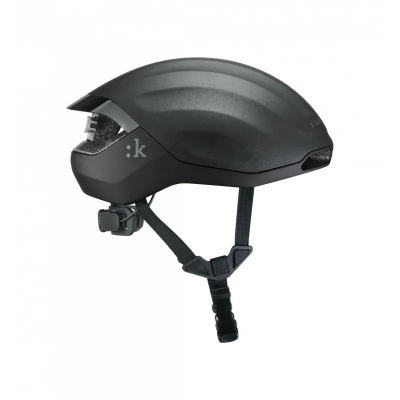
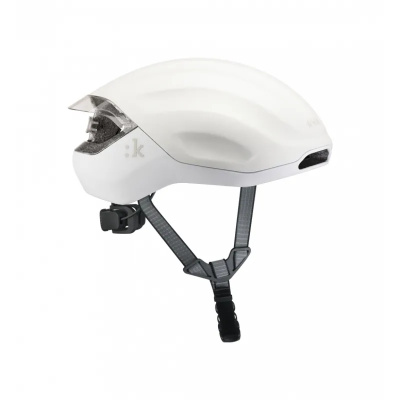
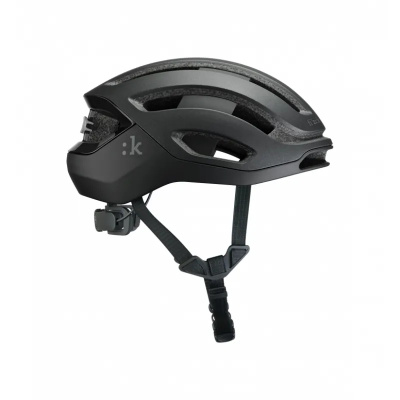
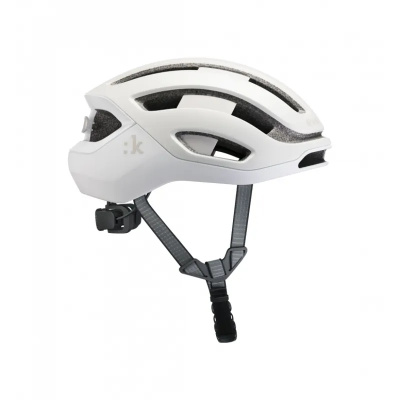
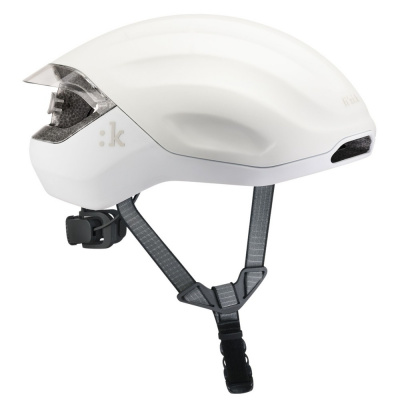
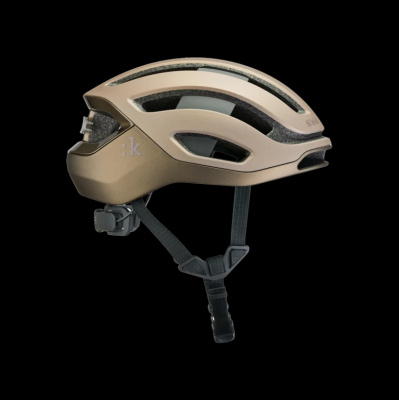
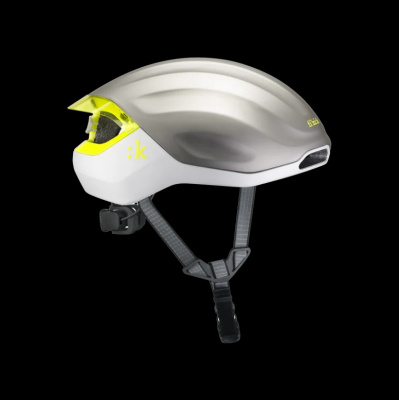
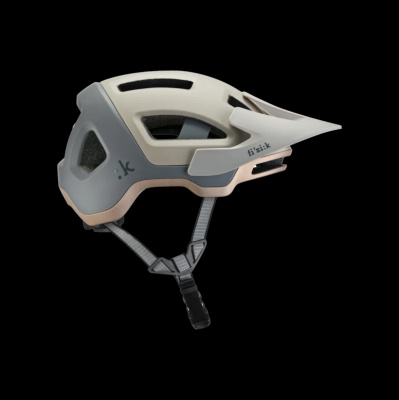
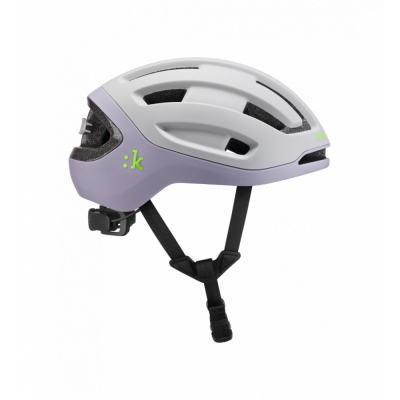
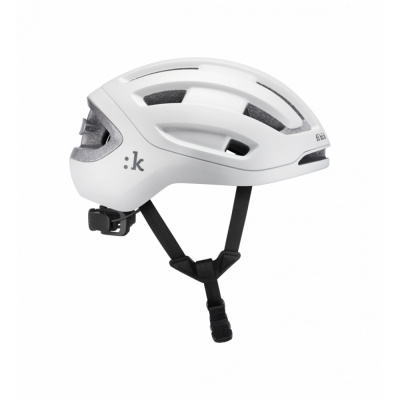
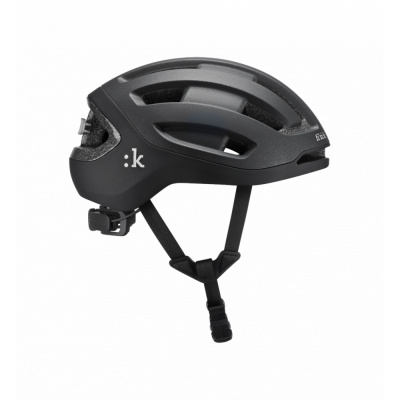
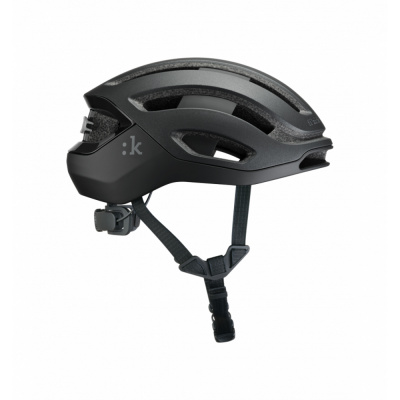
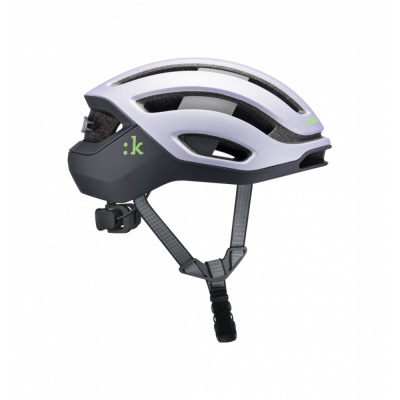
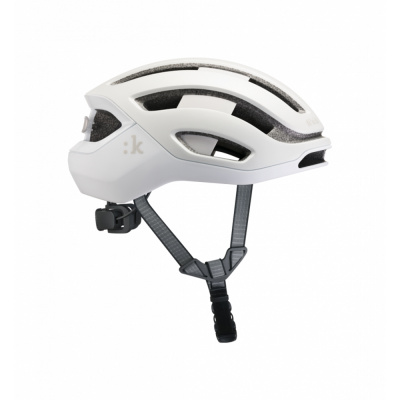
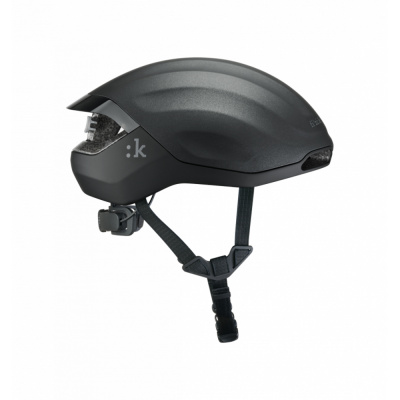
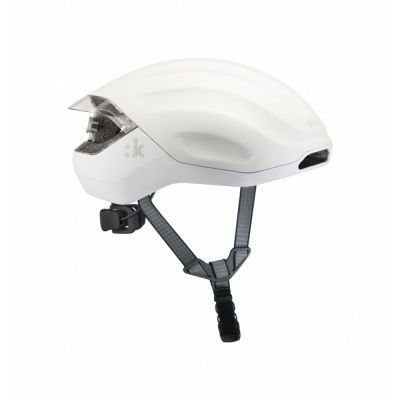
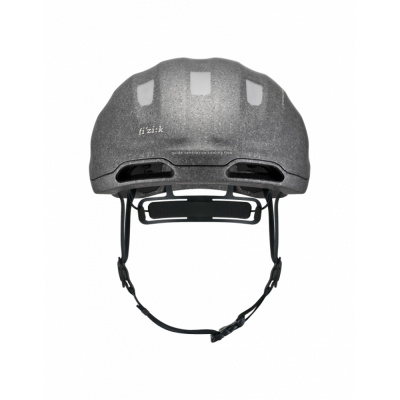
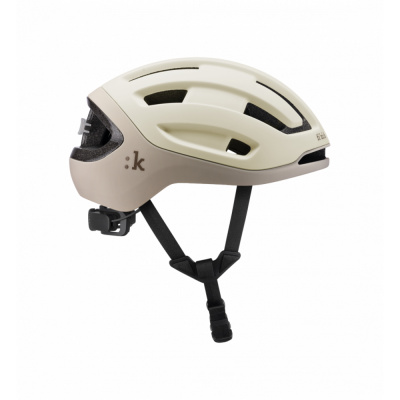
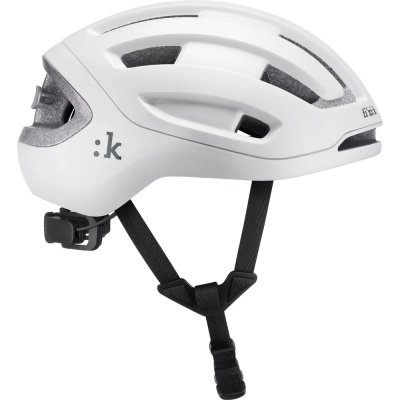
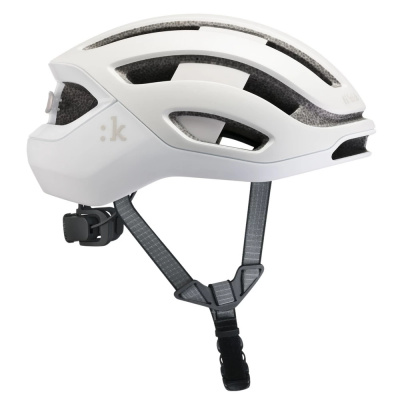
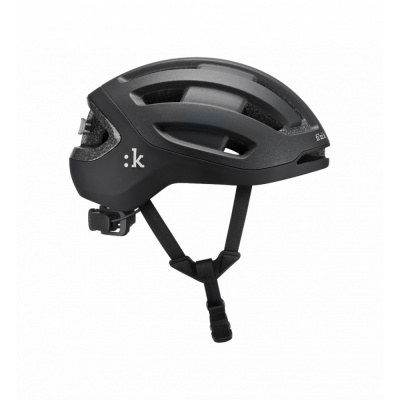
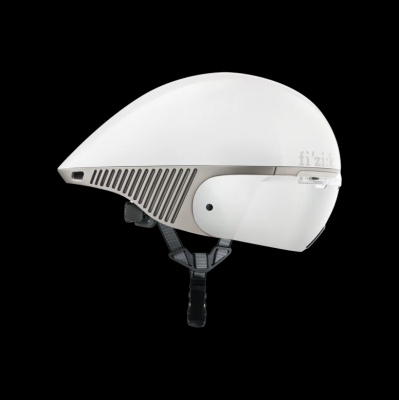
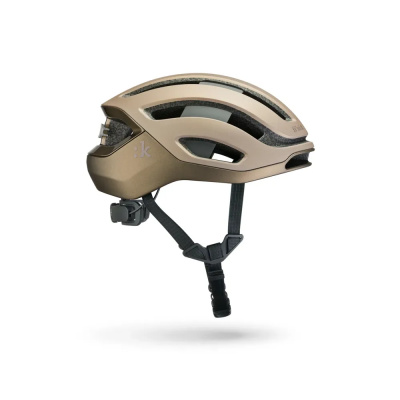
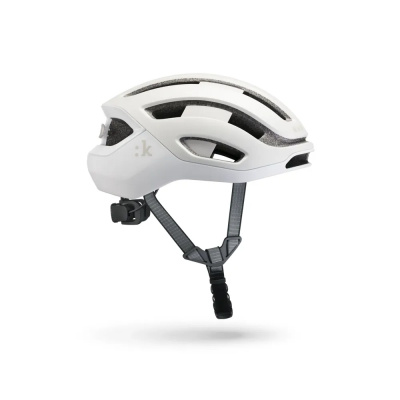
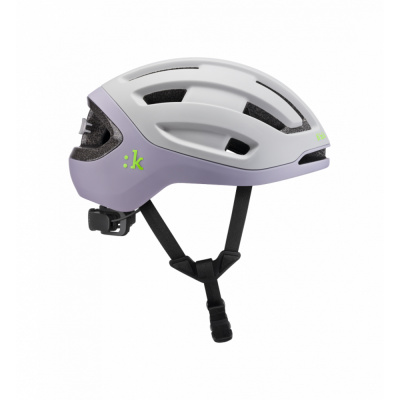
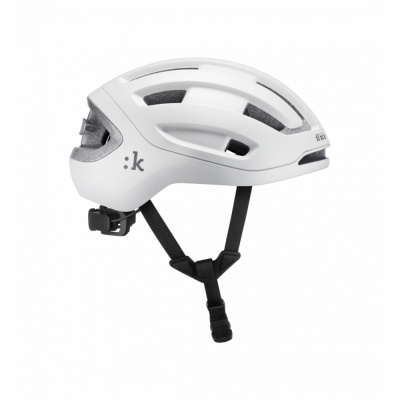
Prices and availability can change quickly. Delivery charges are not always included in listed prices.
Final price, stock status and delivery terms are set by retailer. We may receive a commission on purchases made.
Shell Tech and Weather Performance
The in-mold construction process bonds the polycarbonate shell directly to the EPS foam core in a single manufacturing step. That matters because it removes the need for a thick outer shell, which in turn cuts grams without cutting protection. The EPS foam does the real safety work, absorbing and dispersing impact energy, and Fizik's shaping of that foam is tight - no bulky voids or uneven wall thicknesses that compromise rigidity in a crash.
Ventilation channels are routed through the foam to move air from the front intakes to the rear exhaust ports in a deliberate path across the scalp. On a humid Welsh climb or a baking Surrey Hills loop in July, that airflow is the difference between arriving at the café stop drenched and arriving merely warm. The channels are wide enough to shift real volume of air, not just token slots for marketing photographs.
The moisture-wicking internal padding pulls sweat away from the skin before it can pool and run. The pads are removable on most models - pull them out, hand-wash in mild soapy water, and leave them to dry flat. Do it every few weeks during heavy summer use and you'll keep bacteria build-up in check while preserving the foam underneath. Letting sweat salts accumulate degrades the padding faster than you'd expect.
For low-light UK riding - think the pre-dawn commute in October or a winter sportive that runs well past dusk - look for models carrying high-visibility accents or reflective detailing on the shell. It's not glamorous, but it's the sort of thing that matters on narrow B-roads where drivers aren't expecting you.
Understanding the Fizik Helmet Range and Fit
Fizik helmets generally follow a medium-oval internal shape, which sits between the rounder fit of some Giro helmets and the slightly longer oval you'd find on certain Bell helmets. That medium-oval profile suits the majority of European riders well, and it mirrors the fit philosophy of Kask helmets - the two brands share ownership and some development thinking, though they remain distinct products with different aesthetics and construction details.
The micro-adjust retention dial sits at the rear of the helmet and tightens a cradle around the occipital bone at the back of the skull. Turning it clockwise draws the cradle in; a few clicks is usually all you need once your base fit is set. On many Fizik models the cradle height is also adjustable, letting you shift it up or down to sit properly against your head shape rather than riding high and loose or pressing uncomfortably low. Get this right and the helmet feels locked, not clamped.
Sizing runs from XS through to XXL depending on the model. Measure your head circumference at the widest point - just above the ears and across the mid-forehead - and cross-reference against Fizik's own size chart for the specific lid you're considering. Don't assume your size from one brand carries across directly; half a centimetre makes a real difference to how the retention system performs.
The road-focused models lean aerodynamic, with a tighter profile and fewer, more directed vents - useful if you're racing crits or chasing Strava segments but warm on a slow sportive day. The more vented options sacrifice a small amount of aerodynamic efficiency for noticeably better airflow, which is the sensible call for most UK riding where pace varies wildly and you're rarely holding an aero position for long stretches.
Looking to shave maximum seconds off your race time? Explore our dedicated range of Fizik Aero TT Helmets for wind-tunnel-tested profiles and integrated visors.
Layering and Care for UK Riding
A Fizik helmet on its own works well from spring through autumn. But British winters demand a bit more thinking. A thin cotton cycling cap worn peak-forward under the helmet adds a layer of warmth and keeps road spray off your forehead without meaningfully changing the fit - the retention dial compensates for the extra material with a couple of extra clicks. A Merino thermal skull cap takes up more room, so loosen the cradle before pulling it on, then re-tighten until the helmet sits firm without pressure points. It takes thirty seconds in the car park and makes a cold morning ride significantly more bearable.
Pairing your helmet with the rest of your Fizik kit is straightforward. The Fizik road shoes share the same design language, and if you're heading off-road, the Fizik MTB and gravel shoes round out a cohesive setup. Add Fizik overshoes for wet-weather rides and the system holds together well across seasons.
Helmet care is simple but worth doing consistently. Wipe the shell down with a damp cloth after muddy or wet rides - road grime and salt accelerate wear on the polycarbonate finish over time. Remove and hand-wash the internal pads in mild soapy water every few weeks during heavy use; never machine-wash them or use detergents that could compromise the foam bond. Store the helmet away from direct sunlight when it's not in use - UV exposure degrades EPS foam gradually, and a helmet left on a sun-baked windowsill for a season won't perform the same way in an impact.
Replace your helmet after any significant crash, even if there's no visible damage. EPS foam compresses on impact and doesn't spring back - what looks intact may no longer offer its original protection. Most manufacturers suggest replacing any helmet after five years regardless of crash history, as UV exposure, sweat, and general wear affect the foam's performance over time. Pick up a fresh pair of Fizik socks while you're at it - treat yourself.
Fizik Helmets FAQs
How do Fizik helmets fit compared to other brands?
Fizik helmets use a medium-oval internal shape that works well for most riders, fitting similarly to Kask - the two share the same parent company and some design philosophy. Measure your head circumference just above the ears and check the specific model's sizing chart before you buy, rather than assuming your usual size carries across.
Are Fizik helmets suitable for gravel riding?
Yes. The vented road models translate directly to gravel use - the airflow is well-suited to variable-pace riding and the retention systems hold firm on rough, corrugated tracks. If you're spending most of your time off-road, prioritise one of the more open-vented models over the aerodynamic options.
How do I adjust the retention system on a Fizik helmet?
Turn the micro-adjust dial at the rear clockwise to draw the cradle tighter around your occipital bone. Many models also let you shift the cradle height up or down - dial that in first for your head shape, then fine-tune the tension. A properly set cradle should feel snug but never cause pressure points.