
Dexshell Overshoes
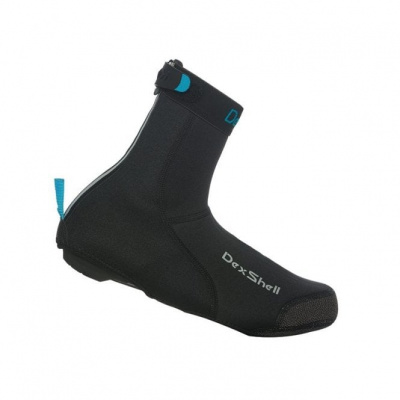
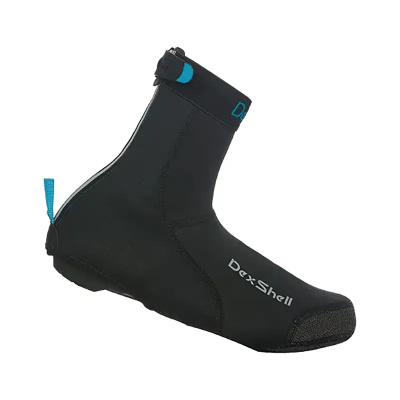
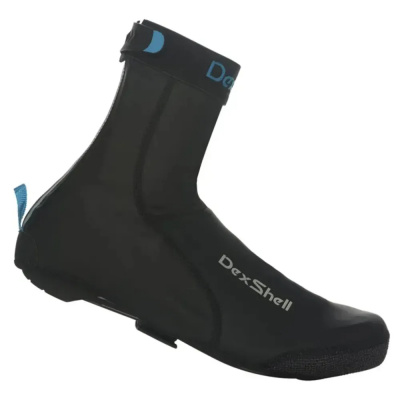
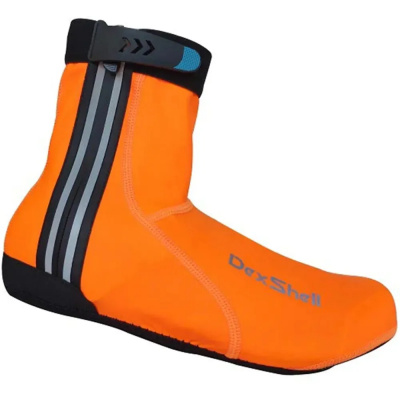
Dexshell overshoes exist for one reason: to stop the UK's worst weather from ending your ride at the ankles. Freezing, waterlogged feet aren't just uncomfortable - they're a genuine safety issue, killing your concentration and your ability to clip in cleanly. Dexshell's answer is their proprietary Porelle® waterproof breathable membrane, which blocks rain, road spray and wind while still letting sweat vapour escape outward. No boil-in-the-bag effect, no clammy buildup - just dry, functional feet through a grim January commute or a three-hour Sunday club run in relentless drizzle.
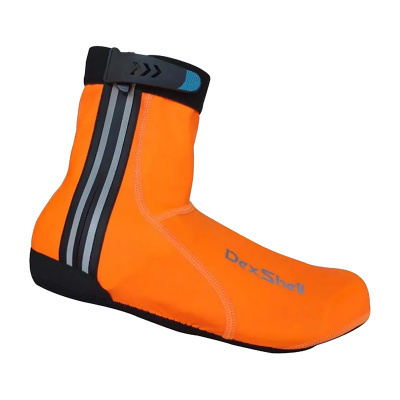
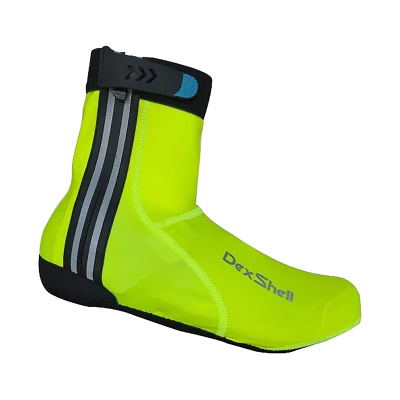
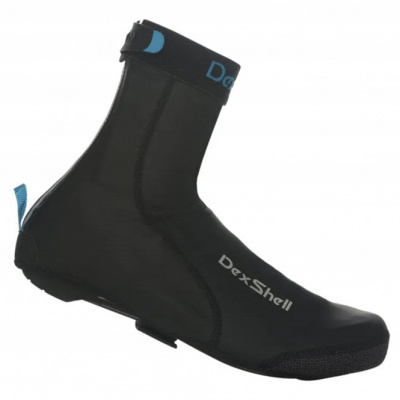
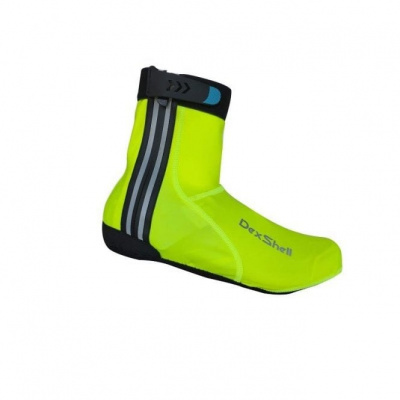
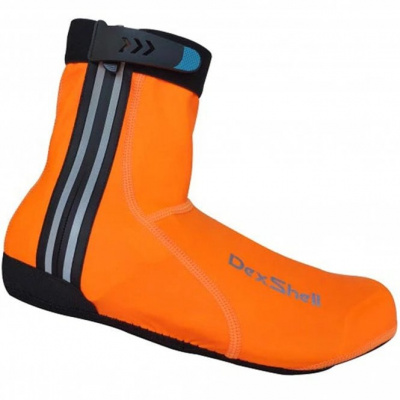
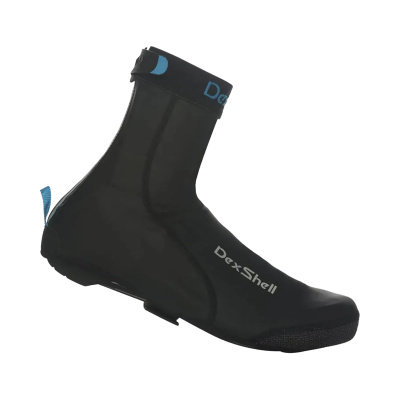
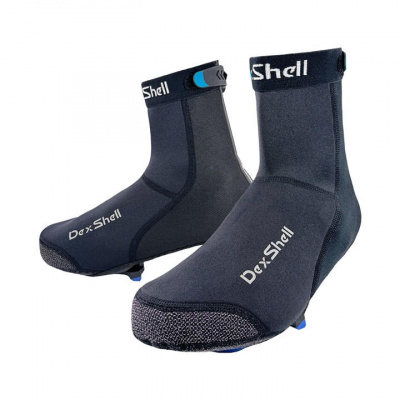
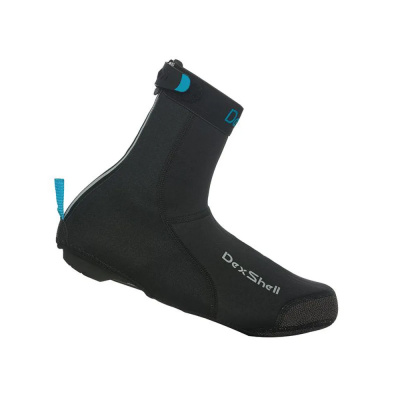
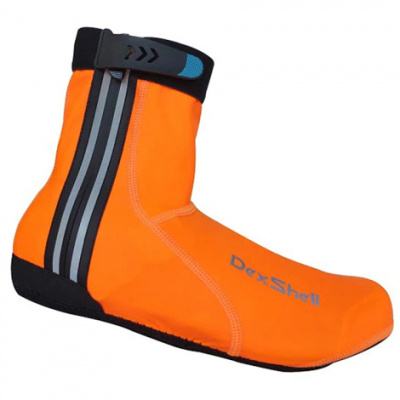
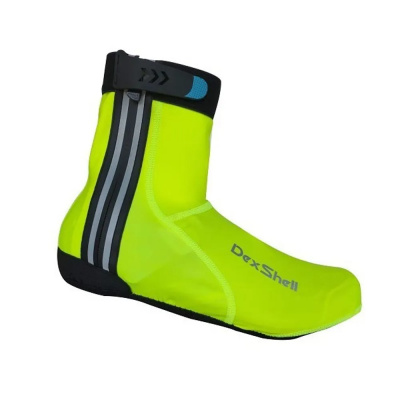
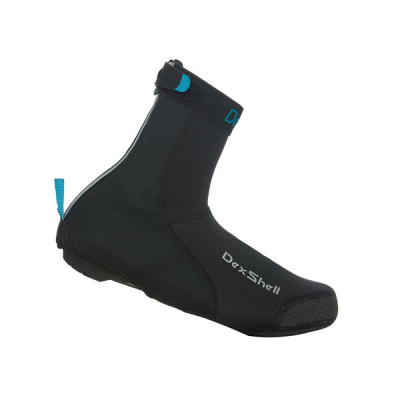
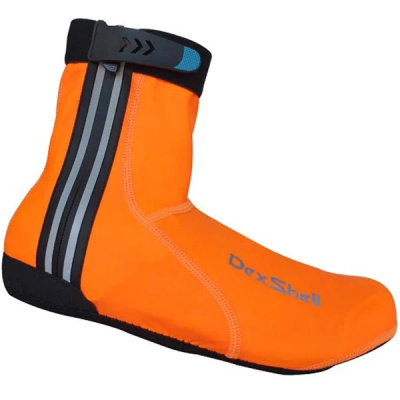
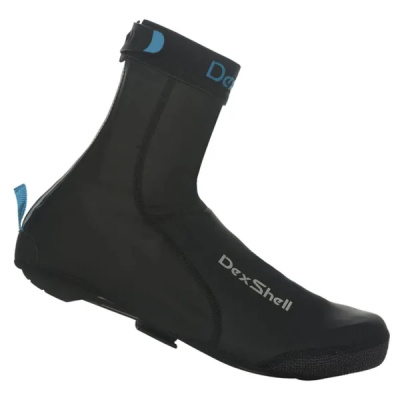
The construction goes beyond the membrane. Neoprene fabric adds meaningful thermal insulation and wind-blocking across the foot, while a microfleece lining manages moisture close to the skin and keeps warmth where you need it. Reinforced toe and heel panels - Kevlar or equivalent abrasion-resistant material depending on the model - take the punishment of repeatedly putting a foot down at traffic lights or on wet tarmac, where lesser overshoes start to look ragged within a season. Reflective detailing adds low-light visibility on early-morning or late-evening rides. It's a practical, considered package focused squarely on keeping your extremities working when conditions turn properly grim.
Prices and availability can change quickly. Delivery charges are not always included in listed prices.
Final price, stock status and delivery terms are set by retailer. We may receive a commission on purchases made.
The Porelle® Membrane and What It Actually Does
The core of every Dexshell waterproof overshoe is the Porelle® waterproof breathable membrane - a laminate bonded into the shoe cover construction that physically blocks liquid water molecules from passing inward while remaining porous enough at a molecular level to allow water vapour (your foot's sweat output) to migrate outward. In plain terms, rain and puddle splash hit the outside and stop there; the heat and moisture your foot generates can still escape, which matters on a hard effort when your feet would otherwise be sitting in their own condensation.
Wrapped around that membrane is neoprene fabric, the same material you'd find in a quality wetsuit. Neoprene is inherently windproof and adds a genuine layer of thermal insulation - useful when you're descending at speed and windchill is doing its worst to your toes. Inside, the microfleece lining pulls moisture away from the skin and holds a useful pocket of warmth. It's a layered system that works: membrane stops the rain, neoprene blocks the wind and insulates, fleece manages the microclimate inside. Compared to single-layer neoprene overshoes from brands like GripGrab, the Porelle® integration gives Dexshell a meaningful edge in sustained wet conditions rather than just brief showers.
Durability is addressed through reinforced panelling at the toe and heel - areas that take constant abrasion from road surfaces and the grinding contact of clipping in and out. Kevlar-reinforced versions are particularly tough here. Reflective panels and piping add low-light visibility, which matters on UK winter rides where you're often doing the last hour in the dark. It's not decorative - it's functional detailing that earns its place.
Navigating the Range and Getting the Fit Right
Dexshell waterproof overshoes sit toward the heavier-duty end of the market. Their winter-focused models prioritise waterproofing and thermal performance over packability - these aren't something you'll fold into a jersey pocket for insurance on a spring ride. If you want a featherweight packable cover for occasional showers, brands like Spatzwear operate in that space. Dexshell heavy duty overshoes are for riders who know they're heading into sustained wet and cold and want proper protection from the off.
Sizing is where people go wrong most often. Dexshell overshoes are stretchy by nature, which can tempt you into thinking fit doesn't matter much. It does. Running them too tight stresses the zipper - particularly the water-resistant zipper that runs up the back - and a blown zipper leaves a gap that defeats the whole waterproofing system. The general rule: if you're wearing standard road cycling shoes, size to match your shoe size. If you're riding in bulky winter MTB shoes, or your shoes have protruding BOA dials that create a raised profile, size up. The overshoe needs to sit flush against the shoe with no bridging gaps, especially around the ankle cuff where water entry is most likely. It's worth checking whether your shoes have a particularly wide or narrow last too - a very wide platform shoe on the smaller side of a size can behave like a larger shoe in terms of the overshoe's stretch requirement.
For fit comparison, Sealskinz overshoes and Endura overshoes tend to run slightly differently in their sizing conventions, so don't assume your size in those translates directly to Dexshell - check the brand's size guide against your shoe's EU size as the most reliable reference point.
Layering Strategy and Keeping Them in Good Shape
The overshoe is only as good as how it integrates with the rest of your kit. On UK winter rides, pair them with a merino wool sock for warmth that stays functional when slightly damp, rather than a synthetic that goes clammy. The critical layering detail most riders get wrong: your bib tights or leg warmers need to go over the top of the overshoe's ankle cuff, not tucked inside it. Run tights inside the cuff and any rain running down your leg feeds directly into the shoe - the overshoe can't fix that. Tights over the cuff means water sheds outward. Simple, but it makes a real difference on a long wet road.
If you're building out a full cold-weather system, pairing Dexshell overshoes with Dexshell gloves gives you matched Porelle® membrane protection at both extremities, which is a coherent approach to wet-weather kit rather than mixing waterproofing standards across the body.
Care is where the Porelle® membrane is most vulnerable. Machine washing is fine - 30°C maximum, gentle cycle - but fabric softener is the enemy. It coats and clogs the membrane's microscopic pores and permanently degrades breathability. Avoid it entirely. Tumble drying and direct radiator heat do similar damage, causing the membrane laminate to delaminate and the neoprene to harden. After washing, reshape the overshoes and leave them to air dry at room temperature. Rinse mud off promptly after gritty rides - dried grit works into seams and accelerates wear. Treat them reasonably and the construction holds up across multiple seasons of UK winter riding.
Dexshell Overshoes FAQs
Are Dexshell overshoes completely waterproof?
Yes. The Porelle® membrane used across Dexshell's range is 100% waterproof and windproof - it physically blocks liquid water from penetrating. The one caveat: make sure your bib tights overlap the top ankle cuff rather than sitting inside it. Water running down your leg and into the cuff will bypass the overshoe's protection entirely.
How do I choose the right size Dexshell overshoes?
Match your standard cycling shoe size in most cases. If you ride in bulky MTB shoes or shoes with protruding BOA dials that add height and width to the profile, size up. A too-tight fit stresses the rear zipper and risks blowout, which leaves a gap in the waterproof seal at the ankle - exactly where you don't want one.
Can you wash Dexshell overshoes in the washing machine?
Yes - 30°C, gentle cycle. Never use fabric softener; it clogs the Porelle® membrane's pores and kills breathability permanently. Skip the tumble dryer and keep them away from radiators too. Reshape after washing and air dry at room temperature. That's genuinely all the care they need to stay performing season after season.