
Dexshell Gloves
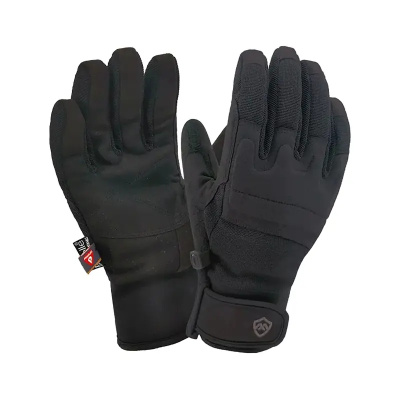
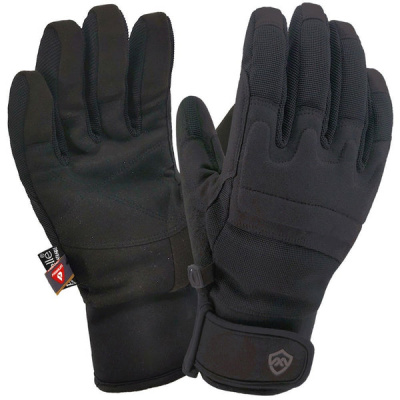
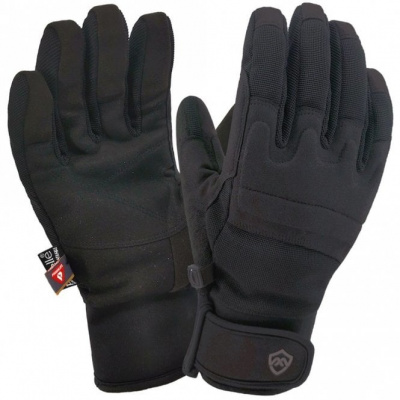
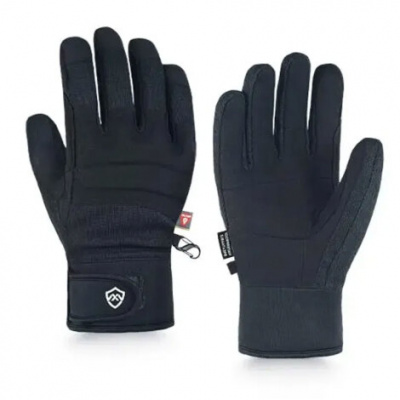
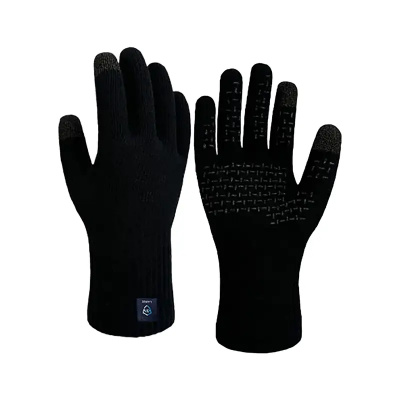
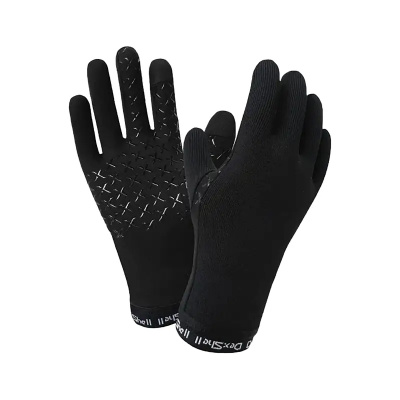
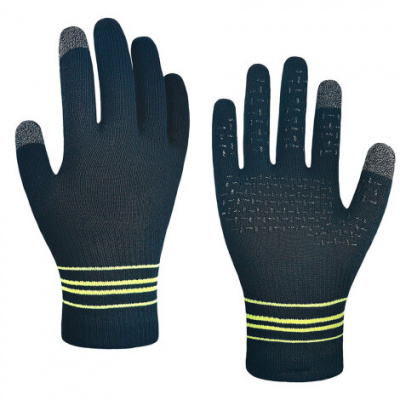
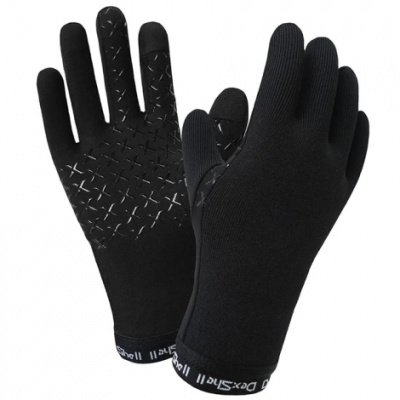
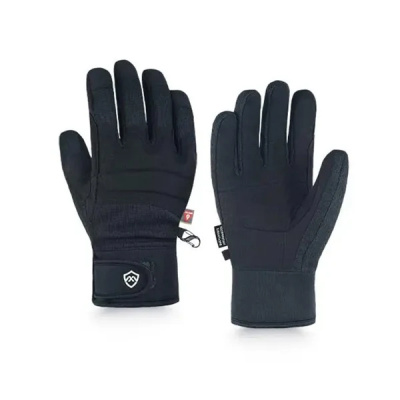
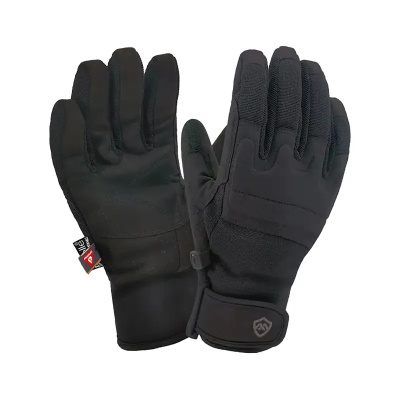
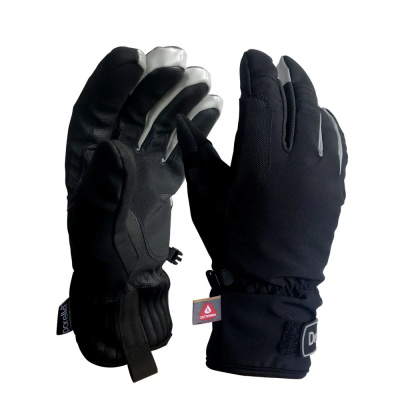
Dexshell waterproof cycling gloves exist to solve one specific problem: cold, soaking hands that turn a decent winter ride into a miserable slog. Built around a three-layer seamless waterproof construction, they combine a tough outer shell, a Porelle® breathable membrane, and a thermal inner to keep water firmly outside while still letting sweat vapour escape. No clammy, waterlogged feeling on the long climb out. No frozen fingers on the descent.
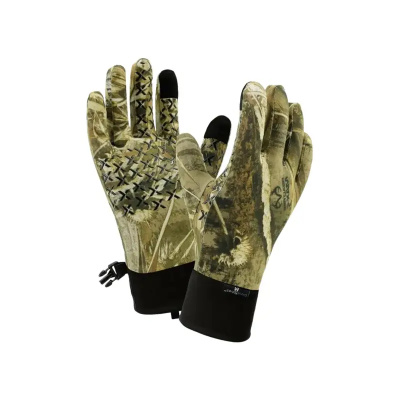
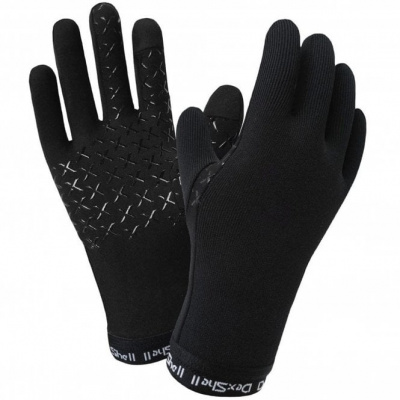
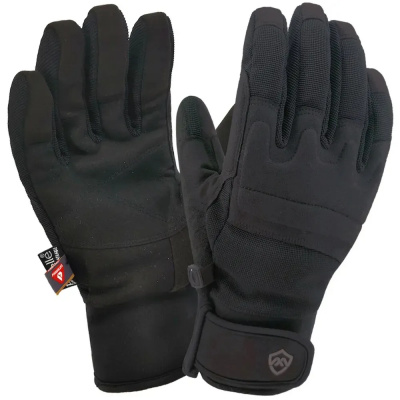
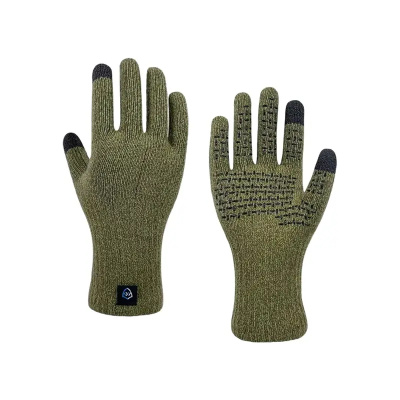
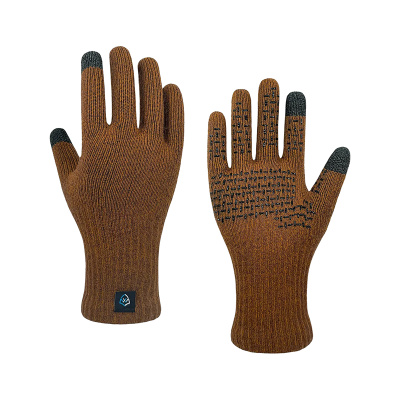
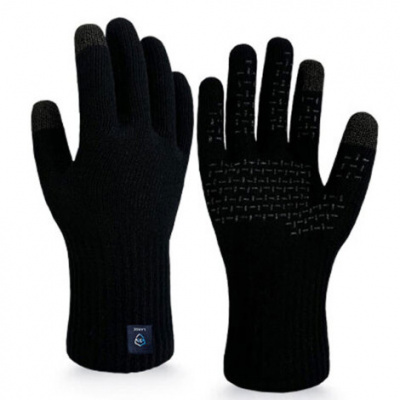
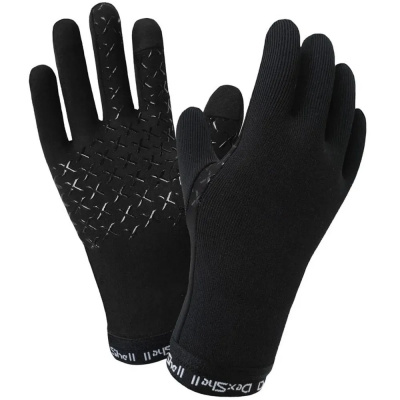
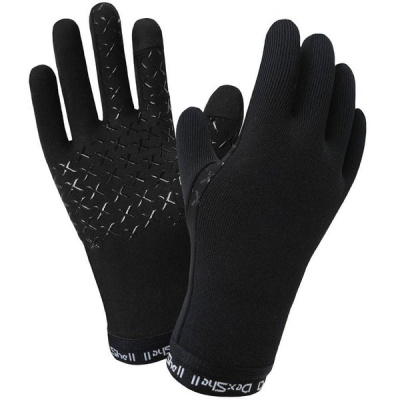
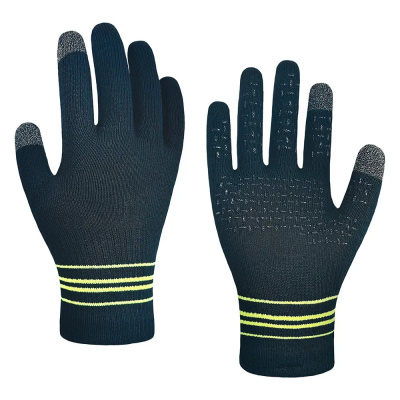
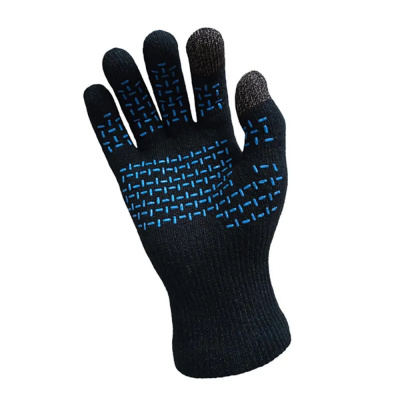
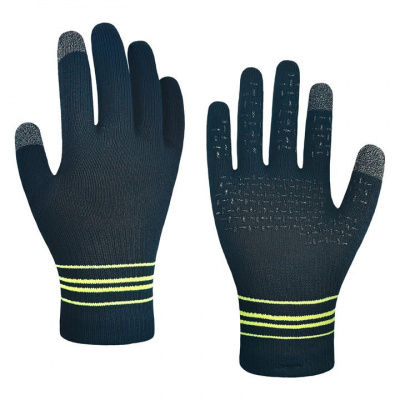
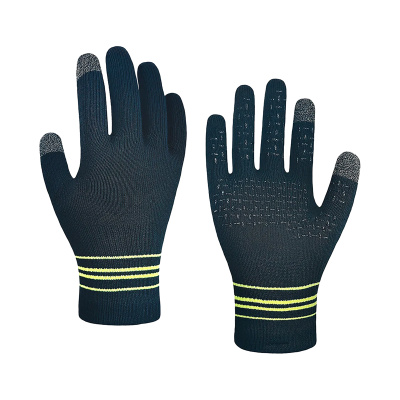
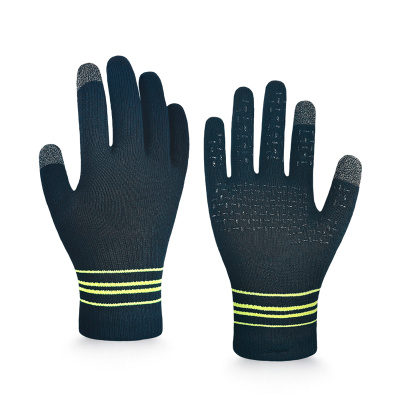
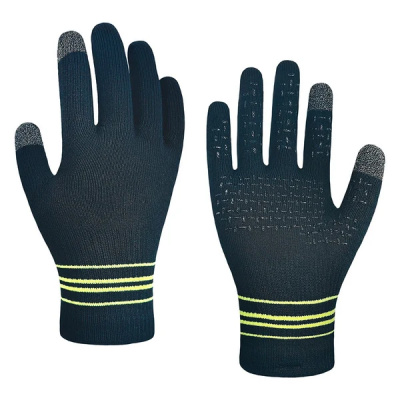
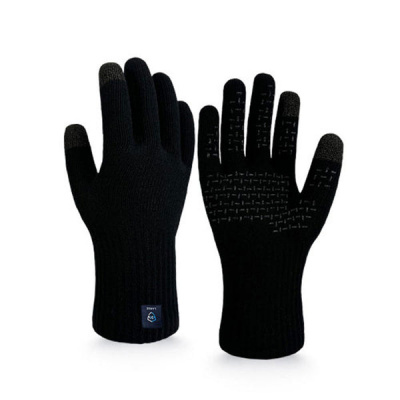
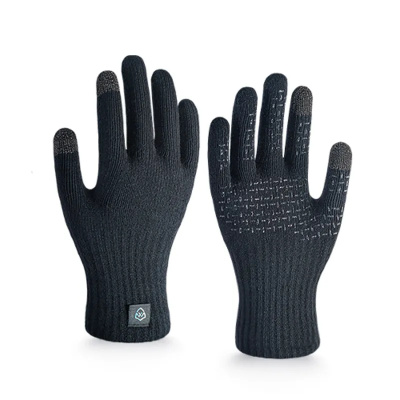
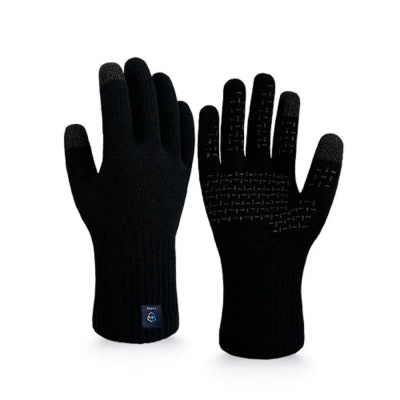
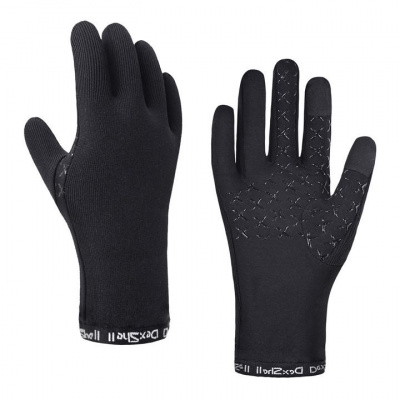
The range spans from lightweight waterproof options for shoulder-season riding through to deep-winter thermal models lined with Merino wool - so whether you're commuting through November drizzle or heading out for a big winter road day, there's a glove here that fits the brief. Silicone micro-dot grip keeps you confident on wet bars, and touchscreen-compatible fingertips mean you're not pulling a glove off every time you need your phone at a junction.
UK riding demands gloves that genuinely work when conditions turn properly grim. Dexshell's seamless waterproof technology and DEXLOK® cuff system are designed with exactly that in mind - persistent road spray, biting wind chill on long descents, and the kind of British winter that doesn't let up for months.
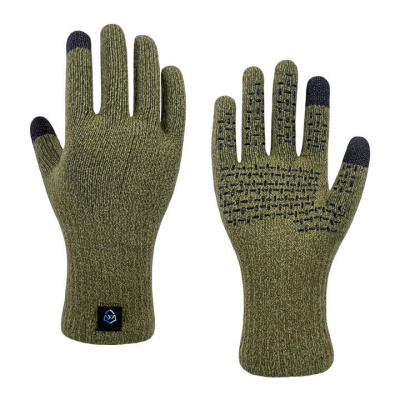
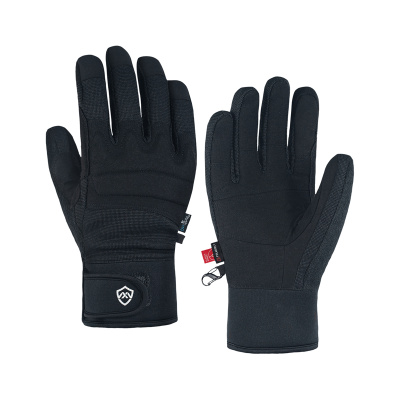
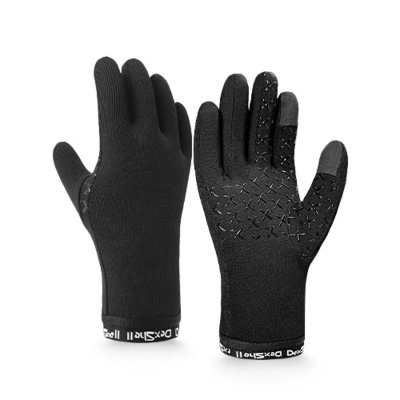
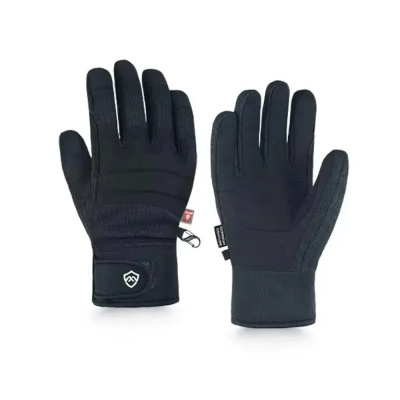
Prices and availability can change quickly. Delivery charges are not always included in listed prices.
Final price, stock status and delivery terms are set by retailer. We may receive a commission on purchases made.
The Porelle® Membrane: How Dexshell Actually Keeps Water Out
Most waterproof gloves fall into one of two camps: they keep rain out but cook your hands, or they breathe reasonably well but let moisture creep in after an hour. Dexshell's three-layer seamless construction is designed to sidestep both problems. The outer shell handles abrasion and wind, the hidden Porelle® waterproof breathable membrane blocks incoming water completely, and the inner lining manages moisture against your skin. Three layers, bonded together without the seams that let water wick through on cheaper options.
The Porelle® membrane is the key component. It's a microporous film that water droplets physically cannot pass through - they're too large - but sweat vapour molecules are small enough to escape outward. On a steady-effort club run that works fine. On a steep climb where your heart rate spikes, you'll notice the difference between a membrane that actually breathes and one that traps everything. Dexshell gloves won't turn your hands into a sauna, though no glove is entirely heat-neutral at high intensity.
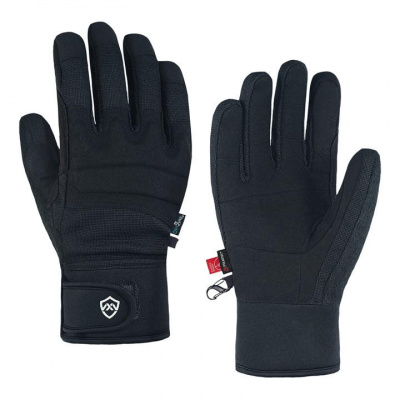
Winter-specific models in the range, including the Dexshell ThermFit Neo gloves, add a Merino wool terry loop inner. Merino regulates temperature actively - it insulates when you're cold and moves moisture when you're working hard. It also resists odour better than synthetic alternatives, which matters when you're pulling the same gloves on for back-to-back winter rides. Windproof performance is total; the membrane handles that as a by-product of blocking water.
Range Overview and Getting the Fit Right
Dexshell's cycling glove lineup isn't a one-size-fits-all approach. At the lighter end, the Dexshell StretchFit gloves suit riders who want waterproof protection without the bulk - useful from autumn through early spring when temperatures haven't fully dropped. Step up to the Dexshell ThermFit Neo gloves and you're getting serious thermal depth via that Merino wool lining, which is the right call for proper cold-weather riding where temperatures are sitting at or below five degrees.
Fit is worth thinking about carefully. Because the three-layer waterproof construction adds material, these gloves have noticeably less stretch than a standard knit cycling glove. They're not stiff exactly, but they don't mould to your hand the same way a thin liner glove does. If you're sitting between sizes on the Dexshell sizing guide, go up. A slightly roomier fit traps a thin layer of warm air around your fingers, which is genuinely useful for insulation - snug to the point of compressing that air layer and you lose some of that thermal benefit.
Silicone micro-dot grip profiles on the palm and fingers give you purchase on wet bar tape or grips without adding unnecessary bulk. Touchscreen compatibility on the fingertips is a practical detail - useful at junctions, at the cafe stop, or when you need to check a route. Riders looking at alternatives from Gore Bike Wear gloves or GripGrab gloves will find comparable waterproof claims, but Dexshell's seamless membrane construction is a genuine point of difference in how consistently it performs over a full winter's riding. Endura gloves offer strong UK-focused options too, though their waterproofing typically relies on DWR-treated shells rather than a bonded membrane layer.
Wearing and Looking After Dexshell Gloves
How you put these gloves on matters as much as the gloves themselves. Always tuck the glove cuff under your waterproof jacket sleeve - not over it. Water running down your arm will pool straight inside the glove cuff if the sleeve sits on top, and no membrane in the world stops that. The DEXLOK® technology on the cuff helps resist water ingress at the wrist, but it works best when you're not channelling a stream directly into it. Small detail, big difference on a four-hour winter ride in the Peak District.
Washing these gloves incorrectly will permanently damage the Porelle® membrane, and that damage is irreversible. Machine wash at a maximum of 40°C or hand wash - either is fine. Never use fabric softener; it clogs the membrane's micropores and kills breathability. When it comes to drying, turn them inside out and drip-dry naturally. No radiators, no direct heat, no tumble dryer. Heat melts the membrane layer and once it's gone, the glove is just a glove-shaped wet sock. Dry them properly and they'll last multiple seasons without losing performance.
To complete your wet-weather setup, Dexshell overshoes use the same Porelle® membrane technology and pair logically with the gloves for consistent waterproof coverage from foot to hand. It's the kind of combination that makes a January ride in the Brecon Beacons feel manageable rather than punishing.
Frequently Asked Questions
Are Dexshell gloves actually 100% waterproof?
Yes. The Porelle® membrane completely blocks water penetration, and the seamless construction removes the stitch lines that typically let moisture through. The one caveat: water running down your sleeve will bypass the glove entirely if you don't tuck the cuff underneath your jacket. Sort that and your hands stay dry.
How do I wash and dry Dexshell waterproof gloves?
Machine or hand wash at 40°C maximum, no fabric softener. Turn them inside out to dry and leave them somewhere with airflow - no radiators, no direct heat of any kind. Heat damages the Porelle® membrane permanently and can't be undone. Done right, washing won't affect waterproof performance.
Do Dexshell gloves fit true to size for cycling?
Broadly yes, but the three-layer membrane construction reduces stretch compared to a standard knit glove. If you're on the border between two sizes, go up. A slightly roomier fit keeps a thin insulating air pocket around your fingers, which genuinely helps on cold days.
Dexshell Gloves FAQs
Are Dexshell gloves actually 100% waterproof?
Yes. The Porelle® membrane blocks water completely, and the seamless construction removes the stitch lines that let moisture through on most gloves. The one thing to get right: tuck the glove cuff under your jacket sleeve so water running down your arm doesn't pool inside the cuff and bypass the membrane entirely.
How do I wash and dry Dexshell waterproof gloves?
Wash at 40°C maximum - machine or hand wash both work. Skip the fabric softener; it clogs the Porelle® membrane and kills breathability. To dry, turn them inside out and drip-dry naturally with airflow. No radiators, no tumble dryer. Direct heat melts the membrane layer and the damage is permanent.
Do Dexshell gloves fit true to size for cycling?
Generally true to size, but the three-layer waterproof construction offers less stretch than a standard knit glove. If you're sitting between sizes, size up. A slightly roomier fit traps a thin layer of warm air around your fingers, which makes a real difference on cold rides.