
Decathlon Sunglasses
Decathlon cycling sunglasses punch well above their price point - and if you've ever turned up to a sportive squinting into low morning sun with fogged-up lenses, you'll know how much that matters. Decathlon's eyewear splits into two clear camps: Van Rysel for road riders who want a clean, aero-focused wraparound frame, and Rockrider for trail riders who need something that stays put when it gets rowdy. Both ranges cover the fundamentals - UV400 protection, polycarbonate lenses, and lightweight frames - at a price that doesn't require a second mortgage.
UK riding throws a lot at your eyewear. You might roll out under flat grey skies and hit blinding low sun by mile ten, or crawl up a humid Welsh climb with your lenses completely steamed over. That's why the more versatile options in the range use photochromic technology - lenses that shift across light categories as conditions change - alongside anti-fog coatings and vented frames to keep your vision clear whatever the weather decides to do. Whether you're commuting through Bristol or riding the Tweed Valley on a blustery Saturday, there's a Decathlon option worth looking at.
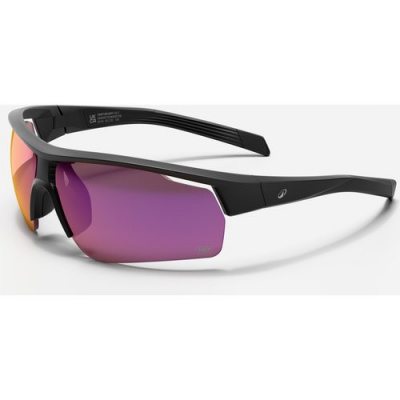
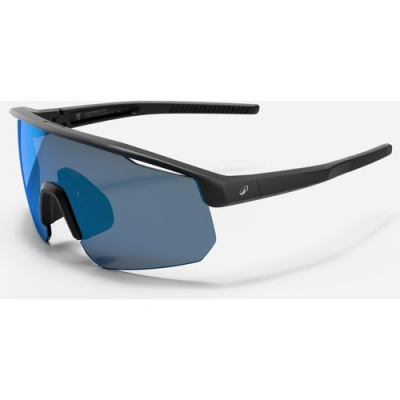
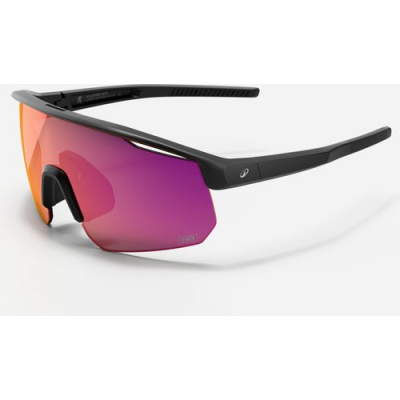
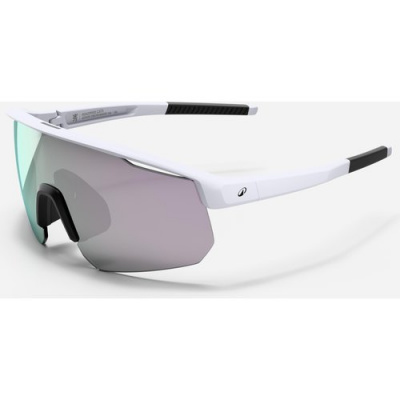
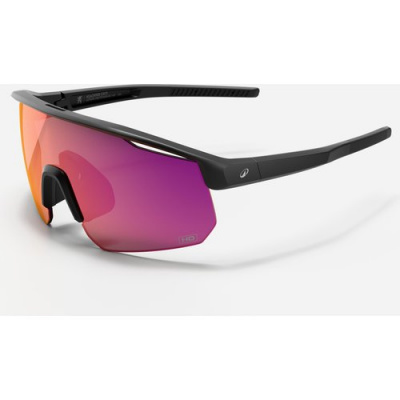
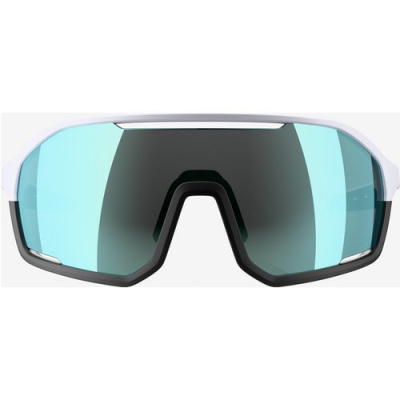
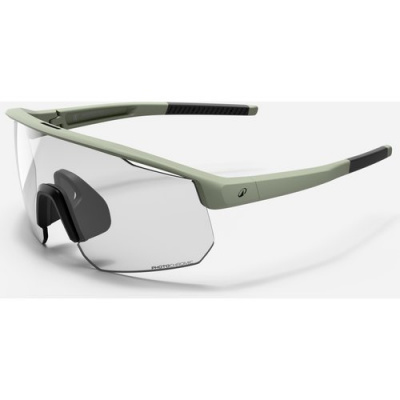
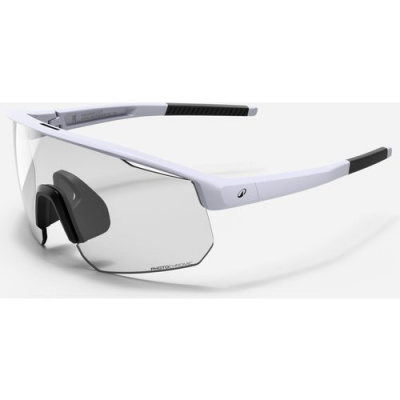
Prices and availability can change quickly. Delivery charges are not always included in listed prices.
Final price, stock status and delivery terms are set by retailer. We may receive a commission on purchases made.
Lens Tech and How It Handles UK Light
The core of any cycling glass is the lens, and Decathlon leans heavily on polycarbonate across the range. It's light, impact-resistant, and takes optical coatings well - the same material you'll find in glasses costing three times as much from Oakley or 100%. For bright summer days - think a full-sun Peak District road ride - a fixed category 3 lens does the job cleanly, cutting glare without washing out contrast. But fixed tints are a commitment; slap a cat 3 lens on under overcast Scottish skies and you're riding in a tunnel.
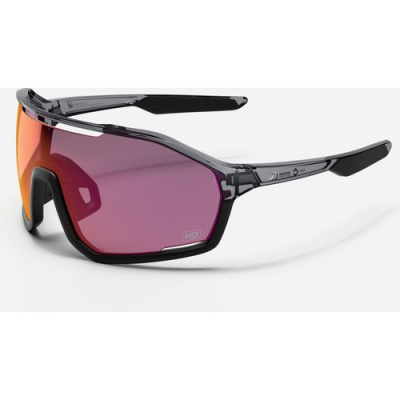
That's where photochromic technology earns its keep. Decathlon's photochromic options cover a Category 0 - 3 range, meaning the lens reads ambient light and adjusts its tint accordingly - from near-clear indoors or under heavy cloud, right up to a proper dark tint in full sun. For UK riding, where you can get all four seasons in a single Surrey Hills loop, that adaptability is genuinely useful rather than just a spec-sheet talking point. Visible Light Transmission (VLT) is the number to watch: higher VLT means more light gets through, which is what you want on a grey November morning. Some Decathlon photochromic lenses also feature HD contrast enhancement, which deepens definition on rooty, shadowy singletrack - useful when you're trying to read a wet trail at speed.
Anti-fog performance is the other thing worth checking. Decathlon uses a combination of anti-fog coatings on the inner lens surface and strategic frame venting to keep air moving across the lens. On a long drag up something like Bwlch y Groes - slow speed, high effort, high humidity - that venting makes a real difference. The coating matters too; more on keeping it intact in the maintenance section below.
Van Rysel, Rockrider and Where Triban Fits In
Decathlon's range is tidier than it looks once you understand the sub-brand logic. Van Rysel is the road-focused line - frameless or half-frame designs, a close-to-face wraparound frame profile, and a generally lower weight. The frameless construction maximises your field of view, which matters when you're tucked on the drops and scanning for traffic. Adjustable nose pads and gripper arms on higher Van Rysel models let you dial in the fit properly, which is more than you get from a lot of single-size road glasses at this end of the market.
Rockrider goes the other way - full-frame builds, wider coverage, and frames made to take a knock without cracking. The TR90 nylon used in Rockrider frames is flexible under impact rather than brittle, so if your glasses go flying into a boulder on a Gisburn Forest descent, they're more likely to bounce than shatter. Interchangeable lenses feature across several Rockrider models, letting you swap between a clear lens for dawn starts and a tinted lens mid-ride without needing a second pair in your rucksack. That's a practical win for all-day trail rides where the light shifts dramatically.
Triban sits in the middle - less race-focused than Van Rysel, more road-oriented than Rockrider. If you're commuting or doing relaxed weekend miles rather than chasing KOMs, Triban glasses offer a more upright, comfortable fit that works well with a helmet rather than optimised around an aero tuck. Compared to Endura or Madison at a similar price, the Triban range holds its own on lens quality and frame comfort, though the fit options are narrower.
Across all three lines, look at the nose pad and arm grip when you're choosing. Gripper rubber on the arms becomes essential on a sweaty climb - without it, glasses creep down your nose at the worst possible moment. Higher-spec Van Rysel and Rockrider models include this; entry-level options sometimes don't, so it's worth checking before you buy.
Keeping Your Lenses in Good Shape
Polycarbonate scratches easier than glass, which is the trade-off for its lightness and impact resistance. The main rule: never wipe a dry lens with anything other than a dedicated microfibre cloth. Grit on a jersey sleeve will score the lens surface in a single wipe. Rinse with clean water first if there's any debris, then a drop of mild soap and a gentle wipe with the cloth that came in the box. That's it. Harsh chemicals, alcohol wipes, or anything with solvents will strip the anti-fog coating off the inner surface - and once that's gone, it's gone.
Storage matters more than most people think. Loose in a jersey pocket alongside keys and a gel wrapper is a reliable way to ruin a lens inside a month. A hard case is the move - particularly if your glasses are going in a rucksack on a trail day or strapped into panniers on a commute. Most Decathlon glasses come with a soft pouch rather than a hard case, so it's worth picking up a rigid case separately if you're not careful with kit.
On Decathlon photochromic cycling glasses specifically: photochromic performance degrades over time, especially if the lens is regularly exposed to chemicals or stored somewhere warm. Keep them out of a hot car glovebox, and the tint-change response will stay sharp for longer. Don't forget to check your lights are charged for early-morning or evening rides where the glasses are borderline useful - the two go together more than people plan for.
Decathlon Sunglasses FAQs
Are Decathlon cycling glasses good for the money?
Genuinely, yes. The TR90 frames and polycarbonate lenses Decathlon use are the same materials you'll find in glasses at much higher prices. Full UV400 protection, decent optical clarity, and solid build quality across the Van Rysel and Rockrider ranges - you're not compromising on the fundamentals to save money here.
What is the difference between Van Rysel and Rockrider glasses?
Van Rysel is built around road riding - lightweight, often frameless, with a close-fitting wraparound profile for an aero position. Rockrider uses full frames and tougher TR90 construction designed to handle trail debris and the odd crash. If you're on tarmac, go Van Rysel; if you're in the woods, Rockrider is the right call.
How do I choose the right lens category for UK winter riding?
In dark, overcast conditions - which describes most UK winter rides - you want Category 0 (clear) or Category 1 (light yellow tint) to keep visibility high while still blocking wind and grit. A photochromic lens covering Category 0 - 3 is the most flexible option if your rides regularly shift between grey mornings and occasional bright spells.