
100 Percent Sunglasses
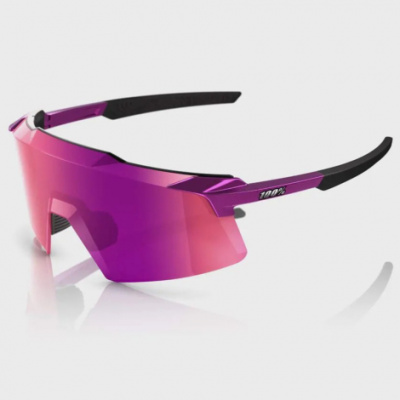
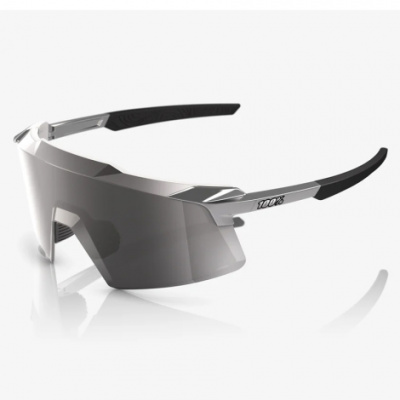
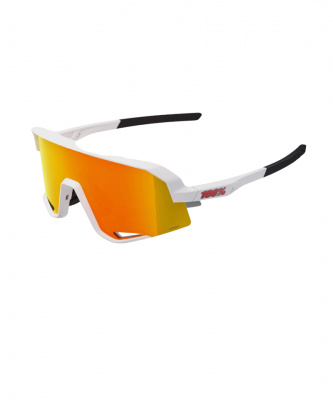
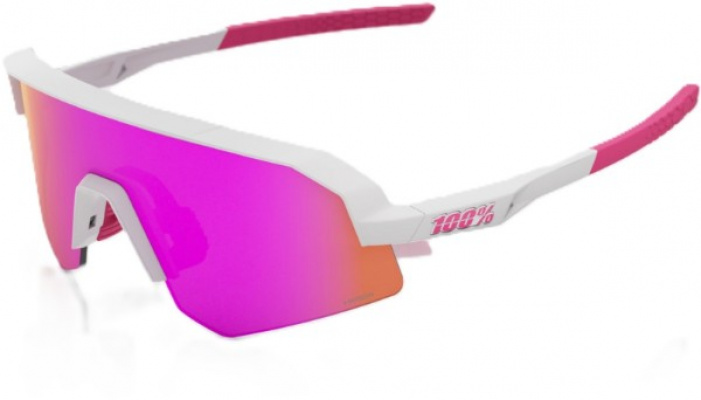
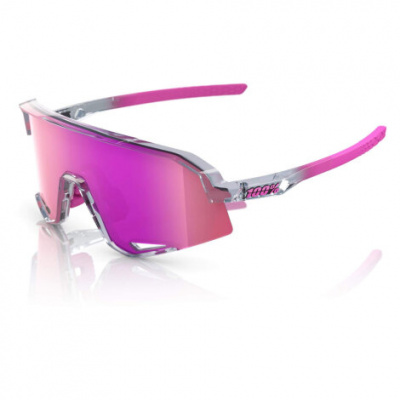
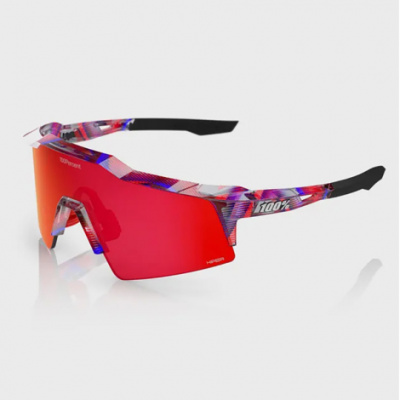
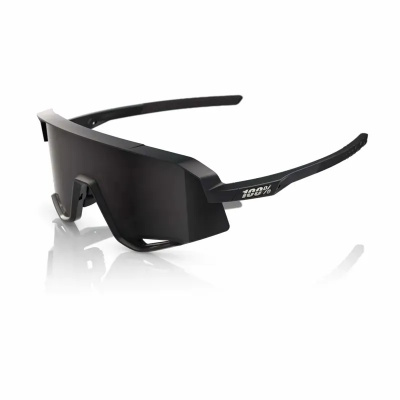
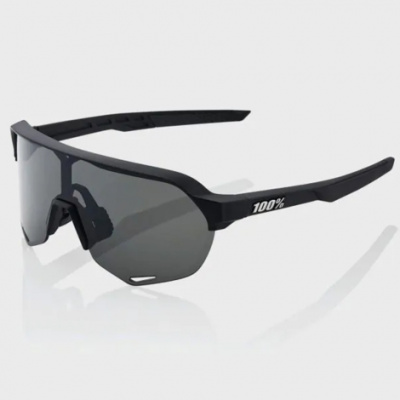
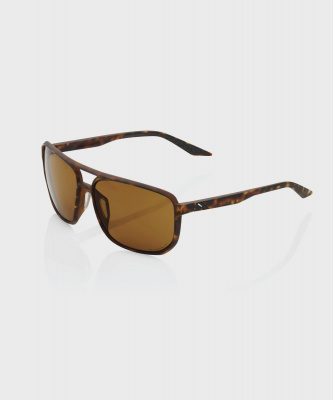
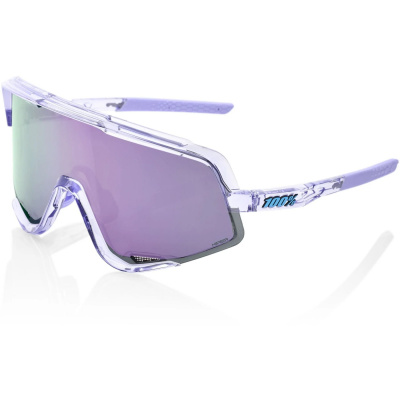
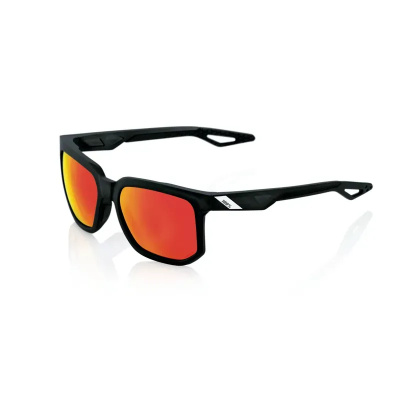
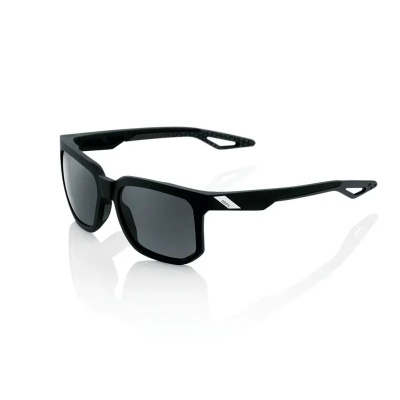
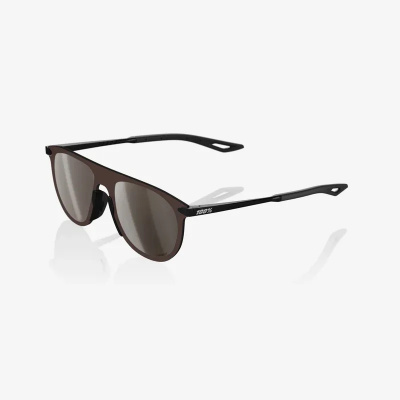
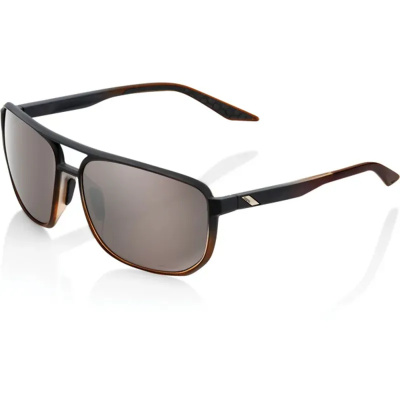
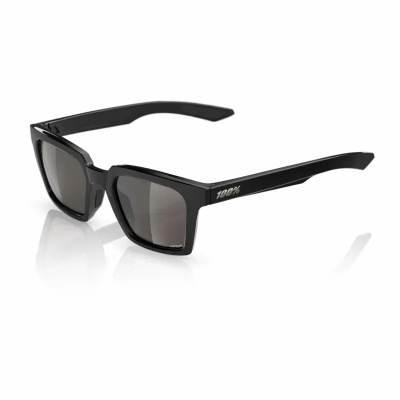
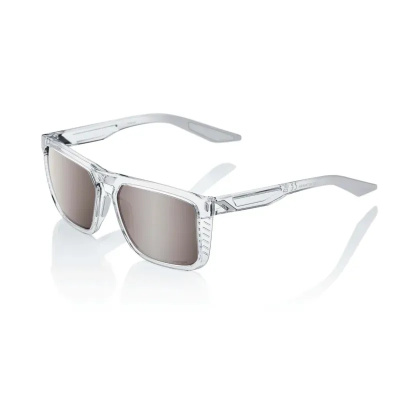
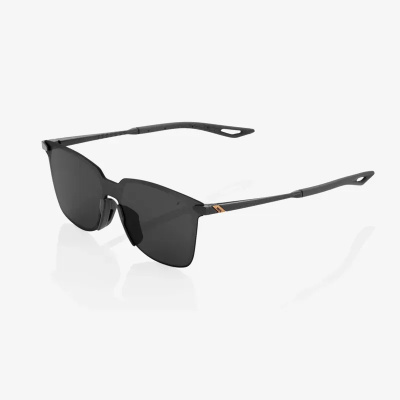
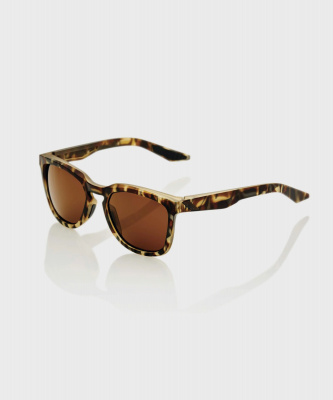
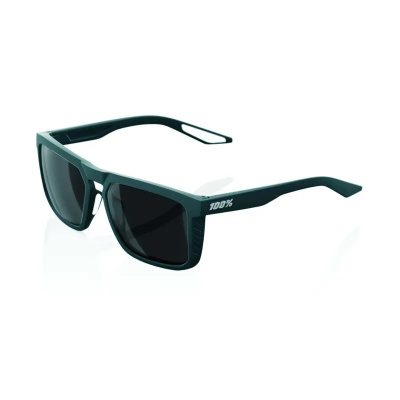
100% Cycling Sunglasses started life in the dirt and dust of motocross before making their way onto the faces of WorldTour riders and weekend warriors alike. That crossover shows in every detail: wide cylindrical shields that push your field of view well beyond what conventional frames offer, shatterproof TR90 Grilamid frames that flex rather than crack when a branch catches you off guard, and ultra-grip rubber nose pads that keep everything in place however hard you're breathing. Whether you're picking a line through rooty singletrack or hammering into a headwind on the open road, the coverage is serious.
What makes them genuinely useful for UK riding is the lens range. HiPER lens technology sharpens contrast in flat, grey light - the kind of conditions that make potholes and root clusters practically invisible with lesser glasses. Add UV400 protection as standard and you've got eyewear that works in January drizzle and rare June sunshine without swapping cases. Most models also come with interchangeable lenses, so you're not locked into one tint for the whole year. Secure fit, meaningful optics, and a frame that survives real riding. That's the short version.
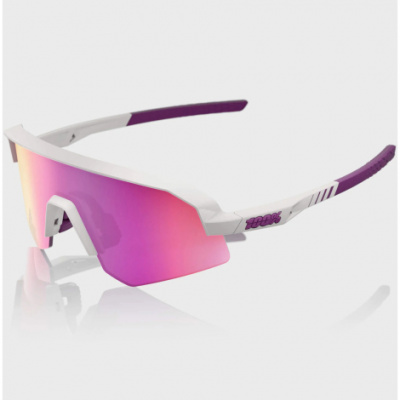
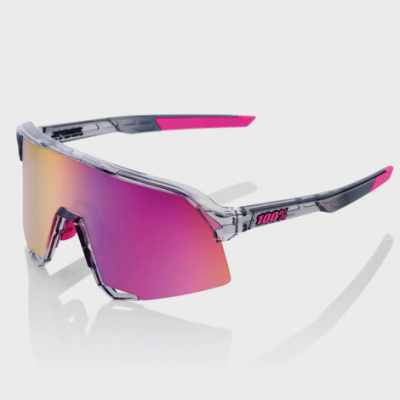
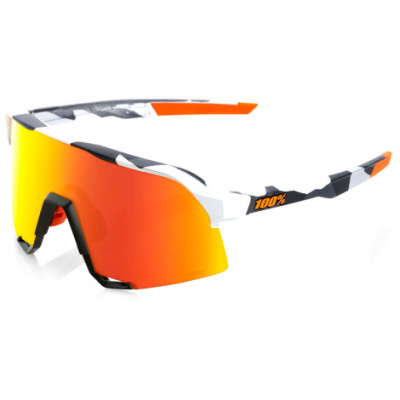
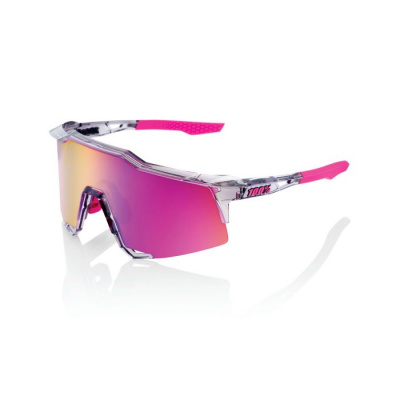
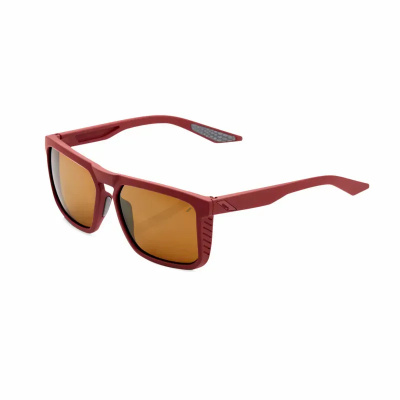
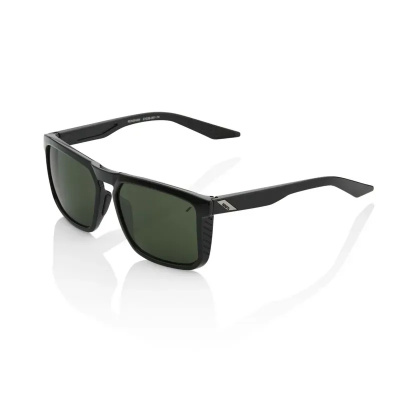
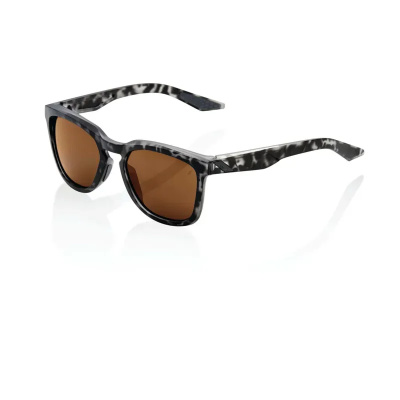
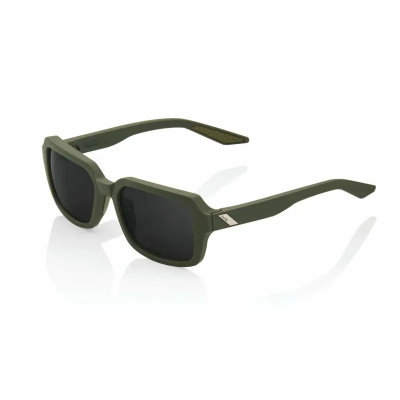
Prices and availability can change quickly. Delivery charges are not always included in listed prices.
Final price, stock status and delivery terms are set by retailer. We may receive a commission on purchases made.
Lens Tech and How It Performs in UK Conditions
British light is awkward. You can drop into a tree-lined descent in bright sun and come out the other side into a flat grey overcast within seconds. HiPER lens technology is specifically designed for exactly this kind of contrast hunting - it amplifies colour separation so roots, wet rocks, and road surface changes register clearly rather than blending into a uniform murk. On a Surrey Hills bridleway or a Peak District lane with dappled tree cover, that matters more than raw tint darkness.
The hydrophobic and oleophobic coatings on 100% lenses are worth talking about practically. In wet conditions, water beads off rather than smearing across your vision in sheets. Mud and grit from a following wheel don't stick the way they do on uncoated lenses - a quick wipe with the microfibre bag clears things up rather than grinding the dirt in. Scratch-resistant coatings back all of this up, so the lenses stay usable through a full season of real riding rather than developing that milky haze.
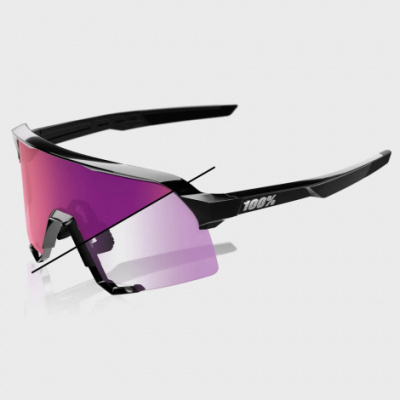
Fogging is the other UK-specific problem, particularly on long, slow climbs where humidity builds and airflow drops off. 100%'s frame geometry incorporates ventilation scoops - channels cut into the lens surround that draw air across the inside face of the lens without creating a draughty gap around the brow. It's the kind of detail you appreciate on a wet Welsh valley climb rather than a breezy Alpine descent. 100% photochromic cycling glasses are also available in the range for riders who want automatic tint adjustment without carrying a spare lens in their back pocket.
Frame Models and Who They Suit
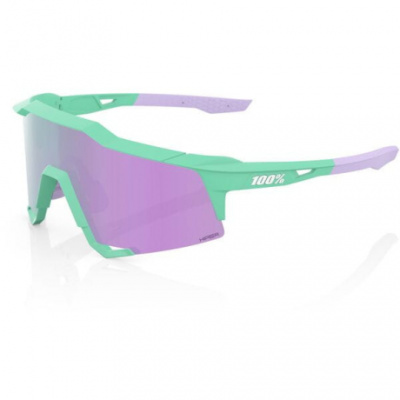
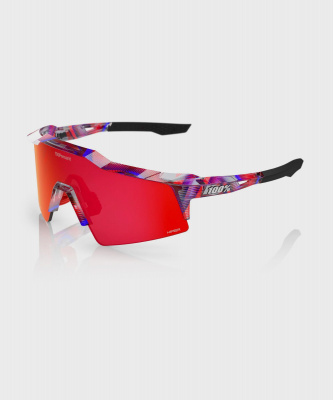
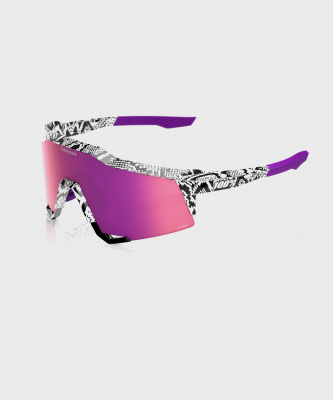
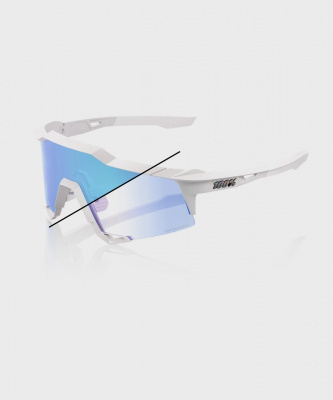
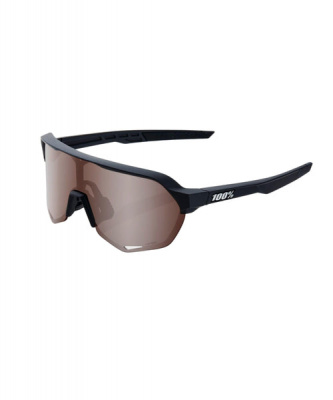
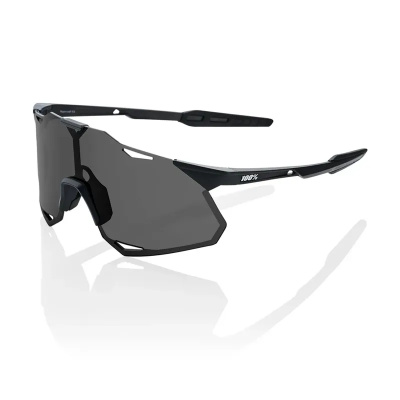
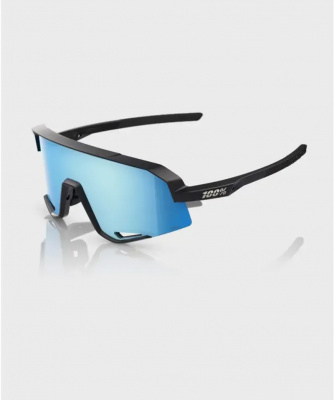
The Speedcraft is the flagship. It has the tallest lens in the range - a full cylindrical shield that wraps from brow to cheekbone and gives you the widest possible vertical field of view. The top-corner ventilation scoops are most prominent here, which makes it the natural choice for road riders and XC racers spending long hours in an aerodynamic position. The coverage is aggressive, and it looks the part on a road-focused build.
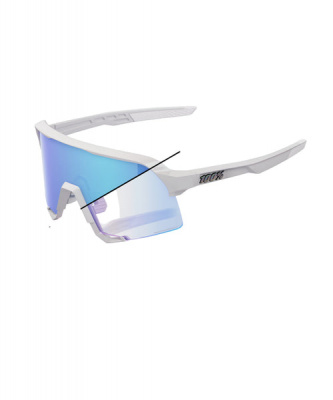
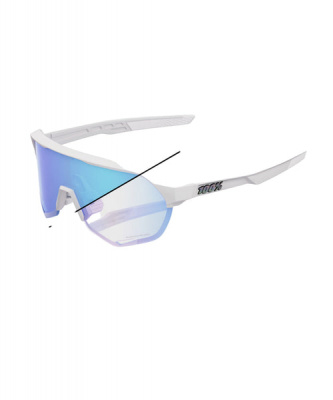
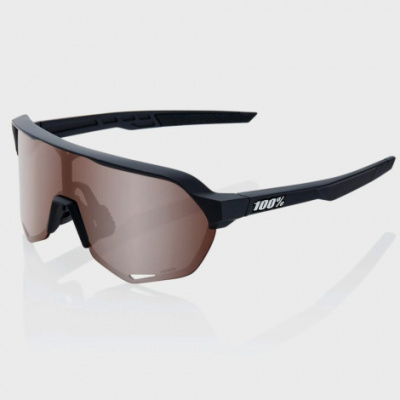
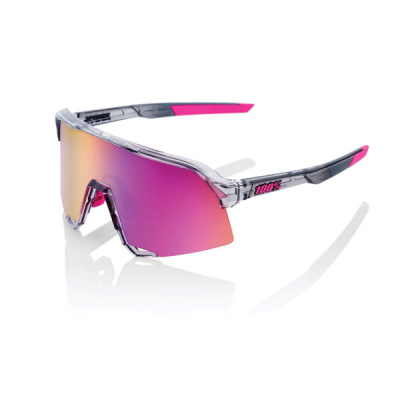
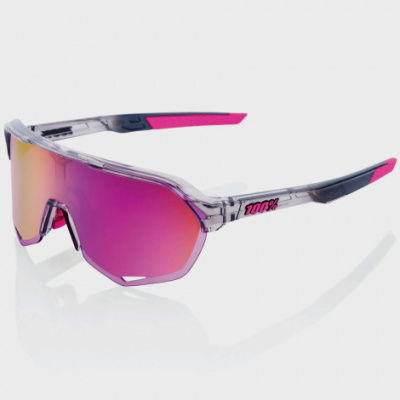
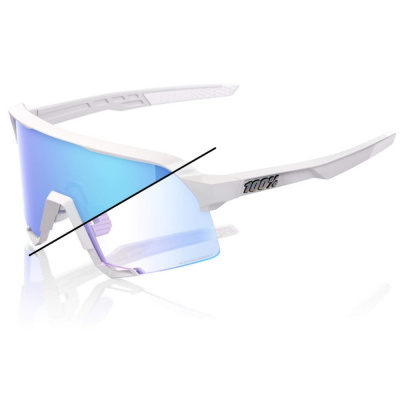
The S3 sits between the Speedcraft and the smaller S2 - it takes the Speedcraft's brow line and pairs it with the slightly softer lower frame profile of the S2. The result is a frame that suits a wider range of face shapes and feels slightly less all-in for riders who want capable eyewear without the full race aesthetic. If the 100% Speedcraft vs S3 question is holding you up, think of it this way: the Speedcraft is max coverage for a forward-riding position, the S3 is the more versatile everyday option that still performs properly. The S2 itself trims things down further for a cleaner, less angular look while keeping the TR90 frame construction and rubber grip points.
All three share the same core build quality: TR90 Grilamid frames that are both lightweight and genuinely shatterproof, with rubber nose pads and temple tips that grip rather than slide. If you run glasses in a jersey pocket or a pack and pull them out to find them slightly twisted, TR90 flexes back to shape. That's not marketing - it's a material property that matters when you're not treating your kit carefully mid-ride.
For 100% MTB sunglasses use, the S3 and Speedcraft both work well. The wide lens keeps peripheral vision open for reading trail features, and the grip touchpoints handle the vibration and movement of rough ground. If you're on a full-face lid with a visor, check the arm clearance before committing - most 100% frames run a straight, long arm that needs a bit of room. Riding full-face? Check out our dedicated 100% Goggles page. Need a fresh lens? Head over to our Sunglasses and Goggle Spares section.
Helmet Fit and Looking After the Lenses
The long, straight arms on most 100% frames are designed to slide cleanly through helmet retention webbing rather than catch on it. In practice this works well with most modern road helmets - you get a clean line without the frame sitting proud and wobbling. With MTB lids, it depends on the retention system. Dial-fit systems with a low cradle can sometimes trap the arm tips awkwardly, so it's worth threading the arms through the webbing rather than just hooking them over. Takes five seconds and makes a noticeable difference to stability on rougher ground.
If you're running a 100% helmet, the integration is designed to work together from the start - same brand geometry means the arms sit exactly where they're supposed to without any fiddling.
Lens care is simple but easy to get wrong. The hydrophobic coating degrades faster if you use harsh detergents or anything abrasive. Use the provided microfibre bag - dry or with a small amount of lens-specific cleaner - and avoid kitchen roll or jersey fabric, which both leave micro-scratches over time. Rinse mud off with clean water before wiping rather than dragging grit across the coating. These lenses are durable, but they're not indestructible, and basic care keeps them performing properly for multiple seasons.
If you want to compare how 100% stacks up against other quality optics in the same price bracket, Oakley sunglasses and KOO sunglasses are worth a look - both offer strong lens tech and wide-coverage frames, though fit profiles differ enough that it's worth trying each on if you can. For 100% road cycling eyewear, the Speedcraft in particular competes directly with Oakley's Sutro and Jawbreaker in terms of coverage and aero intent. Round out your kit with 100% jerseys or MTB baggy shorts if you're building a full setup.
100 Percent Sunglasses FAQs
Are 100% sunglasses good for cycling?
Yes - they're well regarded across road and MTB riding for their wide field of view, shatterproof TR90 frames, and ultra-grip rubber contact points that keep them planted even on rough ground. The HiPER lens technology is genuinely useful in variable UK light, picking out contrast where cheaper optics flatten everything out.
What is the difference between 100% Speedcraft and S3?
The Speedcraft has the tallest lens in the range - maximum vertical coverage with prominent ventilation scoops, designed for a low, aggressive riding position. The S3 takes the Speedcraft's brow shape but pairs it with the softer lower frame of the S2, giving a slightly more versatile fit across different face shapes without sacrificing meaningful coverage.
Do 100% sunglasses come with clear lenses?
Most premium 100% models include a secondary clear lens in the box alongside the primary tinted or HiPER lens. That makes them genuinely year-round eyewear - swap to clear for dark winter mornings or night rides, and back to tinted when the sun actually shows up.