
Decathlon Commuter And Hybrid Tyres
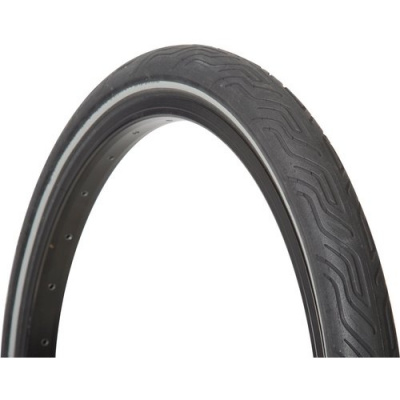
Decathlon Hybrid & Commuter Tyres deliver fit-and-forget reliability for riders who need rubber that shrugs off broken glass, wet roundabouts, and the occasional towpath detour without drama. The range spans budget-friendly B'Twin essentials through to performance-oriented Riverside hybrid bike tyres, each engineered around puncture protection layers that run from 1mm reinforcement in entry models to 5mm bead-to-bead grids in the flagship options. You're looking at 700c puncture resistant tyres with tread patterns designed for wet tarmac grip and enough volume - typically 32mm to 42mm - to cushion potholes without sacrificing rolling resistance. Whether you're threading through Manchester traffic or linking canal paths in the Midlands, Decathlon city bike tyres balance durability with efficiency. Wire beads keep costs down and resist damage from kerb strikes, while reflective sidewall strips add visibility when the commute stretches into dusk. It's practical rubber that works.
Prices and availability can change quickly. Delivery charges are not always included in listed prices.
Final price, stock status and delivery terms are set by retailer. We may receive a commission on purchases made.
Sizing Decoded: ETRTO and TPI Explained
Before you click buy, check your current sidewall for the ETRTO number - something like 37-622 or 40-622. The first figure is width in millimetres, the second is the bead seat diameter. That 622 is your 700c rim; match it exactly. The width? You've got wiggle room, but only if your frame and fork allow it. A 37mm tyre will fit most hybrids; a 42mm might rub chainstays on older frames with tight clearances.
TPI - Threads Per Inch - tells you about casing suppleness. Lower TPI, say 33 to 60, means a tougher, thicker casing that resists cuts from urban debris. Higher TPI casings flex more, offering a suppler ride, but they're less common in commuter rubber because durability trumps comfort when you're dodging potholes on the A6. Decathlon's B'Twin trekking tyres typically sit in the 50-60 TPI range, striking a balance between cut resistance and ride quality. If you're chasing outright speed, look elsewhere; if you want to avoid flats, this is the sweet spot.
Matching Rubber to Rims and Frames
Wire bead or folding bead? Wire beads are heavier but cheaper, and they're the default on most Decathlon commuter tyres. They're also tougher - less prone to damage if you're wrestling tyres on and off in a hurry. Folding beads save a few grams and pack down for spares, but unless you're carrying a spare tyre on a tour, the weight difference won't register on your commute.
Rim internal width matters more than most riders realise. A 19mm internal rim pairs happily with a 35mm tyre; a 23mm internal rim can handle 40mm and beyond. Too narrow a rim on a wide tyre and you'll get a lightbulb profile that corners poorly and pinch-flats easily. Too wide a rim on a narrow tyre and the casing won't seat properly. Most hybrid rims sit between 19mm and 21mm internal, so a 35mm to 40mm tyre is your safe zone. Check fork crown and chainstay clearance too - especially if you're running mudguards. You'll want 4mm minimum clearance all round to avoid mud packing in wet conditions. Decathlon saddles might be sorted, but a seized tyre rubbing your stays will ruin any ride.
Wet Weather Grip vs. Rolling Speed
Tread patterns split into two camps. Smooth centres with minimal tread roll faster on dry tarmac and reduce rolling resistance - ideal for summer commutes where speed matters. Siped shoulders, those little cuts in the rubber, channel water away when you're leaning through wet corners or braking on painted road markings. All-weather commuter tyres blend both: a slick centre stripe for efficiency, siped edges for grip when it's chucking it down.
Compound choice shifts with the seasons. Harder compounds last longer in summer heat and resist wear on abrasive tarmac, but they can feel wooden in cold, wet conditions. Softer, hydrophobic compounds grip better when temperatures drop below 10°C, though they'll wear faster if you're racking up miles. Decathlon's Riverside range often uses dual-compound construction - harder in the centre for longevity, softer on the shoulders for cornering bite. It's a sensible compromise for UK riders who face drizzle in July and ice in January. If you're commuting year-round, look for tyres with reflective sidewall strips and enough tread to clear standing water without adding drag. A 35mm tyre with a light file tread will handle most of what a Birmingham or Bristol commute throws at you, from wet cycle lanes to the odd gravel shortcut.
Decathlon's In-House Development: B'Twin and Riverside
Decathlon designs and tests its tyres at the B'Twin Village in Lille, running prototypes through urban obstacle courses and wet-braking rigs before they hit shelves. The Protect+ puncture protection layer - found across B'Twin and Riverside ranges - is a reinforced strip beneath the tread, typically 1mm to 5mm thick depending on the model. It's not a magic shield, but it does stop most glass shards and thorns before they reach the inner tube or tubeless casing. HardSkin takes it further with a bead-to-bead protection grid, covering sidewalls as well as the crown - useful if you're brushing kerbs or riding through construction zones.
E-bike ready compounds are another in-house tweak. E-25 rated tyres handle the extra torque and weight of electric hybrids without the casing deforming or overheating on long descents. Skinwall technology shaves grams by thinning the sidewall rubber without compromising durability - less relevant for commuters, but it's there if you're weight-conscious. The value proposition is clear: you're getting engineering that rivals Continental commuter tyres or Michelin hybrids, but at a price point that doesn't sting when you need to replace both tyres after a winter's worth of grit and grime.
Practical Trade-Offs: What You Gain and Give Up
Decathlon's commuter tyres prioritise durability and puncture resistance over outright speed. Rolling resistance is higher than a slick road tyre, but you're not racing - you're getting to work without a flat. The wire bead adds weight, but it also means the tyre stays seated on the rim even if you clip a pothole hard. TPI sits in the mid-range, so the ride feel is firm rather than plush; if you're after supple comfort, consider wider volume or dropping tyre pressure a few PSI within the recommended range.
Tread patterns lean conservative. You won't find aggressive knobs for off-road grip, but you don't need them on tarmac and cycle paths. If your commute includes sustained gravel sections or muddy bridleways, look at the Riverside trekking range with slightly more pronounced tread. Reflective sidewalls are a nice touch for visibility, though they won't replace a good set of lights. And while Protect+ reduces flats significantly, no tyre is puncture-proof - carry a spare tube and a set of tyre levers, especially if you're venturing beyond well-maintained routes. Pair your tyres with Decathlon locks and you've got a sensible, low-fuss commuting setup that just works.