
Dakine Rucksacks
Dakine rucksacks have earned their reputation on some of the gnarliest trails on the planet, and they translate that pedigree directly to UK riding - whether that's greasy Gower singletrack, Peak District gritstone or a sodden winter commute through city traffic. The range is built around Bluesign® approved ripstop nylon and Cordura fabric, with YKK heavy-duty zippers that shrug grit and mud rather than seizing solid three miles from the van. DWR coating across the shell means light trail spray beads straight off, and several models pack a deployable rain cover for when the sky properly opens.
What separates Dakine cycling backpacks UK riders keep coming back to is the carry system. Dedicated tool organisers, external straps sized for full-face helmets and knee pads, and compatibility with the CE-certified DK Impact Spine Protector make these bags genuinely self-sufficient load carriers rather than glorified bum bags on shoulder straps. Reflective detailing and integrated safety light loops are standard across the range - useful when November arrives and daylight becomes a scarce resource.
Not after a full rucksack? If you just want a water bladder on your back, our Dakine Hydration Packs page is the better starting point. Prefer to ditch the shoulder straps altogether? Head to Dakine Hip Packs for minimal-carry options.
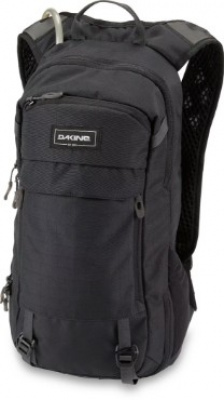
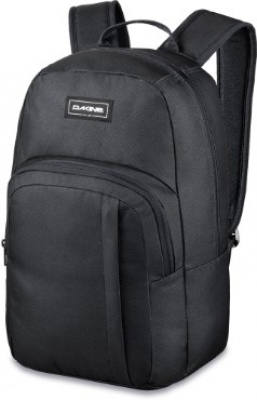
Prices and availability can change quickly. Delivery charges are not always included in listed prices.
Final price, stock status and delivery terms are set by retailer. We may receive a commission on purchases made.
Fit, Capacity and Carrying Standards
Getting the fit right matters more than most riders think. Dakine sizes their harness systems by torso length, not just bag volume, so check the measurement from your C7 vertebra to the top of your hip bone before you buy. A correctly sized bag sits the load against your back rather than pulling away from it on steep descents - the difference between a bag that stays planted over a rock garden and one that swings around like a pendulum on Afan's black runs.
The sternum strap and padded waist belt work together to lock the load in place. Snug both up before you drop in. The waist belt isn't decorative on the bigger packs - it transfers a meaningful chunk of weight off your shoulders and stops the bag pivoting when you weight the front wheel hard. Breathable air mesh back panels keep a channel of airflow between the bag and your back, which counts for a lot on long climbs even in British weather.
The DK Impact Spine Protector slots directly into a dedicated sleeve in the back panel on compatible models. It carries CE EN 1621-1 certification for shock absorption, which is a meaningful standard rather than a marketing badge. It's a straightforward upgrade if your chosen model ships without one fitted. External carry straps on the larger bags are sized to take a full-face helmet or a set of knee pads, so you're not stuffing armour inside the main compartment and losing space for a spare tube and a rain jacket. Several models also include a dedicated sleeve for an e-bike spare battery - worth knowing if you're running a long-range setup and want the weight centralised rather than in a frame bag.
Dakine Rucksack Hierarchy: Drafter vs Seeker vs Syncline
Three tiers cover most UK riders' needs, and the differences between them are specific enough to be worth unpacking properly.
The Dakine Drafter is the gravity-focused workhorse. It's built around maximum back protection compatibility and a tool organisation system that makes sense mid-ride - zipped pockets positioned so you can actually get to a tyre lever without unpacking the whole bag. The fabric denier is heavier than the Syncline, which matters when you're dragging through gorse or dropping the bag on sharp limestone. If your riding is predominantly lift-assisted or you're heading to a trail centre where you'll be dinging off trees, this is the one.
The Dakine Seeker sits at the premium end. The weather resistance is a step up - more robust DWR coating, a deployable rain cover included rather than optional, and construction details that keep the contents genuinely dry during prolonged Scottish downpours rather than just light trail spray. The Seeker suits riders doing multi-hour missions where the weather can turn properly nasty and a damp spare layer is a real problem rather than a mild inconvenience. It's heavier than the Syncline, but the trade-off is durability and weather protection that holds up season after season.
The Dakine Syncline is the everyday trail pack - lighter, with a suspended air mesh back panel that maximises ventilation on warm days, and a cleaner organisation system suited to riders who aren't carrying a workshop's worth of tools. It's the bag for three-hour trail loops where you want water, snacks, a rain jacket and basic tools without unnecessary bulk. Against alternatives like CamelBak rucksacks or EVOC rucksacks, the Syncline is competitive on ventilation and organisation, though EVOC's back protector integration is arguably more seamless at this tier. Deuter rucksacks offer a comparable carry system and are worth comparing if comfort on longer days is your priority. The Seeker justifies its price premium over all three through superior weatherproofing; the Drafter through tougher materials and protection compatibility.
Pair whichever bag you choose with Dakine gloves - it's a practical combination that covers hands and kit from the same durability-focused range.
UK Durability and Maintenance: Beating the Mud
British riding is hard on gear. The abrasive grit that coats everything after a wet Pennine ride works into zip teeth and gradually destroys the mechanism - not dramatically, just progressively, until the zip stops running cleanly at exactly the wrong moment. The YKK heavy-duty zippers on Dakine bags are more resistant than standard zip hardware, but they still need attention. A silicone-based lubricant run along the teeth every few rides keeps them moving freely. Avoid wax-based products - they attract grit rather than repelling it.
Washing is straightforward but the method matters. Machine washing strips the DWR coating faster than anything else, so don't do it. Hand wash with cold water and mild soap, working a soft brush gently over the fabric to lift mud from the weave without abrading the coating. Rinse thoroughly - soap residue left in ripstop nylon can degrade the fibres over time. Hang to air dry away from radiators; direct heat damages the DWR treatment and can warp the back panel structure. If you've had a heavy winter and the water is soaking in rather than beading, a spray-on DWR re-proofer restores the repellency. Apply it to a clean, damp bag and heat-activate with a warm (not hot) hairdryer for best results.
The Bluesign® approved materials and Polygiene® odour control built into the fabric help manage the inevitable post-ride smell, but airing the bag properly after every ride does more work than any treatment. Leave the zips open, shake out any debris and let it dry fully before packing it away. Five minutes in the car park saves a mouldy lining two months later. Leatt rucksacks are worth a look if integrated neck brace compatibility is relevant to your protective setup - a different use case but worth flagging for enduro and gravity riders assessing their full kit.
Dakine Rucksacks FAQs
Are Dakine rucksacks waterproof?
Dakine MTB rucksacks use a DWR coating that handles light rain and trail spray well - water beads off rather than soaking in. For sustained UK downpours, look for models with a deployable rain cover, or go straight to the Seeker series if proper weather resistance is non-negotiable.
Can you wash a Dakine cycling backpack?
Yes, but keep it out of the washing machine - the drum and heat strip the DWR coating quickly. Hand wash in cold water with mild soap and a soft brush, rinse thoroughly, then hang to air dry away from direct heat. Re-proof with a spray-on DWR treatment after a hard winter season.
What size Dakine backpack do I need for mountain biking?
For a standard two-to-three hour trail ride, a 10 - 14L bag carries tools, a spare tube, snacks and a rain jacket without bulk. Step up to 18 - 24L for all-day epics, camera gear, or if you're running an e-bike and want to carry a spare battery without it unbalancing the load.