
Leatt Rucksacks
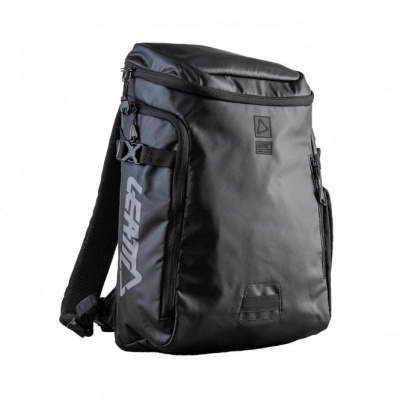
Leatt rucksacks do something most trail packs don't: they build genuine CE-certified back protection directly into the bag, so you're not choosing between carrying kit and staying safe. That's not a marketing angle - it's a structural decision that separates them from the bulk of what's on the market. The AirFit impact foam sits in the spine zone and meets either Level 1 or Level 2 certification depending on the model, meaning it's been independently tested, not just badged up. Couple that with Leatt's chest harness system - which locks the pack against your back without needing a waist belt - and you've got a bag that genuinely stays put on steep, loose descents where lesser packs start doing their own thing. Whether you're shuttling the bike park or grinding out a long Peak District loop with tools, spares and a layer stuffed in, there's a Leatt pack sized for it. The range runs from trim race-day volumes up to proper all-day haulers, and all of them share that core commitment to stability and protection. If your current pack rattles around and you've had a brush with your helmet on a rough drop, you'll understand immediately why that matters.
Prices and availability can change quickly. Delivery charges are not always included in listed prices.
Final price, stock status and delivery terms are set by retailer. We may receive a commission on purchases made.
Fit, Harness Systems and Protection Standards
The harness is where Leatt earns its reputation. Their chest harness system works by pulling the pack tight across your sternum via an adjustable sternum strap and shoulder assembly that's designed to distribute load without any reliance on a hip belt. That matters more than it sounds. On technical descents - loose Welsh slate, steep Gritstone rolls in the Dark Peak - a waist belt can dig in, restrict movement, or simply pop undone mid-run. Leatt's approach keeps the pack planted against your back through shoulder and chest contact alone, which means your hips stay free to move the bike underneath you. Getting the fit right is straightforward: set the shoulder straps so the pack sits high on your back, then dial the chest strap to the point where the shoulder straps stop angling outward. Snug, not tight. It shouldn't compress your breathing on the climb.
The AirFit impact foam sits in a dedicated spine channel and is CE certified at either Level 1 or Level 2 depending on the model. Level 1 is the baseline - adequate for most trail riding and enduro days out. Level 2 offers higher impact attenuation and is worth considering if you're racing or spending time on consequential lines where a back hit is a realistic outcome. The foam panel is removable, which matters for washing (more on that below) and means you can also upgrade or replace it independently if needed. Looking for a pack specifically designed around water carrying capacity? Head over to our dedicated Leatt Hydration Packs page for bladder-equipped models.
Leatt Rucksack Hierarchy: Cargo vs. Core
Leatt's range is structured around volume, and the choice basically comes down to how long you're riding and how much you need to carry. At the compact end, packs in the 1.5L to 3L cargo bracket are built for short, fast sessions - think bike park laps or a quick blast on your local loop where you need your phone, a bar, and maybe a mini tool. They're trim, they don't flap about, and the reduced bulk keeps them out of your way when you're throwing the bike around. If you're riding with a Leatt body armour setup underneath your jersey, a slimmer pack is usually the call.
Step up to the mid-range and you're into day-trail territory - packs that'll swallow a waterproof jacket, a full tool roll, a pump, snacks, and still leave room for a bladder sleeve. These tend to include more considered tool routing inside the main compartment, keeping your multi-tool from jabbing the same pocket as your phone. The CleanTech/TwinLite tube routing system on hydration-compatible models threads your drinking tube cleanly through the harness so it doesn't flap across your chest or catch on branches mid-trail.
At the top of the range, the larger-volume haulers - 14L and above - are for backcountry days, bikepacking overnighters, or anytime you're away from the van for a full day in the hills. These models tend to include integrated rain covers stowed in a base zip pocket, upgraded back protector levels, and more structured organisation. You pay for that extra spec in weight, but if you're out on the Galloway Forest trails in mixed weather with no bailout option, the integrated rain cover earns its keep. Compared to something like an EVOC rucksack at a similar volume, Leatt's integrated protection is a genuine differentiator - EVOC leans harder on hydration engineering, while Leatt bakes the armour in from the start.
If you're after a lighter, more trail-casual option without the protection focus, CamelBak rucksacks and Dakine rucksacks are worth a look - both offer solid hydration-first designs at various price points. But if back protection is non-negotiable for you, Leatt is doing something the others simply aren't.
Surviving UK Mud: Durability and Maintenance
A Leatt pack will see some grim conditions if you ride through a British winter. Abrasive grit and clay mud are the main culprits for long-term wear, and the zippers take the worst of it. Mud dries in the teeth and wrecks the slider mechanism over time. The fix is simple but needs to be regular: after a muddy ride, rinse the zippers with clean water, work the sliders back and forth a few times to flush the grit out, then - once dry - run a silicone-based lubricant along the zip teeth. A clean toothbrush gets into the coils better than a cloth. Do it every few rides through winter and your zippers will outlast your expectations.
The weather-resistant shell on most Leatt packs uses a DWR (Durable Water Repellent) coating to bead water off the outer fabric. It's not waterproof - no DWR coating is indefinitely - but it handles trail splash and light rain without soaking through. To keep the coating working, hand-wash the outer shell in cool water with a technical fabric cleaner rather than bunging it in the machine. Heat and standard detergents strip DWR faster than miles do. Once the coating starts wetting out rather than beading, a wash-in DWR re-treatment will bring it back. For truly heavy UK downpours, the models with an integrated rain cover are the sensible pick.
Critically: remove the AirFit impact foam panel before washing the pack. The foam doesn't respond well to soaking or machine cycles, and you risk compromising both the material and the CE certification performance. Pull the panel out, wipe it down with a damp cloth, and let it air dry separately. The harness buckles - particularly the chest harness system clips - are worth a rinse too, as grit in the buckle mechanism will make them stiff and eventually stop them clicking home cleanly. Pair the pack with a set of Leatt jackets and you've got a coherent wet-weather system that handles what the Pennines throw at you. If you want to round out the kit further, Leatt MTB baggy shorts are built to the same durability standard and worth considering alongside.
Leatt Rucksacks FAQs
Are Leatt rucksacks waterproof?
Not fully waterproof, but most Leatt rucksacks use a water-resistant outer shell with a DWR coating that handles trail splash and light rain well. For proper UK downpours, look for models that include a stowed integrated rain cover - that's the one that'll keep your kit genuinely dry on a soaking Welsh hillside.
Can you fit a hydration bladder in a Leatt backpack?
Yes. Most Leatt rucksacks are hydration-compatible, with a dedicated sleeve and CleanTech/TwinLite tube routing to keep the hose tidy through the harness. Bladders aren't always included with standard rucksack models, so check the spec. For packs built specifically around bladder capacity, see our <a href="https://bikesy.co.uk/b/leatt/hydration+packs/">Leatt Hydration Packs</a> page.
How does the Leatt chest harness work?
It's an adjustable sternum strap system that pulls the shoulder straps inward and holds the pack firmly against your back - no waist belt needed. You dial in the fit on the shoulder straps first, then clip and adjust the chest strap until the pack stops moving. The result is a pack that stays planted on rough descents without restricting your hip movement.